Our Communications Office coordinates press and community outreach for the museum’s collection, exhibitions, programs, research, campus, and other initiatives.
Access our press kit.
Journalists and other media representatives: sign up to receive the latest News Briefs.
General inquiries should be sent to [email protected].

Press Release: Remember Me: Picturing African Americans in Early Photography
Remember Me: Picturing African Americans in Early Photography charts the evolving understanding of portrait photography as a tool of representation among African Americans and illustrates the richness and complexities of Black life and culture in the 19th and early 20th centuries.

Press Release: Major Exhibition Exploring the Creative Process of Printmaking Across Nearly Five Centuries Opens at the National Gallery of Art
Tinker Tinker: Printmakers at Work illuminates the printmaker’s creative process by presenting over 150 prints from the National Gallery of Art’s exceptional holdings of preparatory drawings, states, progressive color proofs, and final prints.

Press Release: National Gallery Nights Returns This Fall for 10th Anniversary
On September 10, the National Gallery kicks off the fall season of National Gallery Nights, marking the 10th anniversary of this popular afterhours series. Every second Thursday of September, October, and November from 6:00 to 9:00 p.m. in the East Building, the museum will offer the public free, themed events that bring together art, live performances, gallery experiences, and artmaking in unexpected ways.

Press Release: The National Gallery of Art Broadens the Nation’s Collection with Acquisition of Key Historical and Contemporary Works
Notable works by Marie Bracquemond, Wifredo Lam, Ben Shahn, and Christina Quarles introduce new artists and perspectives to the National Gallery’s collection.

Press Release: The National Gallery of Art Receives Historic $116 Million Gift from the Mitchell P. Rales Family Foundation Endowing “Across the Nation” National Lending Program
Made on the occasion of America’s 250th anniversary, the monumental gift from National Gallery trustee Mitchell Rales will enable countless Americans to experience masterpieces from the nation’s collection in their own communities
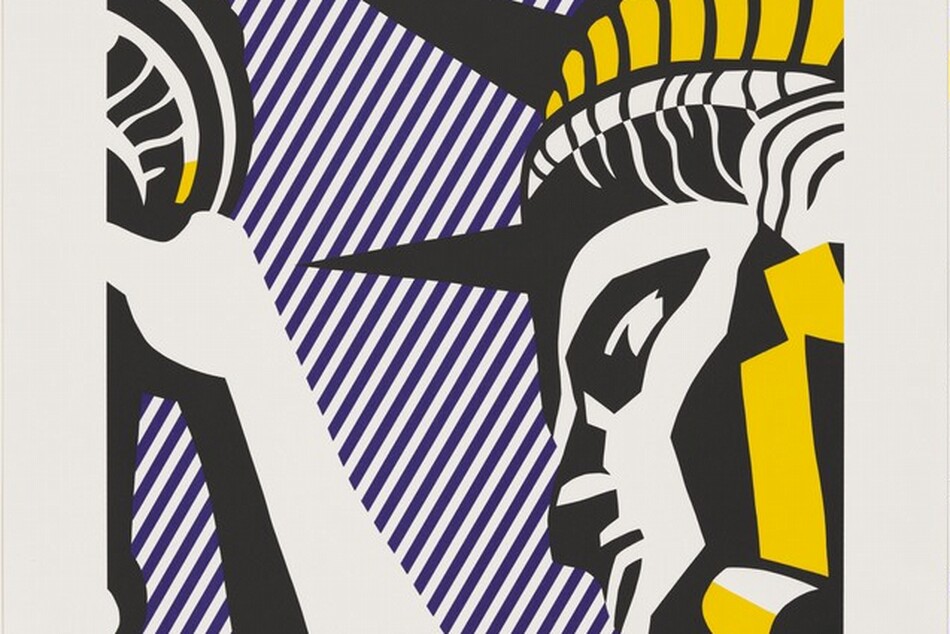
Press Release: National Gallery of Art’s Esteemed American Art Collection to Serve as Centerpiece of Programming to Commemorate America’s 250th Anniversary in 2026
Celebration highlights include a spotlight on the National Gallery’s permanent collection of American masterworks, exhibitions, and year-round programming. As part of America’s 250th, the “Across the Nation” partnership program brings masterpieces from the National Gallery’s collection to 10 partner museums nationwide.