The Collection

Video
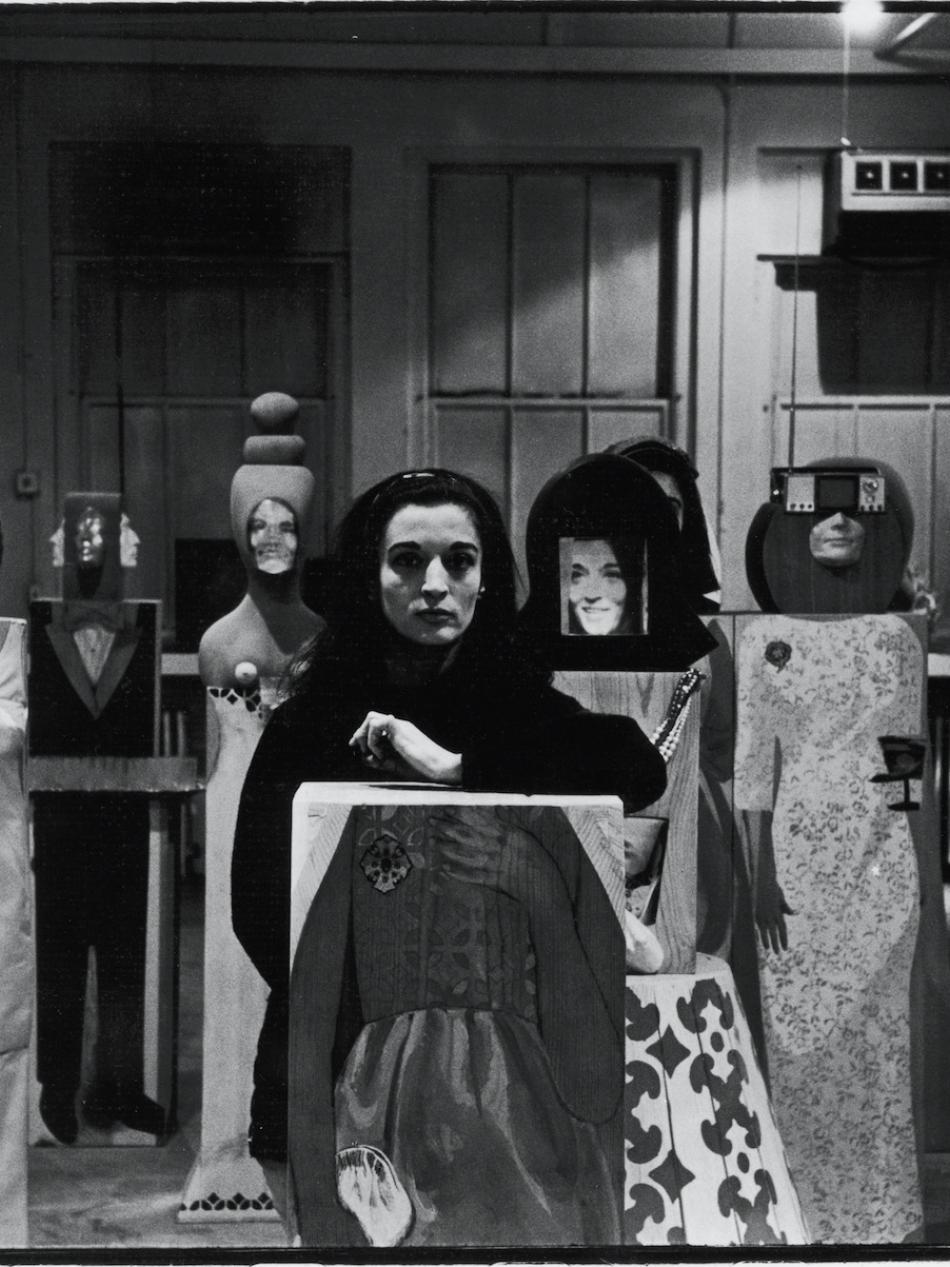
Ann Hamilton presented a lecture on her nearly 30-year career as part of the Diamonstein-Spielvogel Lecture Series at the National Gallery of Art on September 16, 2011. Hamilton has made multimedia installations with stunning qualities and quantities of materials: a room lined with small canvas dummies, a table spread with human and animal teeth, the artist herself wearing a man's suit covered in a layer of thousands of toothpicks. Along the way, she has constantly set and reset the course of contemporary art. Often using sound, found objects, and the spoken and written word, as well as photography and video, her objects and environments invite us to embark on sensory and metaphorical explorations of time, language, and memory. Textiles and fabric have consistently played an important role in her performances and installations—whether she is considering clothing as a membrane or (more recently) treating architecture itself as a kind of skin. The Gallery owns 15 works by the artist, including photographs, prints, sculptures, and a video installation.
Video

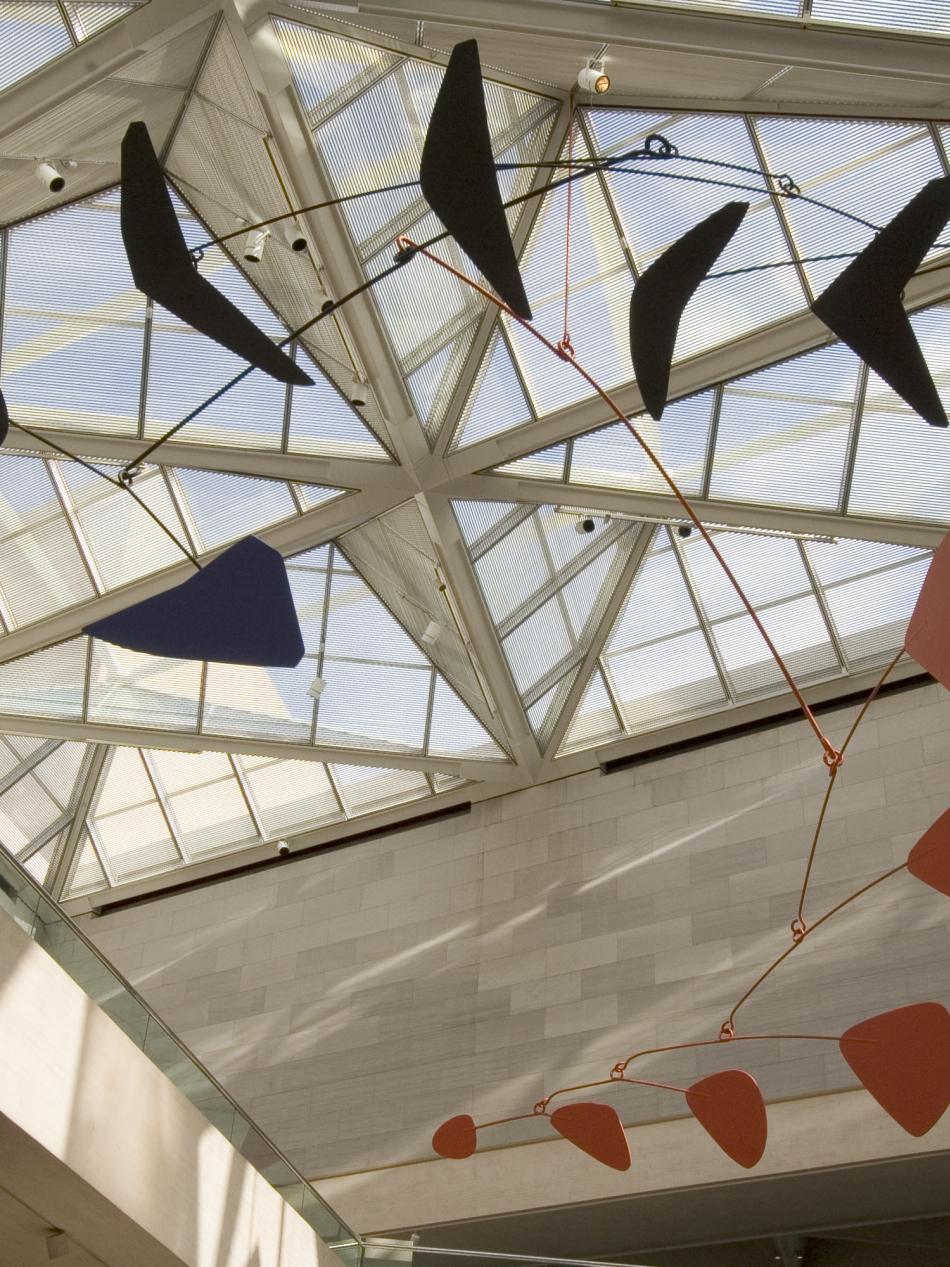
Multiverse, (2008), a site-specific LED sculpture by Leo Villareal, is on view in the Concourse walkway connecting the East and West Buildings of the National Gallery of Art. The sculpture, which includes approximately 41,000 LED (light-emitting diode) nodes controlled by custom-designed software, is Villareal's largest and most ambitious work to date. Watch Gallery staff and volunteers install the LED nodes over the course of 65 days (the process was captured in 58,296 photographs). The sculpture was generously funded by Victoria and Roger Sant and Sharon P. and Jay Rockefeller.

Video
At the time of their acquisition in 1995, Cornelis Verbeeck's paintings Dutch Warship Attacking a Spanish Galley and Spanish Galleon Firing Its Cannons were covered with layers of discolored varnish. Their sojourn in the conservation lab, however, revealed a complex story that transformed our understanding of these paintings. Arthur Wheelock, curator of northern baroque paintings, is joined by Michael Swicklik, senior conservator, and Richard Ford, frame conservator, as they discuss this exciting discovery, and the paintings' new appearance as two halves of a reunited battle scene.
Video
Recorded on November 4, 2009, this podcast presents the fourth Wyeth Lecture in American Art, a biennial event hosted by the Center for Advanced Study in the Visual Arts and supported by the Wyeth Foundation for American Art. Richard J. Powell focuses on Thomas Eakins (1844–1916) as uniquely empathetic among the many 19th-century artists who depicted African American performance and entertainment. Eakins' Negro Boy Dancing (1887; Metropolitan Museum of Art) shows a young banjo player, an elderly teacher, and an adolescent dancer, evoking the American rage for the form of musical theater known as minstrelsy. Eakins' watercolor, along with two oil-on-board studies at the National Gallery of Art, challenged the tendency of minstrelsy to employ racial ridicule and physical exaggeration. Instead, Powell argues, Eakins adhered to a painterly realism as well as his own brand of empathy and ethics.
Video
Vermeer's classic painting A Lady Writing inspired this evocative film. The exquisite skills of this 17th-century Dutch artist evoke nuances of light, texture, and reflection that describe both the artist's native city of Delft and the details of this much-loved work. Painted ermine, pearls, velvet, brass, and wood are illuminated by the sensitive touch of an unparalleled master.
Video
The moon rises high over water and becomes one with Turner's evocative image of the sights and sounds on the River Tyne at Newcastle. Time-lapse photography interweaves with close details of Turner's painting to capture both the stillness of the night and the work of loading coals by moonlight and torch.
Video
This film captures the power of faith in the face of danger, illustrated in the famous Old Testament story of Daniel in the lions' den and in Peter Paul Rubens' full-scale painting at the National Gallery. Daniel's travail in a closed cave unfolds here through a series of comparative frames: Rubens' preparatory drawings, painted lions with human bones at their feet, and footage of actual lions, similar to those Rubens saw at the royal menagerie in Brussels.
Video
Brice Marden continues to make some of the most surprising and ravishing paintings of our time. In the 1960s and 1970s, he was known for matte, monochromatic paintings, often with multiple panels. His 1984 visit to an exhibition of Japanese calligraphy triggered a dramatic shift in style that culminated in a masterful series of gestural paintings and drawings entitled Cold Mountain. Since that time, through several further changes in vocabulary, Marden has continued to explore linear networks as the basis for ambitious, allover abstractions. In this video, recorded in October 2009 in the artist's Manhattan studio, Marden discusses his technique, sources of inspiration, and works in progress with Harry Cooper, curator and head of modern and contemporary art, National Gallery of Art.
Video
A shrewd businessman, Chester Dale started out as a Wall Street messenger in the early 20th century. By 1910 he was poised to make the fortune that enabled him to assemble one of the finest collections of modern art in America. He and his wife Maud first focused on American paintings, but they soon turned their attention to French art of the 19th and early 20th centuries, acquiring a few old masters along the way. Dale's gifts to the nation, numbering more than 300 works of art, transformed the Gallery's collection and included masterpieces by Manet, Monet, Renoir, and Picasso. Never lent to other museums, these paintings can only be seen at the National Gallery of Art. Narrated by director Earl A. Powell III.
Video
In her breakthrough 1990 work Ghost, Rachel Whiteread created a positive from a negative, making a plaster cast of the interior "void" of a Victorian parlor measuring approximately 9 feet wide, 11 1/2 feet high, and 10 feet deep. Whiteread has said of this sculpture that she was trying to "mummify the air in the room," hence the title. Whiteread created Ghost over a period of three months in an abandoned building at 486 Archway Road, North London, covering the interior walls with multiple plaster molds, each about five inches thick. When the plaster dried, she peeled the molds from the walls and reassembled them on a steel frame. In this interview Whiteread discusses the process of making Ghost and lends new insight to her work.
Video
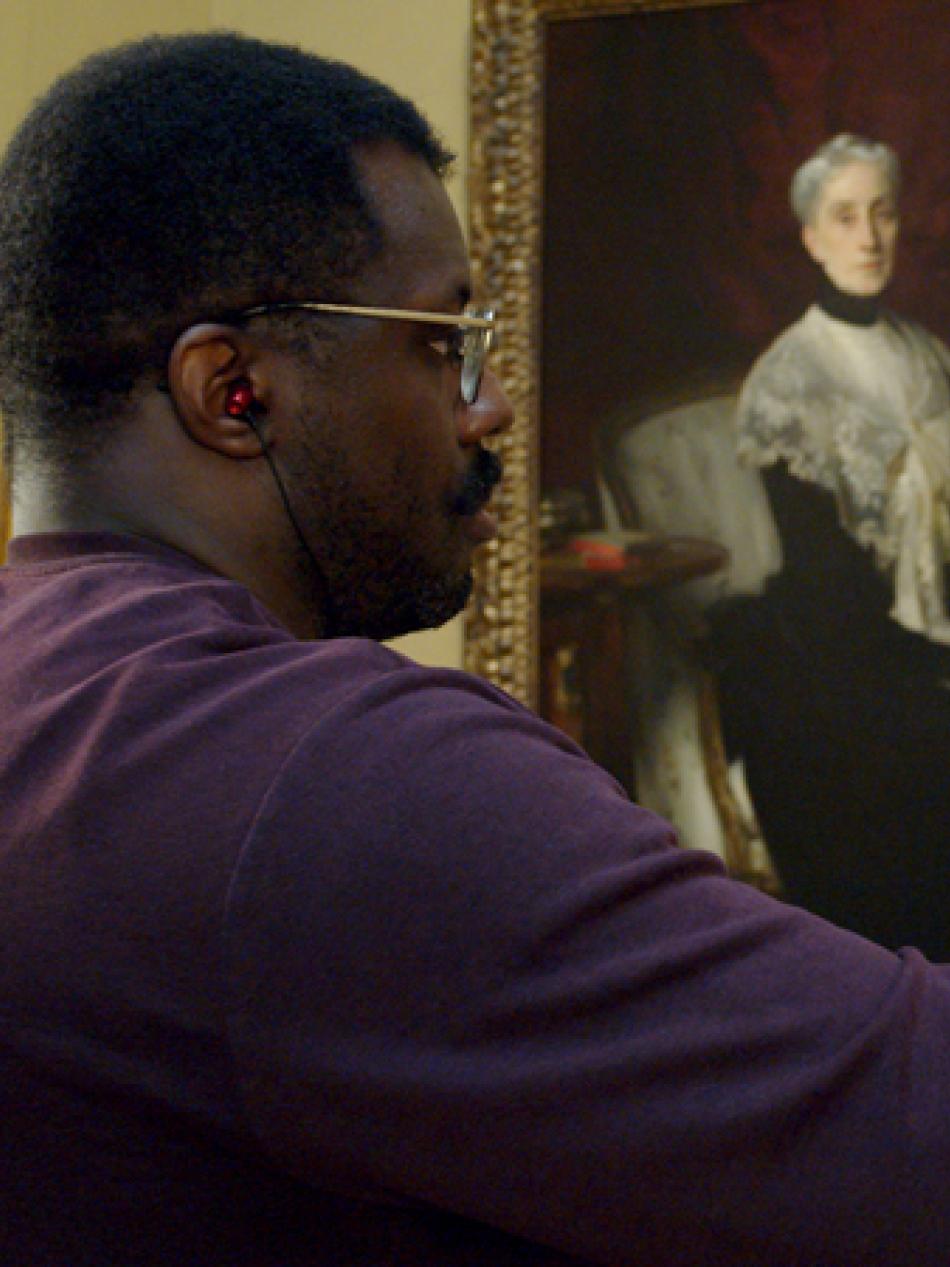
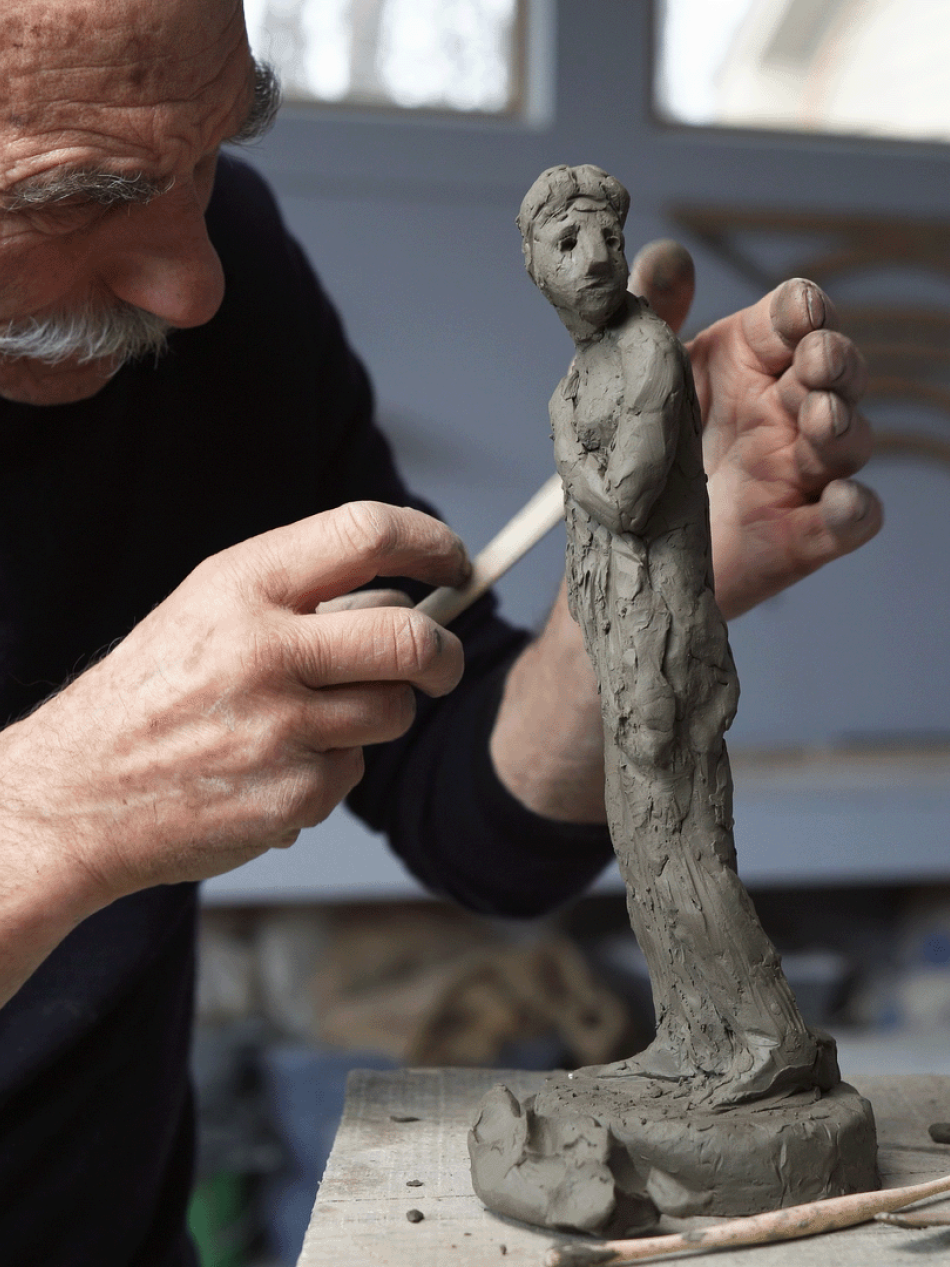
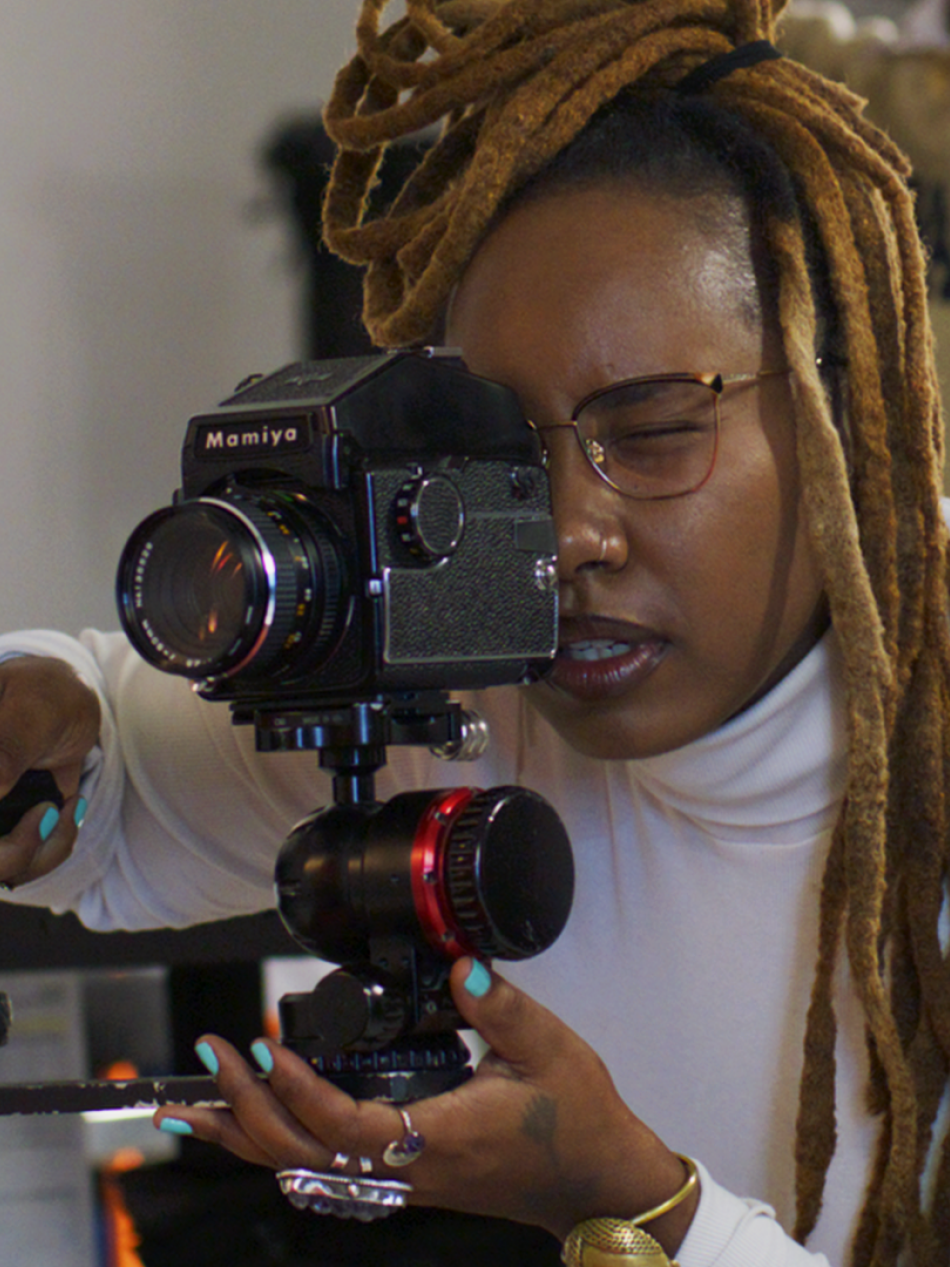
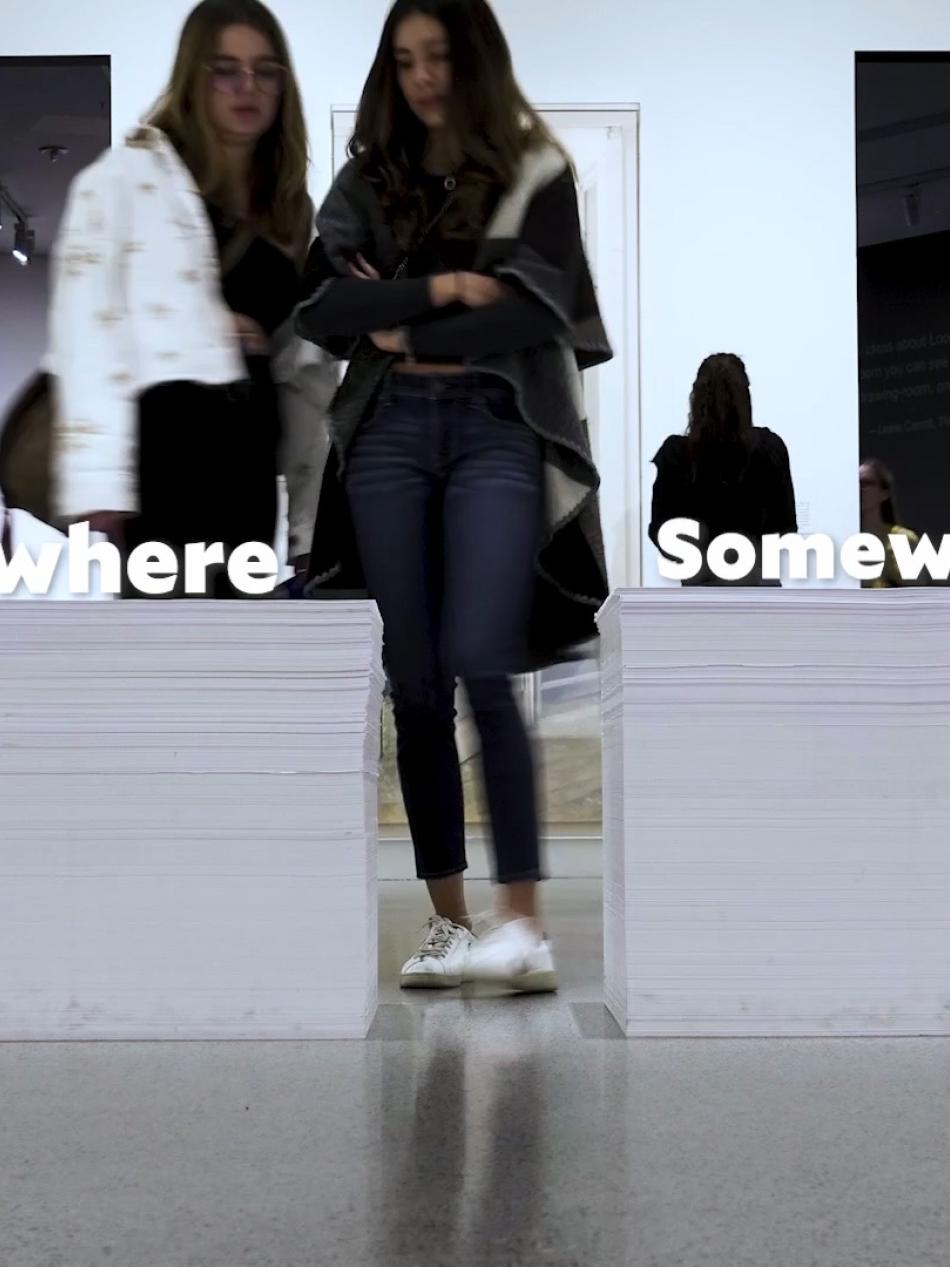
Talk About Art is a six-minute documentary film that highlights visitors to the National Gallery of Art in Washington, DC. Among the visitors who share their thoughts on art are people from all walks of life—including students, a taxi driver, an architect, a security guard, and a hairdresser. These are not art historians, but art is a common bond for them, and definitely a force in their lives. For some art is a way to connect to the past; for others it is a way to see the world around them in a different way. Listening to their side of the museum experience may get you talking about art as well.
Video
Vermeer: Master of Light is a visual pilgrimage in search of what makes a Vermeer a Vermeer. It is a journey of discovery, guiding the viewer through an examination of three of Johannes Vermeer's paintings and exploring the "secrets" of his technique. Utilizing the potential of x-ray analysis and infrared reflectography as well as the power of computer technology, the program delves beneath the surface of the paintings to unveil fascinating insights into Vermeer's work. This film celebrates one of the most extraordinary painters in the history of art. Narrated by Meryl Streep, with commentary by Arthur Wheelock, curator of northern baroque paintings, National Gallery of Art, and David Bull, conservator. This compilation video combines all 5 parts of the Vermeer: Master of Light video podcast series.
Video
Vermeer: Master of Light is a visual pilgrimage in search of what makes a Vermeer a Vermeer. It is a journey of discovery, guiding the viewer through an examination of three of Johannes Vermeer's paintings and exploring the "secrets" of his technique. Utilizing the potential of x-ray analysis and infrared reflectography as well as the power of computer technology, the program delves beneath the surface of the paintings to unveil fascinating insights into Vermeer's work. This film celebrates one of the most extraordinary painters in the history of art. Narrated by Meryl Streep, with commentary by Arthur Wheelock, curator of northern baroque paintings, National Gallery of Art, and David Bull, conservator. This segment explores the power of the National Gallery's painting A Lady Writing. It examines Vermeer's painting techniques and his use of color.
Video
Vermeer: Master of Light is a visual pilgrimage in search of what makes a Vermeer a Vermeer. It is a journey of discovery, guiding the viewer through an examination of three of Johannes Vermeer's paintings and exploring the "secrets" of his technique. Utilizing the potential of x-ray analysis and infrared reflectography as well as the power of computer technology, the program delves beneath the surface of the paintings to unveil fascinating insights into Vermeer's work. This film celebrates one of the most extraordinary painters in the history of art. Narrated by Meryl Streep, with commentary by Arthur Wheelock, curator of northern baroque paintings, National Gallery of Art, and David Bull, conservator. This segment uses computer technology to illustrate how Vermeer applied the optical principle of the camera obscura while painting Girl with the Red Hat.
Video
Vermeer: Master of Light is a visual pilgrimage in search of what makes a Vermeer a Vermeer. It is a journey of discovery, guiding the viewer through an examination of three of Johannes Vermeer's paintings and exploring the "secrets" of his technique. Utilizing the potential of x-ray analysis and infrared reflectography as well as the power of computer technology, the program delves beneath the surface of the paintings to unveil fascinating insights into Vermeer's work. This film celebrates one of the most extraordinary painters in the history of art. Narrated by Meryl Streep, with commentary by Arthur Wheelock, curator of northern baroque paintings, National Gallery of Art, and David Bull, conservator. This segment examines the National Gallery's painting Girl with the Red Hat. It explains Vermeer's mastery of color and explores the minute details of the painting with magnification of, in some instances, more than 300 percent.
Video
Vermeer: Master of Light is a visual pilgrimage in search of what makes a Vermeer a Vermeer. It is a journey of discovery, guiding the viewer through an examination of three of Johannes Vermeer's paintings and exploring the "secrets" of his technique. Utilizing the potential of x-ray analysis and infrared reflectography as well as the power of computer technology, the program delves beneath the surface of the paintings to unveil fascinating insights into Vermeer's work. This film celebrates one of the most extraordinary painters in the history of art. Narrated by Meryl Streep, with commentary by Arthur Wheelock, curator of northern baroque paintings, National Gallery of Art, and David Bull, conservator. This segment uses computer technology to deconstruct The Music Lesson and demonstrate to the viewer how Vermeer has painstakingly placed every object in the painting to achieve his desired result.
Video
Vermeer: Master of Light is a visual pilgrimage in search of what makes a Vermeer a Vermeer. It is a journey of discovery, guiding the viewer through an examination of three of Johannes Vermeer's paintings and exploring the "secrets" of his technique. Utilizing the potential of x-ray analysis and infrared reflectography as well as the power of computer technology, the program delves beneath the surface of the paintings to unveil fascinating insights into Vermeer's work. This film celebrates one of the most extraordinary painters in the history of art. Narrated by Meryl Streep, with commentary by Arthur Wheelock, curator of northern baroque paintings, National Gallery of Art, and David Bull, conservator. This segment analyzes the National Gallery of Art's painting Woman Holding a Balance. With the help of special effects we are able to understand Vermeer's construction of the painting and his complete control of the work.
Video
The centenary of the birth of Paul Mellon (1907–1999), philanthropist, art collector, founding benefactor, and trustee of the National Gallery of Art, is celebrated throughout 2007 with exhibitions, gallery talks, lectures, concerts, and a new documentary. Paul Mellon's visionary leadership of the National Gallery of Art spanned more than six decades, from 1938, when he was first elected to the Board of Trustees, to his death in 1999. During that time he watched over and nurtured the museum's growth from a single grand building to a mature institution with two monumental structures, a sculpture garden, and a world-class collection. More than 1,000 works of art given by Paul Mellon and his wife Bunny form an extraordinary legacy. In addition, he generously contributed funds for acquisitions, education, archives, and the Gallery's Center for Advanced Study in the Visual Arts.
Video
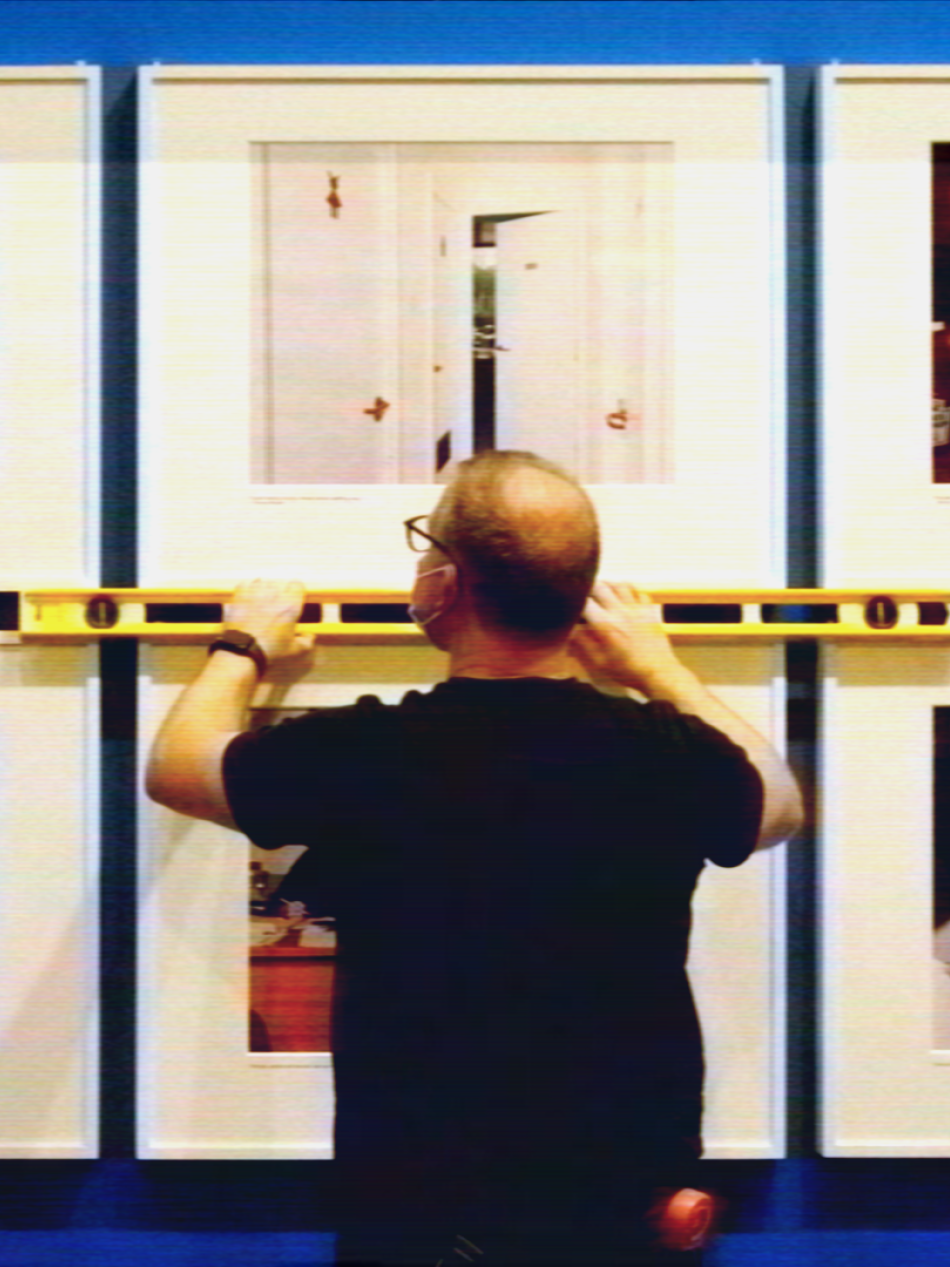
Over the course of three days, from February 14 to 16, 2007, Mel Bochner and his assistant Nicholas Knight installed Theory of Boundariesat the National Gallery of Art. The work, whose size is determined by the length of the wall on which it is installed, consists of four squares of equal size, each separated by a space equal to one-third of the width of a single square. Following the principles determined by the "language fraction" of each square (hence the work's title, Theory of Boundaries), dry pigment is applied directly to the wall, with each of the four squares demonstrating a different relationship of the color surface to its border and state of enclosure.