


Upcoming Exhibition
Women and the Index of American Design
Details
-
Locations
 East Building
East Building Ground Level, Gallery E106
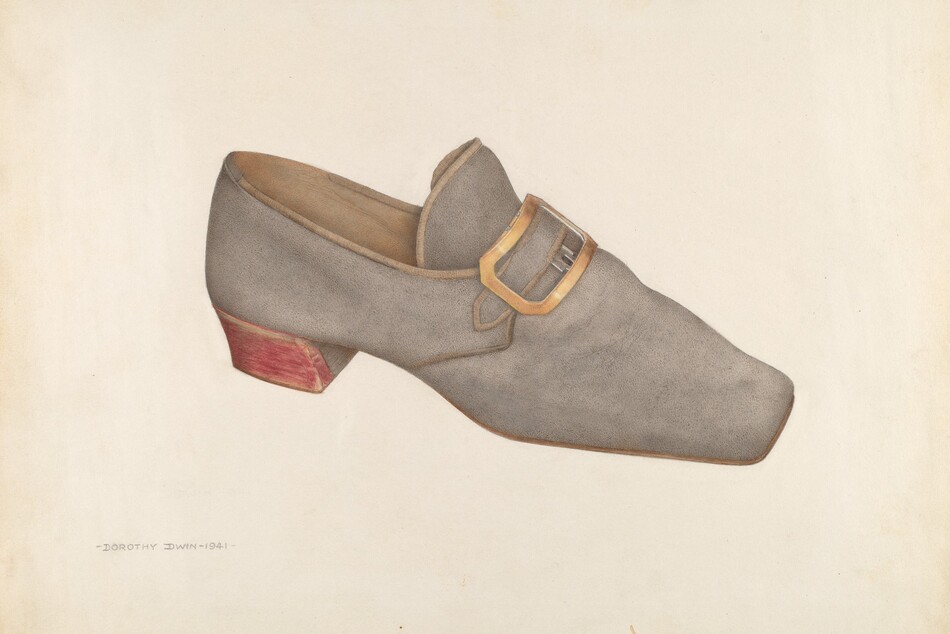
Between 1935 and 1942, the US government commissioned over 18,000 watercolors to document works of American folk, decorative, and industrial art. Women played a pivotal role in this effort. Today, the National Gallery cares for this vast collection, known as the Index of American Design.
This special installation includes a selection of watercolors made by women artists for the Index. They captured subjects such as embroideries, quilt designs, toys, weather vanes, and household objects.
Organization
Organized by the National Gallery of Art, Washington
Curated by Amy Johnston, associate curator of collections, department of old master drawings, National Gallery of Art.
Index of American Design
The Index is made up of 18,257 watercolor works by some 1,000 artists. A Federal Art Project dating to the Great Depression, it sought to identify and preserve a national, ancestral aesthetic for the United States. The watercolors depict American folk and decorative arts objects from the colonial period through 1900.

Article: Create with Us: How Drawing Can Teach You to See Your Belongings in a New Light
Sketch everyday objects, inspired by the Index of American Design.
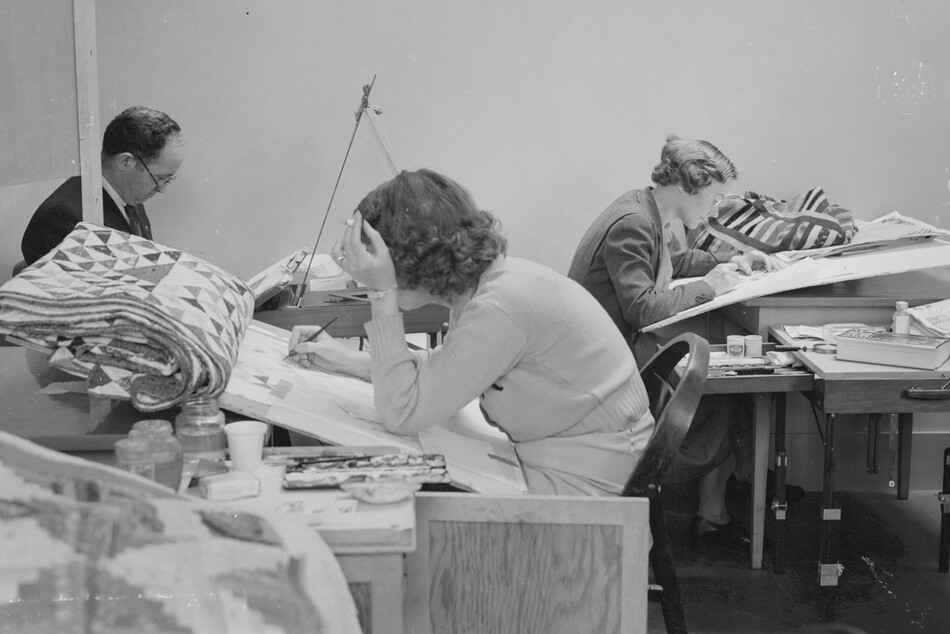
Article: Creating an Index of American Design
The US government once employed artists to draw pictures of designs from historical objects. The idea is reimagined by artists today.
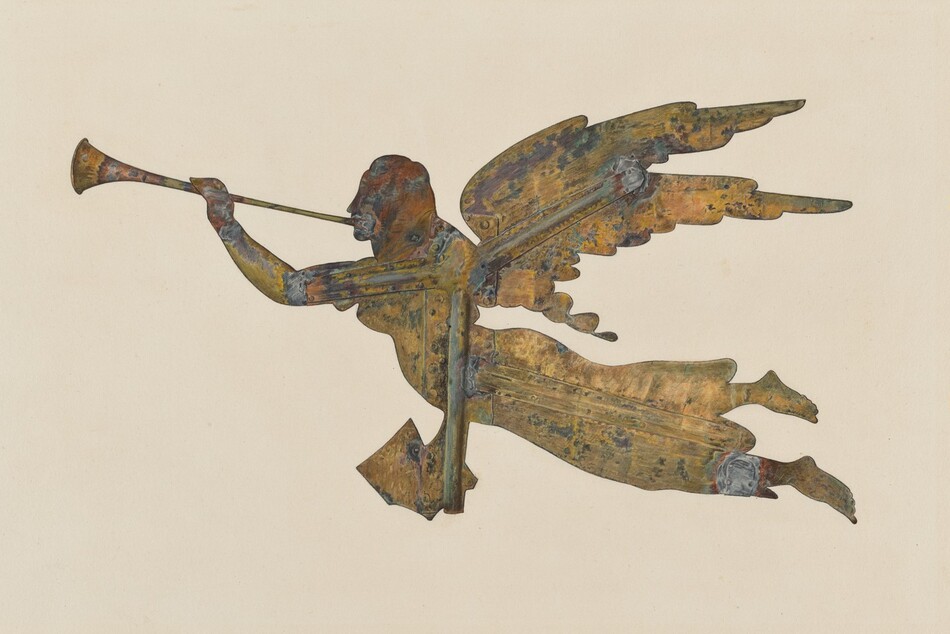
Article: Seven Highlights from the Index of American Design
Peer into the American past with a collection of Great Depression–era watercolors.

