


Past Research Projects
Past research projects supported by the Center and designed to contribute to the wider scholarly community.
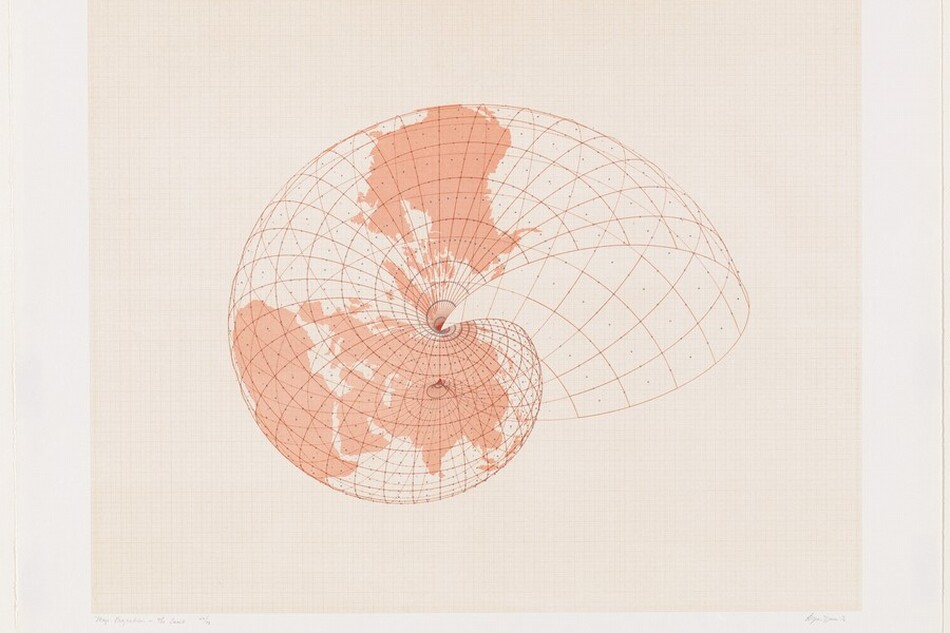
Mapping Our Museum
Organized by Matthew J. Westerby, Digital Research Officer, Mapping Our Museum featured teams of staff, fellows, and interns from across the National Gallery collaborating on research questions to generate maps or visualizations. Workshops offered introductions to data curation and digital tools. Occasional webinars and presentations organized in conjunction with Mapping Our Museum showcased critical approaches and conceptual frameworks to mapping and visualization in digital humanities and digital art history, focusing on museums, archives, and libraries.
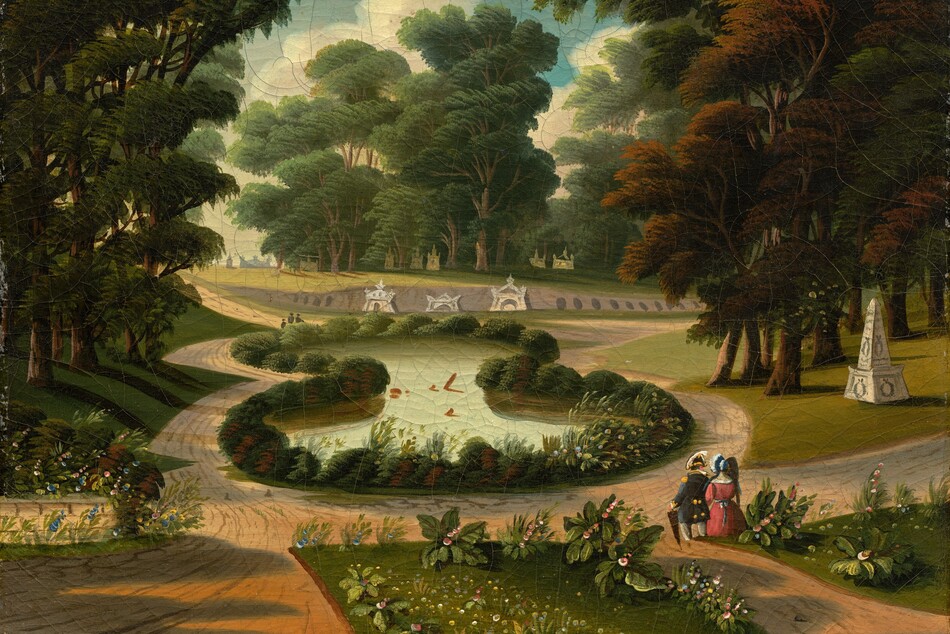
History of Early American Landscape Design
With thousands of texts and citations and around 1,700 images, the History of Early American Landscape Design (HEALD) is an inquiry into the language of early American landscape aesthetics and garden design. Encouraging a contextualized approach to data analysis, the HEALD website allows you to search, read, sort, and parse. The project is built on the open-source platform MediaWiki, with custom code freely available for reuse.
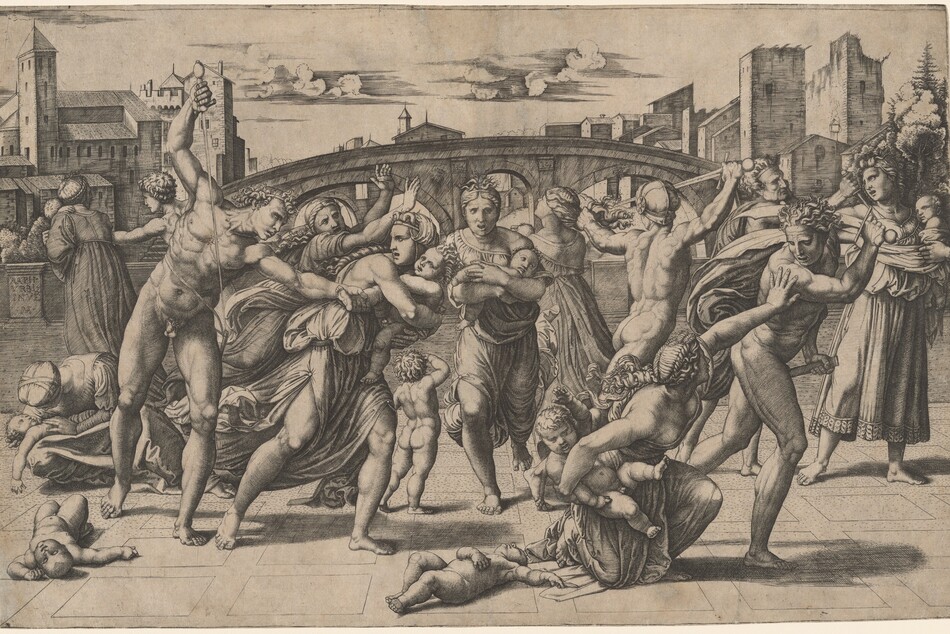
Early Modern Sources in Translation: Carlo Cesare Malvasia’s Felsina pittrice
The Felsina pittrice (1678) is one of the most important early modern texts on Italian art, yet it lacks a modern critical edition and full English translation. A team of scholars led by dean emerita Elizabeth Cropper and professor Lorenzo Pericolo (Florida State University) is producing a richly illustrated multivolume edition of the Italian text and associated preparatory notes, together with an annotated English translation.
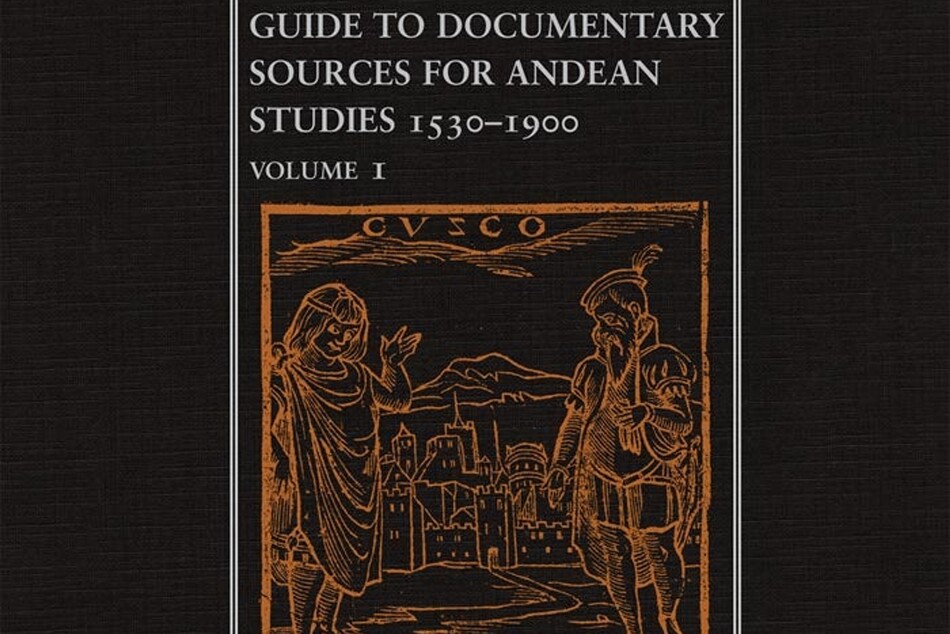
Publication: Guide to Documentary Sources for Andean Studies, 1530–1900
Directed by Joanne Pillsbury, former assistant dean of the Center, this three-volume reference work, published in 2008, supports research on the pre-Hispanic, viceregal, and early republican periods of the Andean region of South America. The work is intended for scholars in anthropology, history, archaeology, art history, and related disciplines. It includes 29 thematic essays and 186 biographical and bibliographical entries reflecting contributions from 125 scholars in 19 countries. Copublished by the National Gallery of Art and the University of Oklahoma Press, the guide addresses key texts of the 16th to the 19th century concerning the region defined by the extent of the Inca Empire (modern Peru, Bolivia, Ecuador, and parts of Colombia, Argentina, and Chile). A Spanish translation was copublished with the Pontificia Universidad Católica del Perú in 2016.
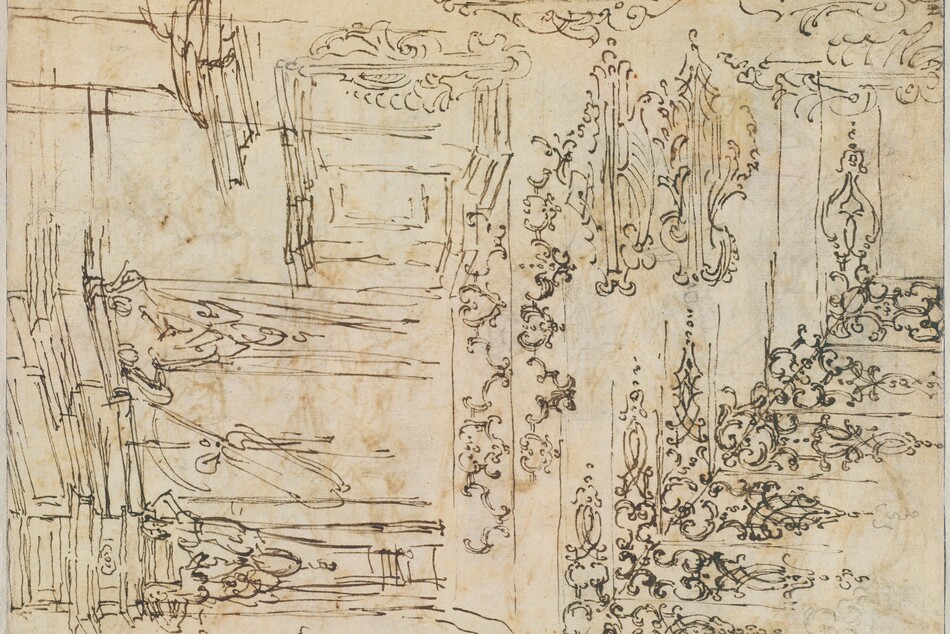
Architectural Drawings Advisory Group / Foundation for Documents of Architecture
In 1983 the Center convened an international group of architectural drawings specialists representing major repositories in North America and Europe to build consensus concerning cataloging standards for architectural drawings. The Architectural Drawings Advisory Group (ADAG) explored how a network might be established to apply guidelines for descriptive cataloging in both electronic and printed form. In 1986 the Foundation for Documents of Architecture (FDA), a nonprofit corporation, was founded by several ADAG members to promote ADAG’s recommendations in an automated cataloging environment and to translate ADAG’s recommended standards into published guidelines. In 1994 ADAG and the FDA published A Guide to the Description of Architectural Drawings by Vicki Porter and Robin Thornes with G. K. Hall & Company on behalf of the Getty Art History Information Program. Henry A. Millon initiated and led ADAG and also served as president of the FDA (1986–1992).
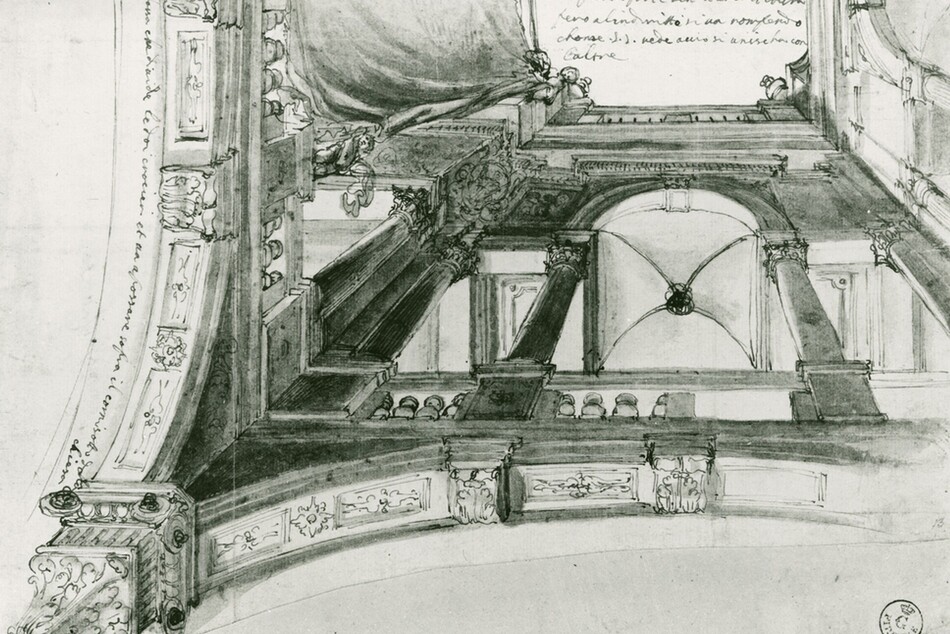
The Italian Architectural Drawings Project Collection (IADPC)
The Italian Architectural Drawings Photograph Collection (IADPC) was assembled under the direction of the Center’s founding dean, Henry A. Millon, for the photographic archives of the National Gallery of Art Library. The collection of approximately 45,000 photographs and 350 manuscripts on microfilm documents drawings made before 1800 of Italian architecture from repositories around the world. The artists and draftsmen who produced these drawings are not exclusively Italian, but come from throughout Europe. The architectural drawings fall into various categories, such as working, project, and presentation drawings, views, panoramas, travel sketches, treatises, architectural details, and architectural ornament. Also included are drawings from related fields in which the influence of architecture is pronounced and where the designers frequently were architects, for example shipbuilding, carriage and furniture design, and gold and silverware. The IADPC photographs may be consulted by scholars in the National Gallery of Art Library department of image collections.
See more from the Center
The Center for Advanced Study in the Visual Arts is the National Gallery’s research institute.