


Women Behind the Camera: Carrie Mae Weems
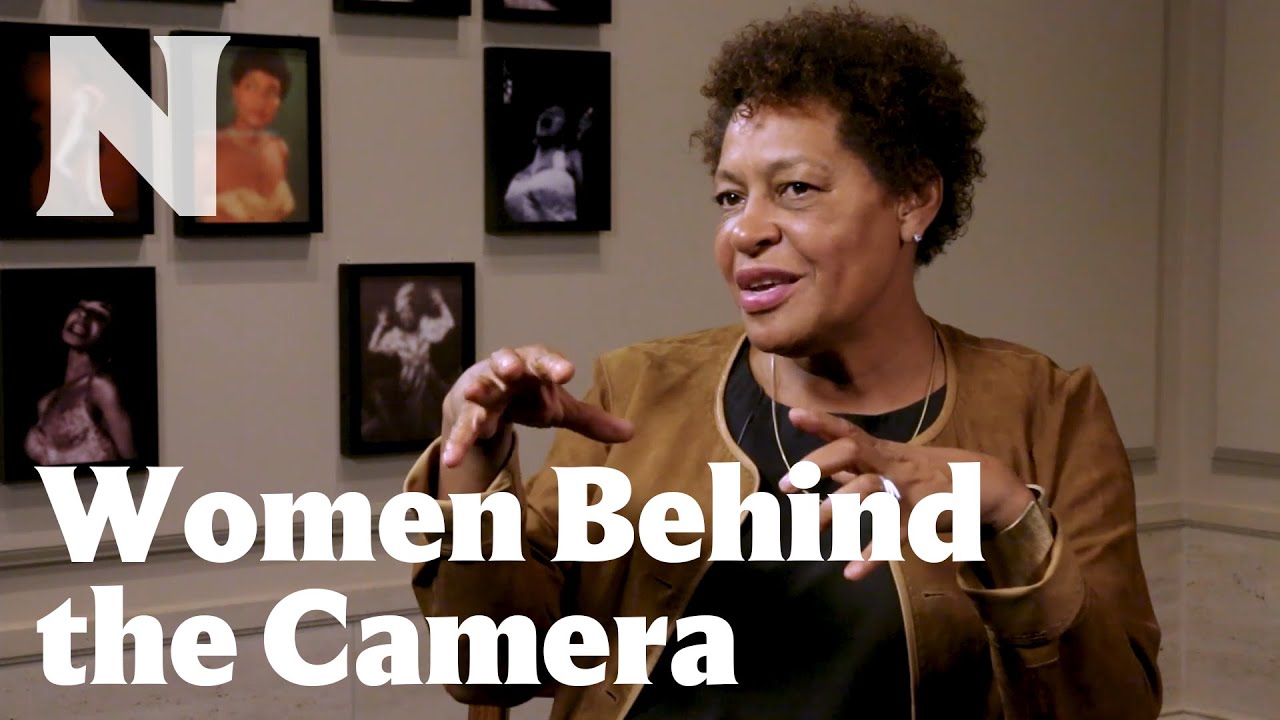
On September 12, 2015, Carrie Mae Weems discussed her artistic process, including her attempts to make “the invisible visible” by focusing on individuals and groups of people often left out of the historical record. For more than 30 years, Weems has made provocative, socially motivated art that examines issues of race, gender, and class inequality. Her performative and conceptually layered work, often produced in serial or installation pieces, employs a variety of materials including photographs, text, fabric, sound, digital images, and most recently, video. This interview precedes Weems’s participation in the Diamonstein-Spielvogel Lecture Series, held in conjunction with the exhibition The Memory of Time: Contemporary Photographs at the National Gallery of Art Acquired with the Alfred H. Moses and Fern M. Schad Fund (May 3–September 13, 2015). The exhibition featured her chromogenic prints May Flowers (2002) and After Manet (2002), as well as Slow Fade to Black II (2010), a group of 17 inkjet prints.
Discover more

Video: Stitching Mississippi Stories
Coulter Fussell, a diner waitress turned artist, makes her kids’ Snapchat messages into art.

Video: The Radical Intimacy of Mary Cassatt
How did Mary Cassatt transform impressionism?
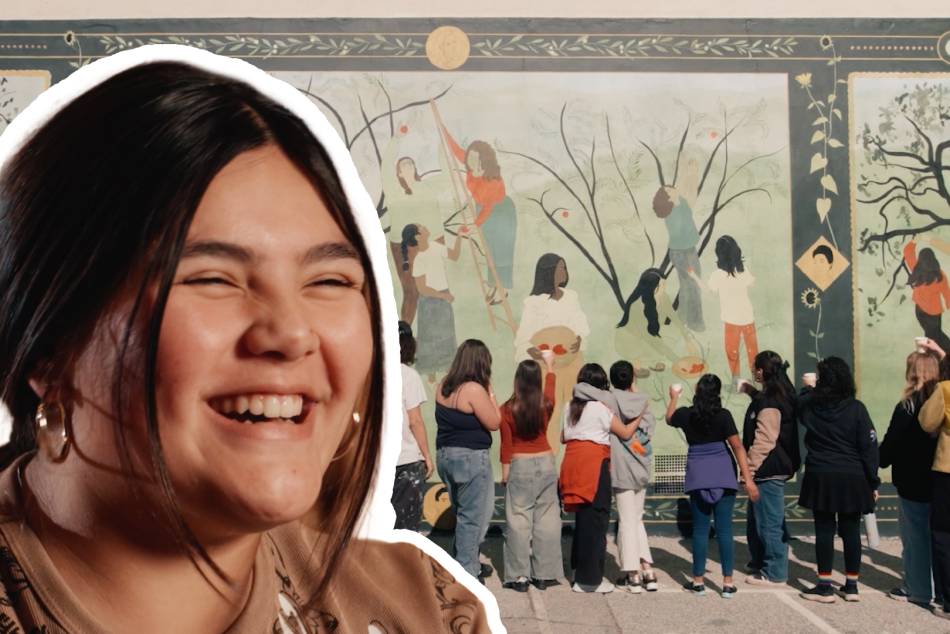
Video: How a Mural Healed a Community
After a wildfire destroyed their elementary school, a group of young artists came together to rebuild—by painting a mural inspired by Mary Cassatt’s lost masterpiece.