The Early History of the Accademia di San Luca
Explore research and scholarly essays about the Accademia di San Luca in Rome—one of the first academies of painters, sculptors, and architects, founded in 1593.
Initiated in 2007, this project is a collaboration of the National Gallery’s Center for Advanced Study in the Visual Arts in association with the Archivio di Stato di Roma and the Accademia Nazionale di San Luca.
About the project
The Early History of the Accademia di San Luca was conceived, under the direction of associate dean Peter M. Lukehart, as a project in two parts: a volume of essays concerning the establishment of the Accademia and a database of rediscovered notarial documents that support current and future study of the Accademia and its members.
The Early History of the Accademia di San Luca features a variety of materials:
- Scholarly essays in English and Italian
- A repository of historical material including (1) notarial documents and (2) maps and guidebooks
- A bibliography
- An archived website of an earlier iteration of the project.
The Early History of the Accademia di San Luca migrated to a number of open-source platforms in 2025–2026, offering the project team new opportunities to display its extensive content.
The migration’s first stage was completed in December 2025: Essays were reissued and grouped into two volumes, organized by year of publication. These fully digital essays are built with Quire and are available as webpages, PDFs, and ePubs.
The second part of the migration was completed in January 2026, with the launch of a new website housing notarial documents, historical maps, and guidebooks. This site is powered by Canopy IIIF, centering the display on IIIF manifests with transcriptions and annotations. The site offers a robust metadata search using simple words, artist names, location names, document types, years, etc.
Both platforms—Quire and Canopy IIIF—rely on GitHub repositories, which are publicly available.
The study of academies of art in early modern Europe has always turned on current perceptions of the role of such institutions in the training and support of artists. Depending on one’s cultural and historical context, the academy assumes the role of hero (ushering in self-governance and the end of the guild system) or villain (opposing the avant-garde) in a continuous drama. This story spans nearly five hundred years, from about 1563, with the founding of the Accademia del Disegno in Florence, to the present day. These debates persist—especially within the fine arts departments of American universities that were modeled, to varying degrees, on European fine arts academies.
The Roman Accademia di San Luca—as one of the oldest, most influential, and longest lived (it flourishes now)—provides a telling example of the critical fortune of European art academies more generally. When the original members of the Accademia met before the notary and laid out their founding principles in March 1593, the deputies cited the nobility of art, the glory of God, and the honor of their profession as their raisons d’être. They also mentioned the importance of the practical education of young artists. Only the last of these points might find resonance in the promotional literature of today’s academies of art. Rather than couching the goals of the profession under the abstract rubrics of nobility or divinity, the Yale University School of Art, on one hand, foregrounds notions of quality, creativity, criticality, and innovation. The School of the Art Institute of Chicago, on the other hand, describes its mission as providing a global education, as well as instruction in history and theory, within a humanistic curriculum. Its stated objective is to encourage diverse and creative students to discover and develop their individual excellence in the visual arts.
The project
Recent event

Virtual Workshop : Navigating Our New Interface
Watch a Zoom recording of our one-hour virtual workshop from March 16, 2026, exploring the new resources website for the Early History of the Accademia di San Luca research project.
Resources
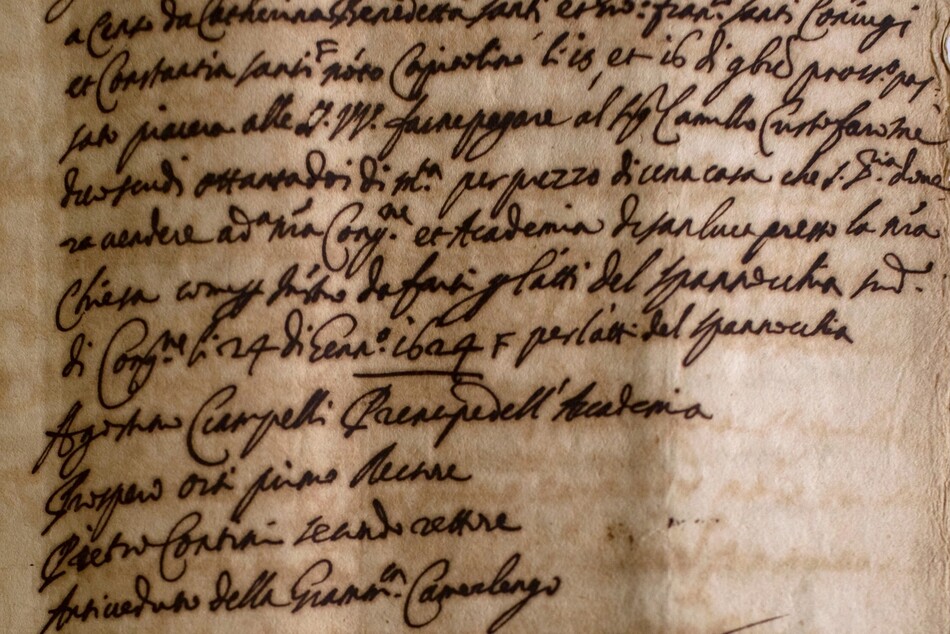
Notarial documents
Search and browse transcriptions of notarial documents from the 16th and 17th centuries preserved in Roman archives.
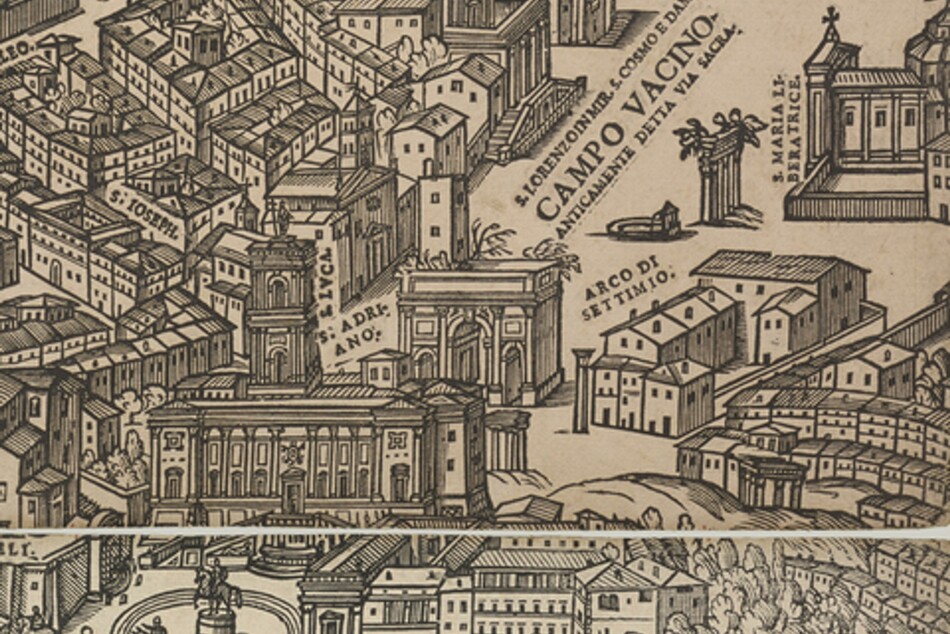
Maps and guidebooks
Explore historical maps and guidebooks that highlight places important to the Accademia’s development.
Publications
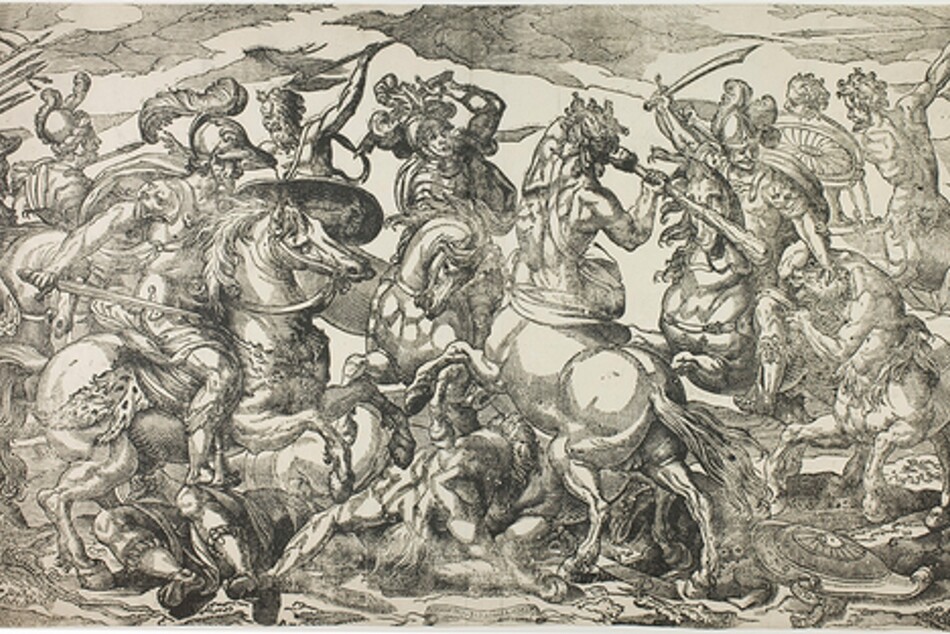
Essays : On Girolama Parasole
Essays by Susan Nalezyty and Evelyn Lincoln, available in English and Italian, published in 2024.
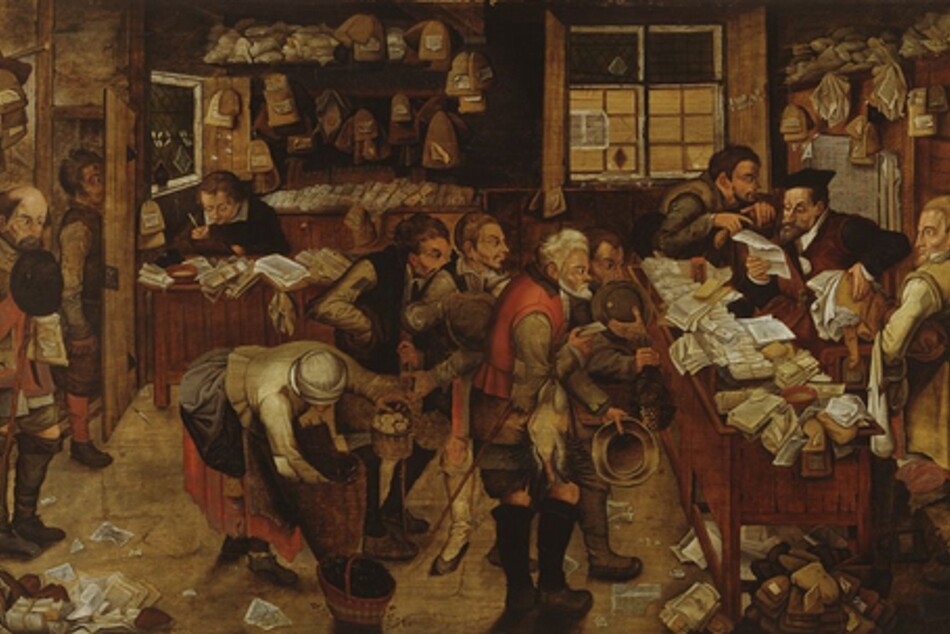
Essays : On the cameral obligation and notarial tradition
Essays by Antonia Fiori and Laurie Nussdorfer, available in English and Italian, published in 2023.
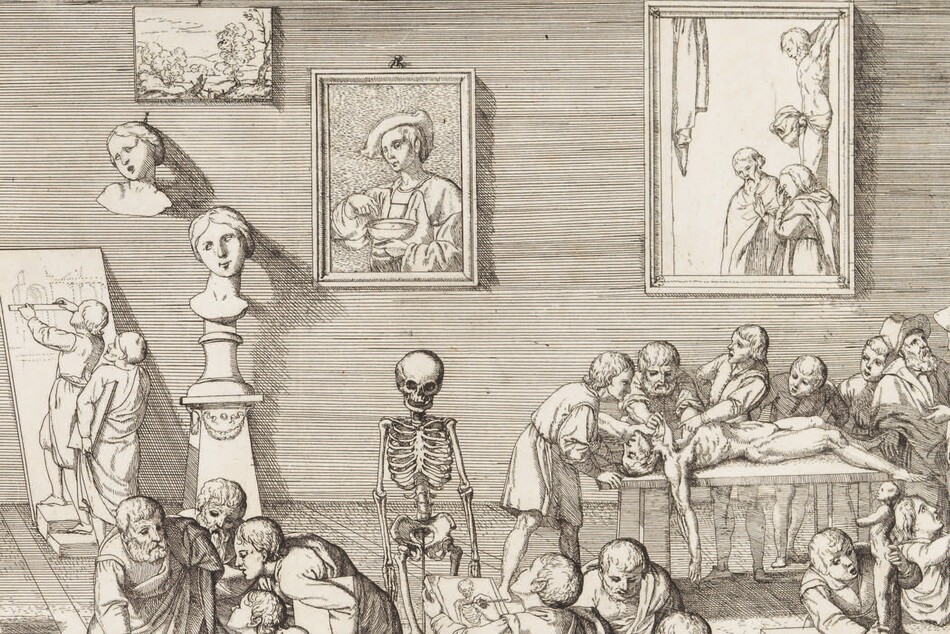
Publication : The Accademia Seminars: The Accademia di San Luca in Rome, c. 1590–1635
This volume of essays reexamines the establishment and early history of the Accademia di San Luca in Rome, one of the most important centers of governance, education, and theory in the arts for the early modern period and the model for all subsequent academies of art worldwide.

Publication : Academies of Art in Europe and the Americas, 1600–1900
Edited by Peter M. Lukehart, Ulrich Pfisterer, and Oscar E. Vázquez, 17 essays from leading and emerging scholars examine academies from Brazil, Colombia, Italy, France, Germany, Mexico, Turkey, the United States, and beyond.
References
Bibliography
Search and sort a database of bibliographical resources on the history of the Accademia and its most prominent members.
Archived website
A web recorded version of the previous project website (2015–2025) is available at the Internet Archive. Please note that certain features like search and image zoom will not work on the archived site.
In our collection
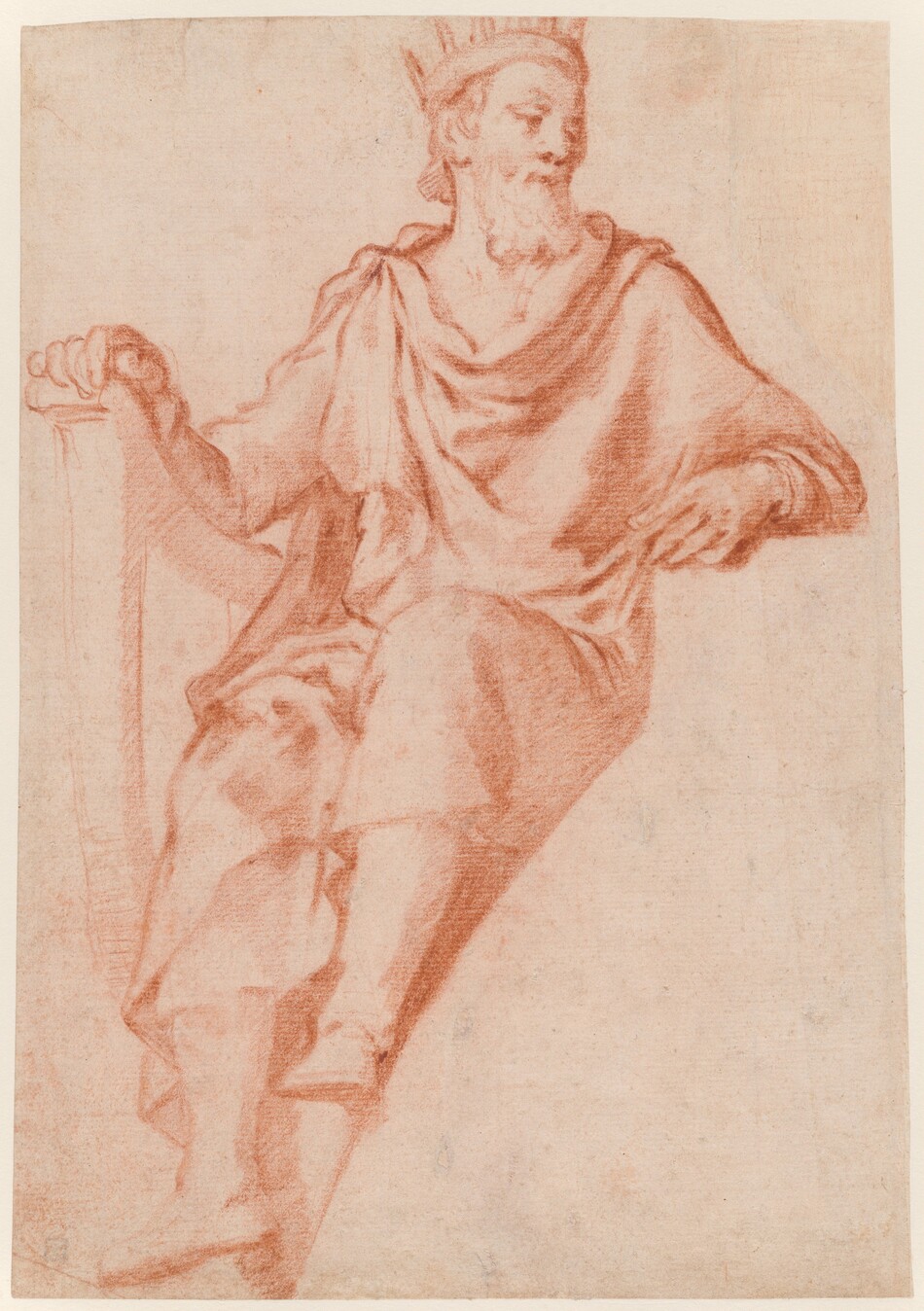
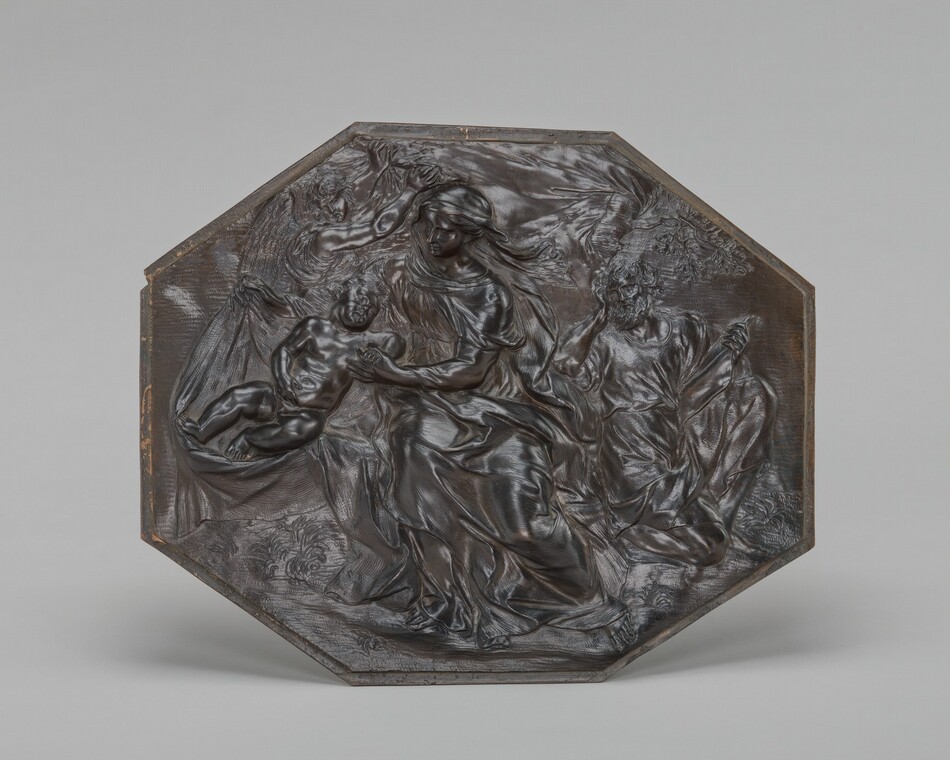
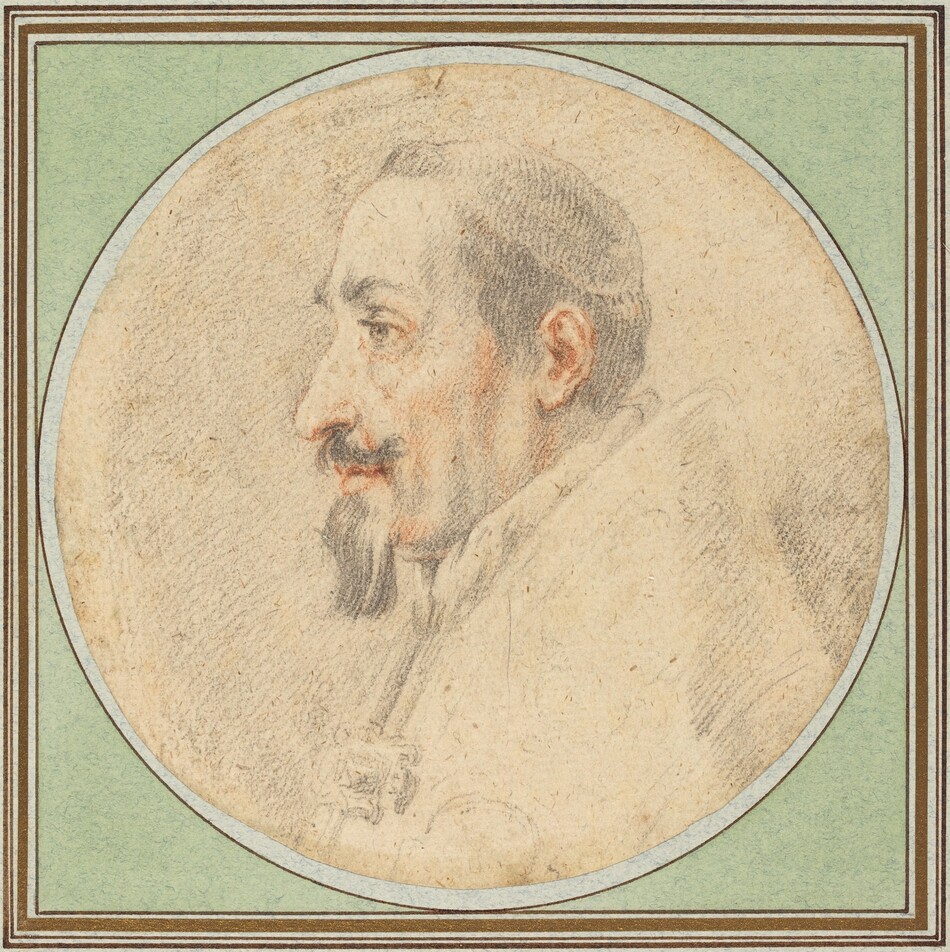
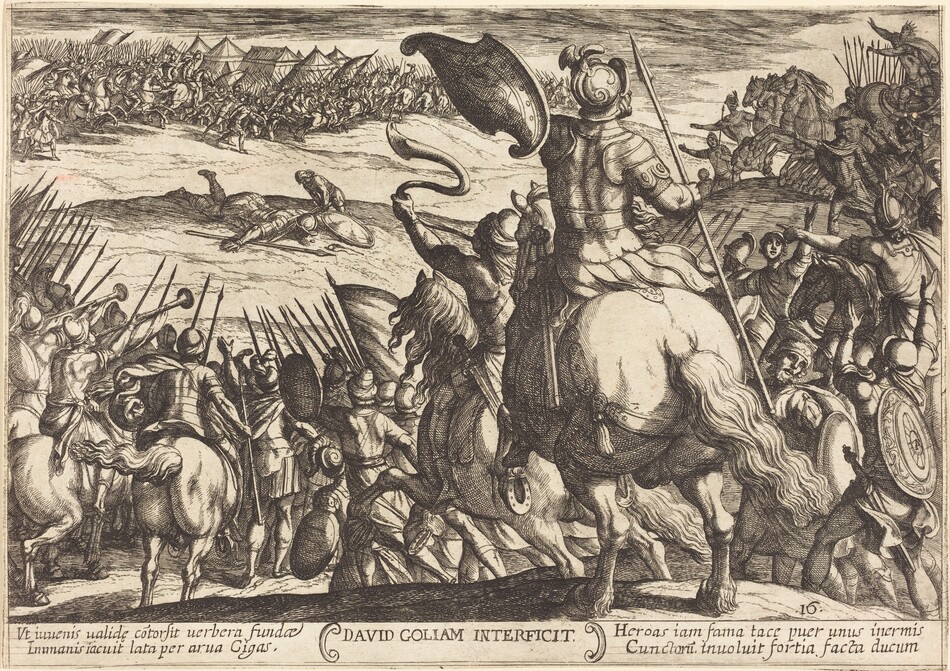
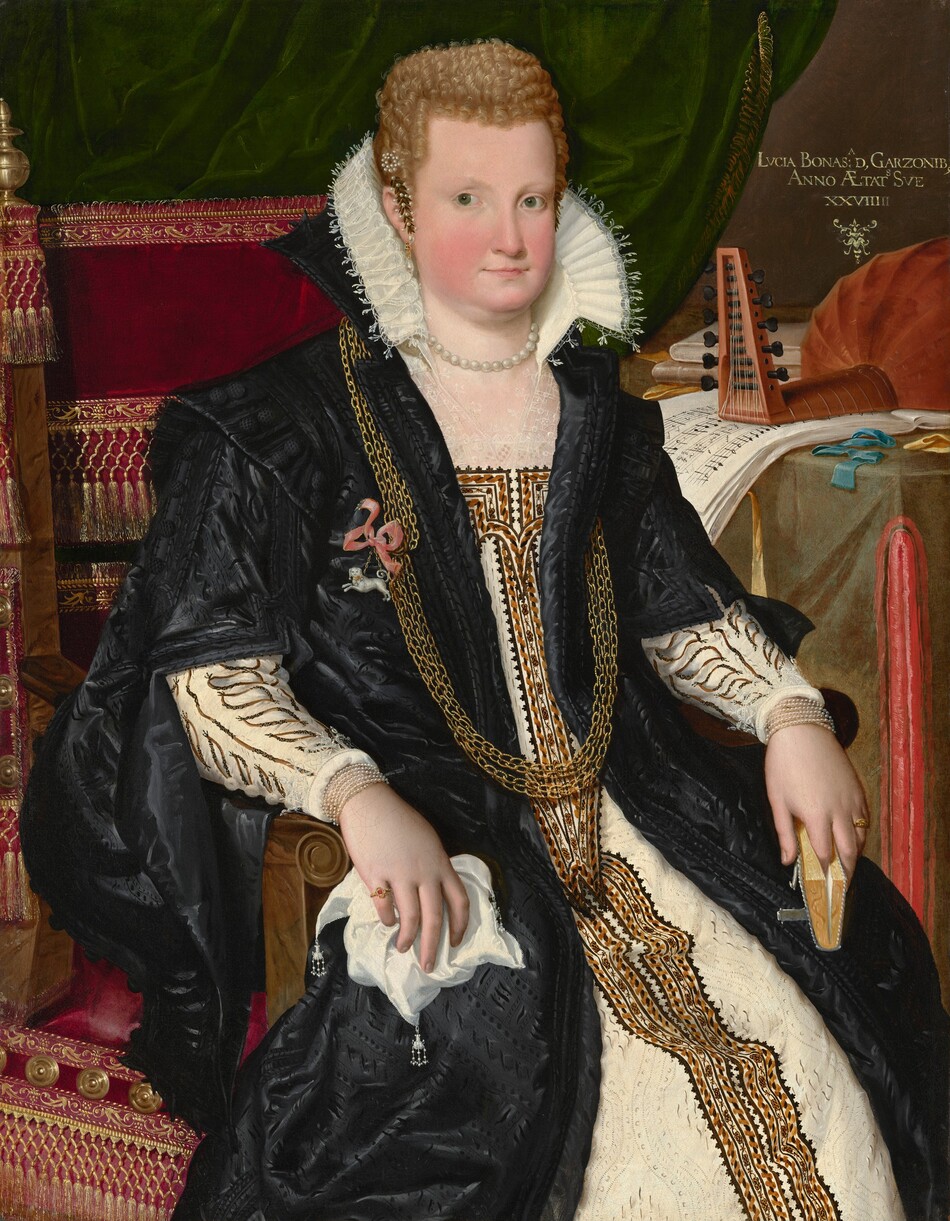
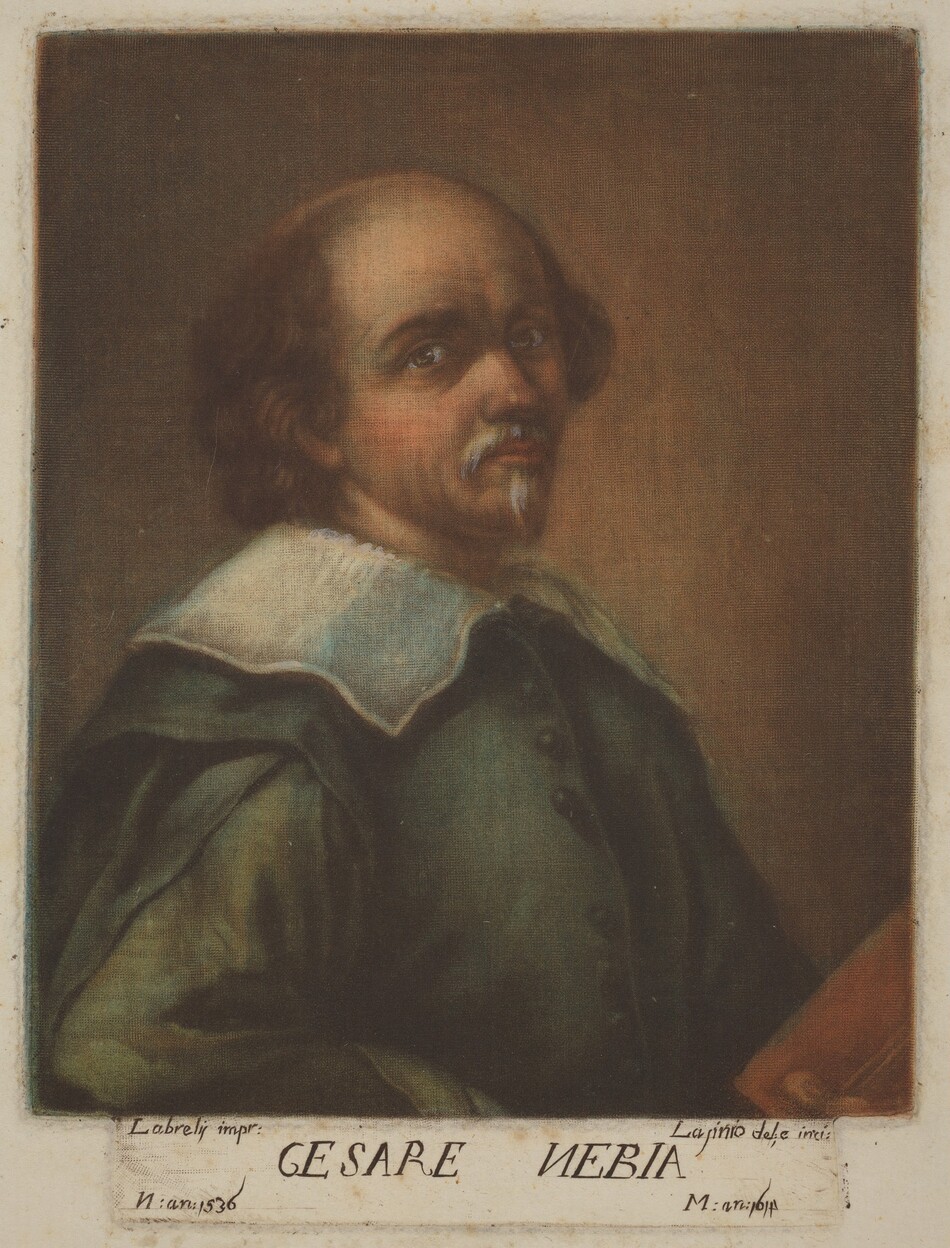
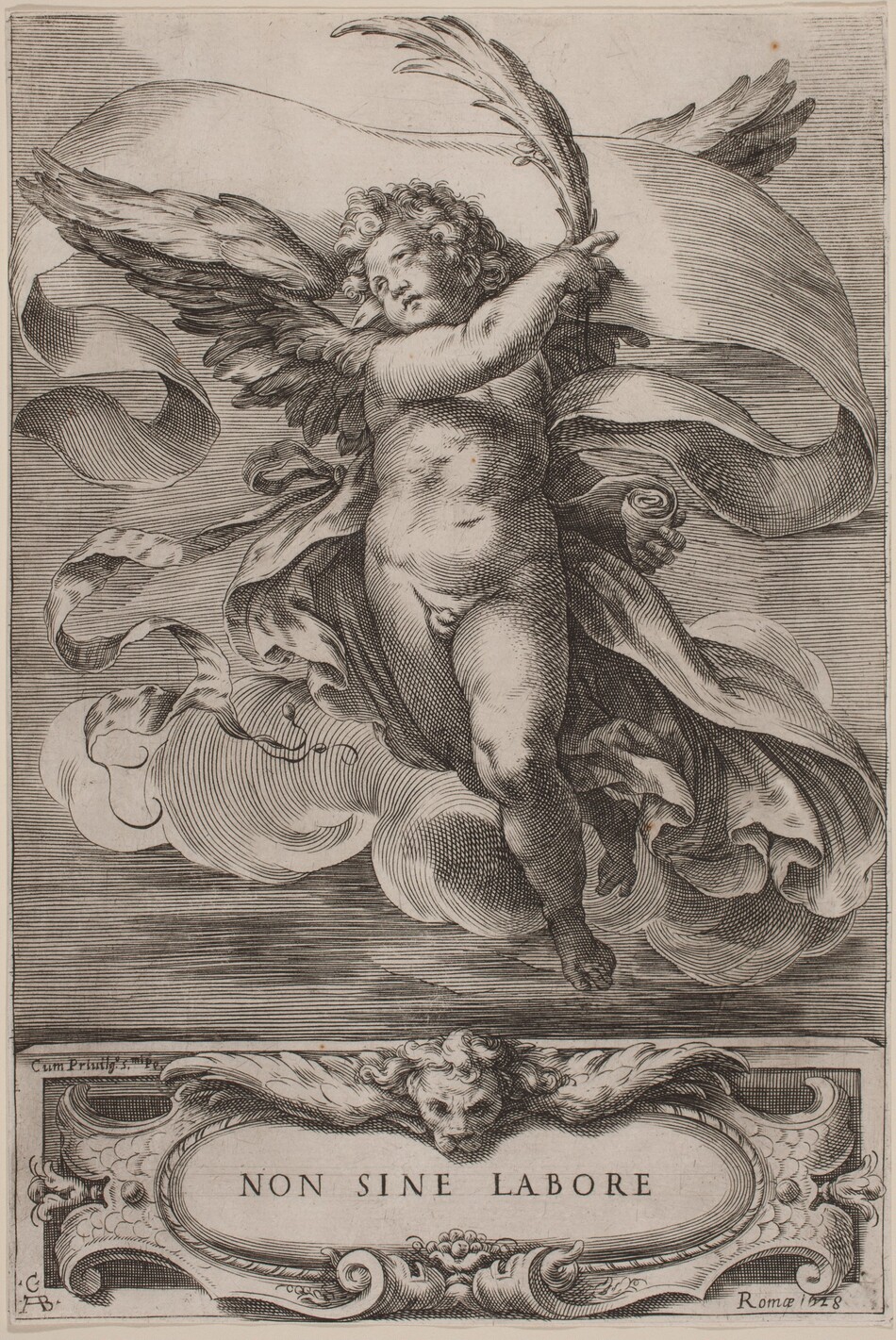
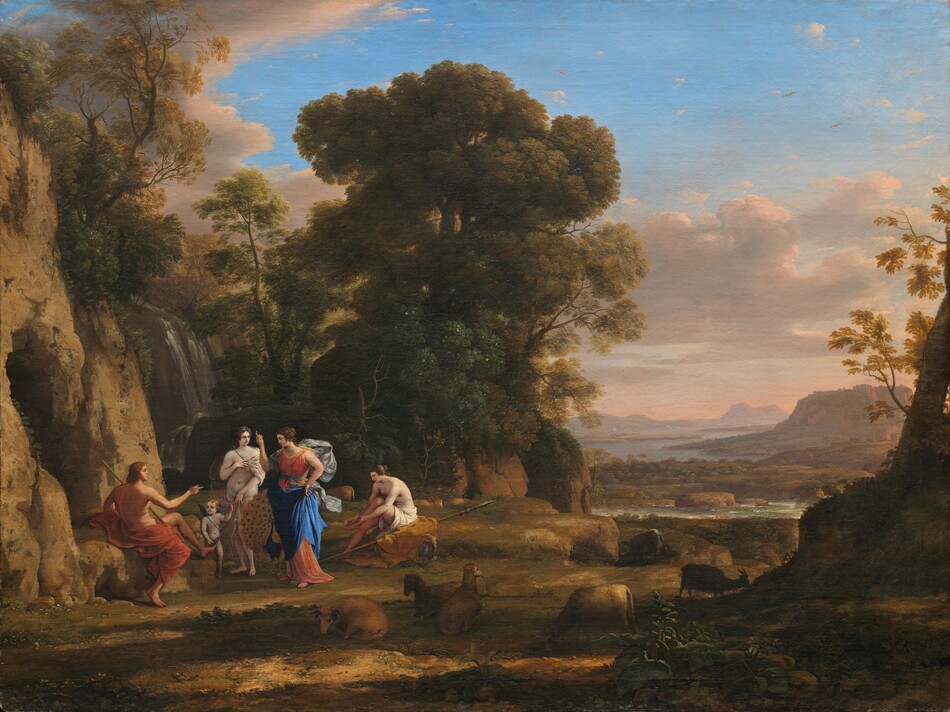
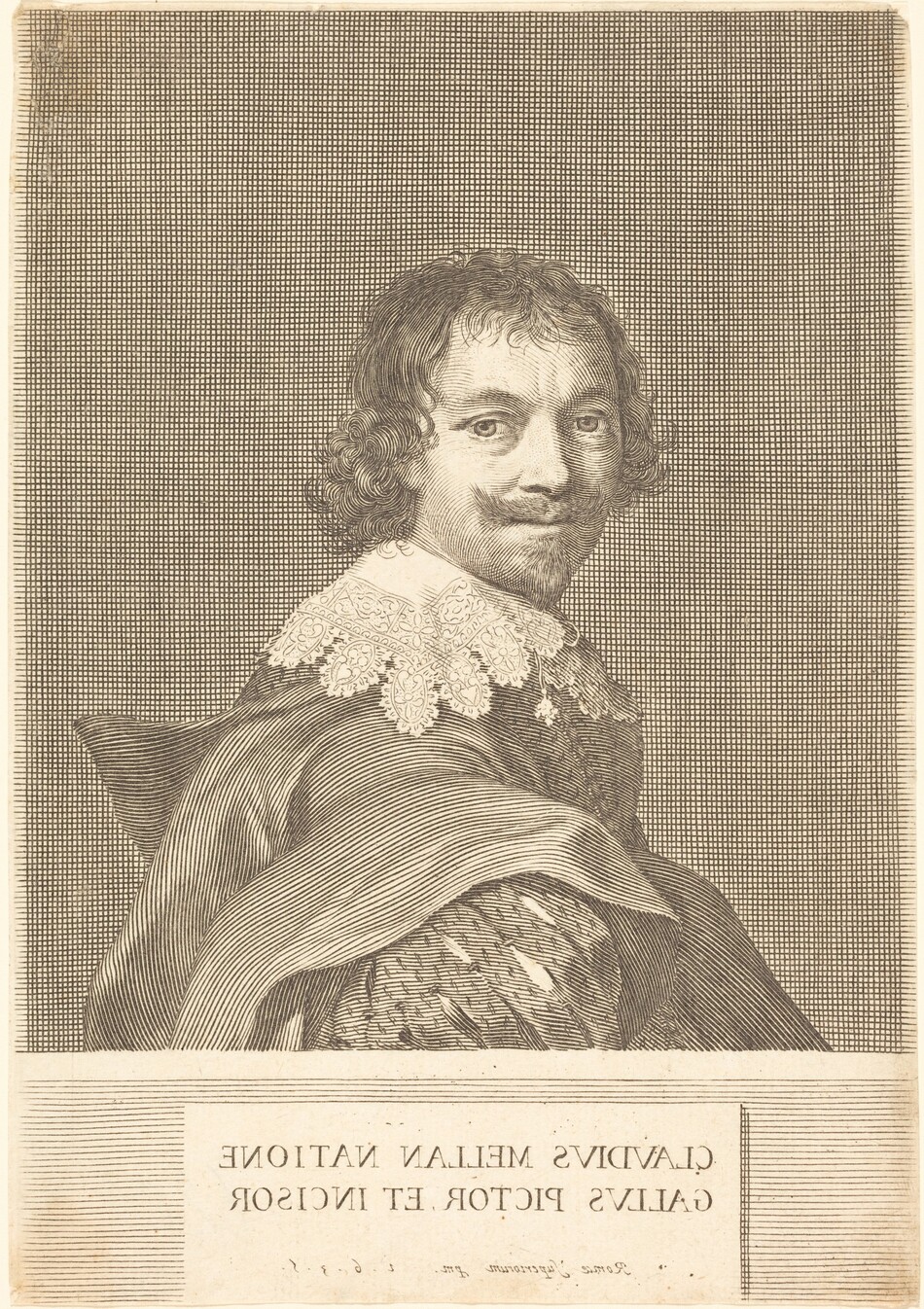
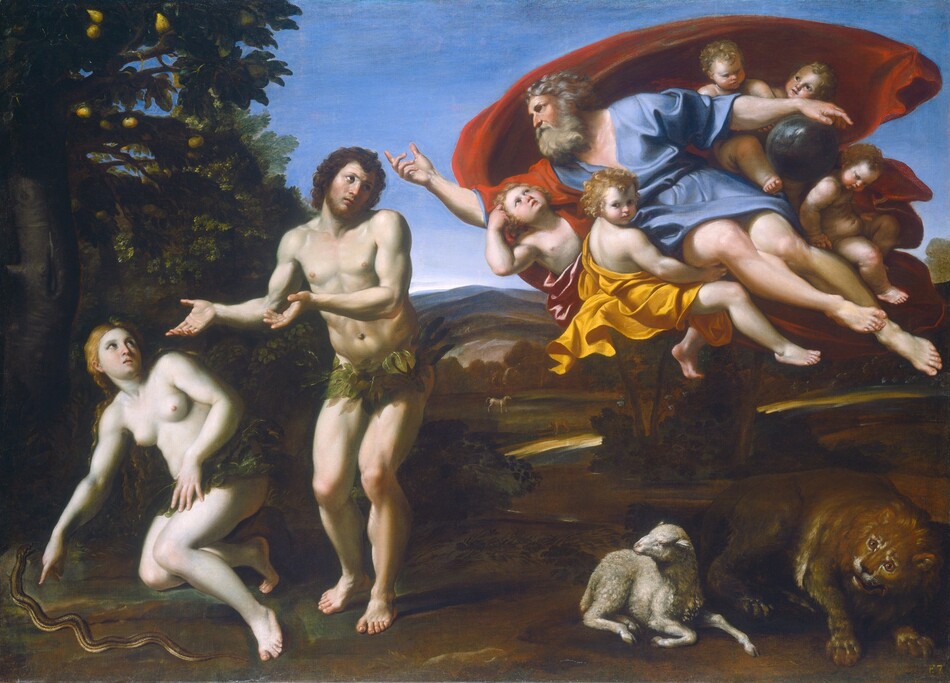
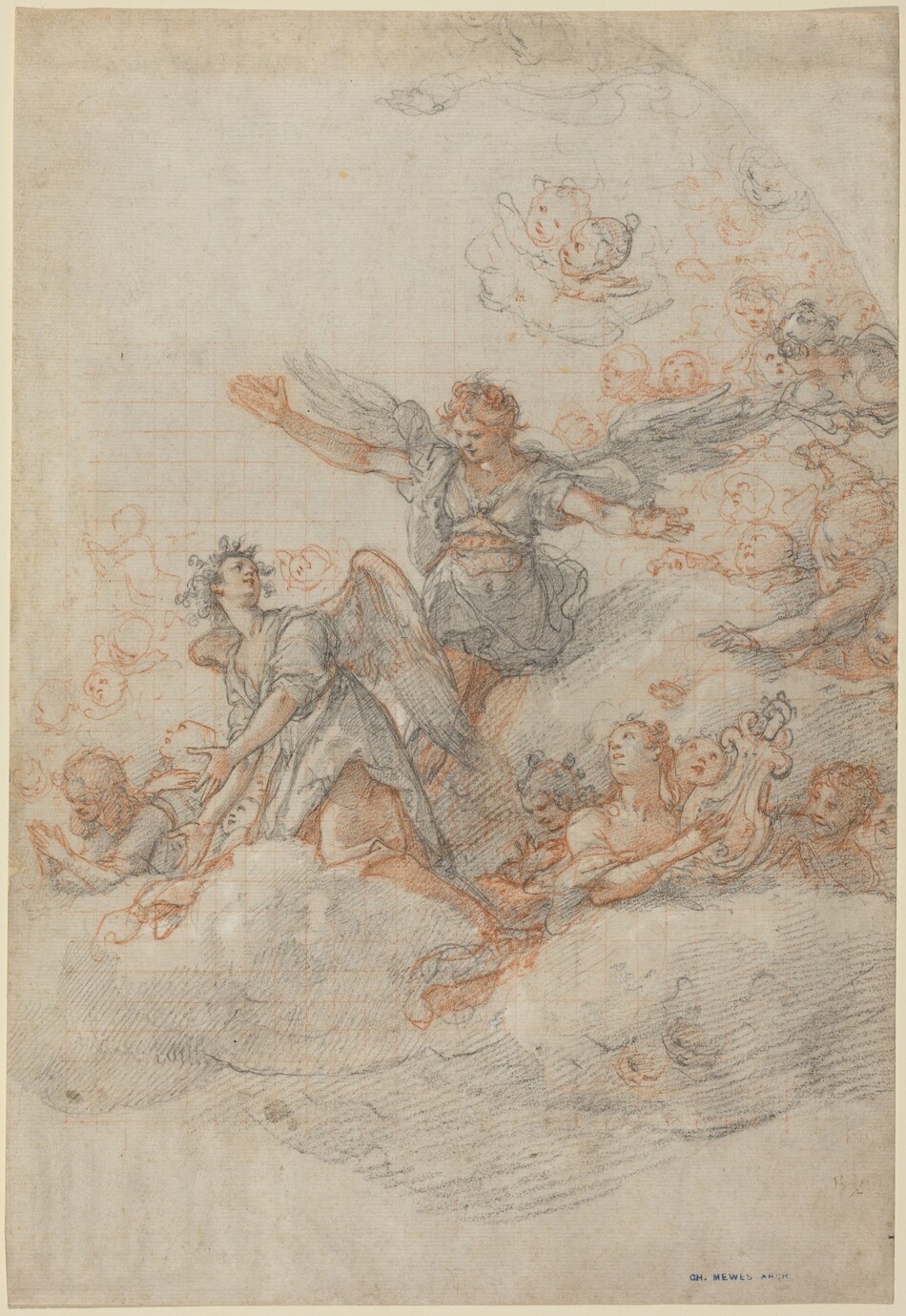
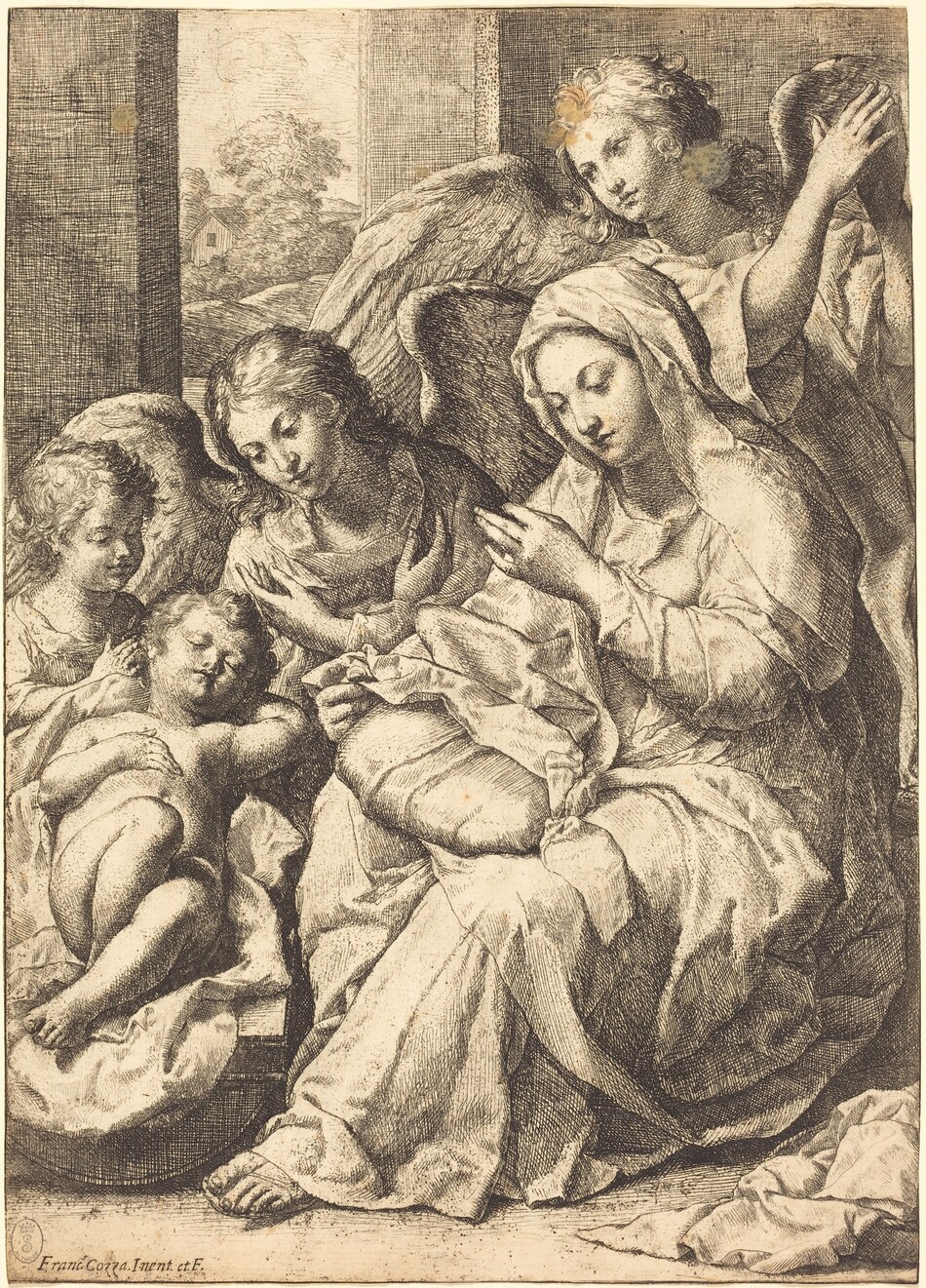
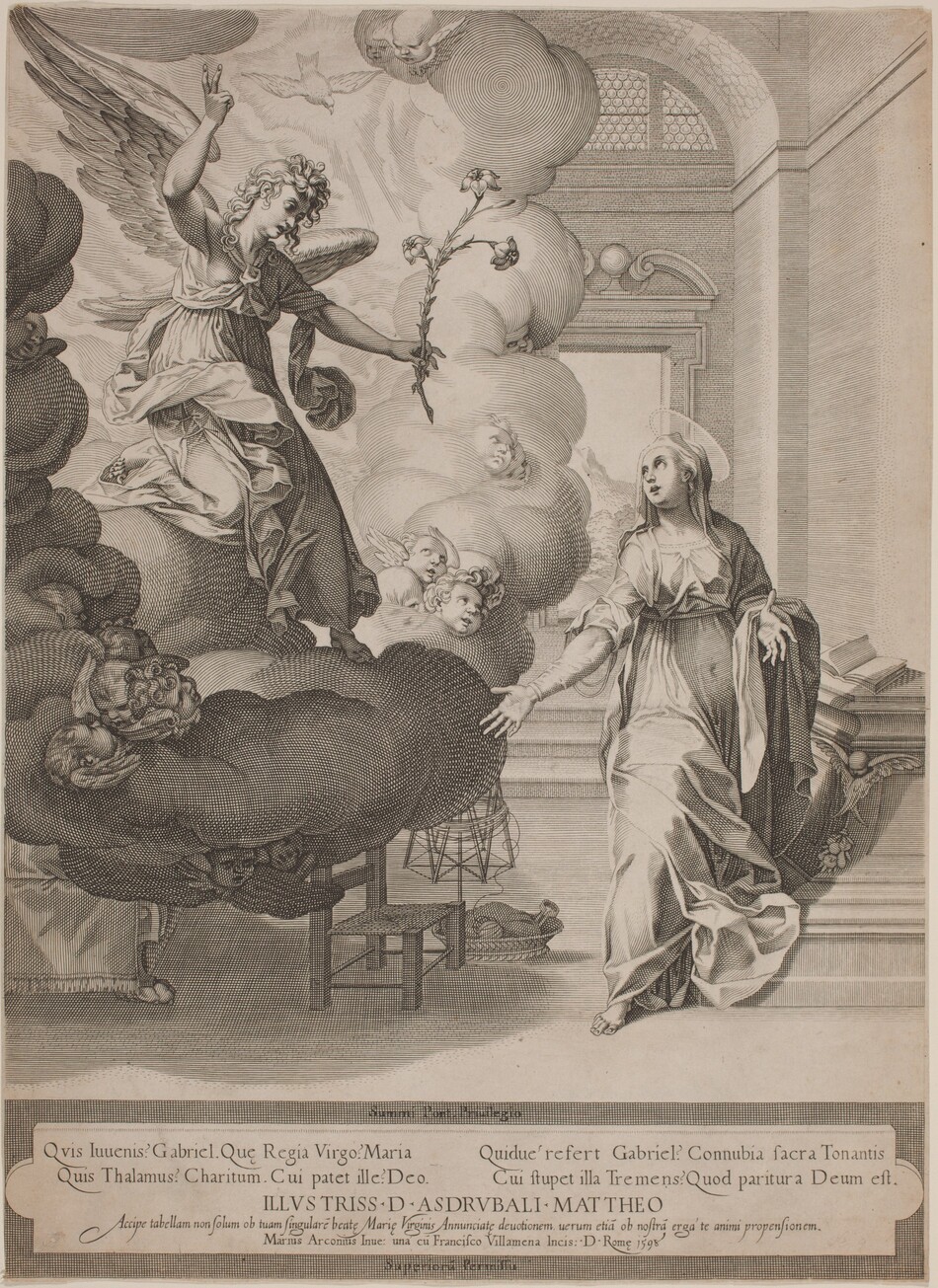
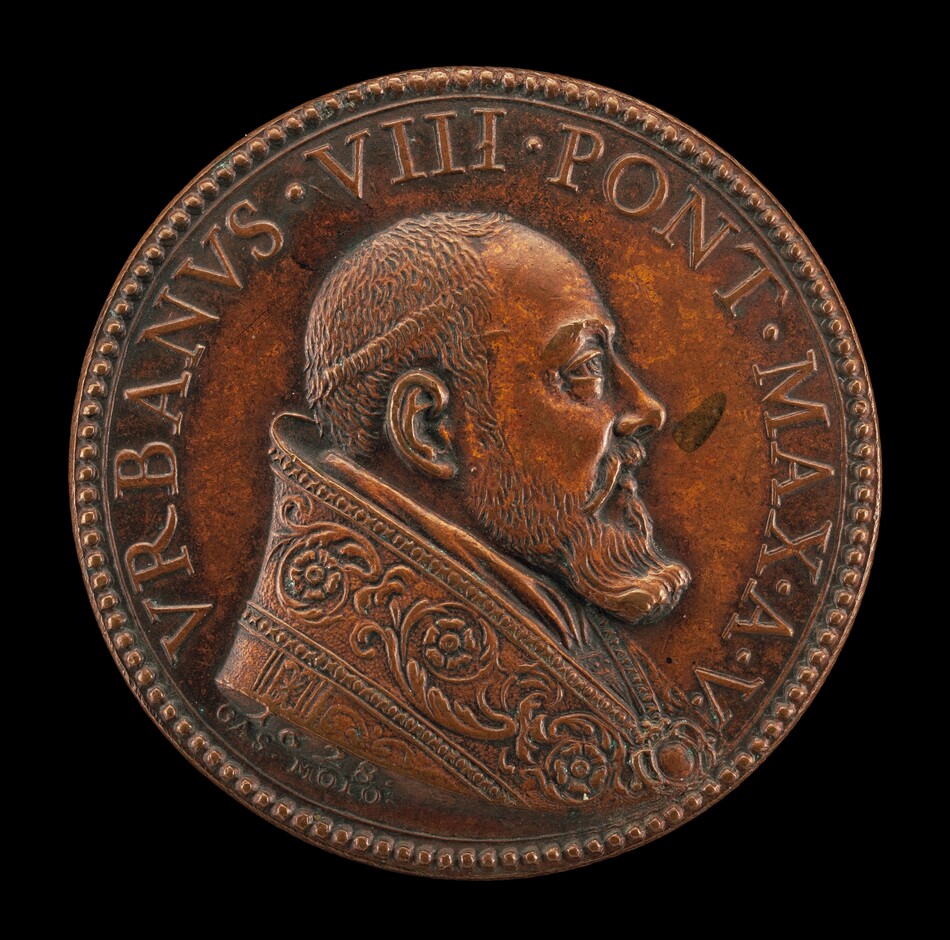
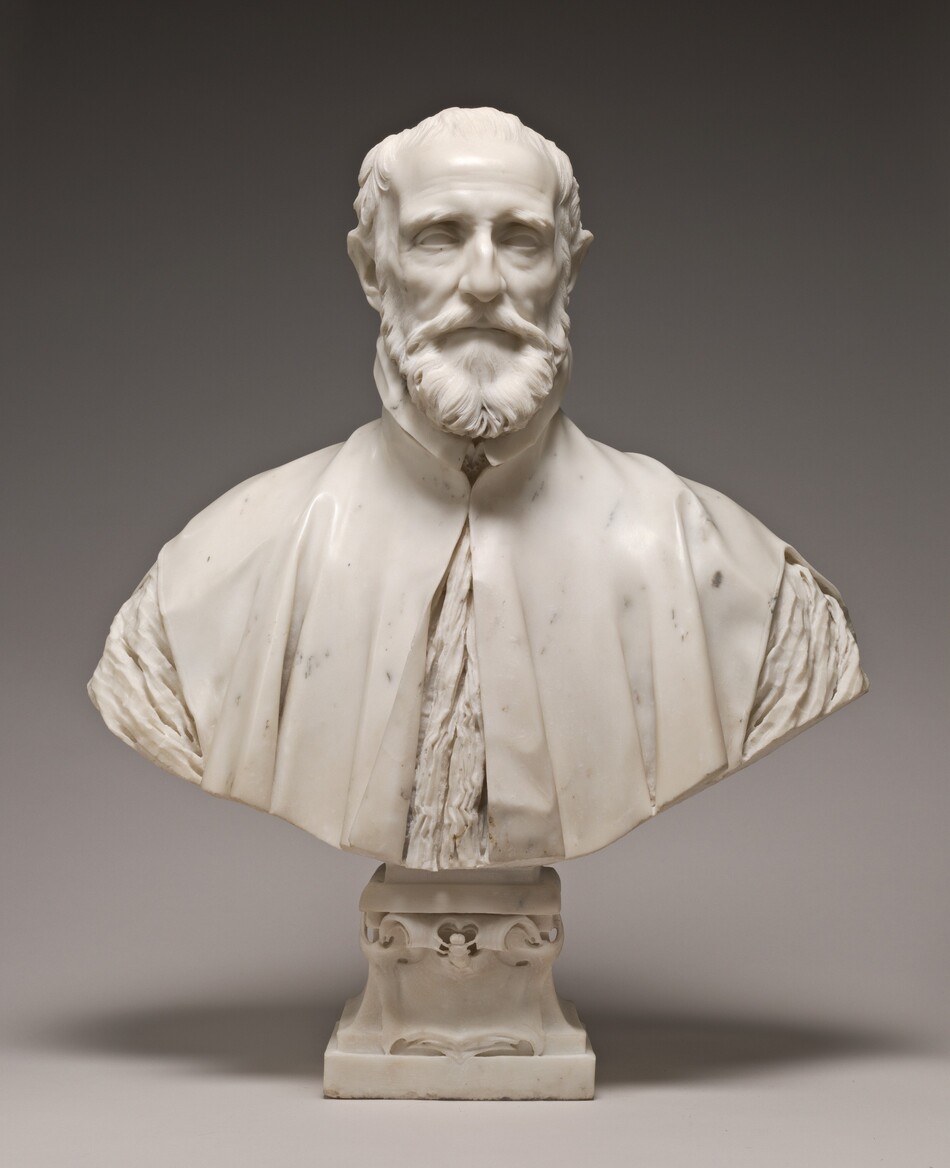
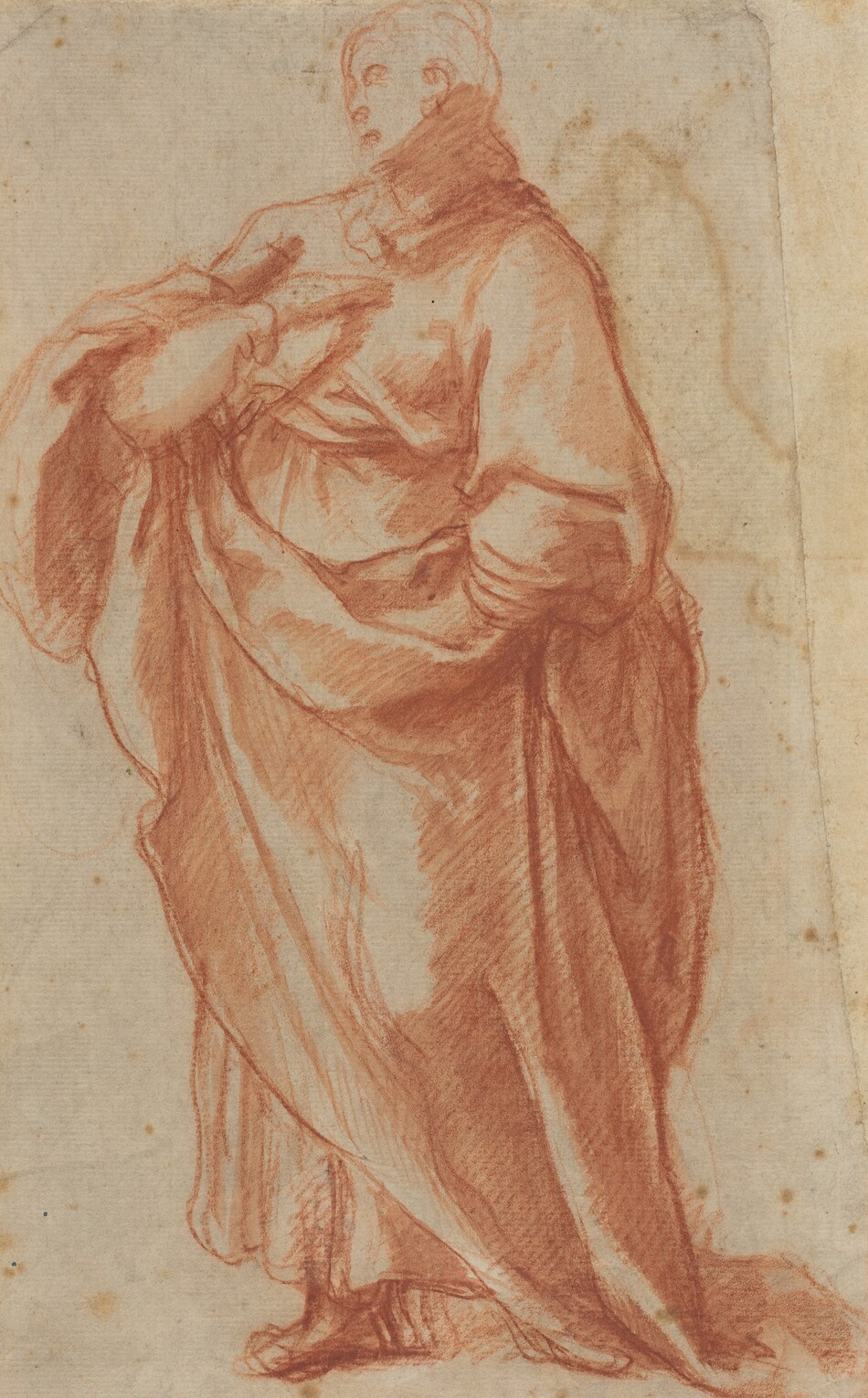
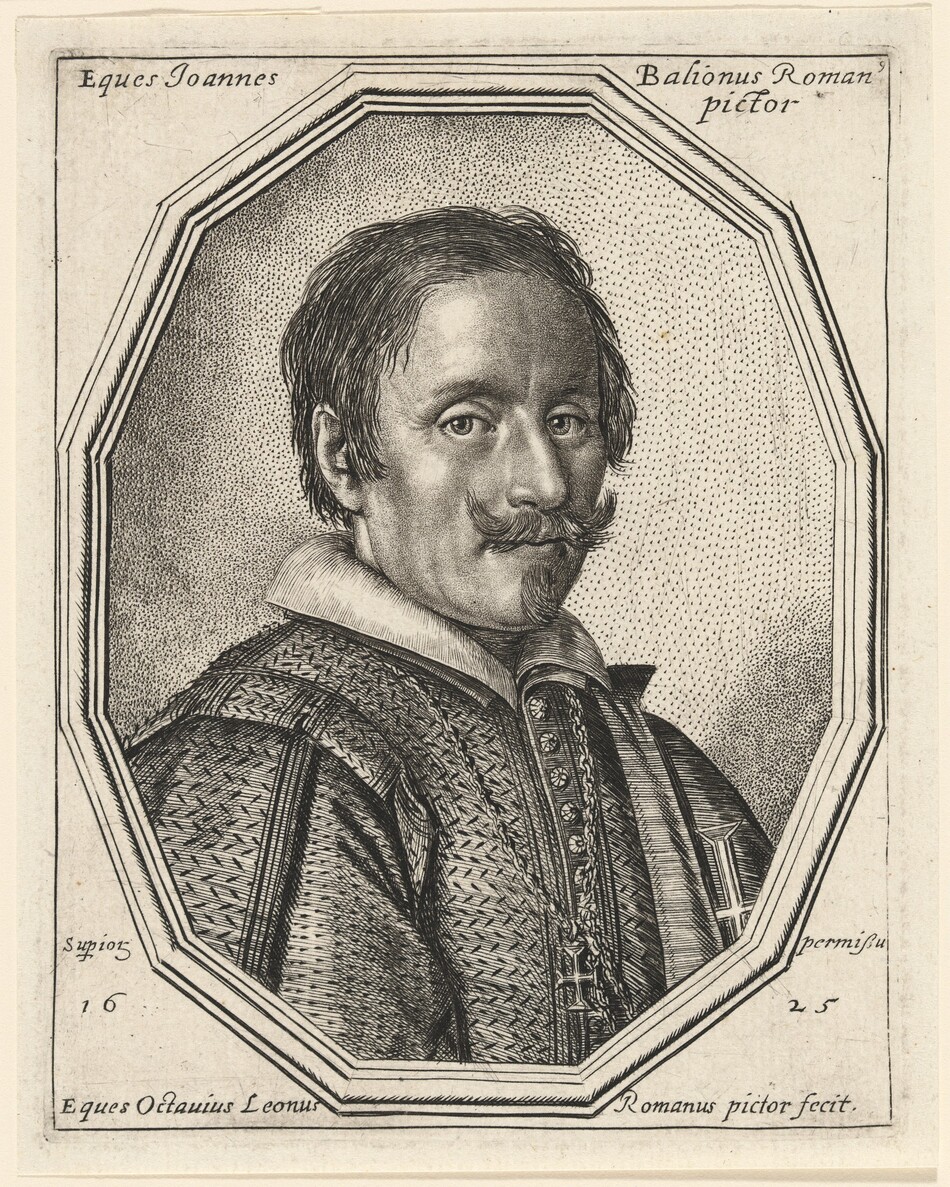
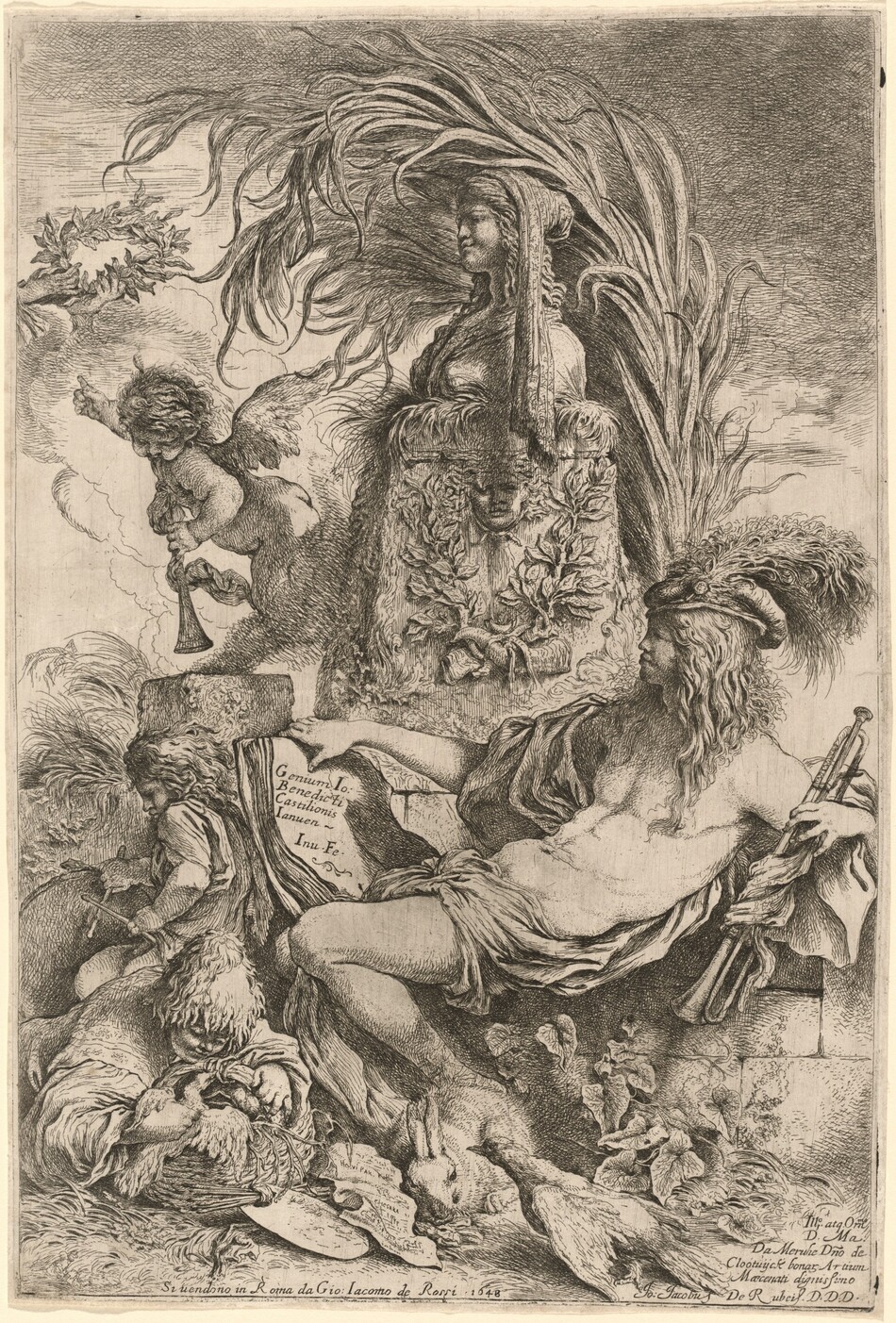
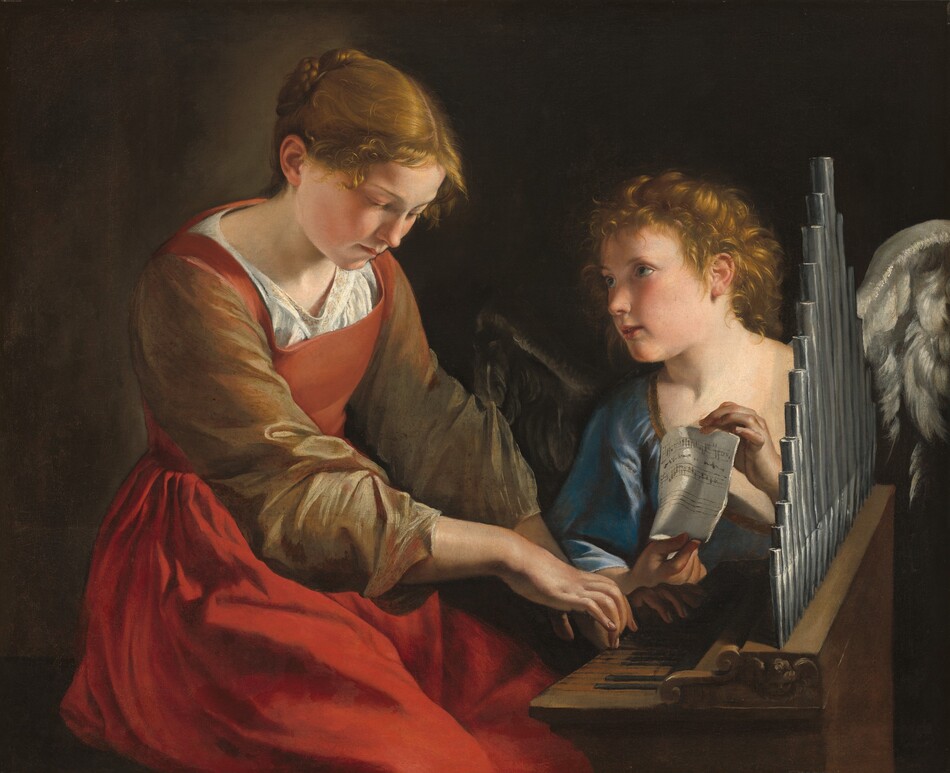
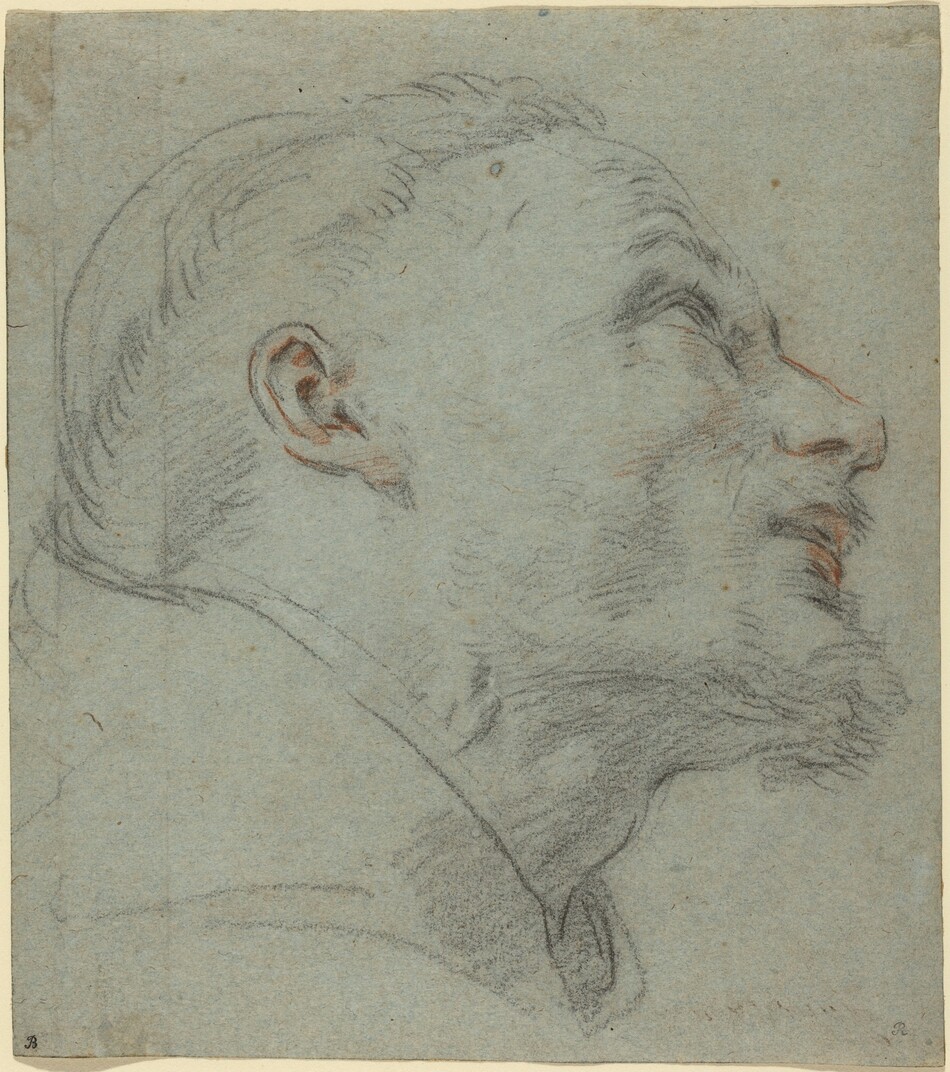
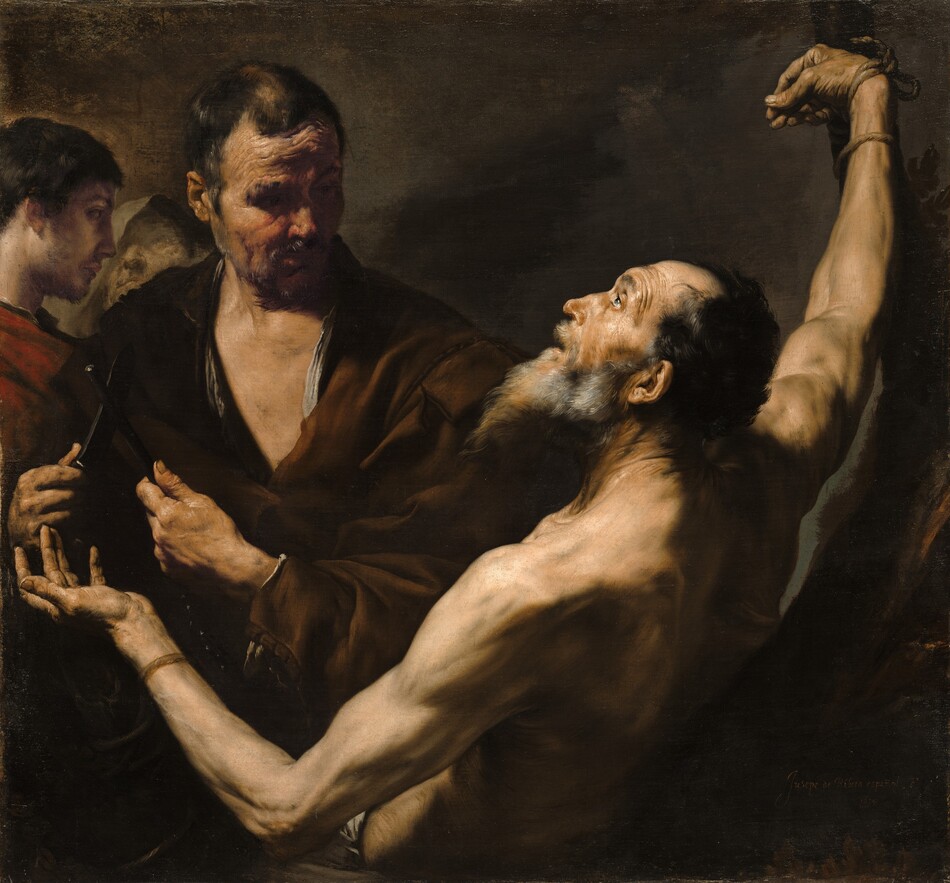
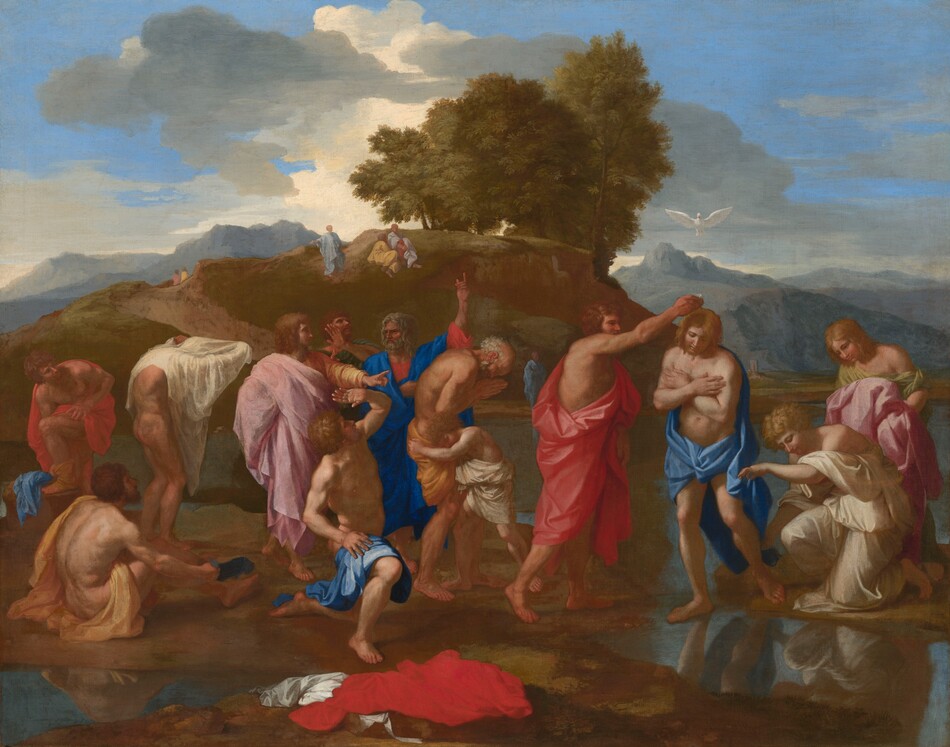
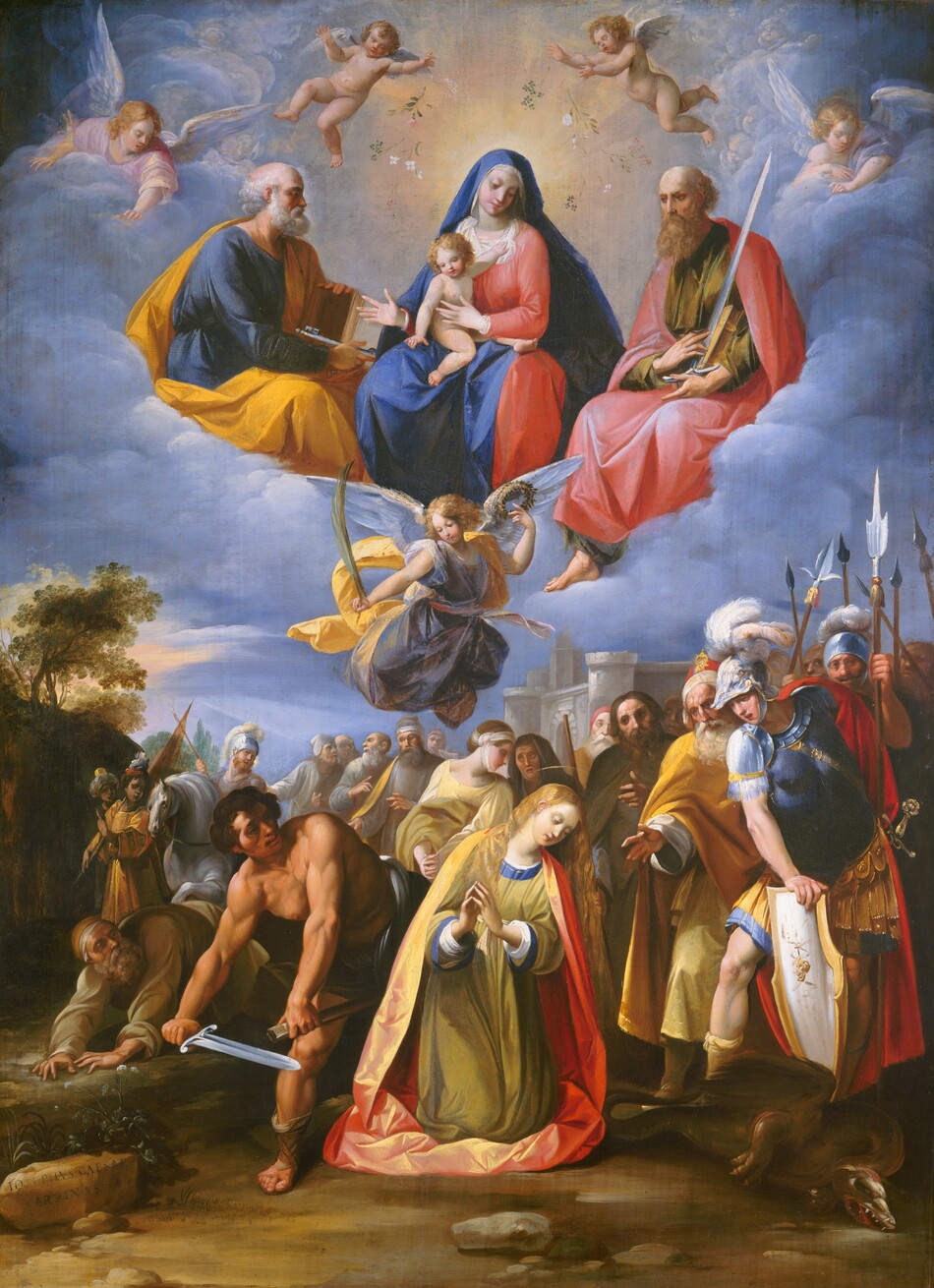
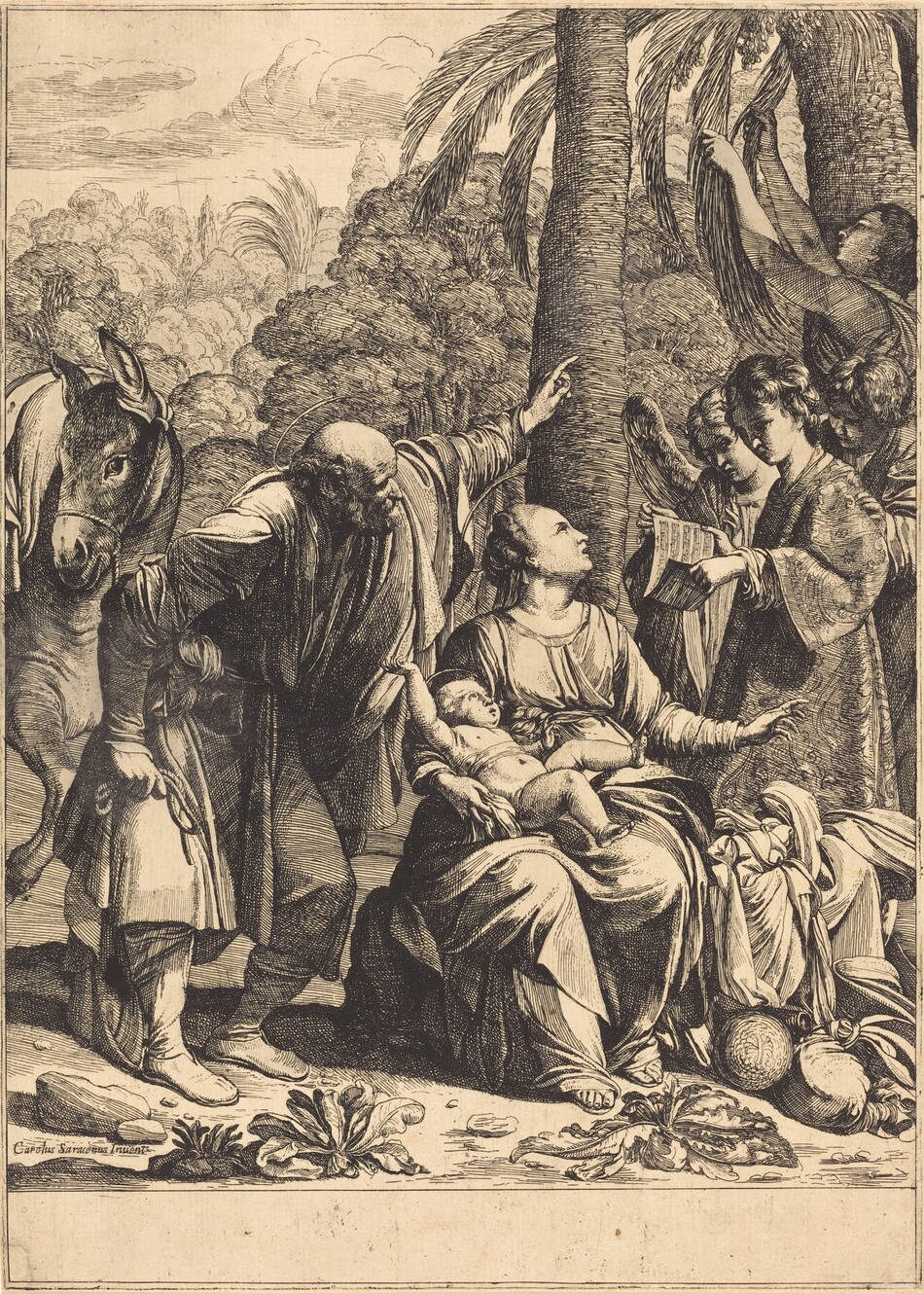
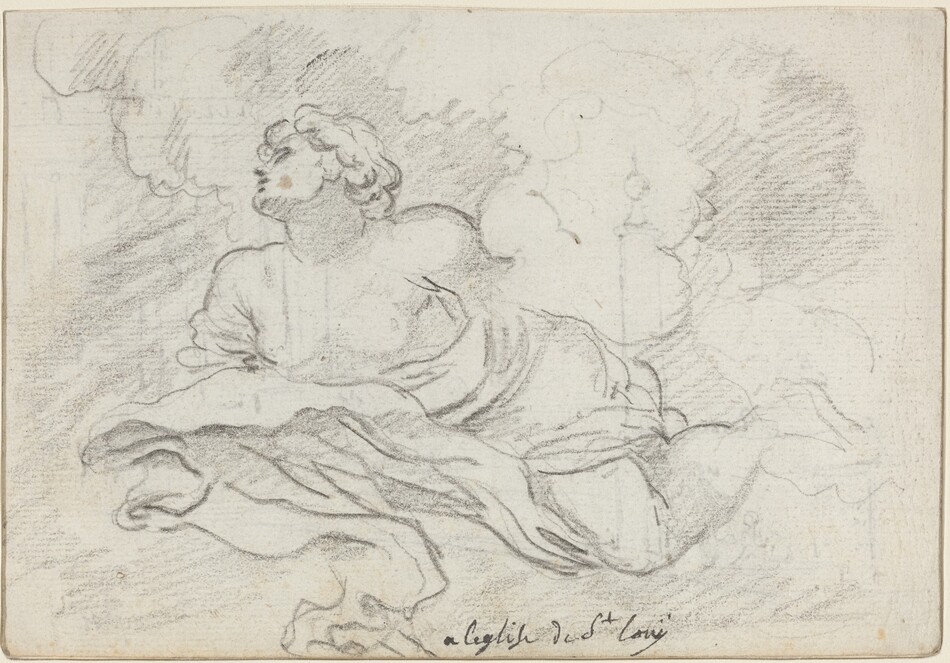
Many of the artists who were associated with the Accademia di San Luca from 1590 through the 1600s are represented by works of art in our collection.