


Upcoming Exhibition
Tinker Tinker
Details
-
Locations
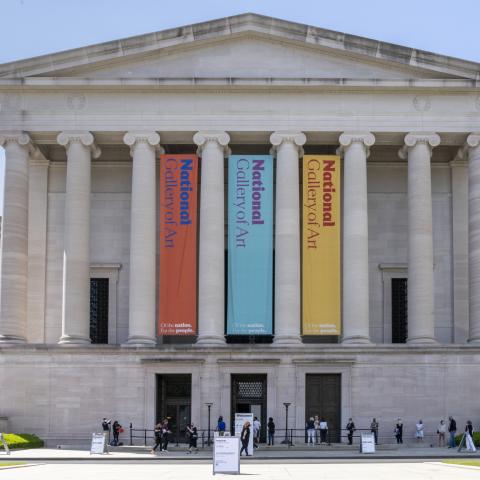 West Building
West Building, Ground Floor, Gallery G23
Get an intimate look at how artists like Pablo Picasso, Mary Cassatt, and Rembrandt experimented, revised, and problem-solved through printmaking.
Printmaking is dynamic and iterative by nature. The process invites artists to test an idea again and again—and to record their choices made along the way.
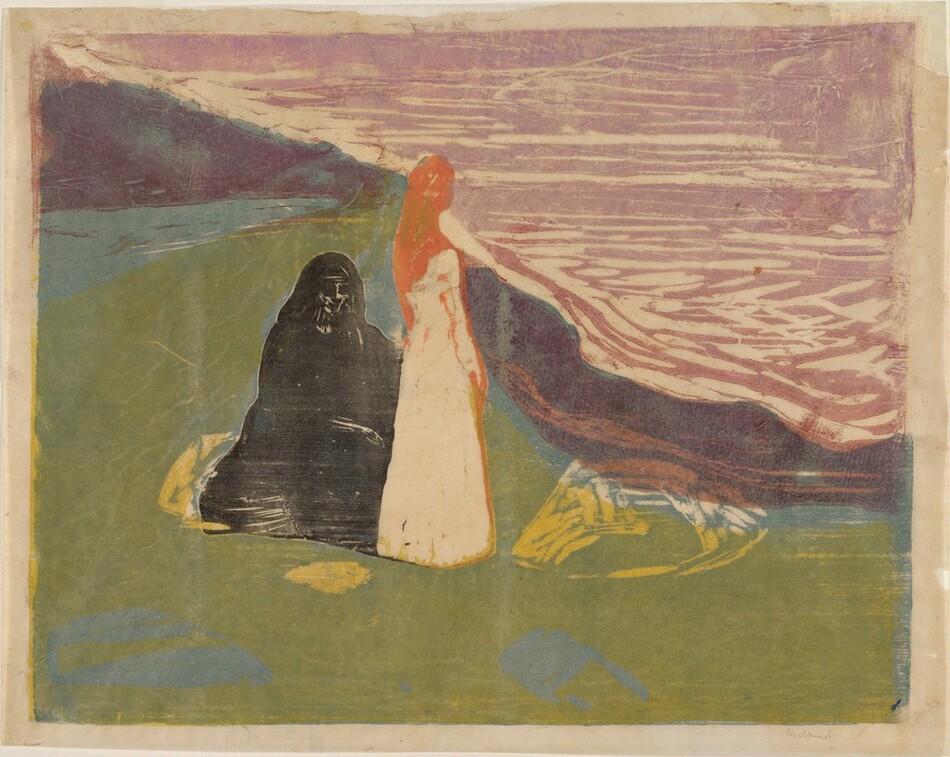
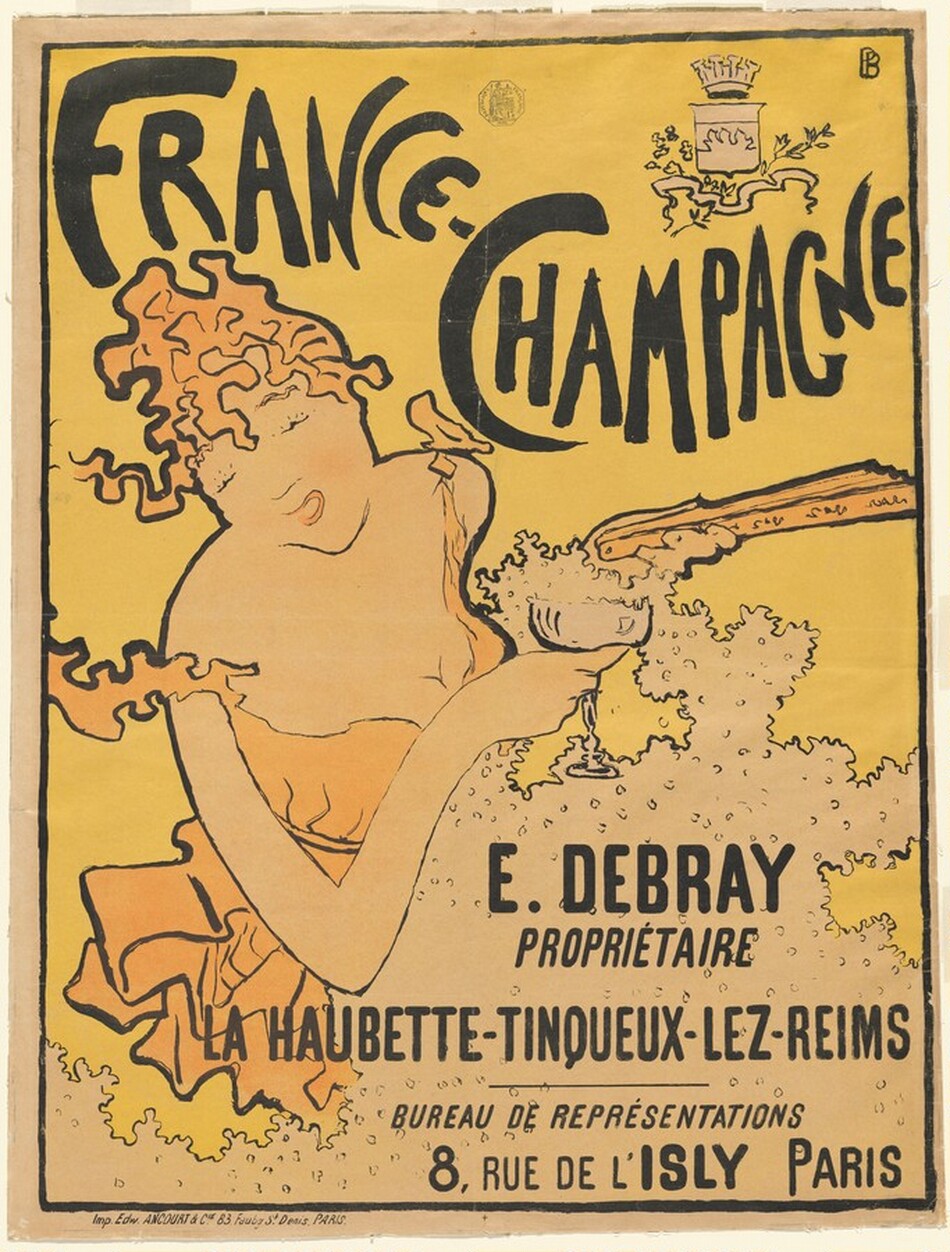
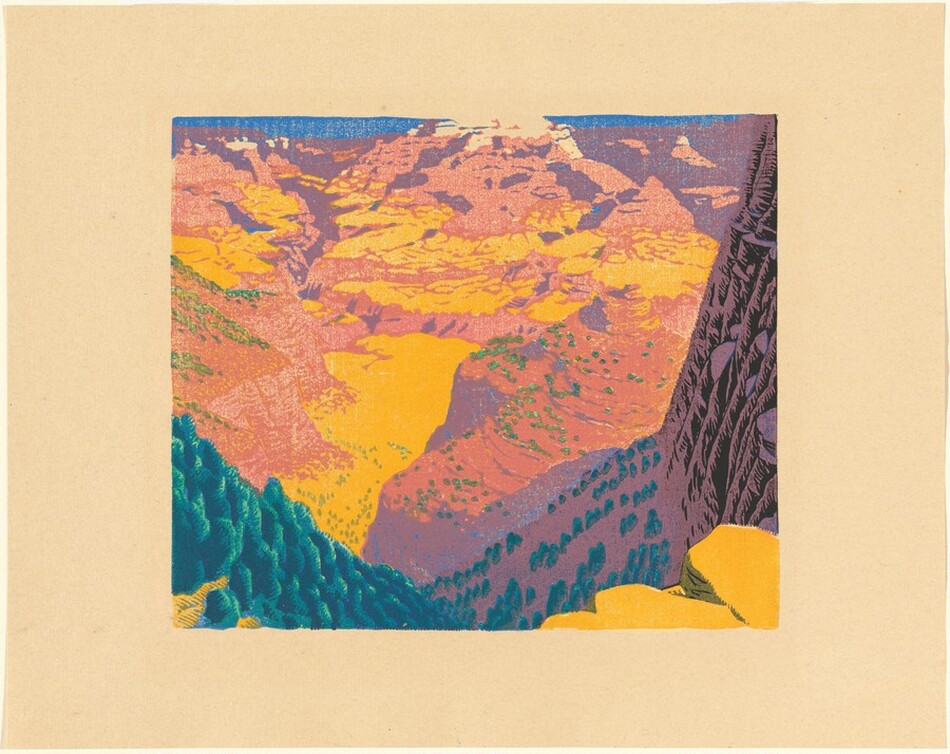
Tinker Tinker brings together more than 120 prints from the past 500 years, drawn from the National Gallery’s deep and varied collection. Through striking side-by-side comparisons, including rarely seen proofs, you’ll discover the creative thinking behind these original works of art in print form.
You’ll leave with a new appreciation for how centuries-old printmaking techniques continue to inspire artists today.
Selected works



Organization
Organized by the National Gallery of Art, Washington
Curated by Rena M. Hoisington, curator and head of old master prints
Sponsor
Leadership support for the exhibition has been generously provided by the Eugene V. and Clare E. Thaw Charitable Trust

