


The Center
The Center for Advanced Study in the Visual Arts is the National Gallery’s research institute. We foster the study of the production, use, and cultural meaning of art, artifacts, architecture, urbanism, photography, and film from all places and periods.
What’s happening



Fellowships
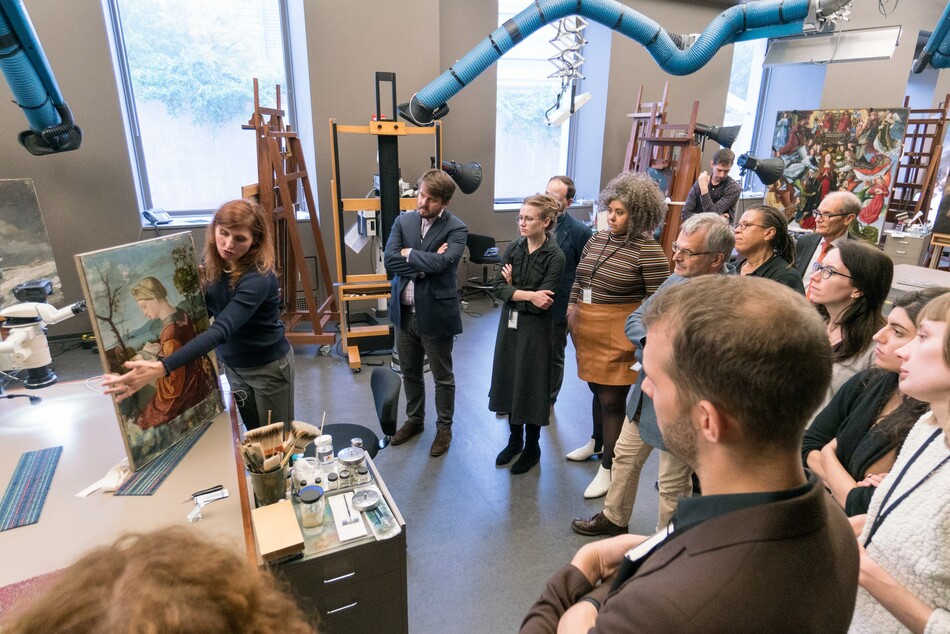
Fellows are at the heart of our residential community, joining appointed professors, postdoctoral research associates, undergraduate interns, and staff to create a thriving group of approximately 50 people.
Join us as a fellow
Learn about our fellowships across various career levels, from predoctoral students to senior professionals.

Current Fellows
See our current community of international scholars, comprised of approximately 20 fellows in residence at any given time.
Former Fellows
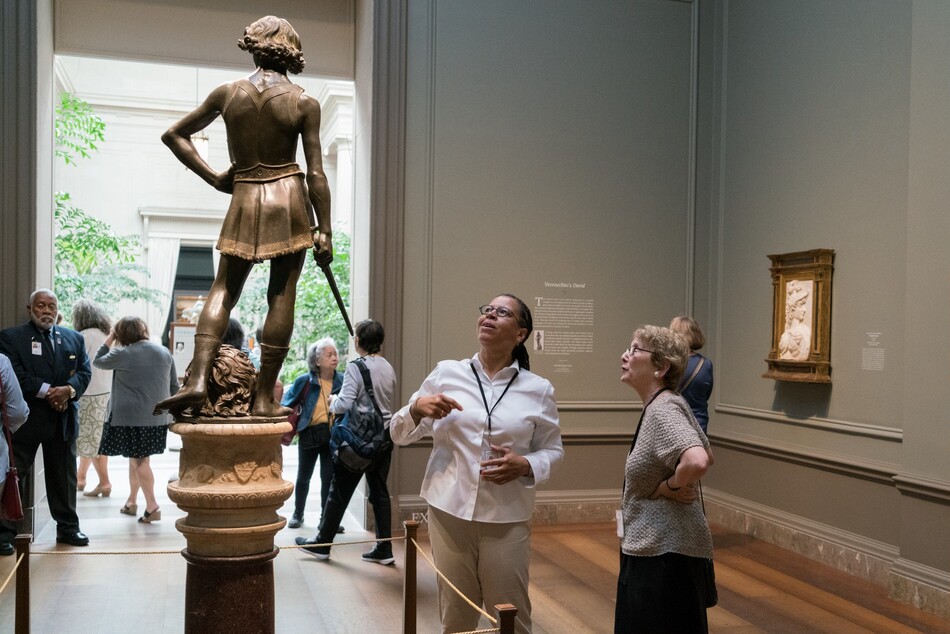
We have over 1,200 alumni across the world. Explore our former fellows and read reports on their research.
Annual Reports
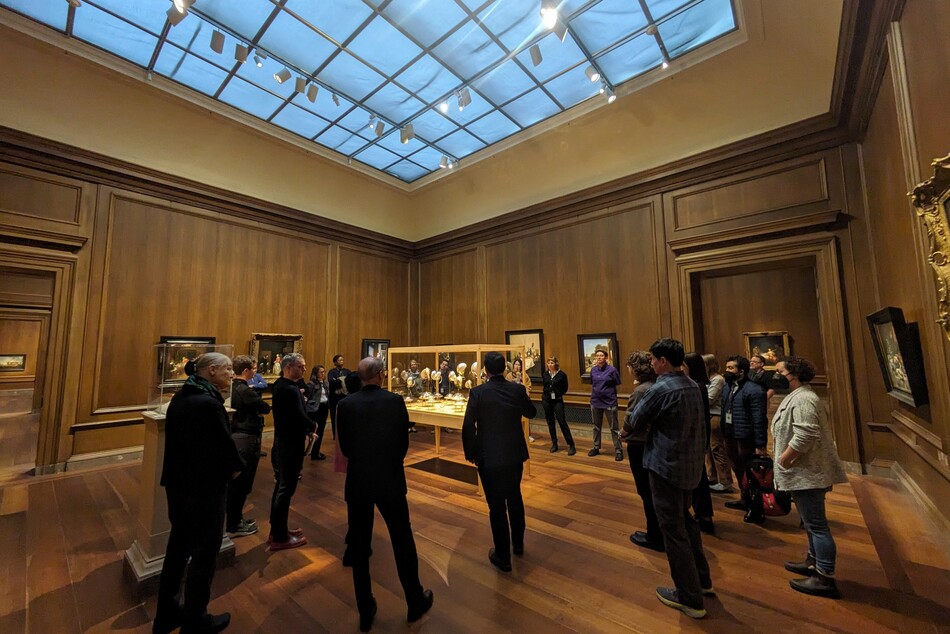
Our annual report records the activities and research conducted at the Center during each academic year.
Programs
The Center organizes scholarly meetings that embrace multiple ways of engaging in art’s histories, encompassing all media, time periods, and geographies.

About Center Programs
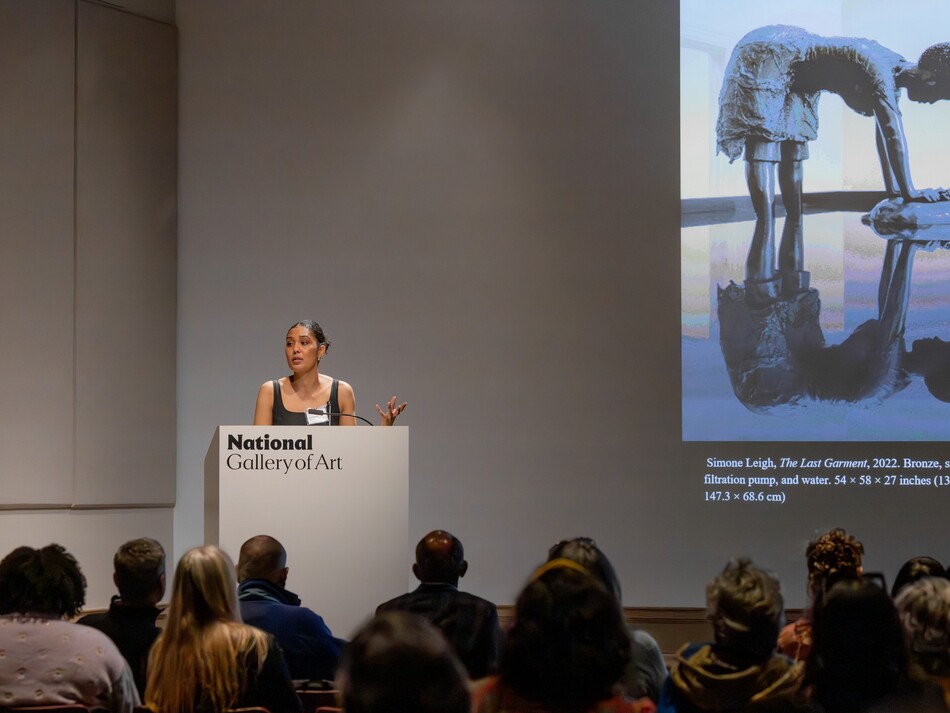
From lectures and panels to book discussions, our programs are held primarily at the National Gallery of Art.
A. W. Mellon Lectures in the Fine Arts
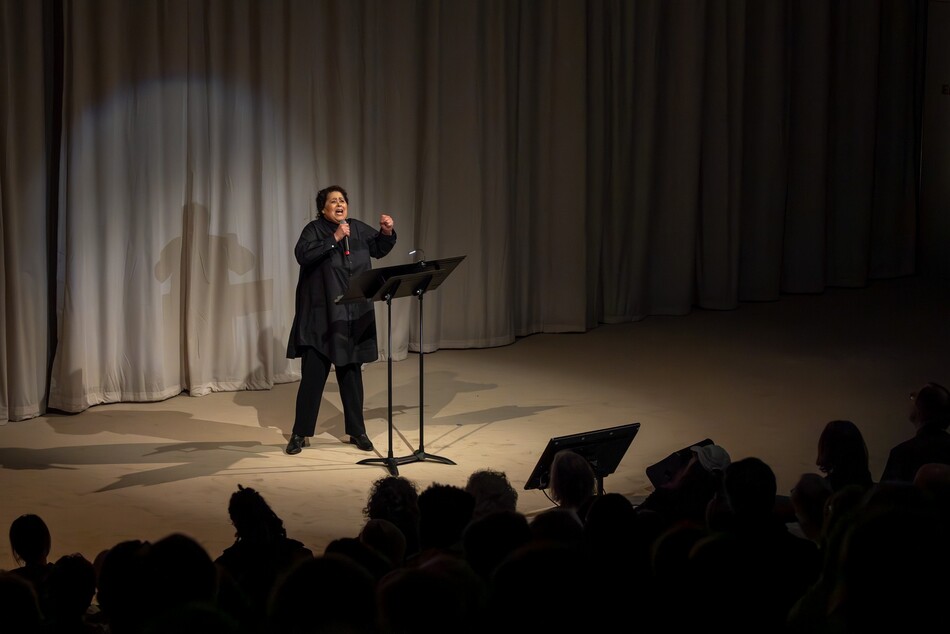
Inaugurated in 1949, the Mellon Lectures is the longest-running lecture series at the National Gallery of Art and is organized by the Center.
Program Recordings
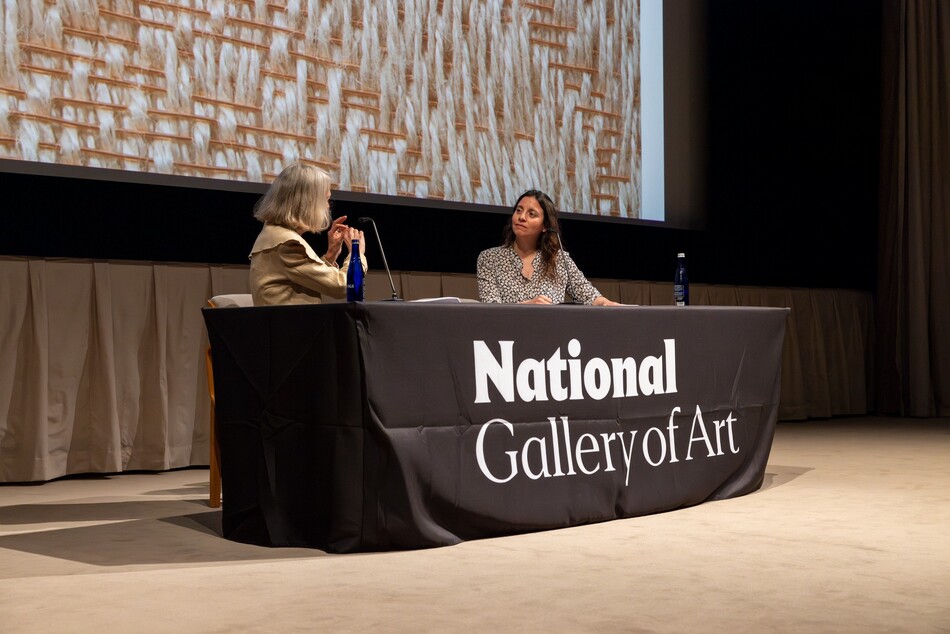
Watch recordings of Center programs, including annual lecture series and symposia inspired by National Gallery exhibitions.
Publications
Our publications seek to deepen our knowledge of the artistic past, present, and future, transforming our understanding of art’s role in the world.
Upcoming and recent volumes

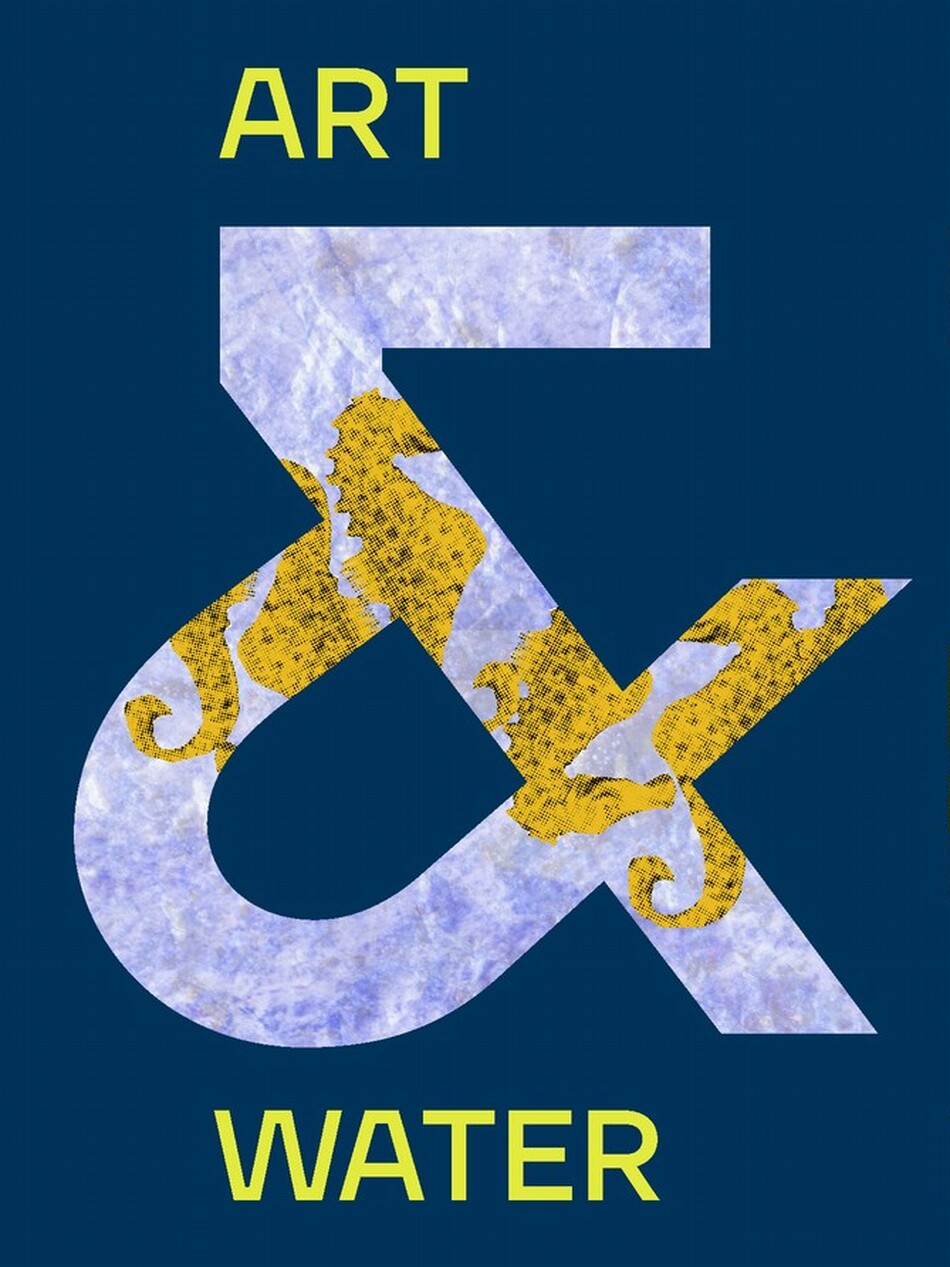
Publication: Art & Water
Essays, personal meditations, and images that explore water in all its renewing, destructive, corrosive, and connecting power.

Publication: Academies of Art in Europe and the Americas, 1600–1900
A 300-year history of influential artist training academies in more than a dozen countries
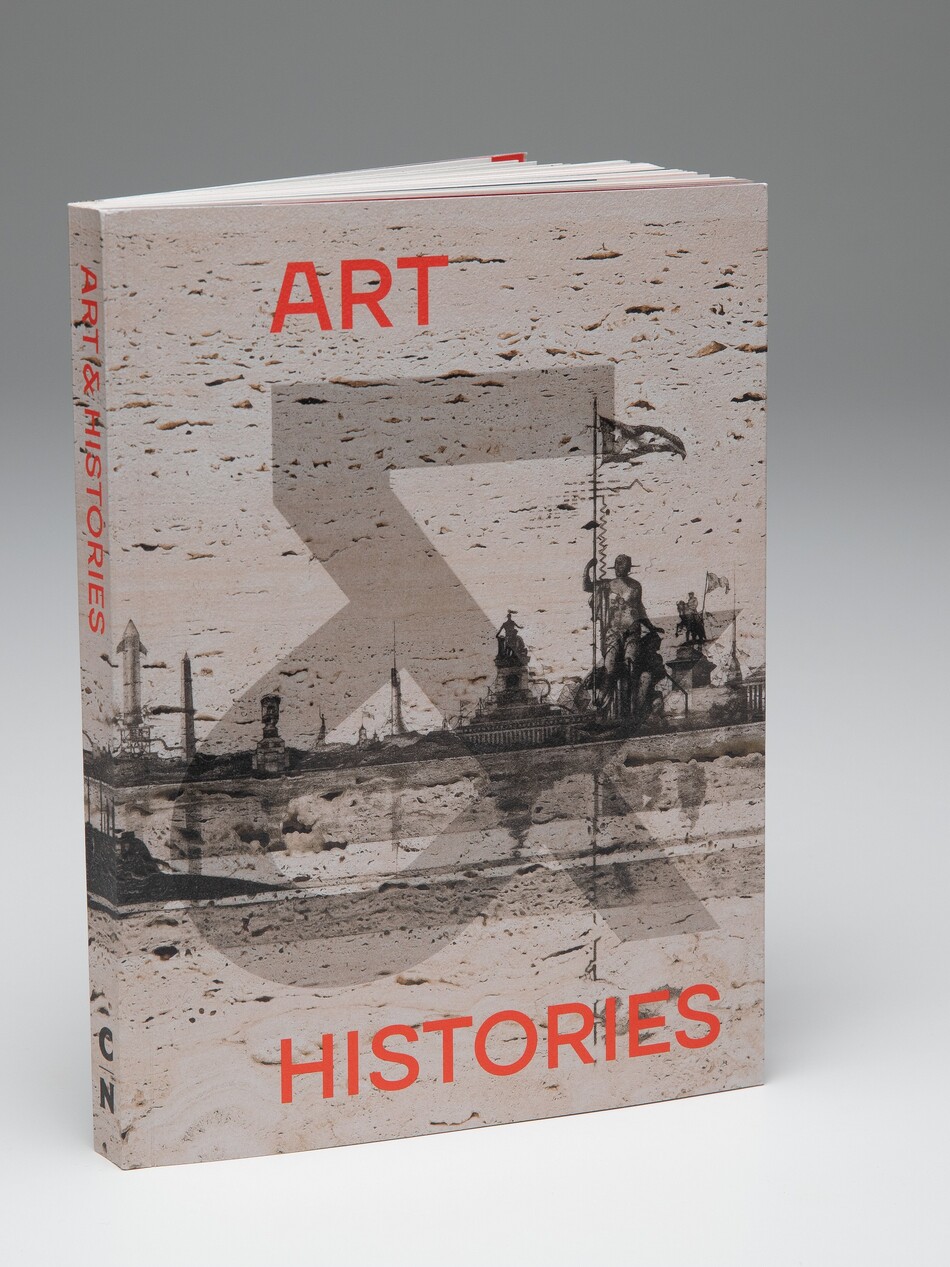
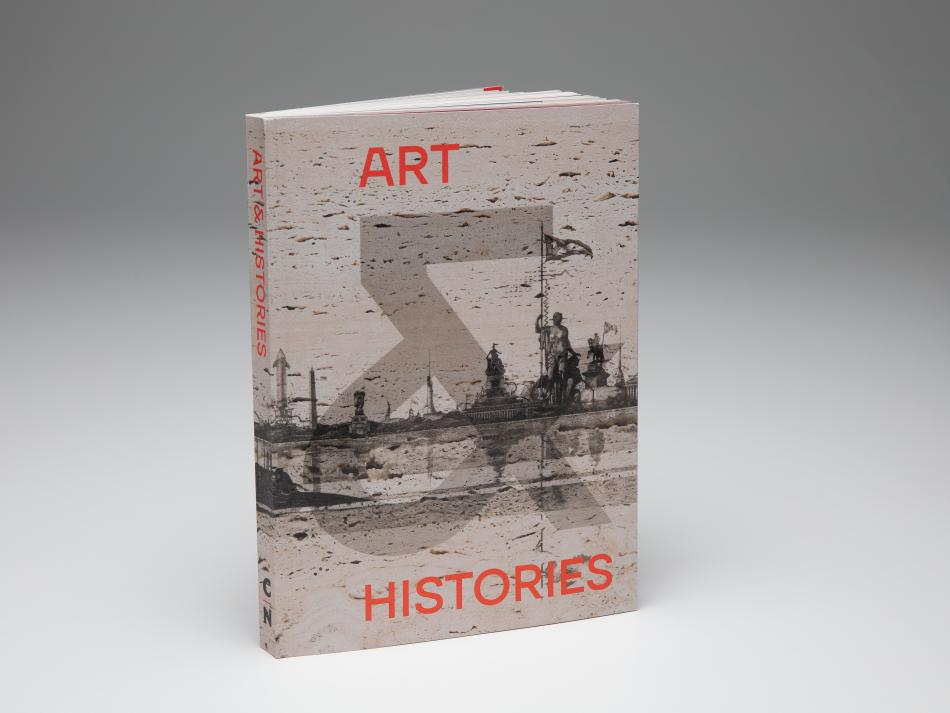
Publication: Art & Histories
The first volume in the new series Art & signals a bold vision for a more dynamic study of art.
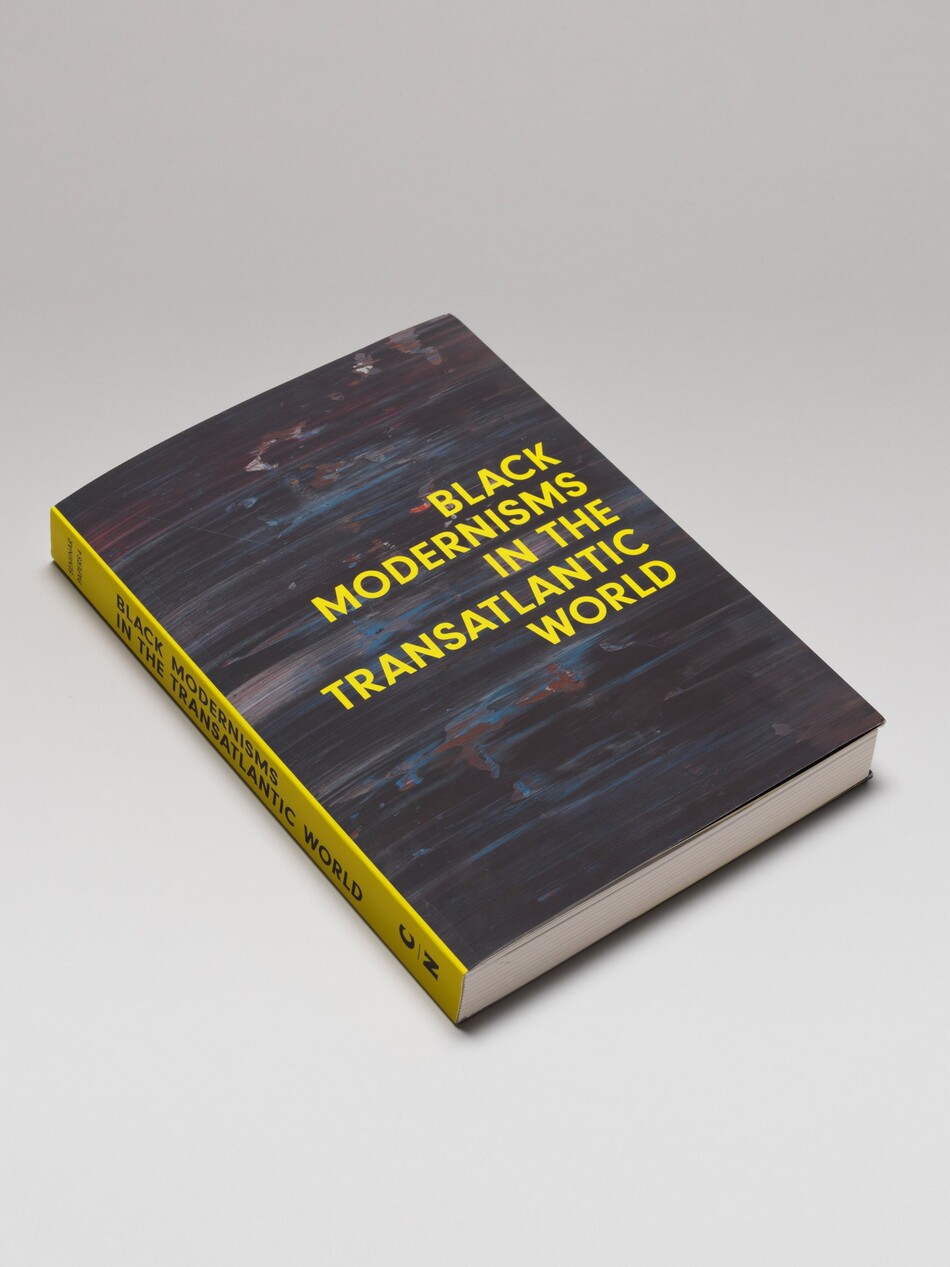
Publication: Black Modernisms in the Transatlantic World
Ten leading scholars broaden our understandings of modernism by centering Black artists and experiences with beautifully illustrated essays.
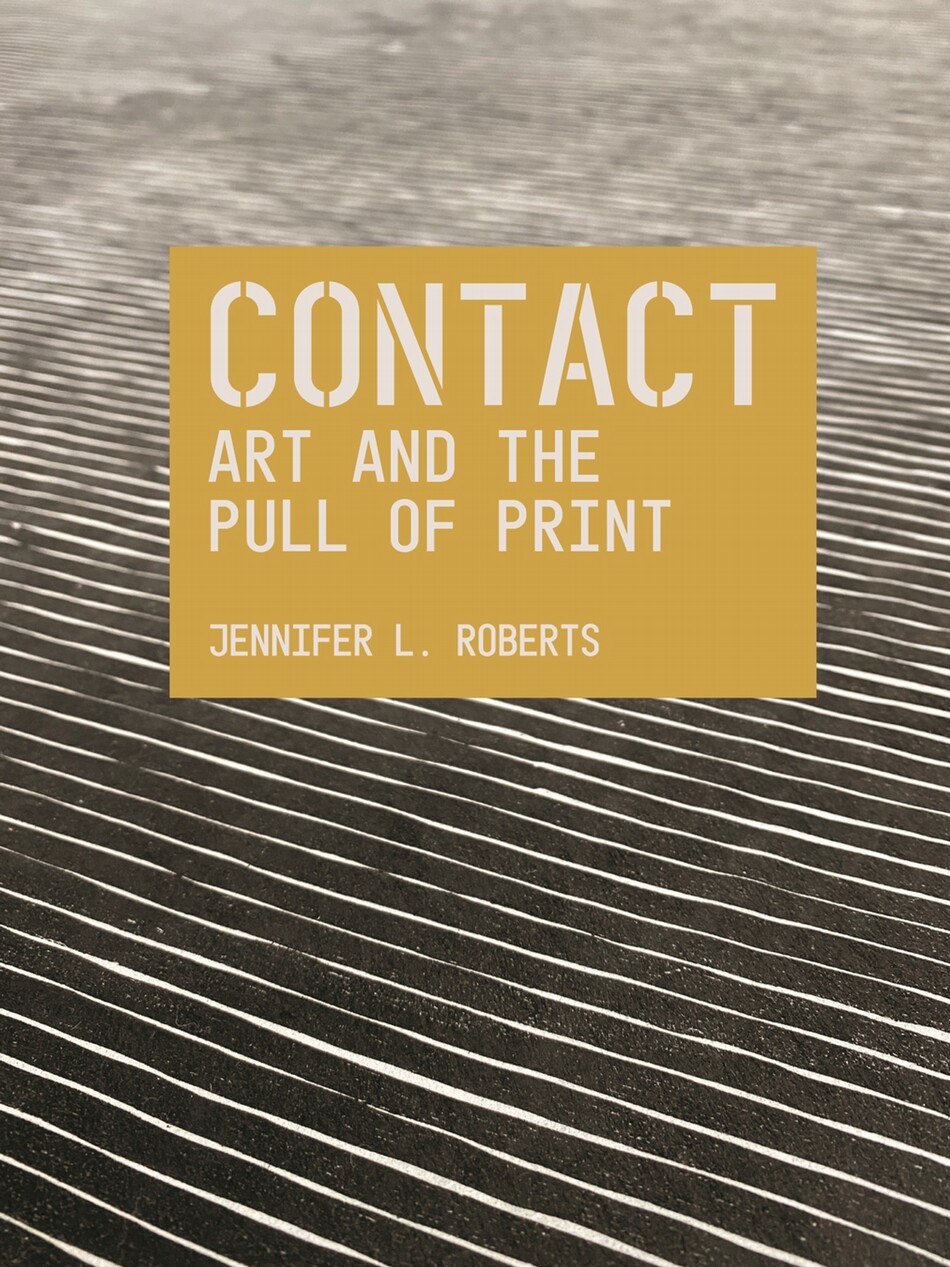
Publication: Contact: Art and the Pull of Print
A leading art historian presents a new grammar for understanding the meaning and significance of print.
Research
We support a variety of research initiatives designed to contribute to scholarly communities around the globe.
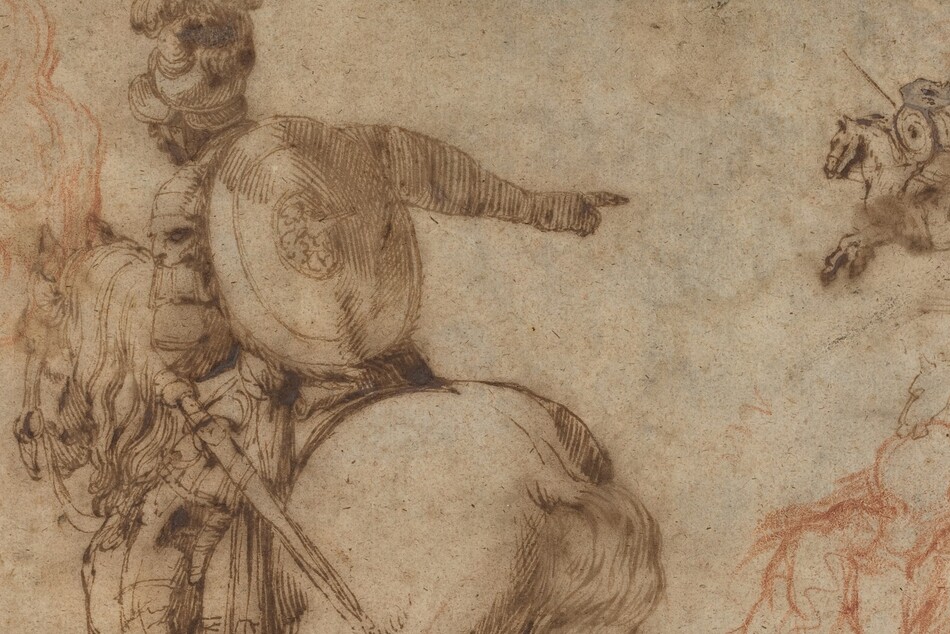
Current Project : The Early History of the Accademia di San Luca
Explore research and scholarly essays about the Accademia di San Luca in Rome—one of the first academies of painters, sculptors, and architects, founded in 1593.
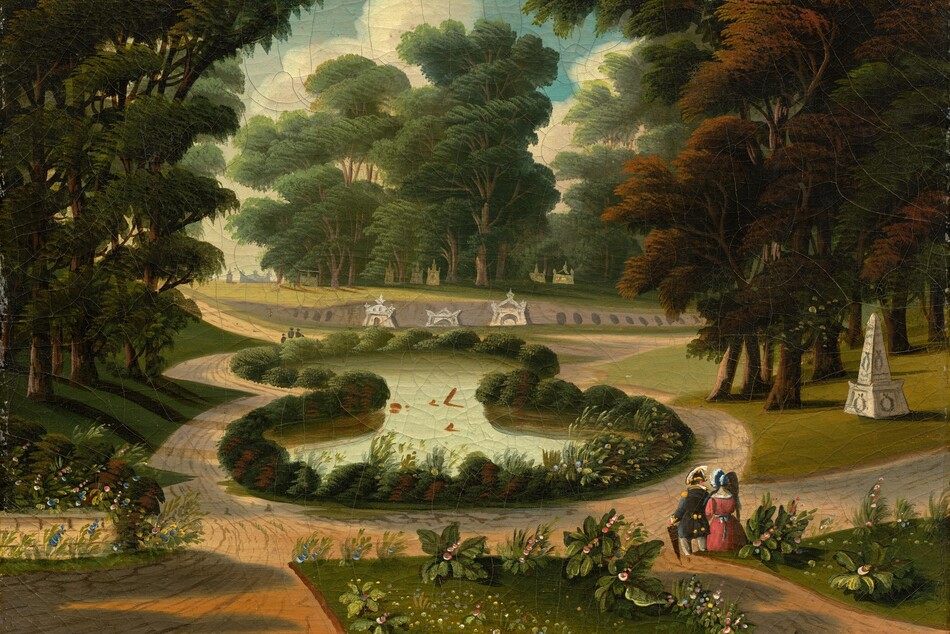
Digital Resource : History of Early American Landscape Design
With thousands of texts and citations and around 1,700 images, the History of Early American Landscape Design (HEALD) is an inquiry into the language of early American landscape aesthetics and garden design.
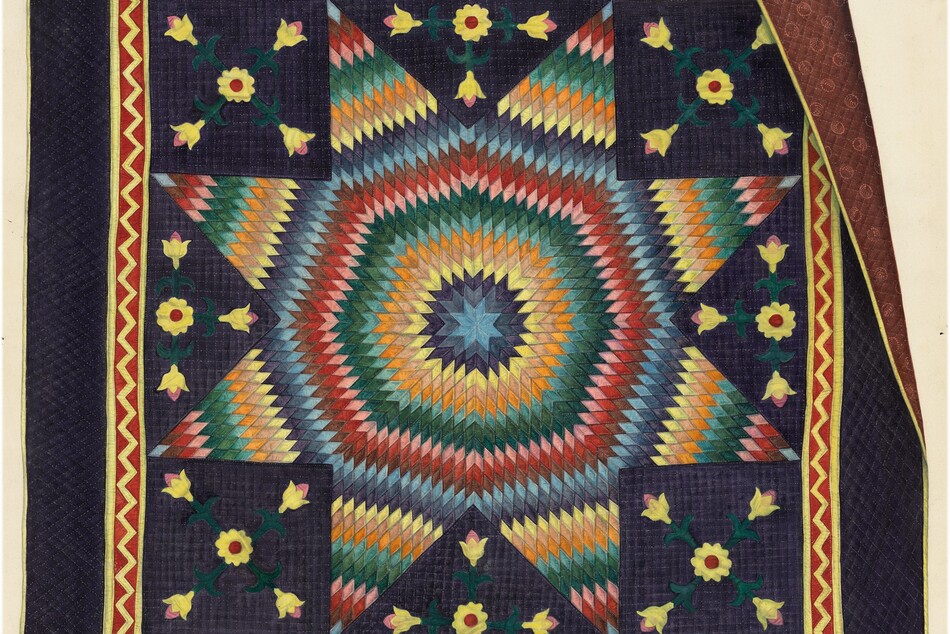
In Progress : Research Initiatives
Learn about all current initiatives, from catalyzing research on the National Gallery’s Index of American Design collection to the intertwined histories of art and creative therapies.