Article

See How Spring Has Inspired Artists Across Time

5 min read
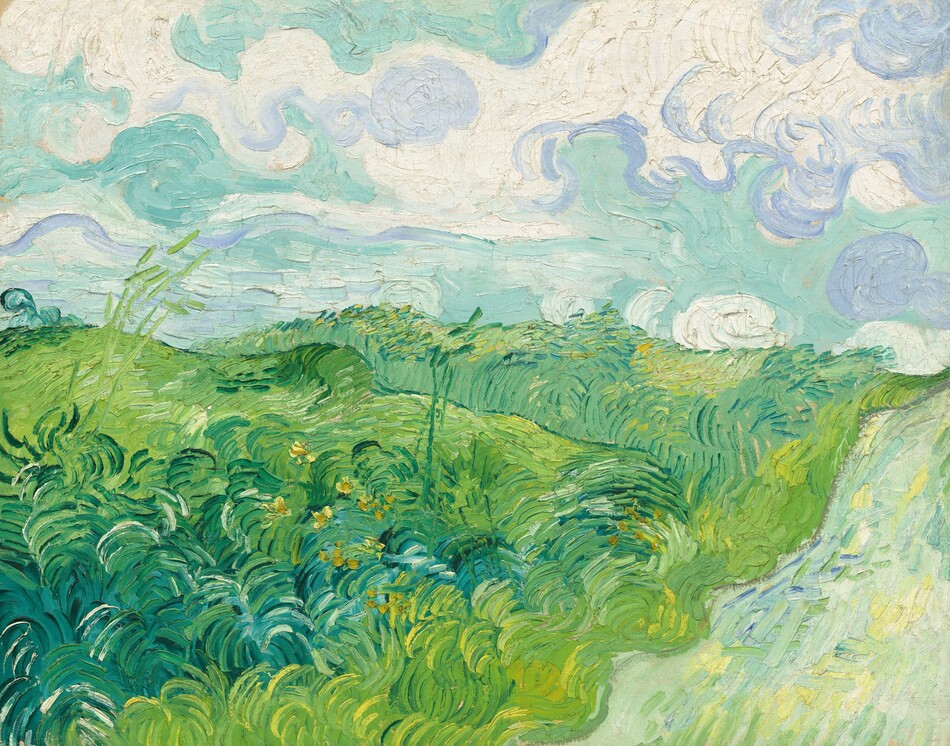
Verdant green fields roll in undulating waves back alongside a road in this horizontal landscape painting. The fields take up the left and center of the composition and are painted with thick, curling strokes of emerald, pea, and celery green, and corn yellow to suggest grasses and plants. The pale green road runs up along the right edge of the painting, and is layered with strokes and daubs in butter yellow, spring green, and faint blue. The fields and road meet the horizon line about halfway up the canvas, where an aquamarine-blue sky swirling with white and periwinkle-blue clouds fills the top half of the painting.
Vincent van Gogh, Green Wheat Fields, Auvers, 1890, oil on canvas, Collection of Mr. and Mrs. Paul Mellon, 2013.122.1

The flowers are blooming, the weather is warming . . . spring is upon us!

To celebrate the start of the season, we’ve picked out artworks of flourishing flowers, green gardens, lush landscapes, and beautiful bonnets. Many are on view for you to explore; others are hidden gems from our collection that you may not have seen before. Discover how spring has inspired artists, and how it may inspire you.

Art in Bloom

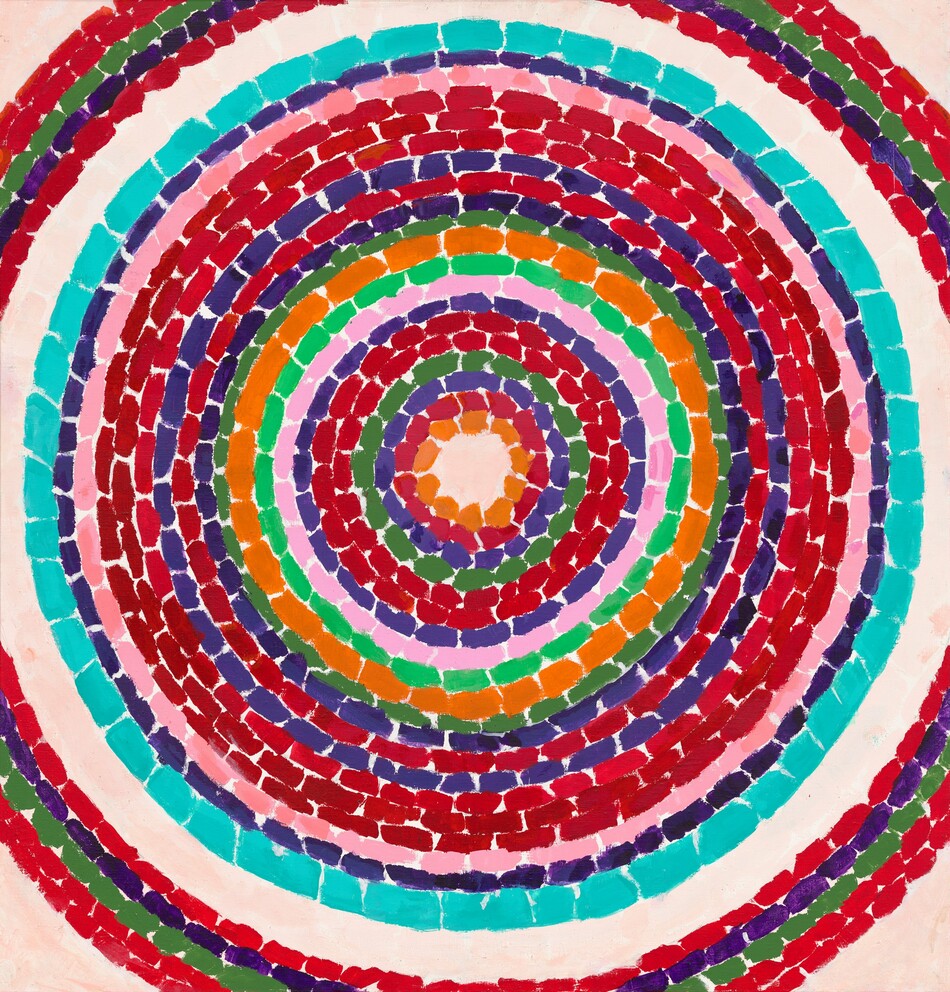
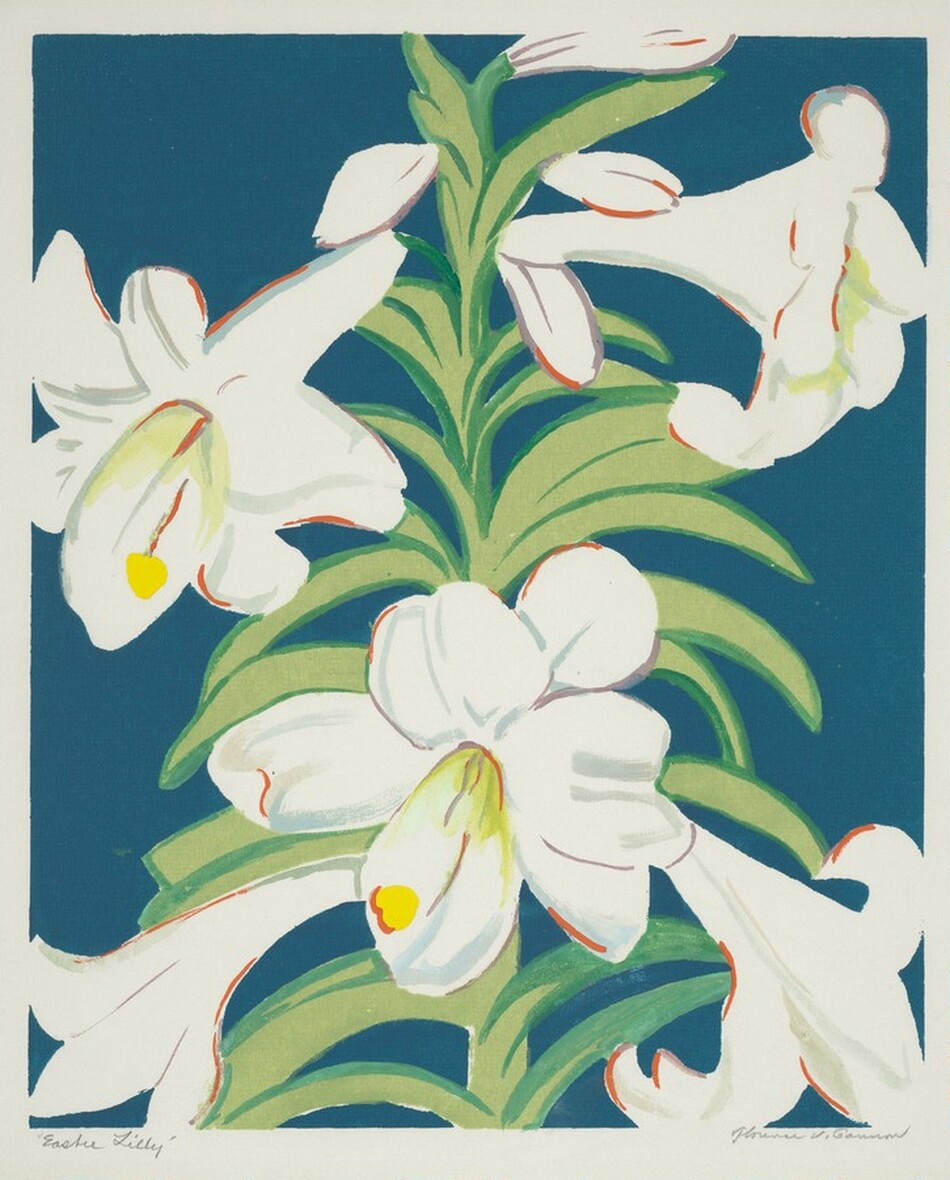
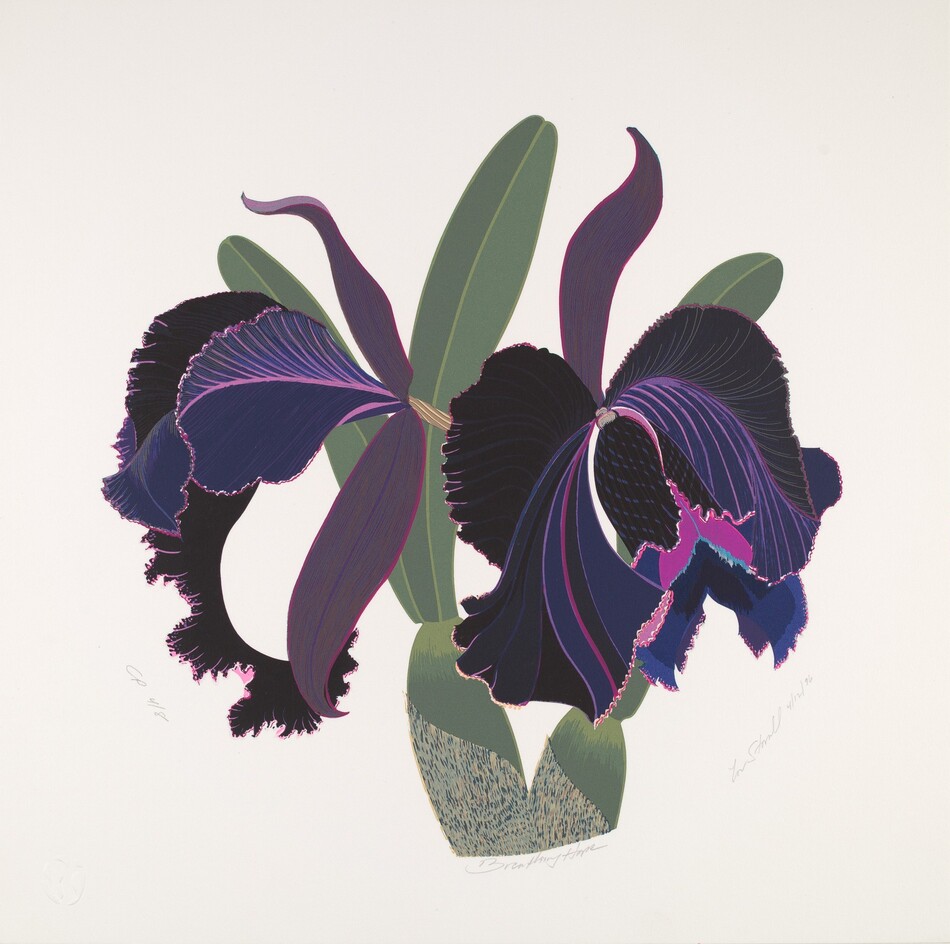
Flowers like lilies and tulips have served as the subject of works by countless artists, from 17th-century Dutch still life painter Balthasar van der Ast to the American abstract artist Alma Thomas. Van der Ast’s still life of flowers arranged in a wicker basket is one of many imagined bouquets popular among the of the artists of his time. They created impossible works: the flowers depicted together bloomed in different seasons.
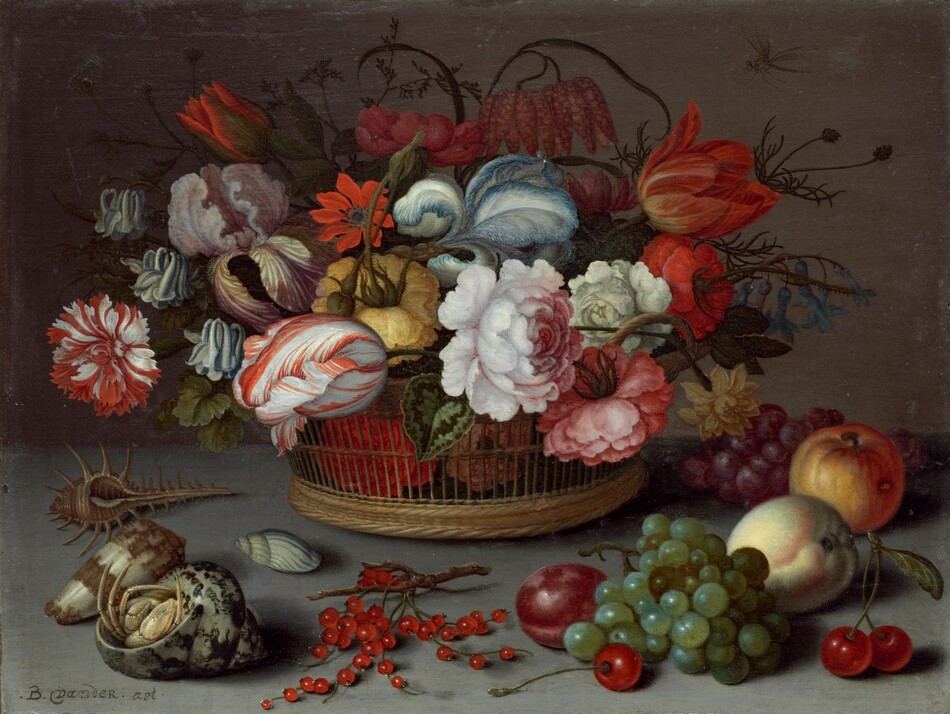
  • A basket overflowing with flowers sits on a table alongside fruit, berries, and seashells in this horizontal still life painting. The wide, low straw-colored basket has a woven base and more open, rib-like sides. The bouquet is made up of white and pink roses, a sky-blue iris and another with pale yellow and lavender-purple leaves. There are also a carnation striped with red and white, flame-orange poppies, and at least three tulips, including one that is scarlet red, a white tulip veined with red, and one with red petals streaked with yellow. Other flowers and dark green stems and leaves fill out the arrangement. The basket sits on a slate-gray tabletop that extends off both sides of the painting. Four shells sit to our left of the basket. These include a woodcock murex shell with a spiraling head with spikes and a long, spiny tail; an elongated, smooth conch shell with an ivory-white and brown calico surface; and light blue snail shell. Finally, closest to us, the largest, spiraling triton shell is occupied by a hermit crab. A sprig of glowing red berries sits at the front center of the composition. To our right, a cluster of fruit includes purple and green grapes on the vines, red cherries, a red plum, and two pieces of yellow and blush-pink fruit. The scene is lit from our left against a darkened background, so a dragonfly in the upper right corner is nearly lost in shadow. The artist signed the painting in the lower left corner, “B.vander.ast.”
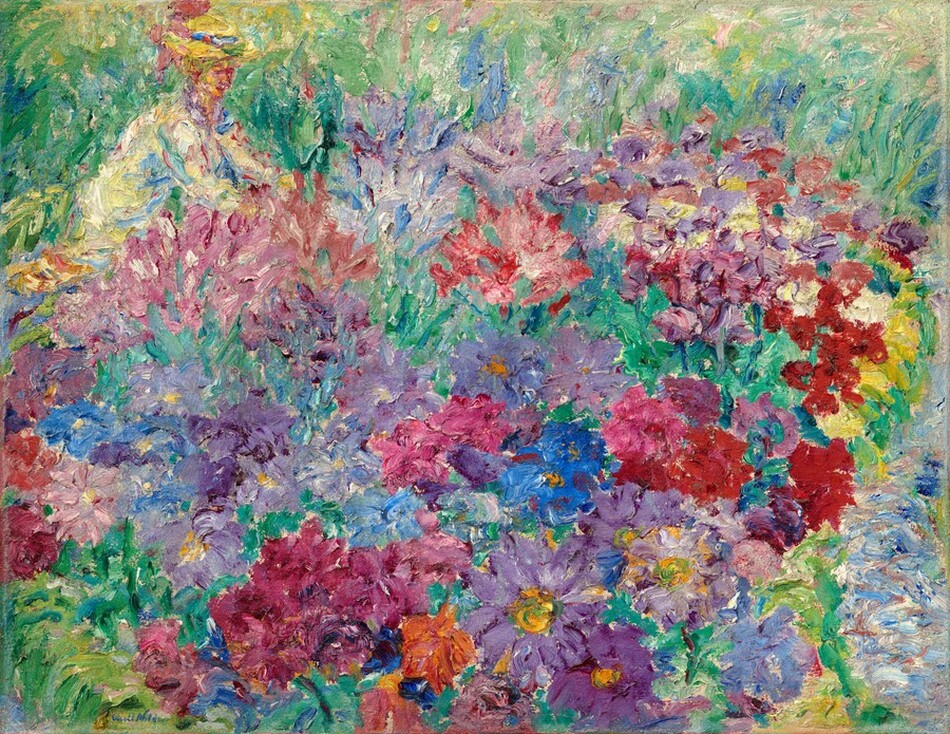
  • The painting features a collection of large, colorful flowers in varied shades of purple, pink, red, blue, orange, yellow, and white. Green stems and leaves surround the colorful flowers. In the top left corner, a person wearing a yellow hat is partially hidden among the foliage, facing the right and reaching towards the flowers. The paint is applied with thick, visible brushstrokes, and few small details are visible.
  • This nearly square, abstract painting is filled with circles within circles, like nested rings, each of a single bright color against the ivory white of the canvas. Each ring is made up of a series of short, rectangular dashes, and some bands are narrower while others are a bit wider. The majority of the rings are crimson and brick red, and they are interspersed with bands of lapis blue, army green, and pale pink. One of two pumpkin-orange bands is the smallest, innermost ring at the center. There is one aqua-blue colored ring just inside a pale, shell-white ring, which is the first to get cropped by the edges of the canvas. A few red, green, and blue rings beyond the white band are only seen at the corners of the canvas.
  • This print displays several large white lilies with yellow centers against a solid deep blue background. There are touches of yellow, red, and gray outlining the white flowers. Some are facing outward and others are turned to the sides. The lilies are surrounded by thin green leaves that grow out of a central green stem. The print is surrounded by a border of off-white paper.
  • This print shows two large, detailed flowers with deep purple and black petals and vibrant pink veins and edges. Around the flowers are sage green leaves that extend upwards behind them. The background is off-white paper.

Spring Landscapes

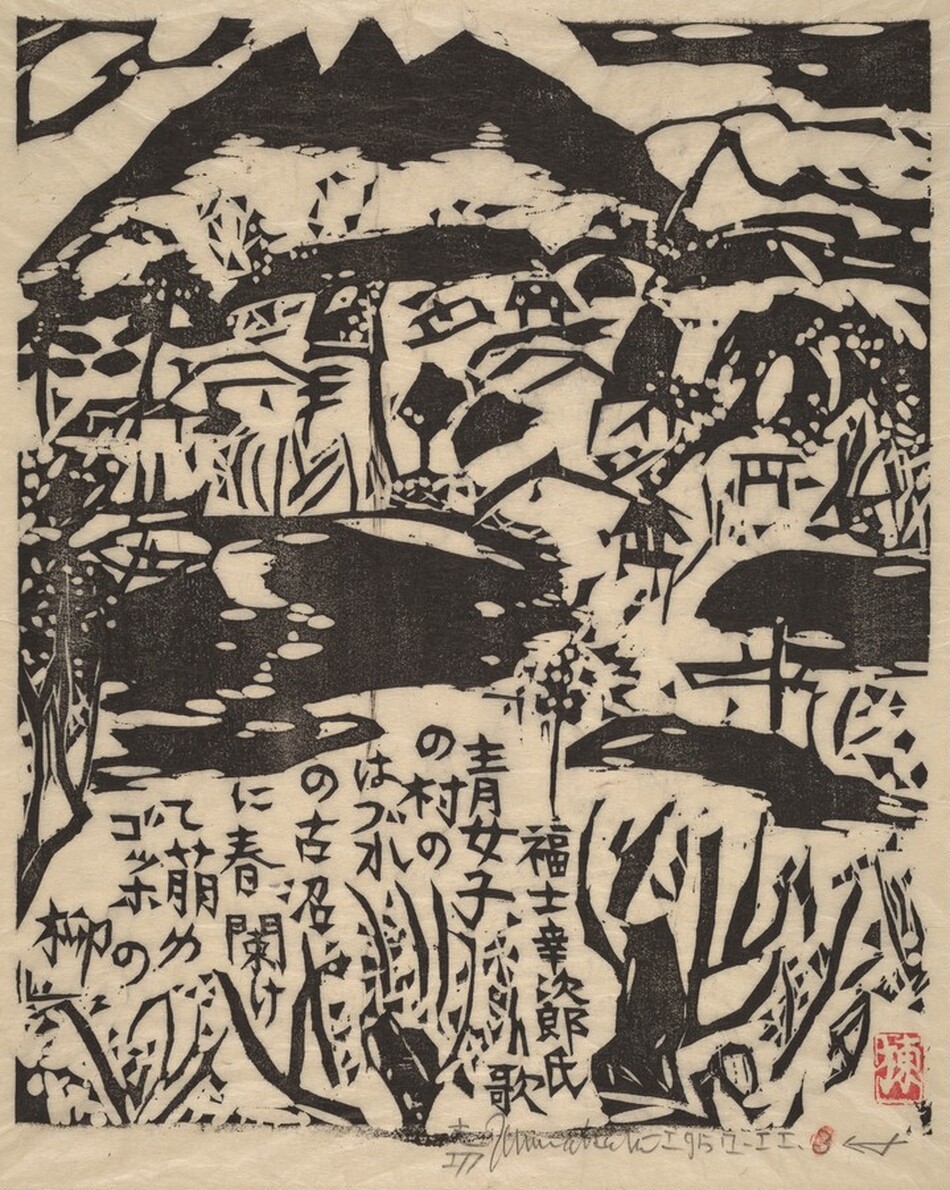
French post-impressionist painter Pierre Bonnard spent the final years of his life in a small town on the French Riviera. The green hills were the subject of hundreds of Bonnard’s paintings, and he used a vibrant palette of greens, blues, and yellows to illustrate the time of year. But color isn’t required to show the season—Japanese printmaker Shikō Munakata captured a blossoming valley of trees with just the black ink of a woodcut.

  • A horizontally oriented landscape with a bridge over a body of water, a grassy lawn, and trees is loosely painted mostly in shades of lemon yellow, spring and forest green, and sky blue.  Brushstrokes are broad and blended throughout so details are often difficult to make out or take time to interpret. We look across the landscape from an elevated position, and the horizon nearly reaches the top of the canvas. In the lower left corner, a bridge painted with smoky, pale purple curves gently over a body of water. The lawn stretches to the right, where it meets what might be a fence or screen painted with pale green, rust brown, magenta pink, and yellow angling in from the lower right corner. Just beyond the rise, a person wearing a blue shirt carries a stick over one shoulder, perhaps a fishing pole. Beyond this, trees are covered with wispy, cottony canopies. The lawn continues to the left, where a second person walks toward us. Both people appear to have pale, peachy skin. Continuing into the distance, the impression of a tree-covered, shallow valley is painted with rounded, blended forms in leaf green, icy blue, and aquamarine under a periwinkle-blue sky. The artist signed the lower left corner, “Bonnard.”
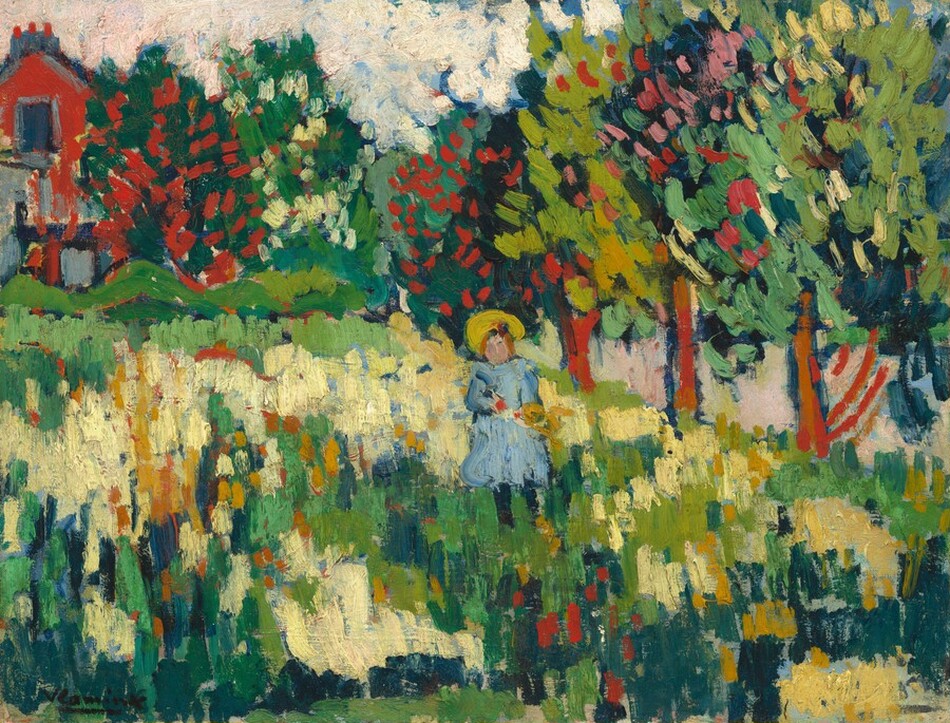
  • This painting shows a woman or girl in a blue dress and a broad-brimmed yellow hat in the middle of a field of green, cream, and yellow brushstrokes that suggest tall grass or wildflowers. To the right behind her are trees with thick canopies of green leaves and dots of red, pink, and light yellow. In the background, on the left side of the painting, is a red building underneath a sky filled with dots of white and pale blue. The paint has been applied with visible, thick brushstrokes, and details are hard to discern.
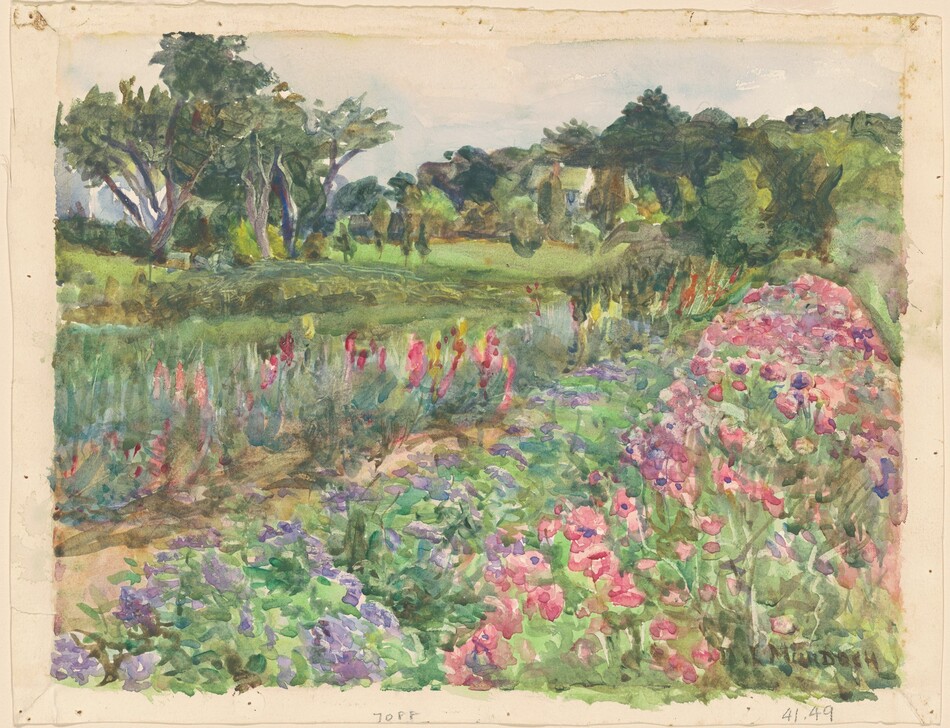
  • The painting shows a view of a garden with colorful flowers in bloom. The horizon is high, and behind the garden are hills, trees, and a partially hidden house. The flowers are mostly pink and purple, with hints of red, yellow, and orange. Between the blossoms are shades of light and dark green. A dirt path cuts diagonally through the flowers, starting at the bottom left of the image and vanishing into the trees towards the top right. The small area of sky at the top of the image is a very light blue. The brushstrokes are loose and fluid.
  • The image shows a black and white woodblock print depicting a rural landscape. The view captures mountains, trees, architectural structures, and potentially a village. The style features bold brushstrokes with stark contrasts between light and dark areas to define shapes and textures. Patterns of vegetation and elements like stone paths and water features can be seen. The color palette is monochromatic, using black and beige tones. Japanese text is included in the image.
  • Verdant green fields roll in undulating waves back alongside a road in this horizontal landscape painting. The fields take up the left and center of the composition and are painted with thick, curling strokes of emerald, pea, and celery green, and corn yellow to suggest grasses and plants. The pale green road runs up along the right edge of the painting, and is layered with strokes and daubs in butter yellow, spring green, and faint blue. The fields and road meet the horizon line about halfway up the canvas, where an aquamarine-blue sky swirling with white and periwinkle-blue clouds fills the top half of the painting.
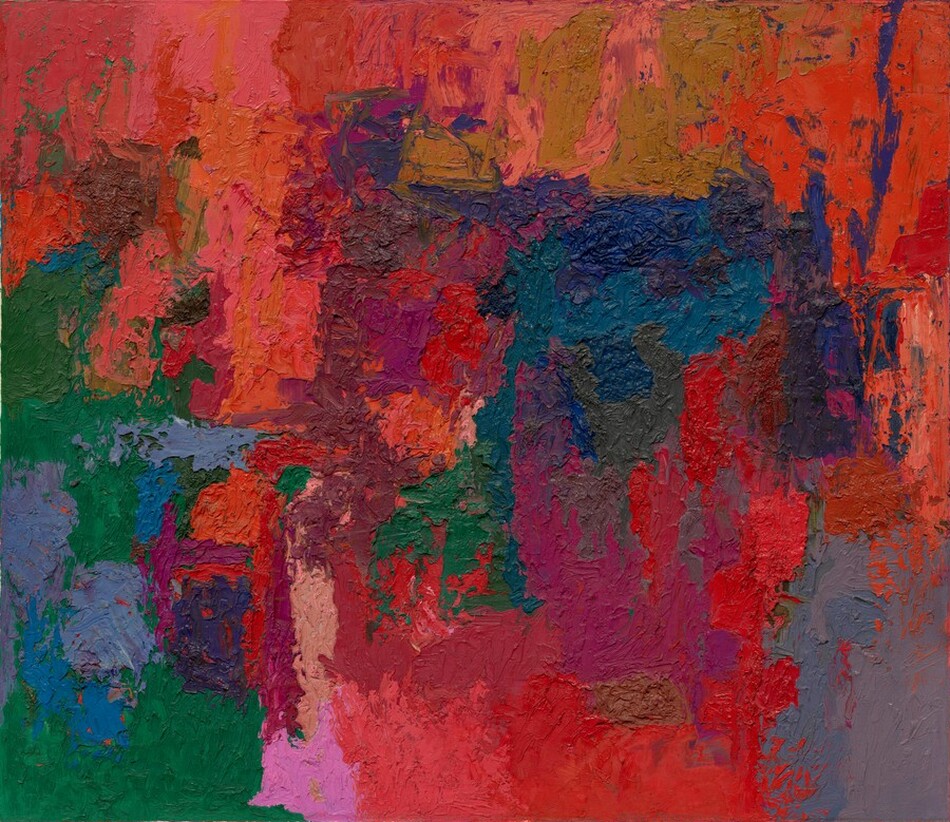
  • This painting displays irregular patches of various bold colors in an abstract composition. It includes a mix of bright warm tones like red, orange, pink, and yellow ochre, along with cooler hues such as green, blue, and purple. The paint has been applied thickly, and it has visible texture.

Spring Fashion

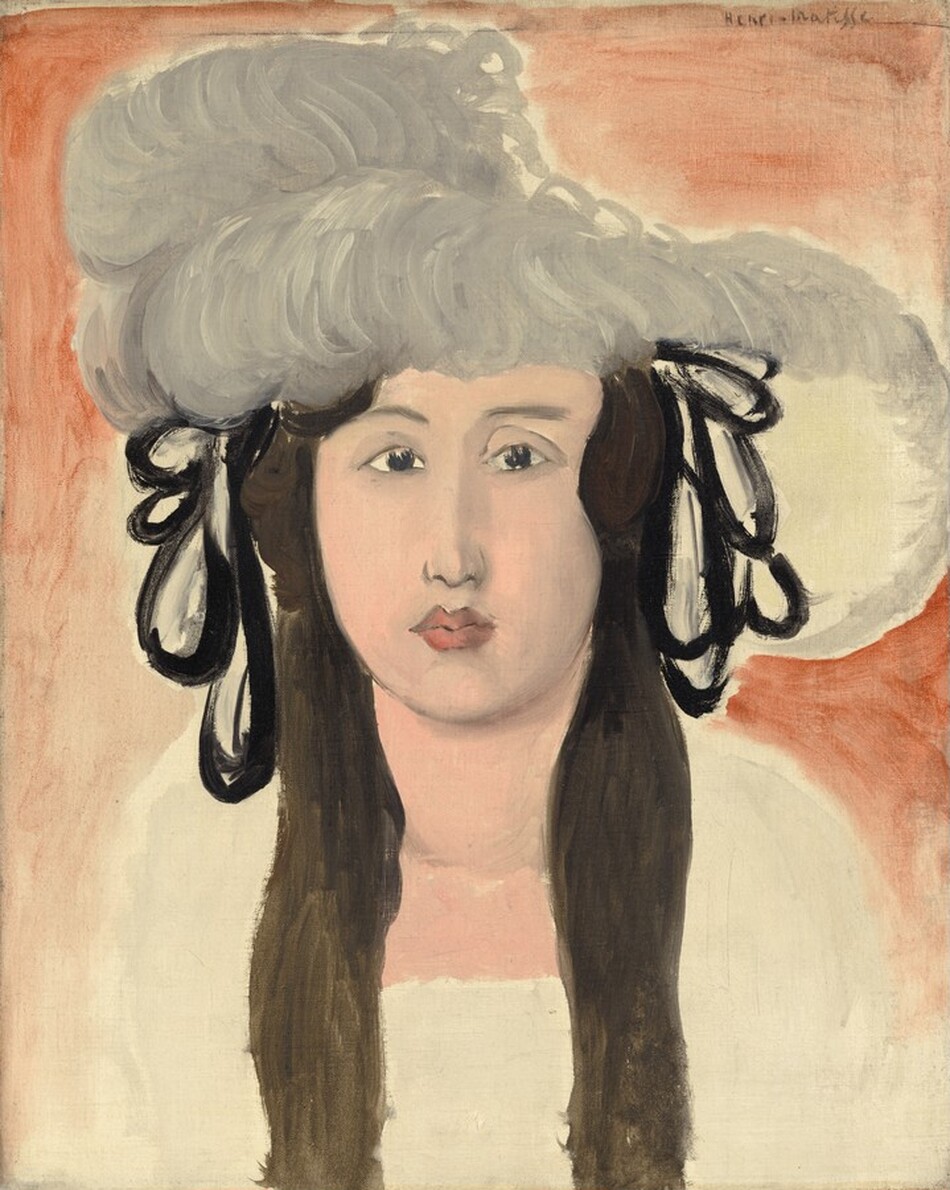
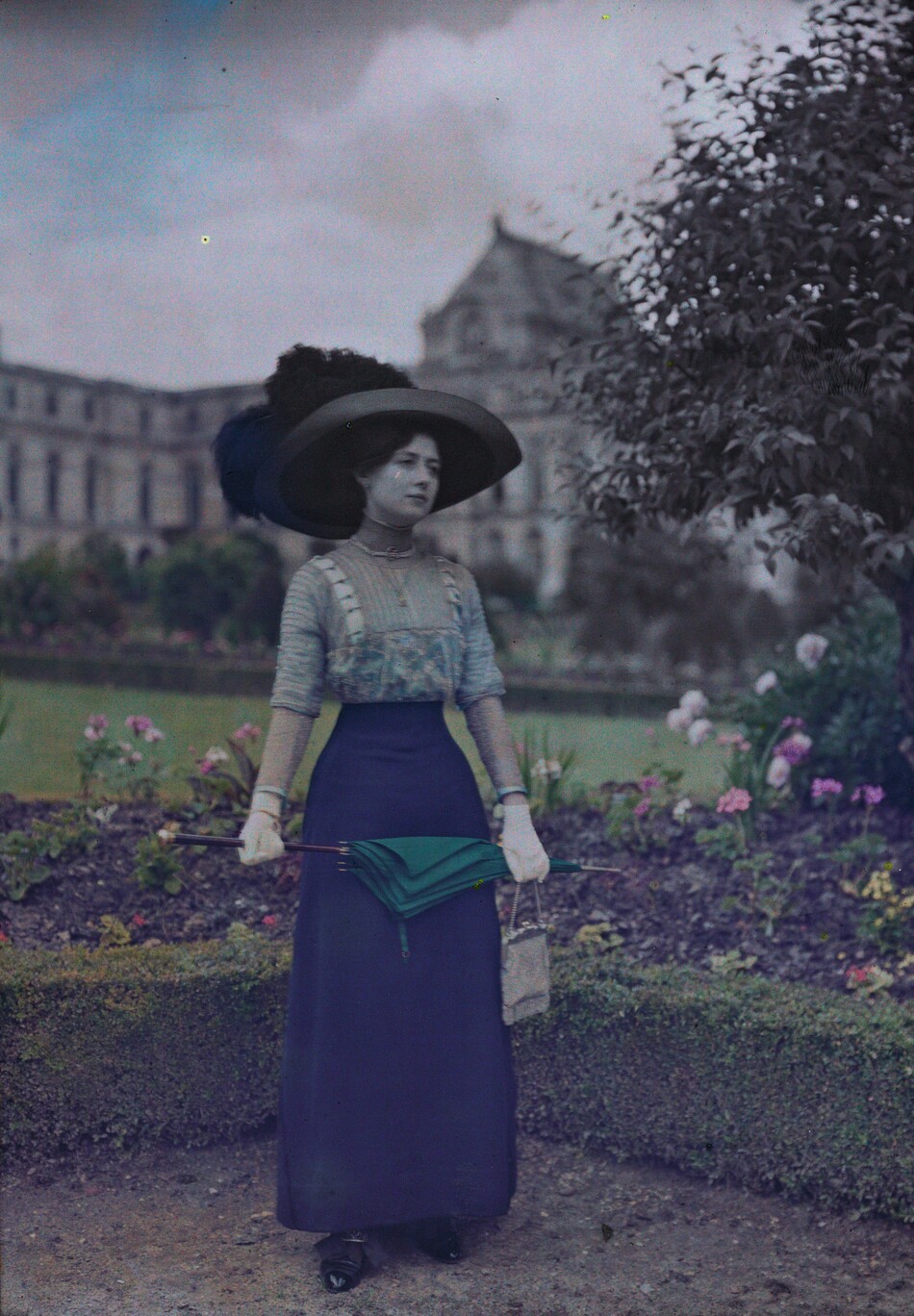
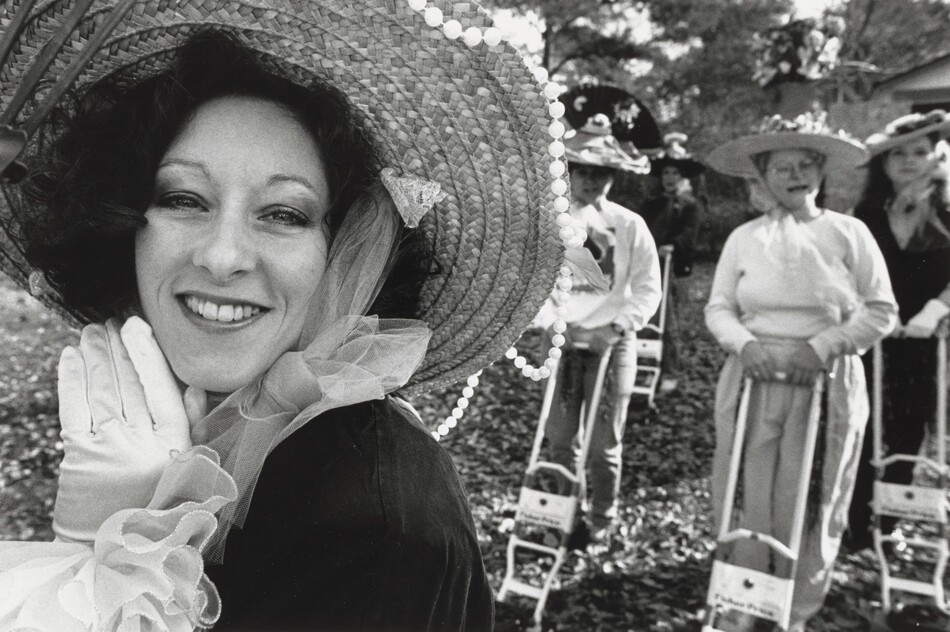
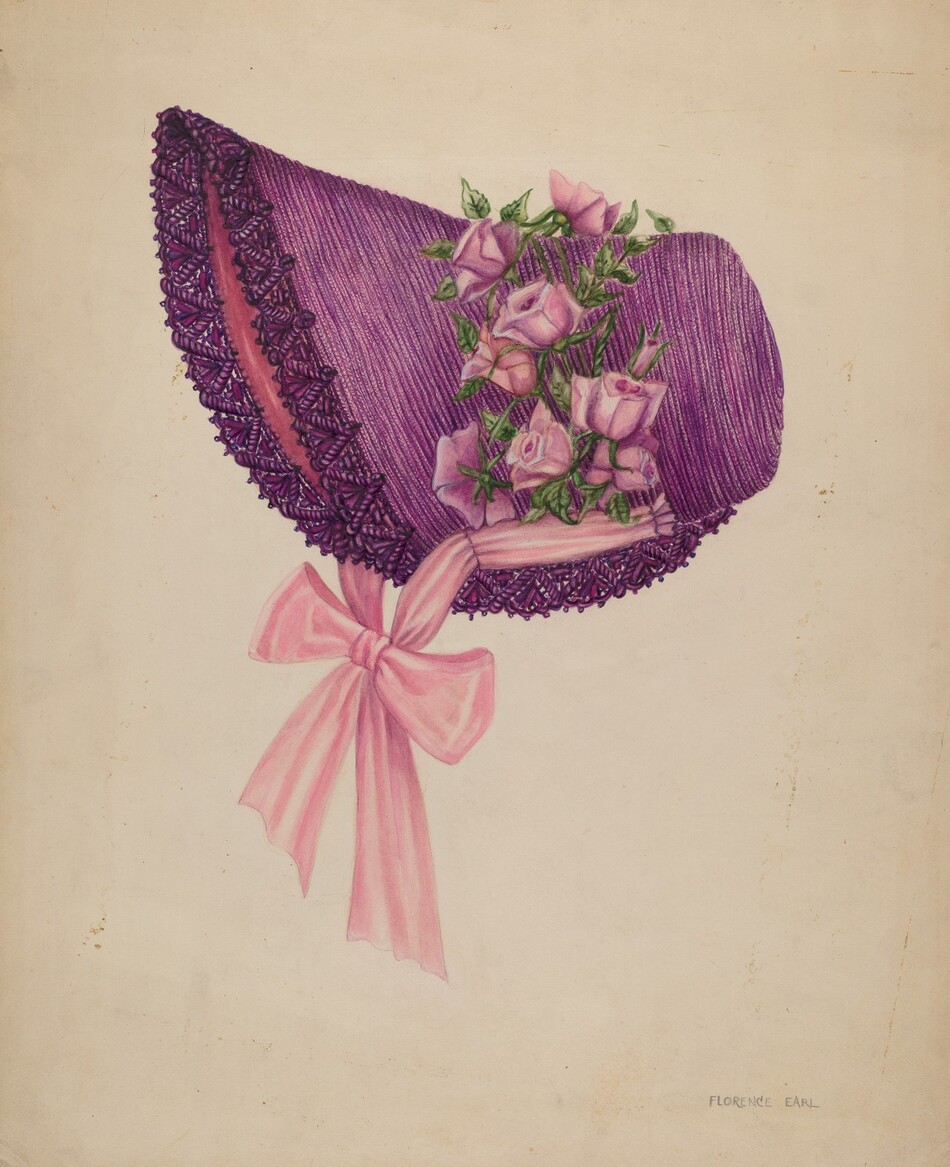
Nothing quite says spring like a fancy hat. According to the subjects of these works, ideally it should be broad, decorated with a ribbon and some flowers. And probably accompanied by a fancy coat, frilly dress, or spiffy suit. Florence Earl’s detailed watercolor drawing of a purple bonnet is one of many hats recorded for the Index of American Design. This collection of over 18,000 watercolor paintings documents works of folk, decorative, and industrial art created throughout the United States.

  • We look slightly down into a lime-green and white rowboat carrying a woman holding a baby and a man in this nearly square painting. The man wears midnight-blue shoes, pants, jacket, and soft, floppy cap. He sits with his back to us, bending forward to row the boat, which is cropped by the bottom edge of the canvas. The left side of his ruddy face is visible over his left shoulder. The woman and baby both have pale skin. The woman and baby sit across from the man, facing us to our left in the bow. The woman’s long-sleeved, sky-blue dress is crosshatched with pink lines. The baby leans back in the woman’s arms, and wears a pink dress, blue socks, and brown shoes. The wide-brimmed hats on both the woman and baby are painted pale celery green. They gaze toward or just past the man. The corner of the boat’s sail, also painted pale green, is pulled taunt by the wind to our left. Azure-blue water surrounds the boat up to the high horizon line, which brushes the top edge of the painting. The shoreline in the distance is lined with trees and dotted with white houses with red roofs.
  • The image displays a purple bonnet with lace detailing, pink roses, green leaves, and a pink bow.
  • This painting shows an upper-body portrait of a woman facing directly towards us with a neutral expression. The woman has a rounded face with pale skin, full pink lips, a small nose, and dark eyes. Her long, dark hair cascades down both sides of her face. She is wearing a large, light grey hat with black bows or ribbon-like adornments that curl down around her ears. She appears to wear a white dress with minimal detail visible. The background is in shades of pale red and pink, and the brushstrokes in the painting are thick and visible.
  • The image shows a woman standing in a garden. She is facing the camera, with her body slightly turned to the left. The woman has light skin, delicate facial features, and dark hair styled in an updo, mostly covered by a large hat with dark feathers. She is wearing an elegant long-sleeved blouse with lace details and a high collar, along with a dark, full-length skirt. She is wearing white gloves and holding a closed green parasol and a small handbag. The background shows a well-maintained garden with various blooming flowers and a neatly trimmed hedge. A large building, possibly a palace or manor, is partially visible behind her, with a cloudy sky overhead.
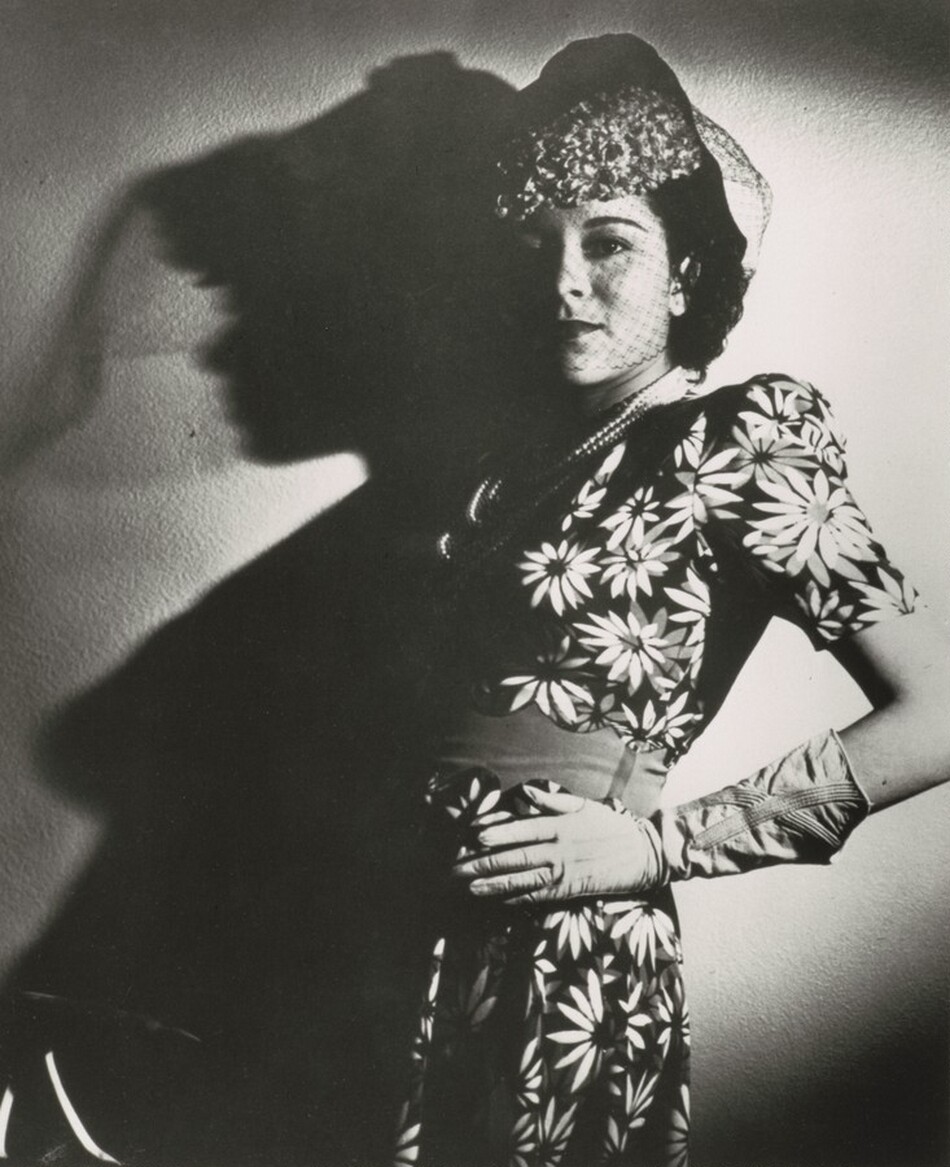
  • The image depicts the upper half of a woman's body standing in a slightly angled position with one hand on her hip, turning her body slightly to the side. Her facial features are partially shadowed, but she appears to have a thoughtful expression with lips slightly closed. She is wearing a hat adorned with decorative elements and a net veil. She is dressed in a floral patterned dress with bold white flowers, and her waist is cinched with a wide belt. Her left hand is gloved. There is a shadow cast on the wall behind her. The background is a plain wall. She is wearing a strand of pearls around her neck.
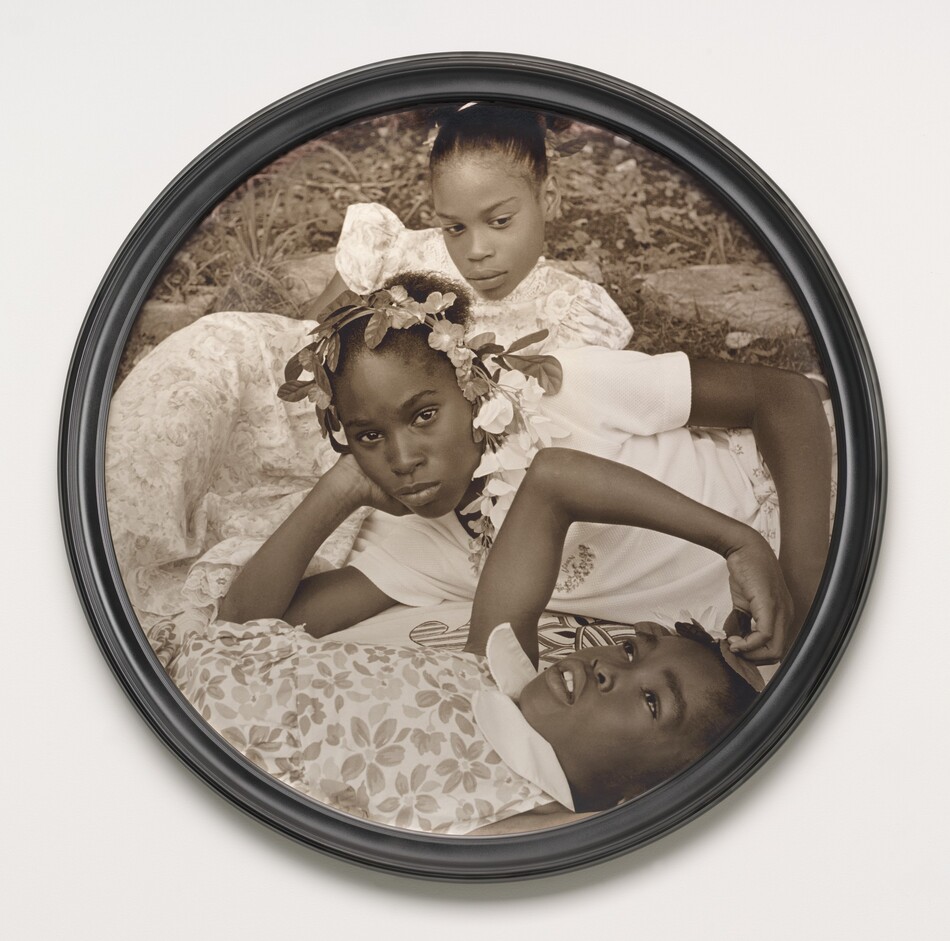
  • Three young Black girls lie on the grass in this closely cropped, sepia-toned, circular photograph so their faces roughly line up near the center. At the bottom of the composition, one girl lies on her back and looks up into the sky. Her head, torso, and right arm are visible. She wears a floral-patterned dress and holds her right hand up to the top of her head. The second girl reclines on her right side behind the first, so she is angled to our left. She props her head in her right hand and looks steadily at us. Her face hovers at the center of the composition. She wears a white t-shirt and a garland encircles her head. The third girl, at the top of the composition, seems to prop her body up on her left elbow. She wears a floral dress and looks down and to our right. Grass and paving rocks fill the space behind her.
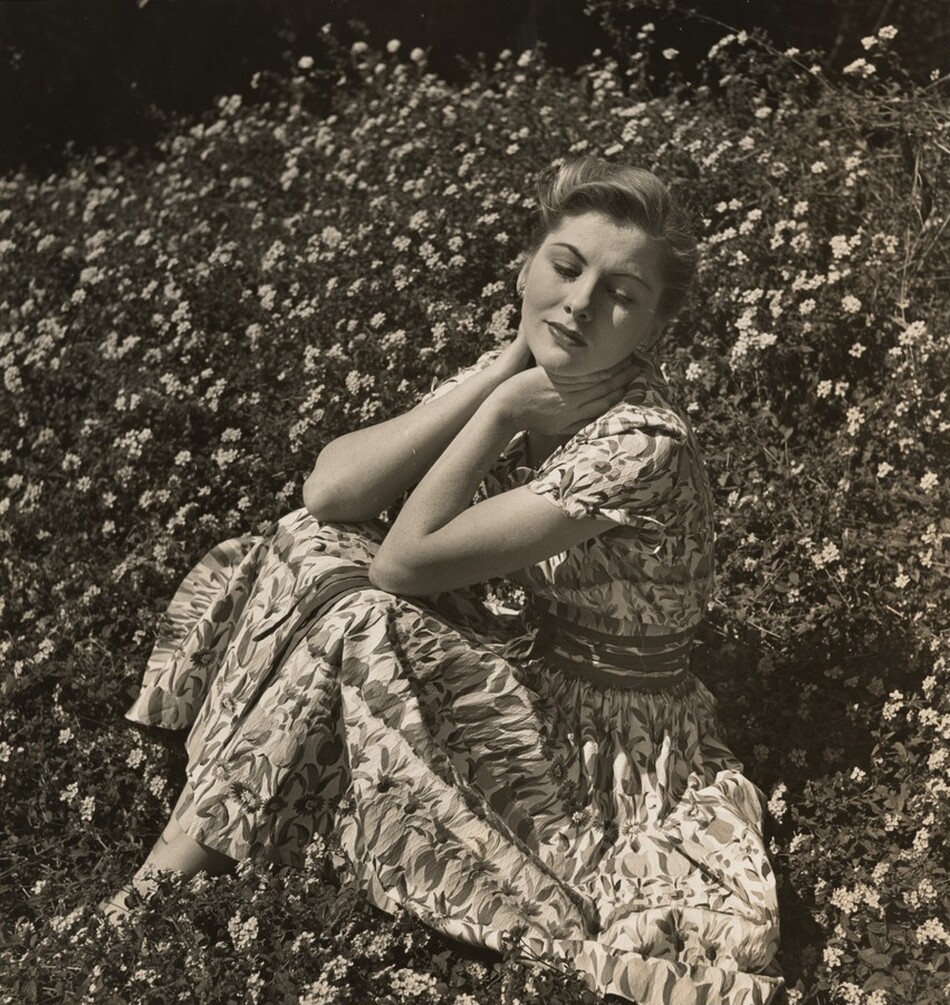
  • The image depicts a woman seated among small flowers in a field. She is in a relaxed position, with her hands on her neck and chin. She has a serene expression, with closed eyes and styled hair. She is wearing a floral dress and the background is filled with a variety of white blooms.

Interpretations of Spring

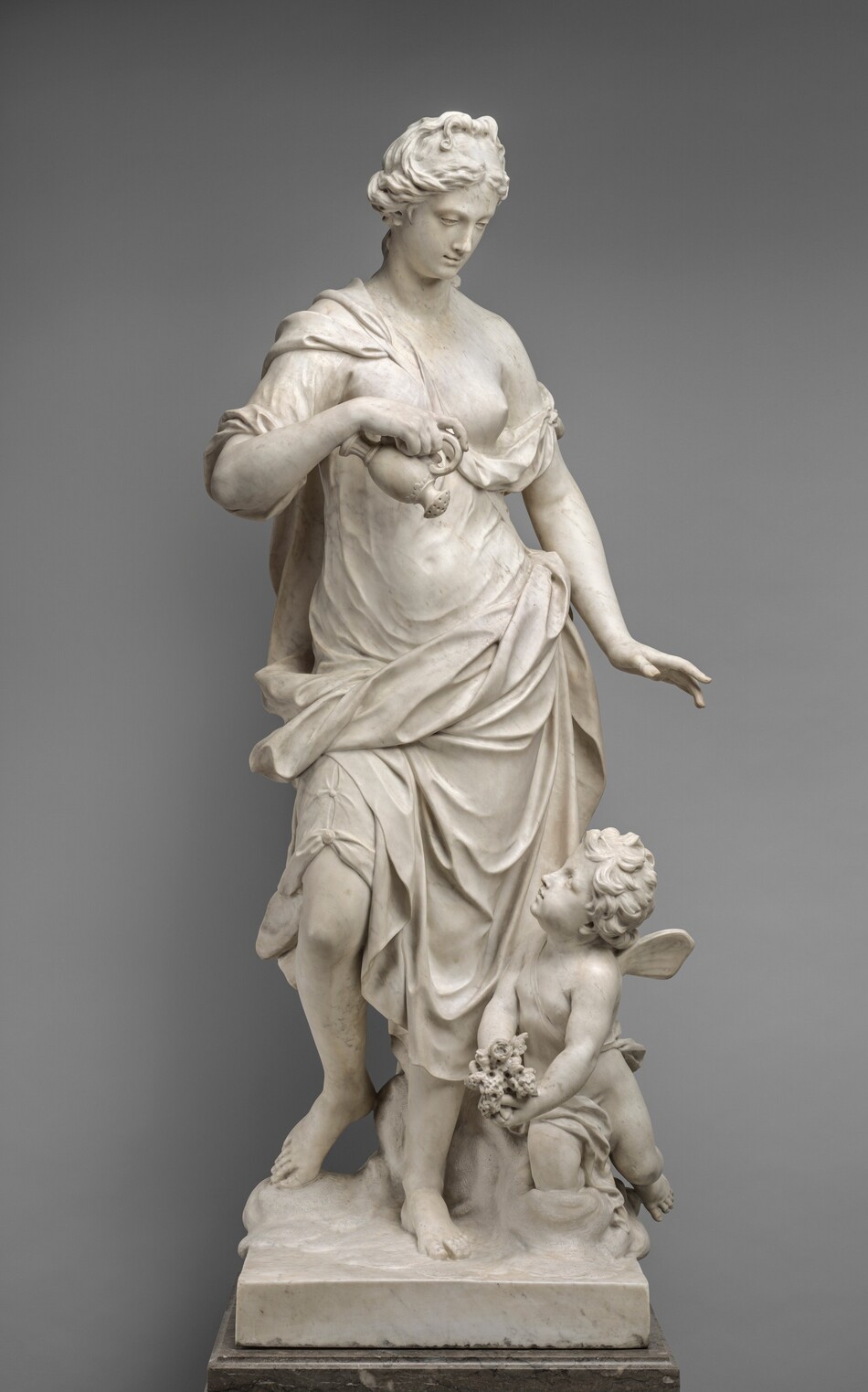
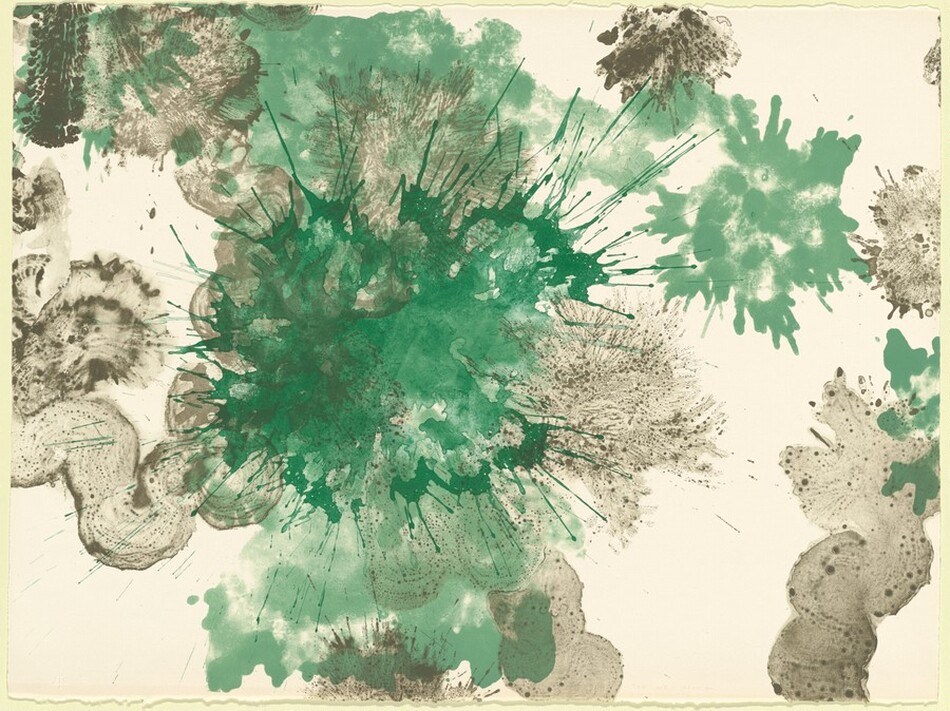
In allegories, the subject of a work symbolizes something broader—in these works, a season. The French marble sculpture A Garden Allegory shows a woman with an angelic little cupid. She represents Herse, the Goddess of dew, and the cupid stands in for another mythological figure: Zephyr or Zephyrus, the God of spring. Ruth Asawa’s print Spring takes a more abstract approach—a splash of green calls to mind the season.
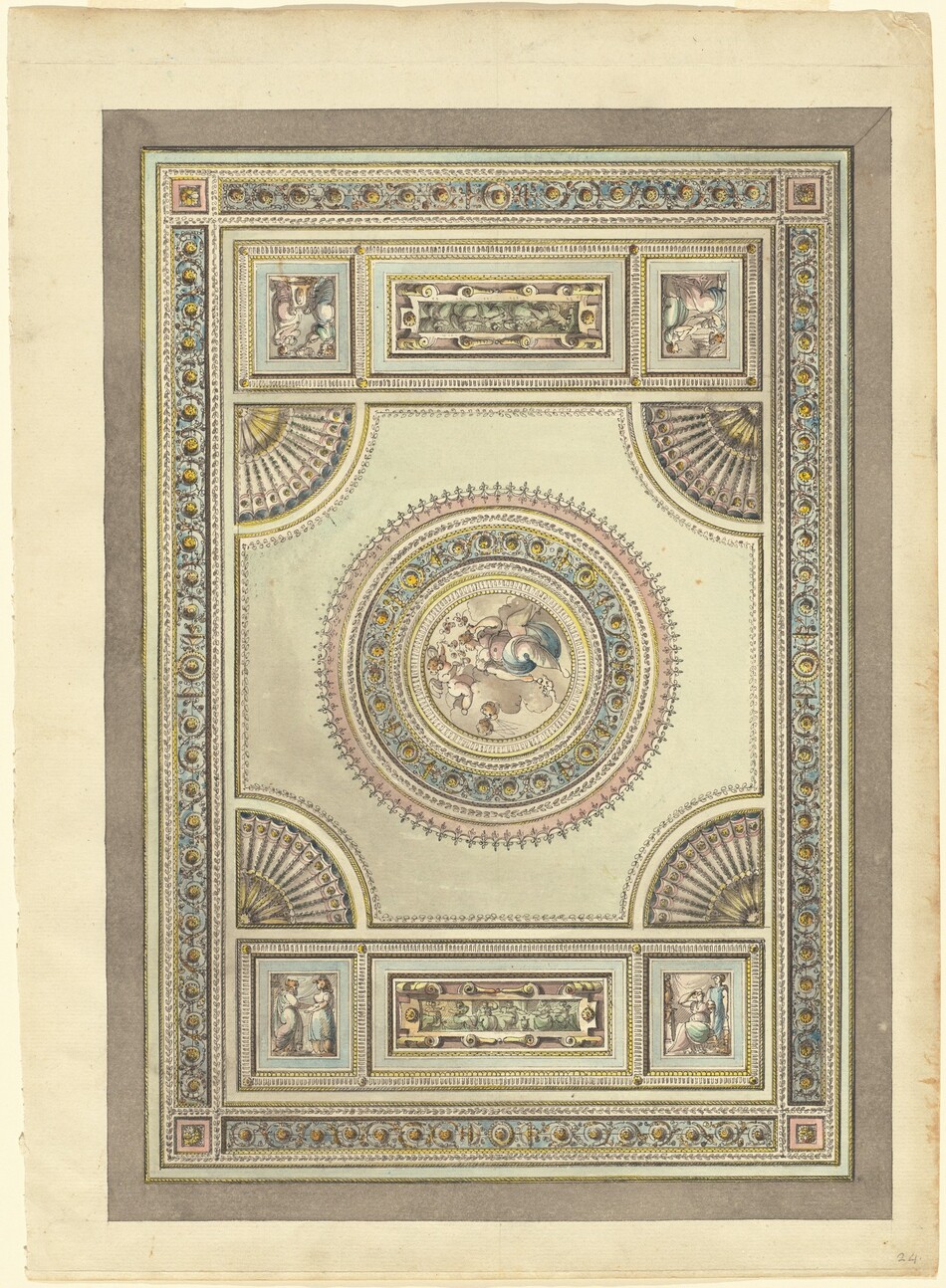
  • This is a drawing of a ceiling design. The central feature is a circular medallion with classical motifs and mythological figures surrounded by decorative patterns. The design includes ornate borders separated by gilded lines, creating symmetry and detail. There are fresco-like frames in the corners and other sections with additional figures and ornamental details, reminiscent of neoclassical style. The colors are muted, enhancing the classical theme.
  • The image shows an array of splattered shapes and lines creating an abstract composition. At the center is a large green splatter with radiating lines. Surrounding this are various other splashes and irregular circular forms in green and gray tones. The overall appearance suggests natural elements like moss or lichen.
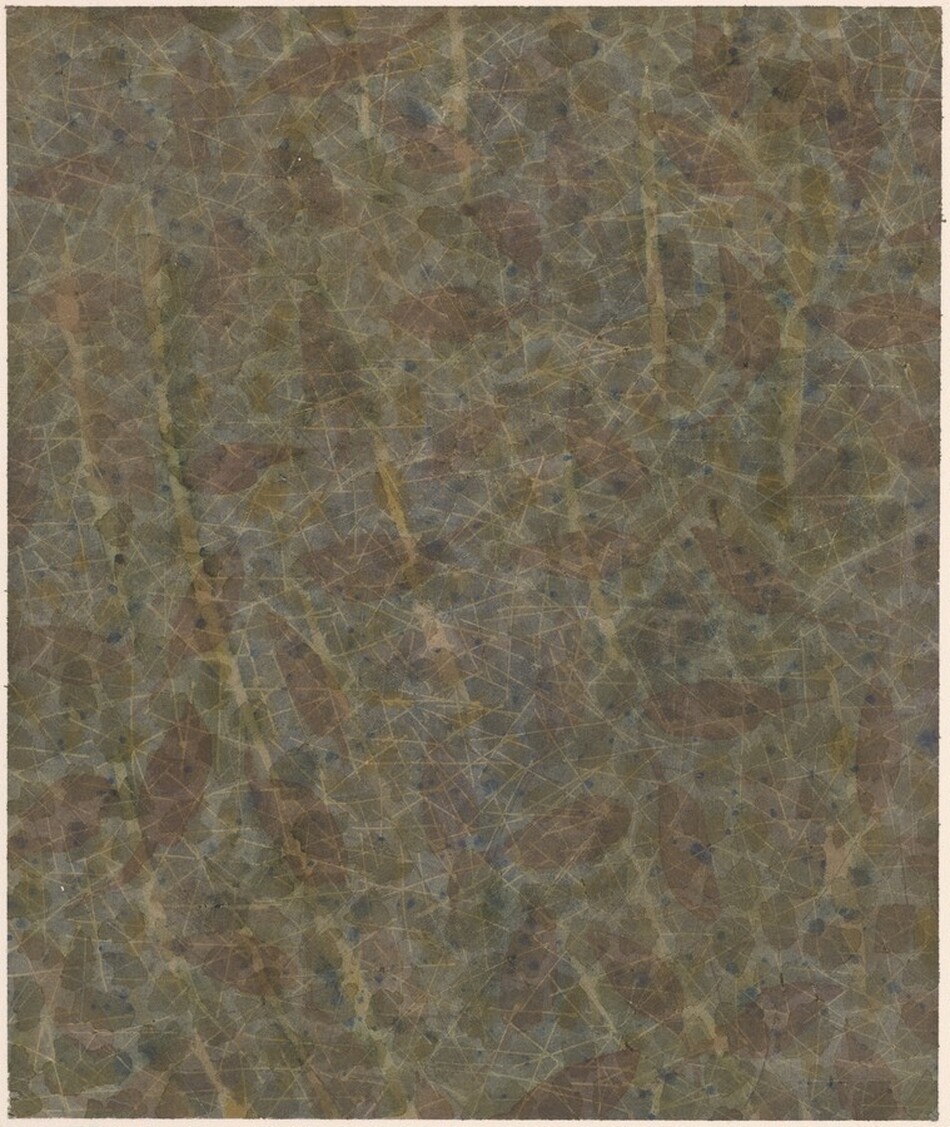
  • The image shows intersecting lines and irregular shapes in subdued earthy tones. The design resembles a network of crisscrossing paths overlapping like a dense forest canopy viewed from above. Leaf-like shapes emerge throughout the pattern, scattered across the canvas like fallen leaves on a forest floor, adding to the collage's textural depth.

You may also like

Article:  34 Artworks About Love at the National Gallery

From first kisses to tragic romances, our collection abounds with love, in all its forms.
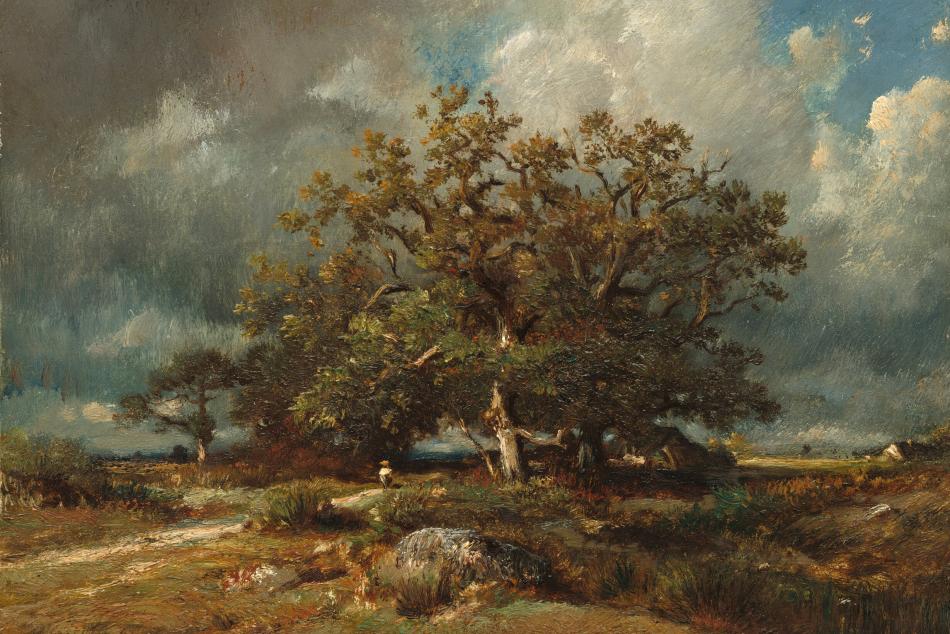
Article:  Portraits of Trees, a Favorite Subject of Artists

Many artists have painted, photographed, and drawn nature’s magnificent sculptures.