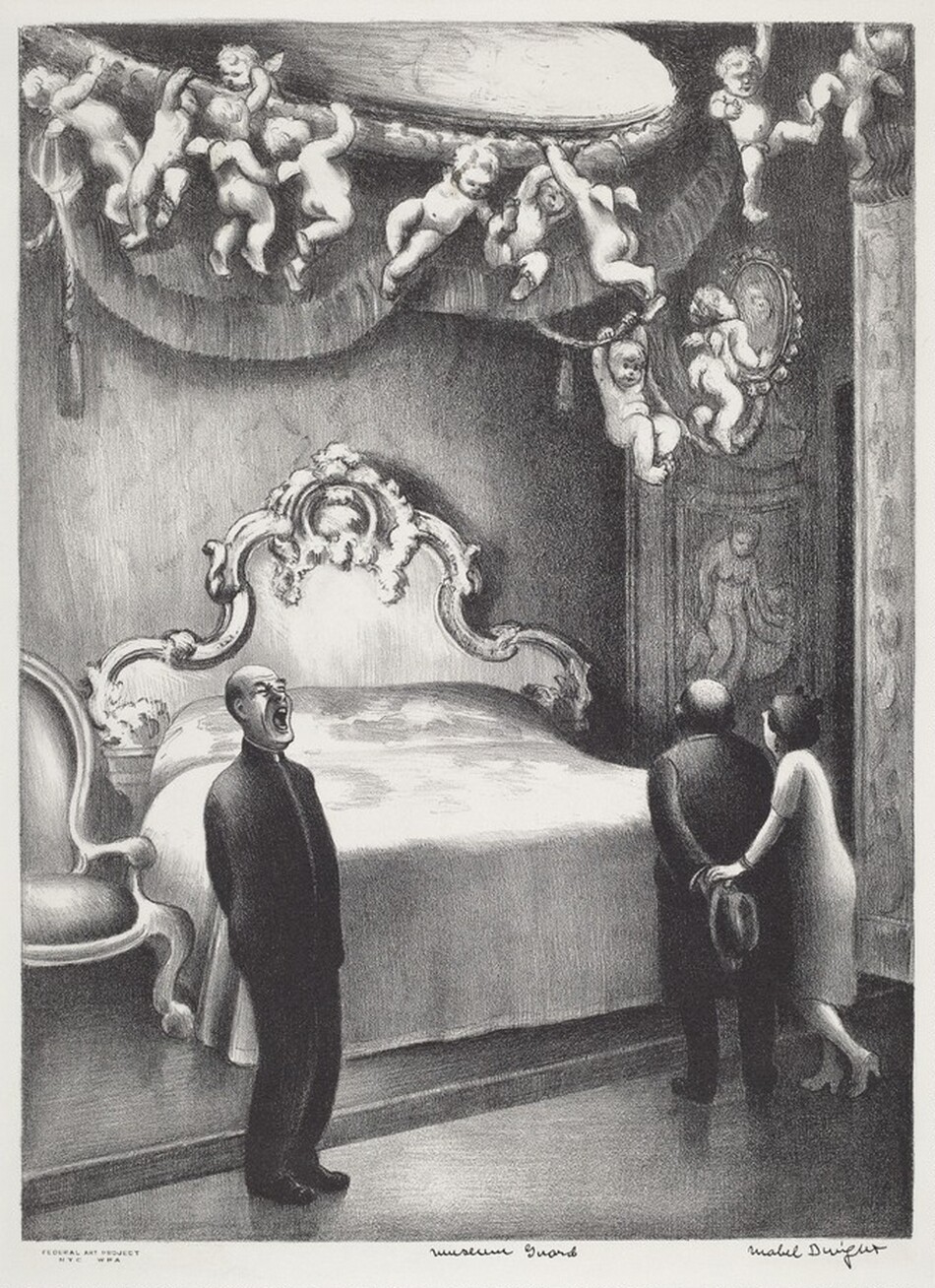
This is a drawing of a bedroom with baby-like figures hanging from the ceiling. The room features a grand bed with an intricately carved headboard. Above the bed, multiple cherubic figures swing and frolic from the drapery and ceiling ornaments, creating a whimsical atmosphere. The room's decor is lavish, with classical elements such as a decorative panel featuring a figure in relief. The image conveys a sense of humor and fantasy with its contrasts between the formal setting of the room and the lively antics of the cherubs above.
Mabel Dwight, Federal Art Project (New York City), Museum Guard, 1936, lithograph in black, Reba and Dave Williams Collection, Gift of Reba and Dave Williams, 2008.115.1568

Comics

Did you know that we have comics in our collection? Discover artists who have both been inspired by, and created, these graphic stories.  
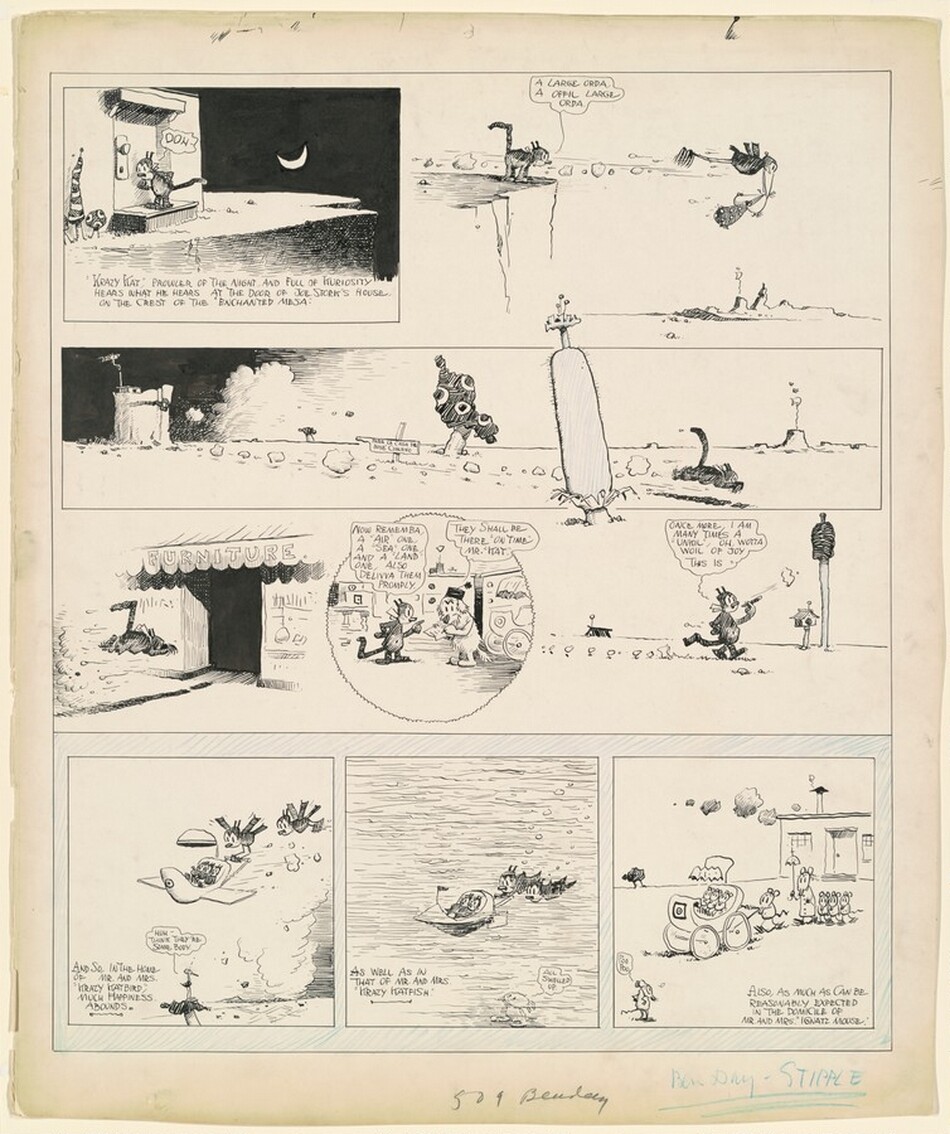
  • This is a drawing of a comic strip featuring animals and anthropomorphic objects in imaginative scenarios. The strip has several panels showing different whimsical scenes. One panel shows a character peeping through a door under a crescent moon. Another panel shows an animal character interacting with a large rope in a barren landscape. There is a scene where the character is delivering a package from a "Furniture" store, with comical dialogue about timely delivery. The lower panels show an aerial and aquatic adventure with a makeshift aircraft and a boat. The drawing is in black and white with detailed line work and shading.
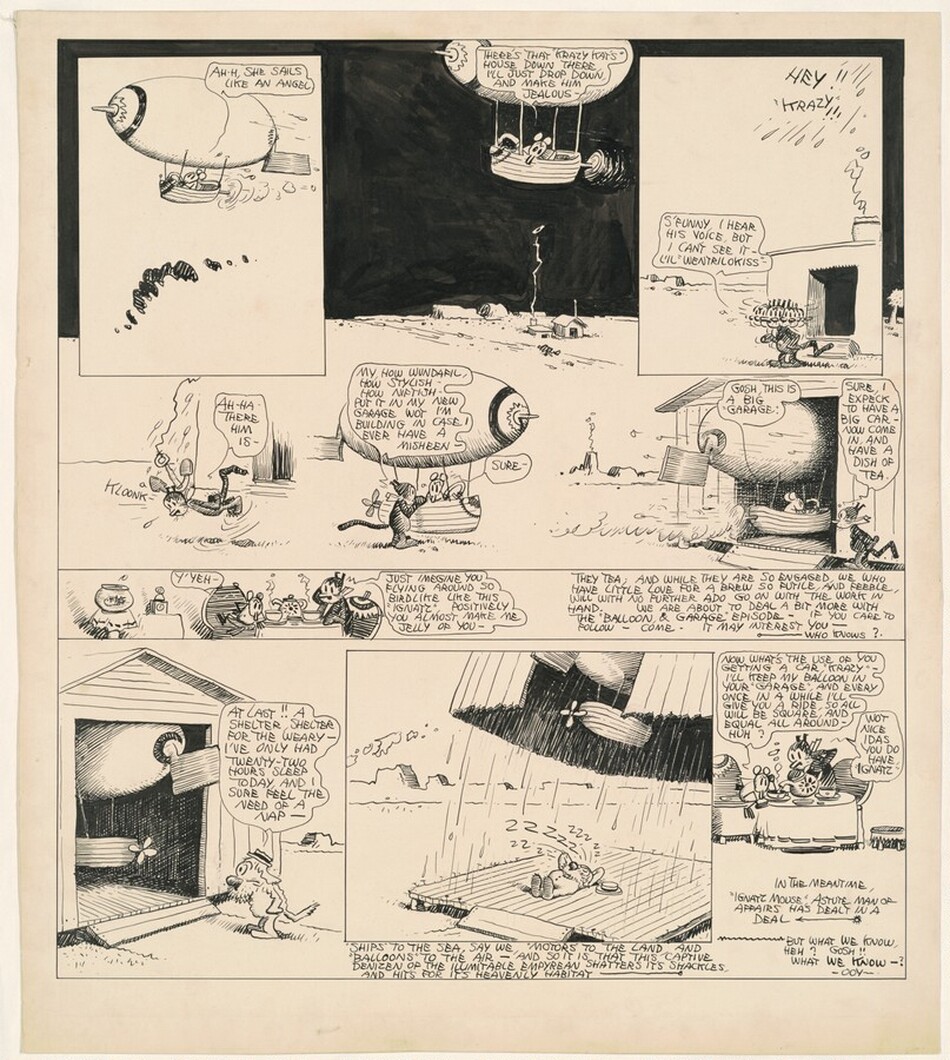
  • This is a comic strip featuring anthropomorphic mice. The illustrations show various scenes of the mice going on an adventure. The style resembles early 20th-century newspaper cartoons, with detailed linework and expressive characters. Panels include a mouse flying a unique contraption and mice talking near a makeshift shelter. Speech bubbles accompany each panel with dialogue.
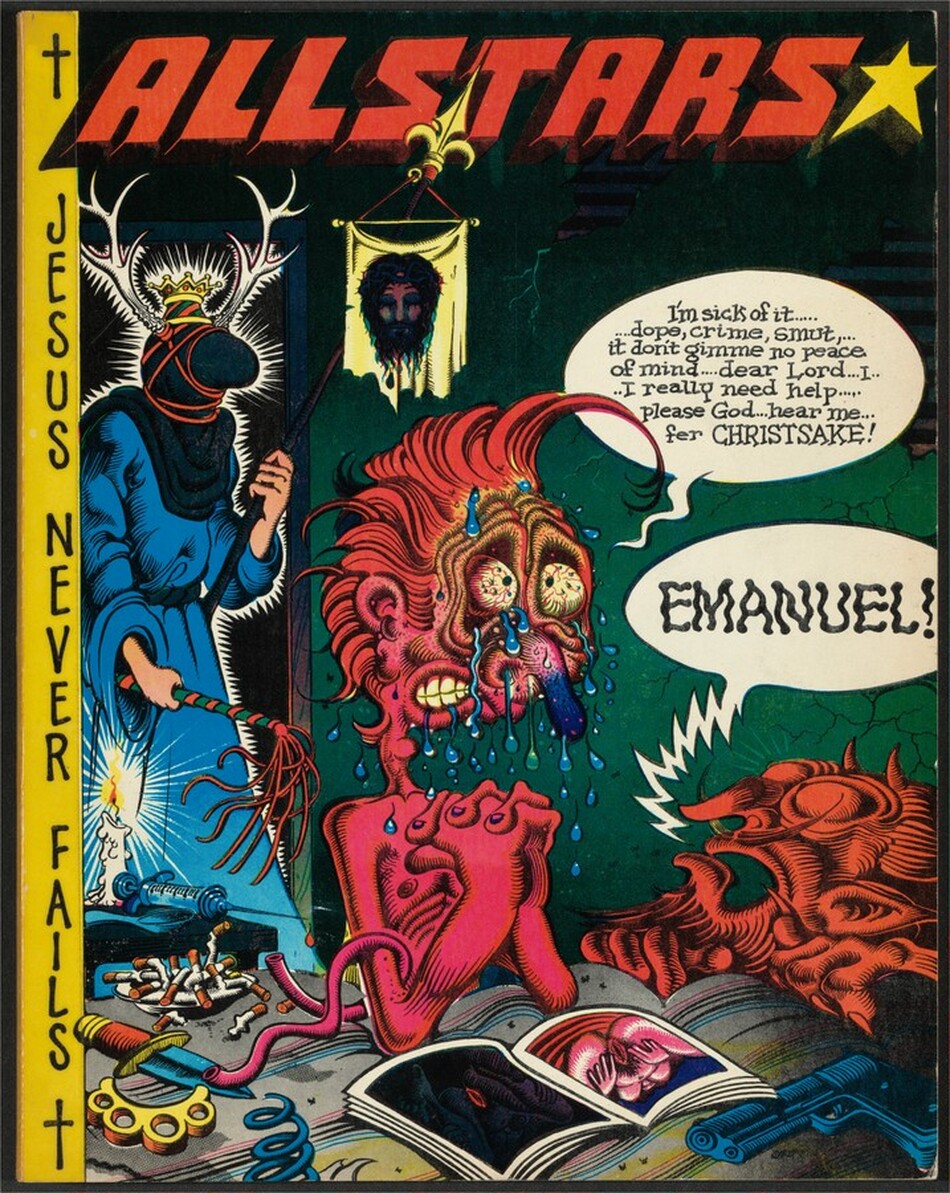
  • This is a painting depicting a surreal scene with a figure. The figure is characterized by exaggerated eyes and mouth, appearing distressed. The figure seems to be in a state of panic, engaged in what looks like prayer or pleading. A speech bubble from its mouth contains a plea for divine intervention amidst references to vices such as "dope, crime, smut." Surrounding the figure are various objects like cigarette butts, pills, brass knuckles, and abstract shapes. In the background, there is a religious figure with antlers and a crown holding a staff. A yellow border on the left reads "JESUS NEVER FAILS." An open book with strange illustrations is present, adding to the chaotic atmosphere. The painting is created in a vibrant and exaggerated comic style.
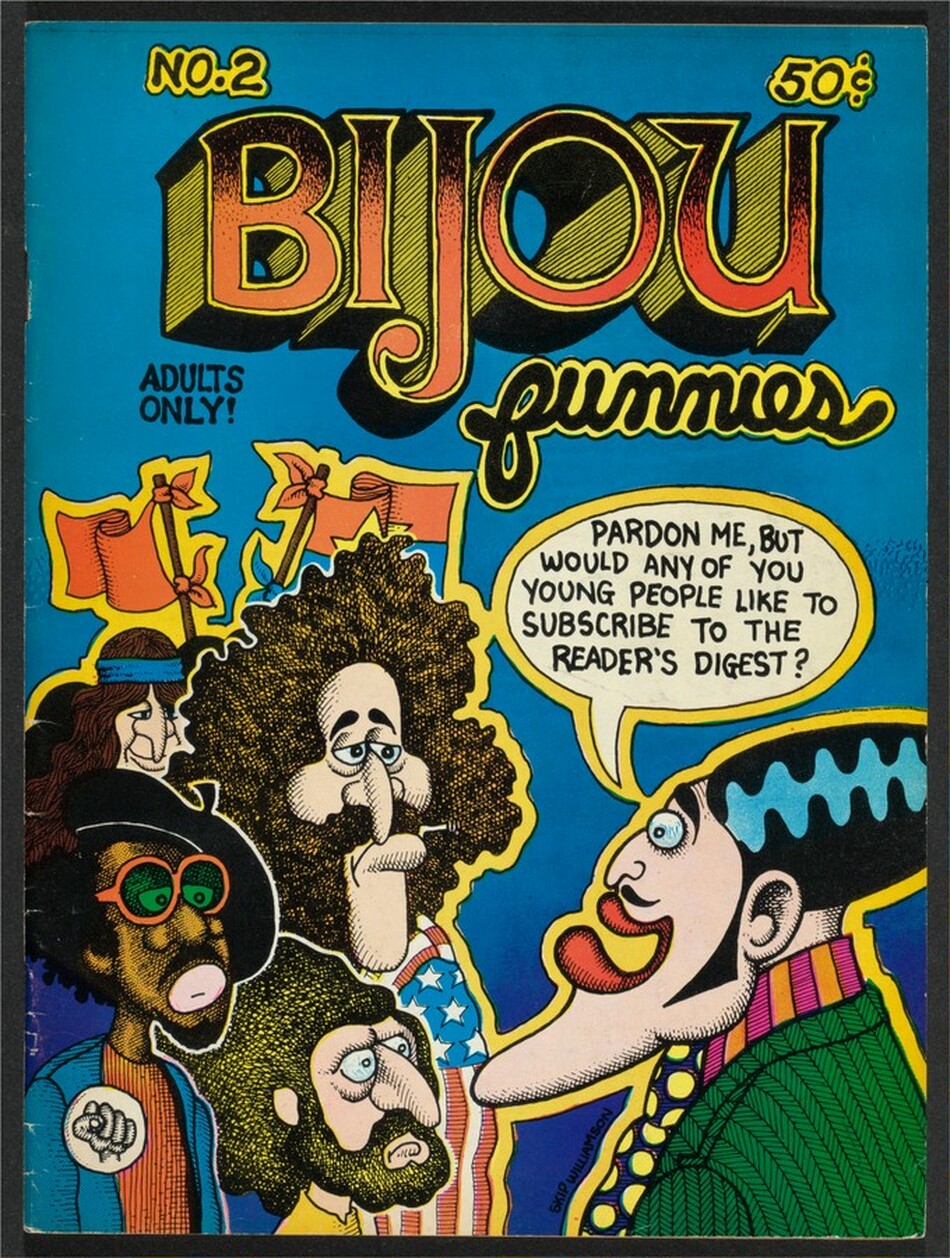
  • This drawing is of a comic book cover titled "Bijou Funnies" No.2. It depicts several cartoon-like characters in a humorous scene. The cover features the title "BIJOU funnies" displayed at the top against a blue background. The illustration includes characters with exaggerated features such as large eyes, prominent noses, and diverse hairstyles. One character in a striped outfit speaks from a speech bubble asking, "PARDON ME, BUT WOULD ANY OF YOU YOUNG PEOPLE LIKE TO SUBSCRIBE TO THE READER'S DIGEST?" The image has a playful contrast between the vibrant attire of the characters and the speaker's formal question, creating a comedic effect. "Skip Williamson" is credited as the artist in the bottom right, giving the drawing an underground comix style. The text "ADULTS ONLY!" suggests mature themes typical of counterculture publications.
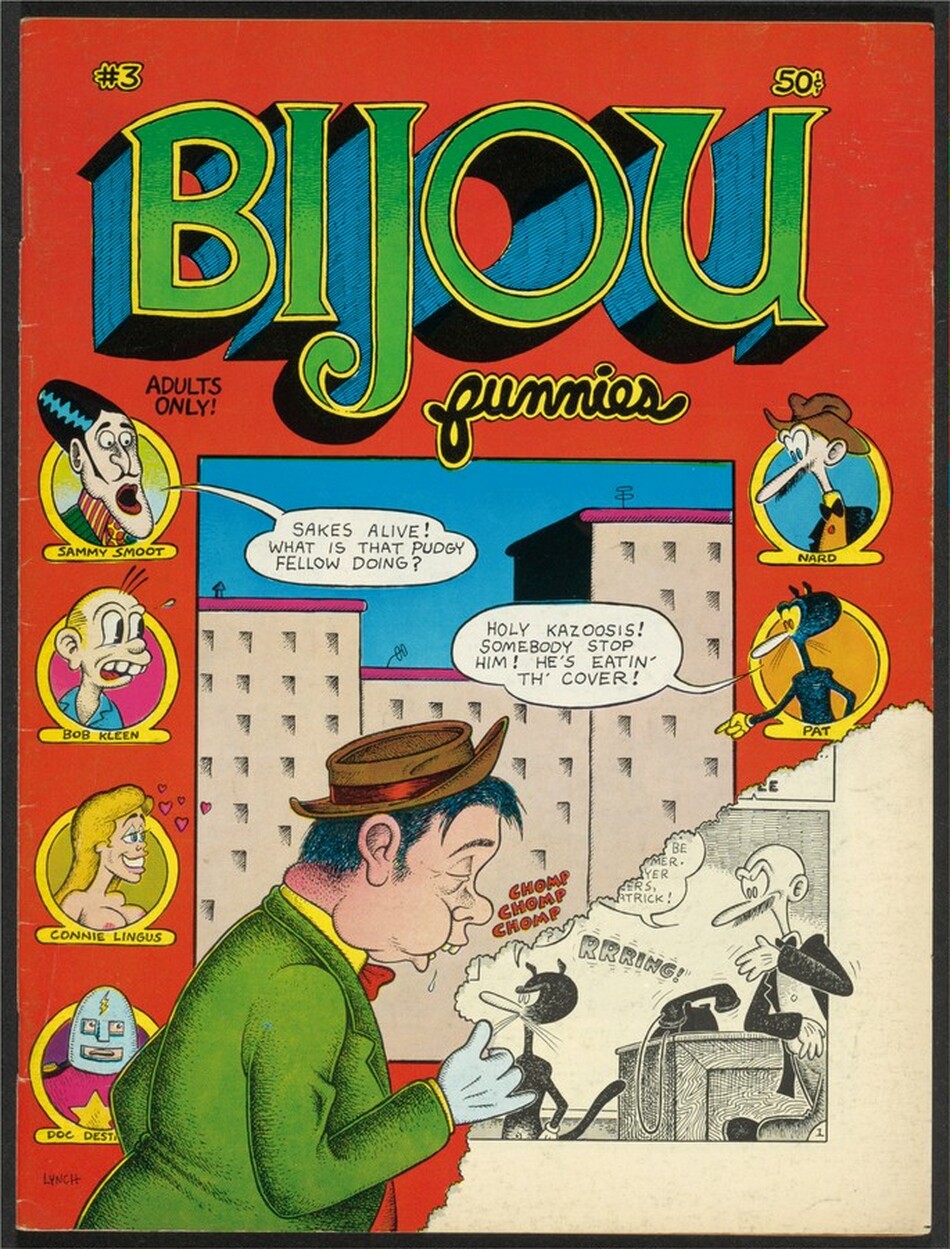
  • This is a drawing of a comic book cover. The title "BIJOU funnies" is displayed in colorful lettering at the top. The background is predominantly red with various comic characters. In the center, a cartoon character appears to be eating the cover with the words "CHOMP CHOMP CHOMP" and the quote, "HOLY KAZOOSIS! SOMEBODY STOP HIM! HE'S EATIN' TH' COVER!" In the background, there is a cityscape with a building and a figure using a telephone in black and white. Six circular panels along the sides feature comic characters named Sammy Smoot, Bob Kleen, Connie Lingus, Doc Dest, Nard, and Pat. The style is reminiscent of underground comix.
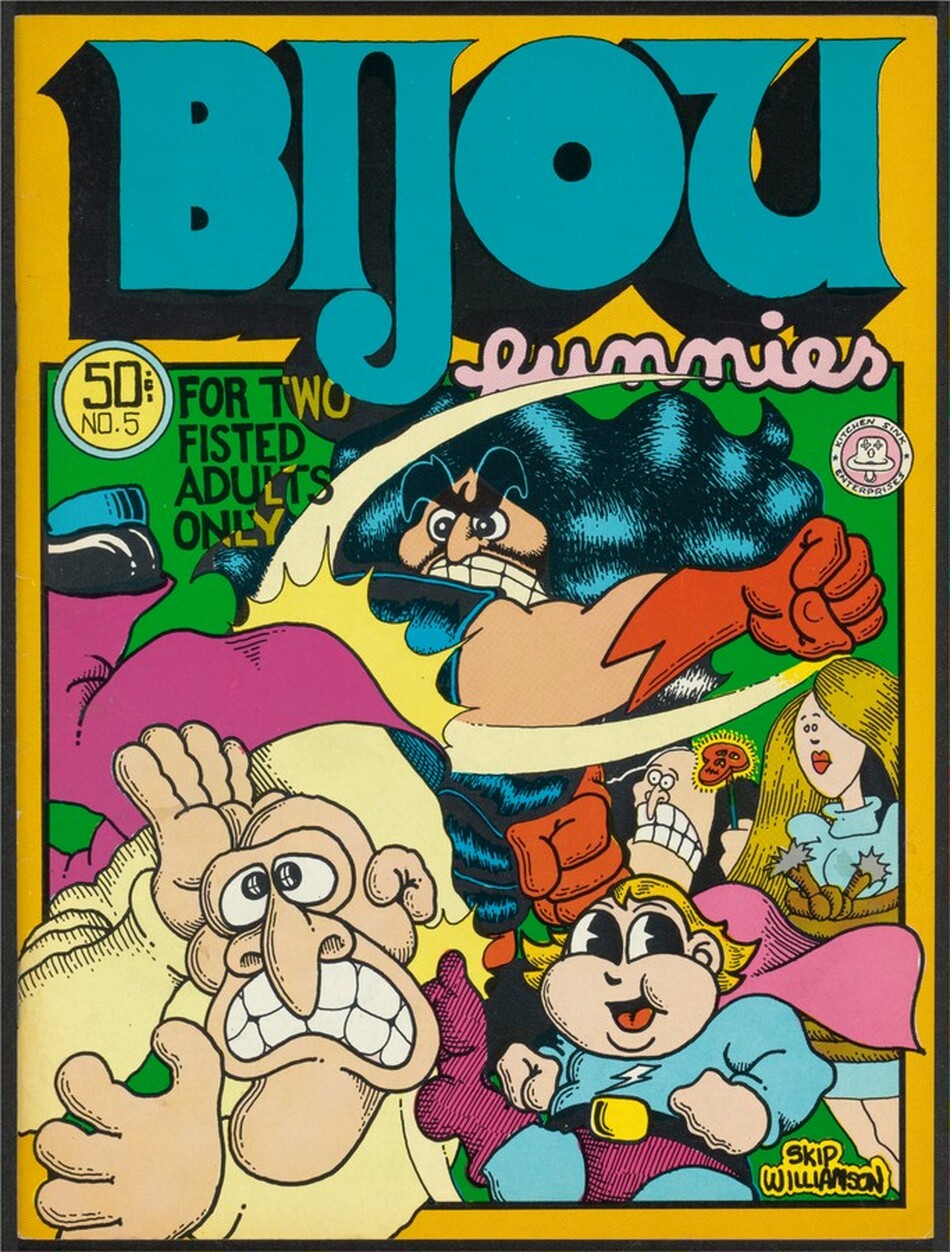
  • This is a comic book cover featuring various cartoon characters and the title "BIJOU FUNNIES". The main character is a muscular figure with exaggerated features. Other characters include one with a large head and expressive face, and a small character in a superhero outfit. The image is colorful with characters showcased in lively poses. Additional text on the cover indicates it is "For Two Fisted Adults Only" and is priced at 50 cents.
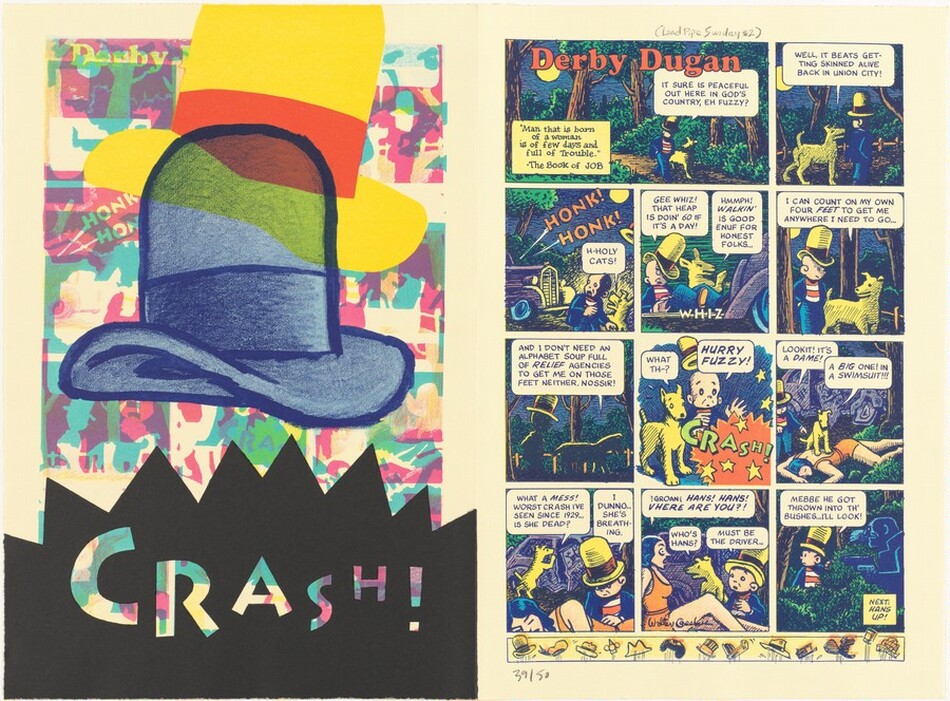
  • This is an image with a colorful illustration featuring a comic strip and dynamic graphic design. On the right side, there is a comic strip titled "Derby Dugan" with several panels showing colorful characters and various scenarios in vibrant blues, yellows, and greens. On the left side, there is a graphic image of a hat layered in different colors set against a background of multicolored abstract shapes with the word "CRASH!" at the bottom. The artwork combines comic storytelling with bold, abstract elements for a lively visual experience.
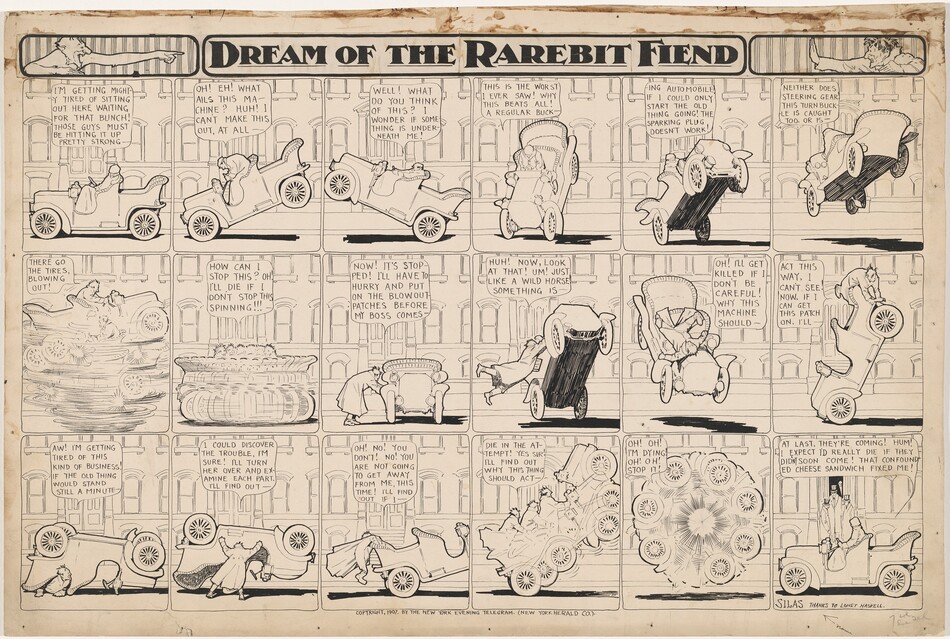
  • This is a drawing of a comic strip titled "Dream of the Rarebit Fiend." The image includes a sequence of panels depicting a humorous situation involving a vintage automobile. Each panel contains detailed ink illustrations with text in speech bubbles. The story shows a series of misadventures with the car causing chaos. The style is typical of early 20th-century newspaper comics, with clear lines and shading. The comic uses exaggerated motion and expressions for humor, and it ends with a character waking up, indicating it was a dream.
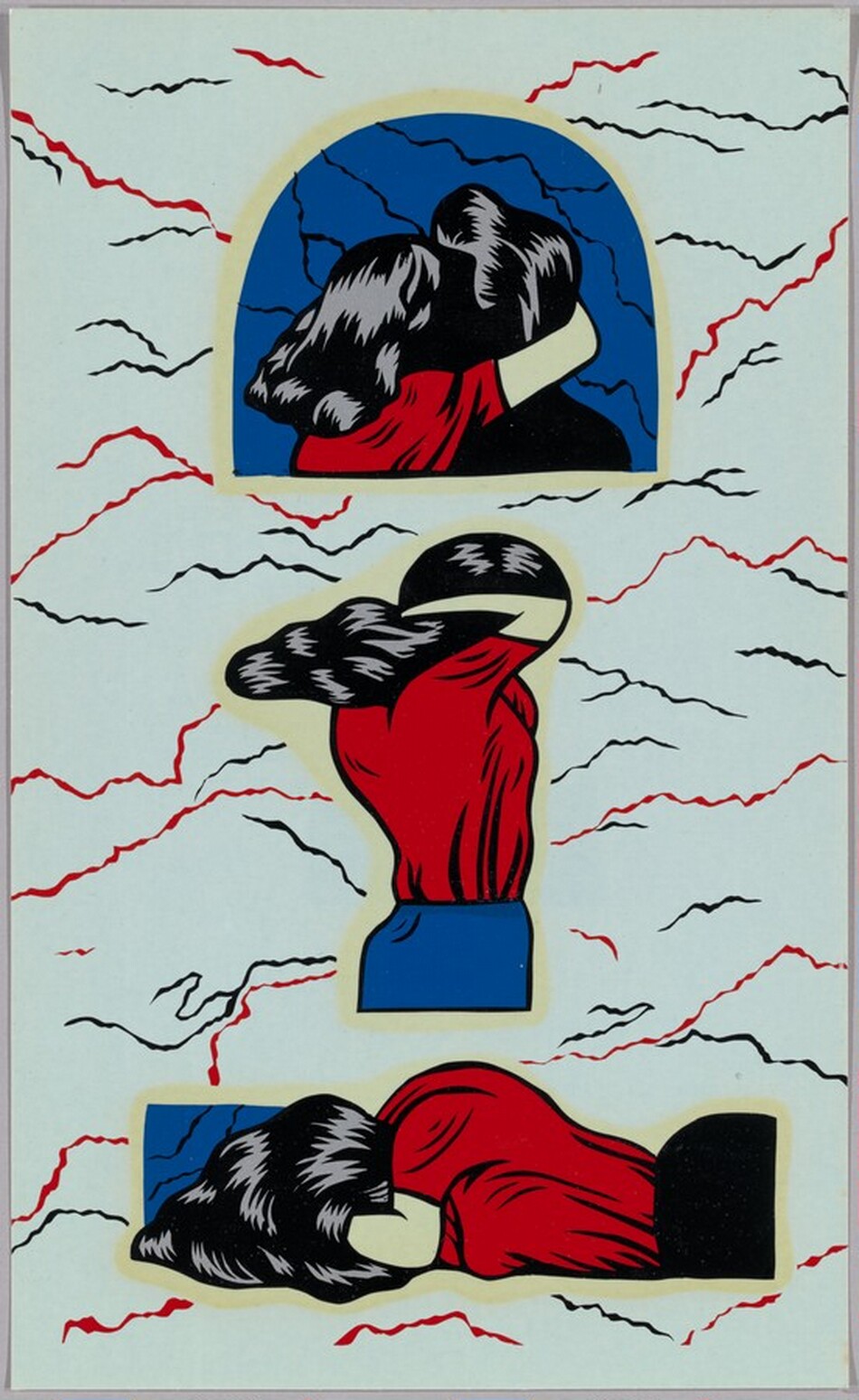
  • The image consists of bold, swirling lines and shapes against a pale background. Three figures in vivid red garments are depicted in different positions—one beneath an arched frame, another upright, and the last lying horizontally. Their dark, flowing hair resembles waves or fabric blowing in the wind. Wavy, jagged lines in black and red surround the figures, enhancing the abstract nature of the scene.
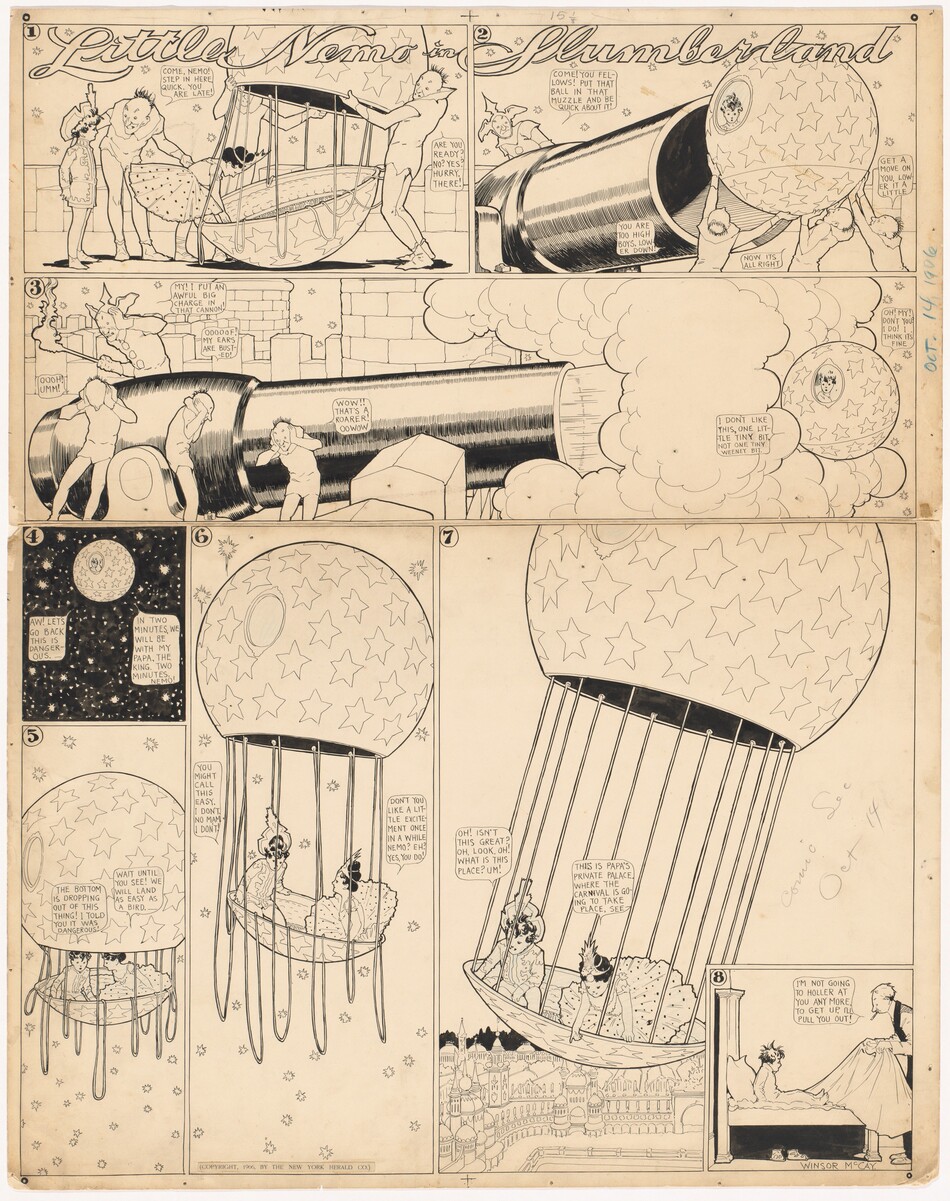
  • The drawing depicts a whimsical journey to a dream realm, illustrated in a series of scenes. The narrative unfolds in eight panels, showing different stages of the adventure from preparation and launch to the characters' travel through the skies. Characters interact with a large cannon, preparing for launch. They then board a star-patterned sphere and drift through the sky, surrounded by stars and moons. Dialogue in speech bubbles adds a playful tone as characters express excitement and curiosity. The final panel shows the main character waking up in bed, revealing that the journey was a dream.
  • This is a drawing of a bedroom with baby-like figures hanging from the ceiling. The room features a grand bed with an intricately carved headboard. Above the bed, multiple cherubic figures swing and frolic from the drapery and ceiling ornaments, creating a whimsical atmosphere. The room's decor is lavish, with classical elements such as a decorative panel featuring a figure in relief. The image conveys a sense of humor and fantasy with its contrasts between the formal setting of the room and the lively antics of the cherubs above.
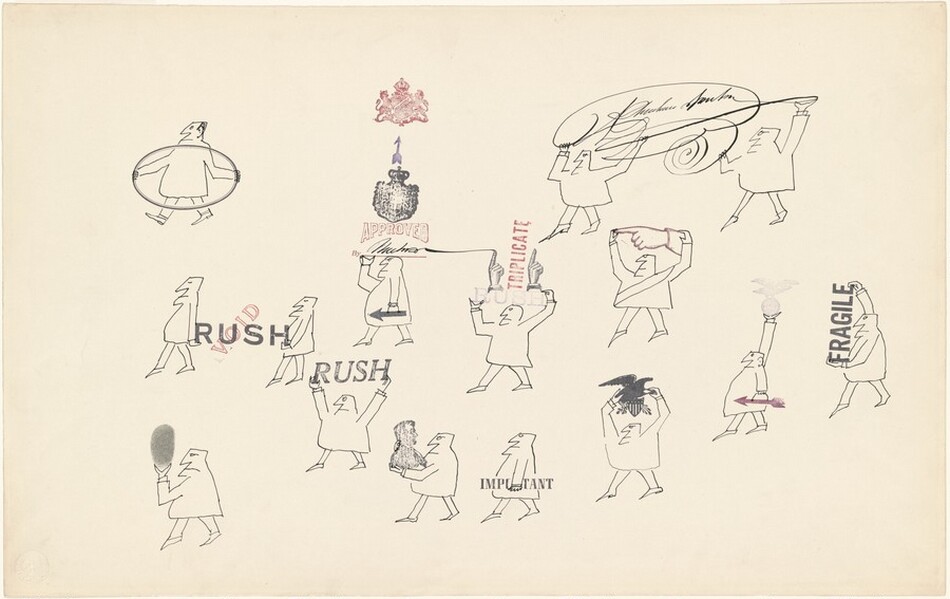
  • The image shows a series of minimalist line drawings of figures with triangular heads and rectangular bodies in dynamic poses. The figures interact with stamped text and symbols like "APPROVED," "RUSH," "FRAGILE," and "TRIPLICATE" displayed in bold typography throughout the composition. The drawings feature exaggerated angular noses and suggest movement, resembling individuals engaged in activities related to handling packages, signs, stamps, and labels. The artwork evokes a busy mailing or stamping process, with the figures resembling workers managing various tasks and documents.
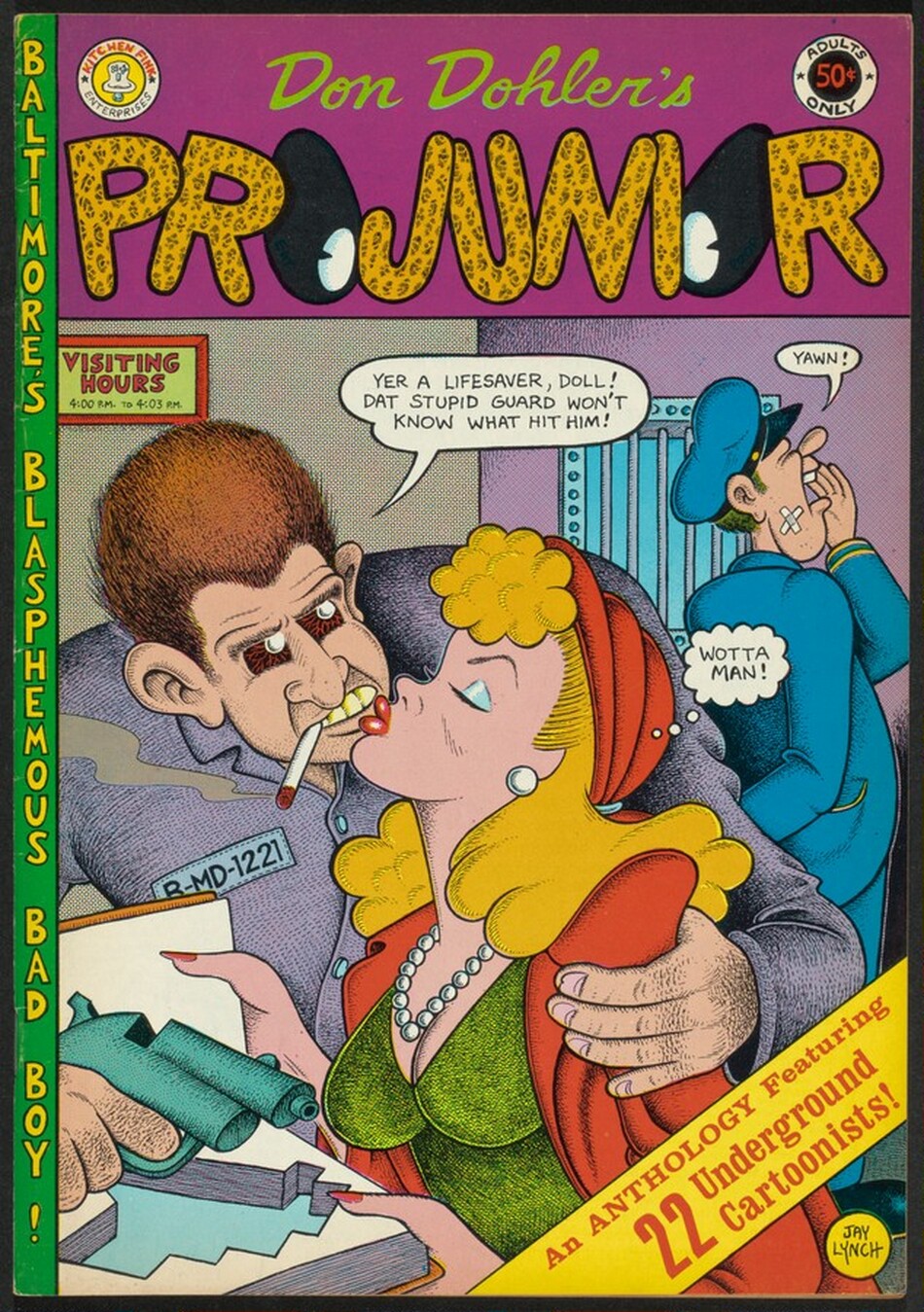
  • This is a drawing of a comic book cover. The cover features bold, colorful cartoon illustrations with exaggerated features and expressions. The main scene shows a man with a cigarette in his mouth embracing a woman with bright yellow hair and a red dress. The woman is holding a green toy-like gun while the man holds a folder or document. In the background, a guard in a blue uniform is yawning. The cover is designed with vibrant colors and bold outlines. It contains speech bubbles with phrases such as "Yer a lifesaver, doll..." and "Wotta man!" The title reads "Don Dohler's Projunior," and there are various text elements and embellishments typical of comic book covers.
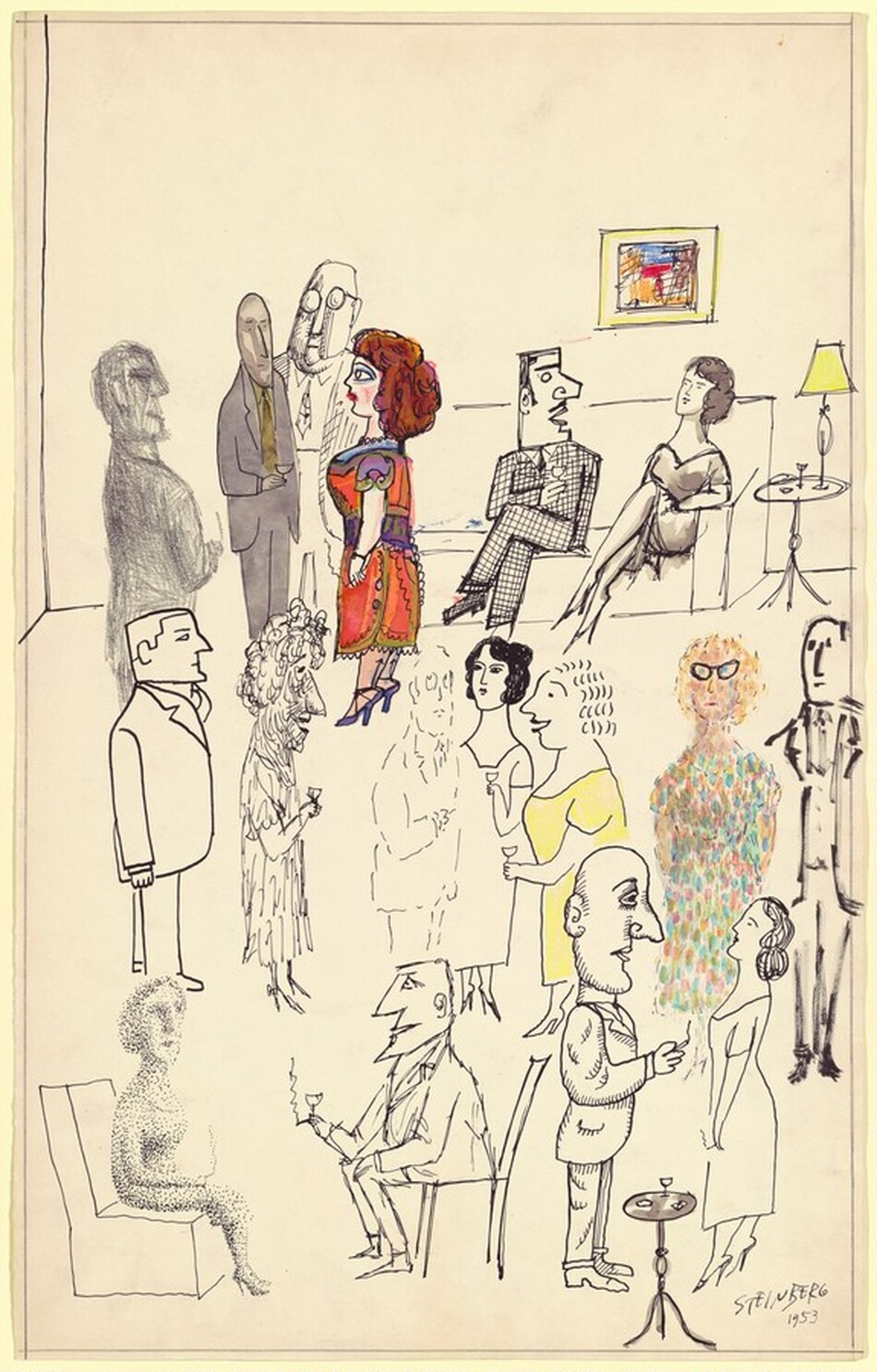
  • The image shows a man from the knees up, standing in a relaxed position. He has a bald head and is wearing round glasses. His look is neutral with no visible eyebrows, and he has a slightly curved nose. He is dressed in a plain sweater with rolled-up sleeves. His left hand holds a small object. The background consists of a wall filled with various artworks of different sizes and styles. To his left is a table cluttered with art supplies.
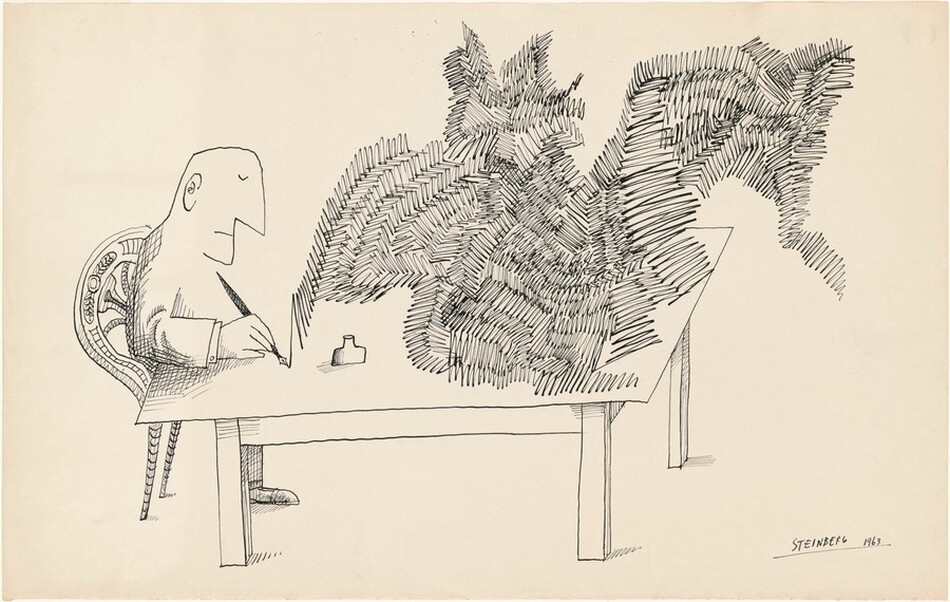
  • The image shows interwoven lines creating a dense mass above a desk. The lines resemble a cloud or smoke. A person with a distinctive triangular nose and closed eyes sits at the desk holding a pen over paper. An ink bottle is on the table. The setting is minimalistic.
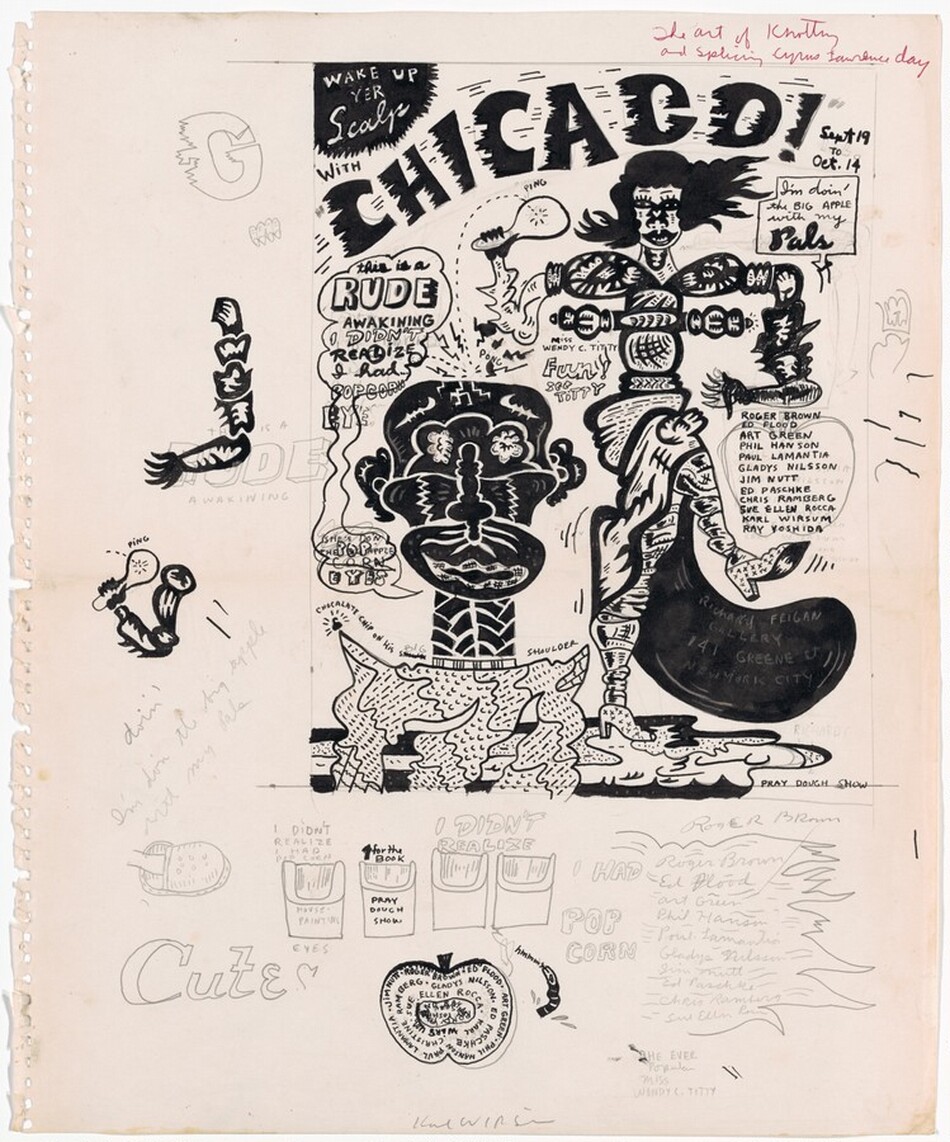
  • The image displays a mix of shapes and lines in a disorganized and layered arrangement. The top features the word "CHICAGO" in bold, blocky lettering, surrounded by scattered text and graphics. Various elements like a flexing human figure, patterns, and textures are present, along with objects like an apple, glasses, and facial features.
  • The image features a comic book cover with two characters depicted in a classic style. The male character has dark blue hair, sharp facial features, and wears a green suit with a polka-dot tie featuring a pin-up illustration. The female character has light brown hair, wears blue and purple earrings, and a purple and black polka-dot outfit. The background shows a blue sky with a city skyline and the title "Young Lust" in bold red and yellow. The cover includes dramatic dialogue in a speech bubble and mentions that this is an "adult material" comic.
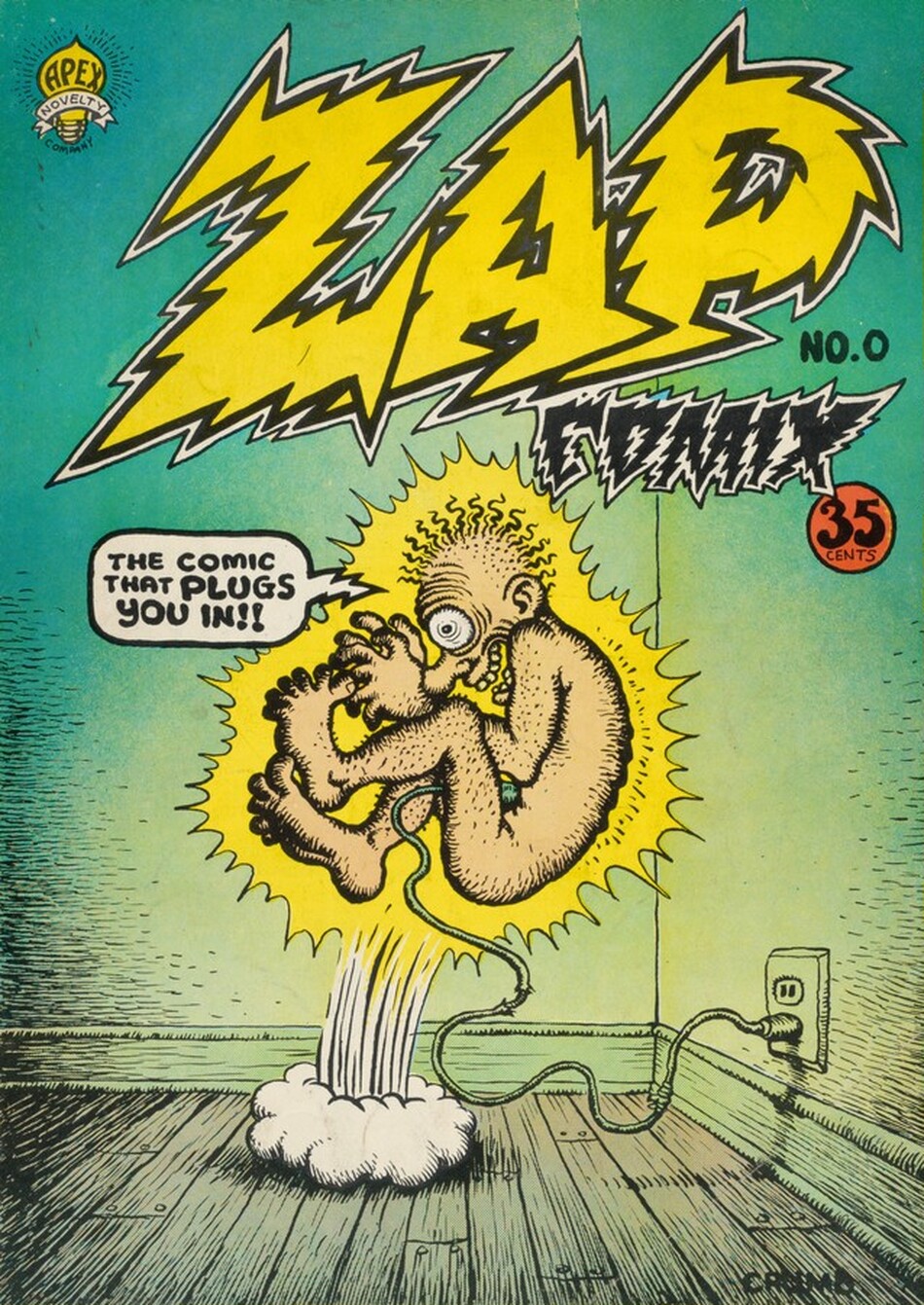
  • This is a drawing of an electric-themed comic book cover. The cover features a title, "ZAP," written in large yellow letters with a black outline. Below the title, there is an image of a stylized human-like figure in a fetal position, surrounded by a yellow aura. The figure appears to be connected to a wall socket via an electrical cord. The background is a gradient of blue to green, with simple interior space elements. Text elements include "No. 0" and "35 cents" indicating the issue number and price.
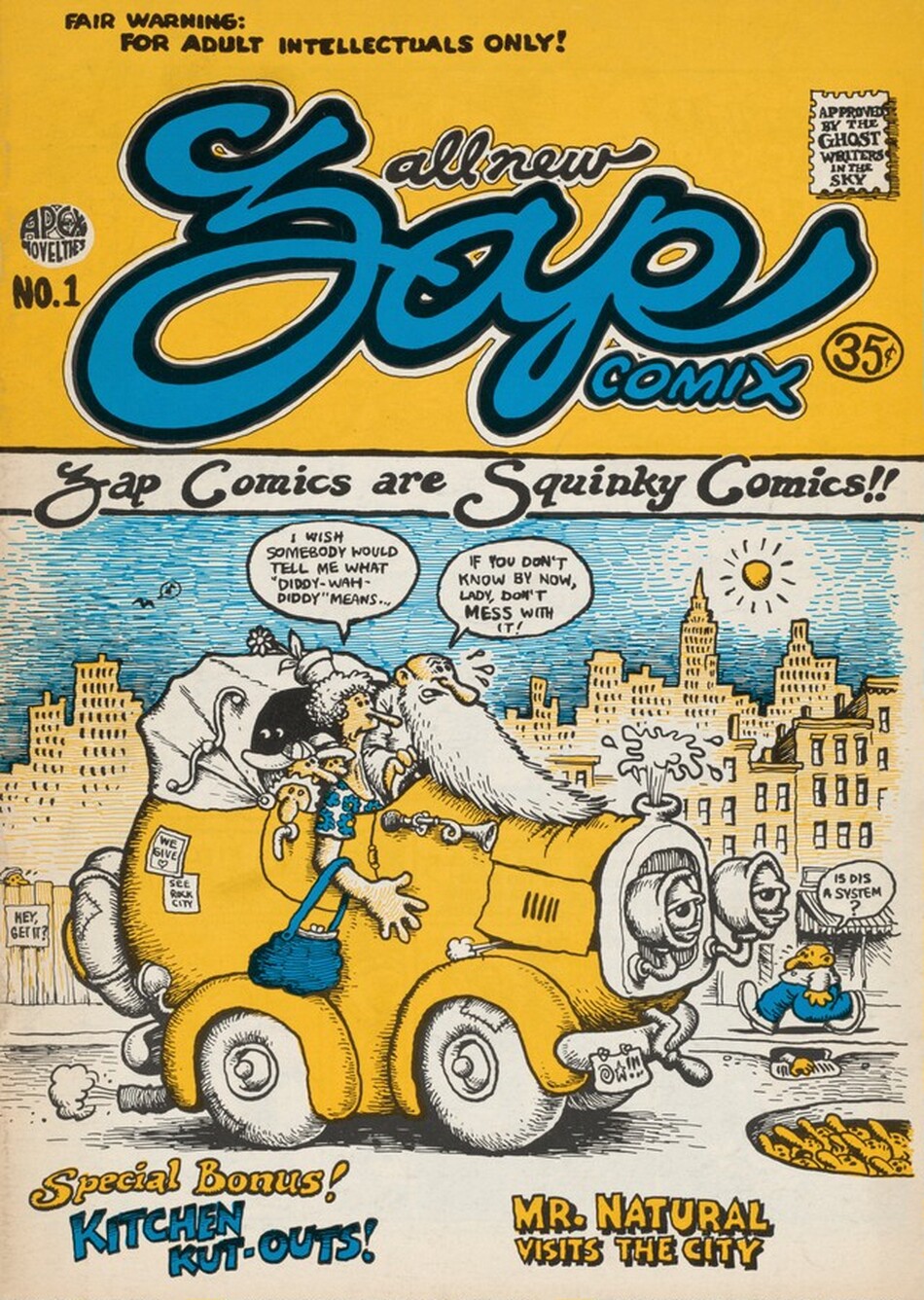
  • This is a drawing of a comic book cover featuring a city scene. The cover presents a blend of intricate line art and vivid colors in a comic style. The top half of the cover displays the text "Zap Comix" and a warning stating "For Adult Intellectuals Only!" Below the text, a scene unfolds: a cartoonish vehicle is being driven through a cityscape. The vehicle has exaggerated, expressive eyes and a face. It is piloted by a fantastical figure wearing a long hat and robe. The skyline in the background is stylized with blocky buildings under a bright sun. The drawing includes speech bubbles with humorous remarks and phrases like “If you don’t know by now, lady, don’t mess with it.” The comic is titled "Mr. Natural Visits the City" and mentions special content with "Kitchen Kut-Outs." The style is illustrative and playful, with an irreverent, counterculture tone.
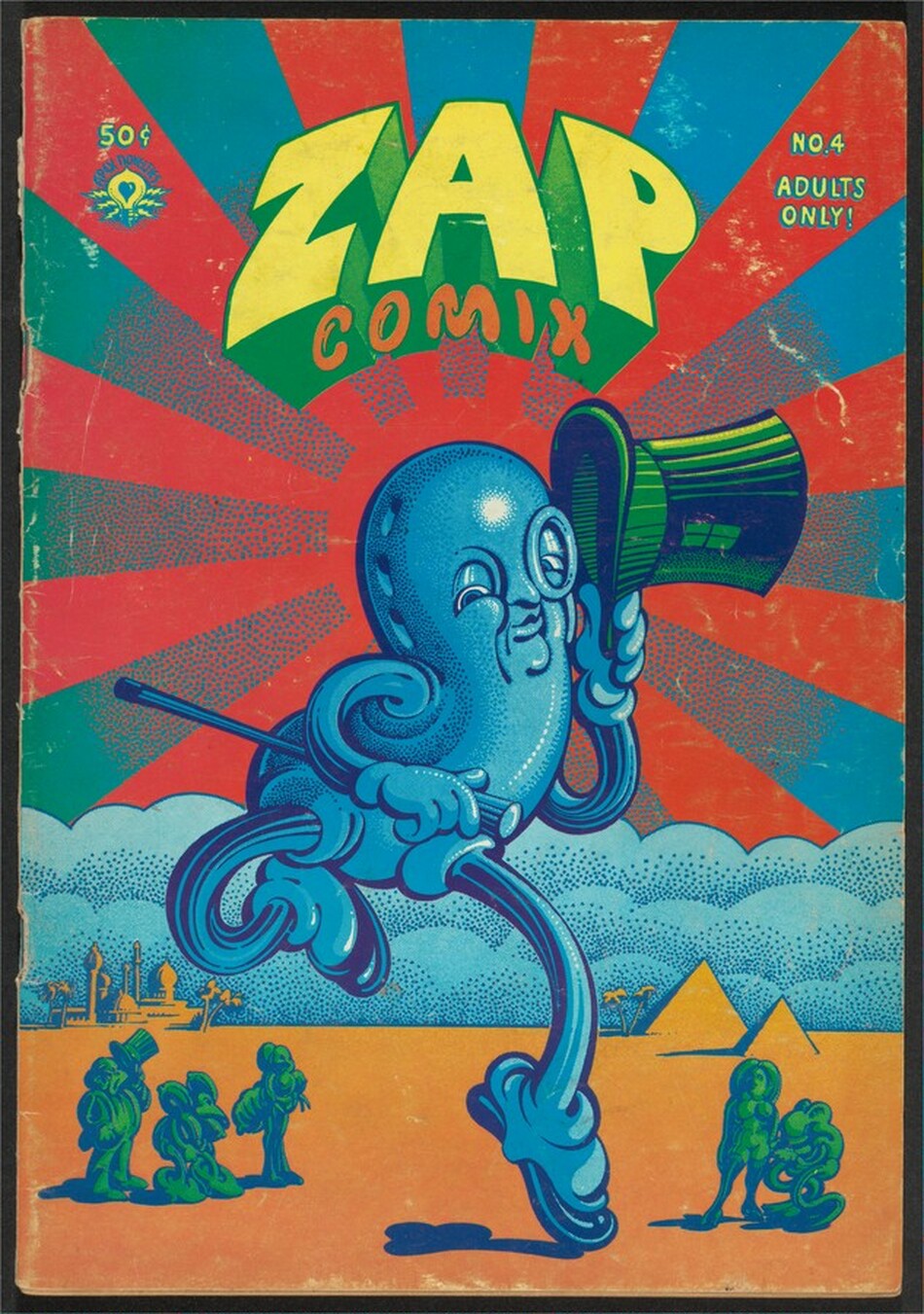
  • The cover comprises bold, sweeping lines creating a central blue, tentacled figure with exaggerated limbs, crossing a horizon filled with clouds and pyramids. This abstract character resembles an octopus, with a top hat in one arm. In the background, there are pyramids against a radial burst pattern of red and blue, along with green figures and a cityscape. The words "ZAP COMIX" are arched across the backdrop in yellow typeface.
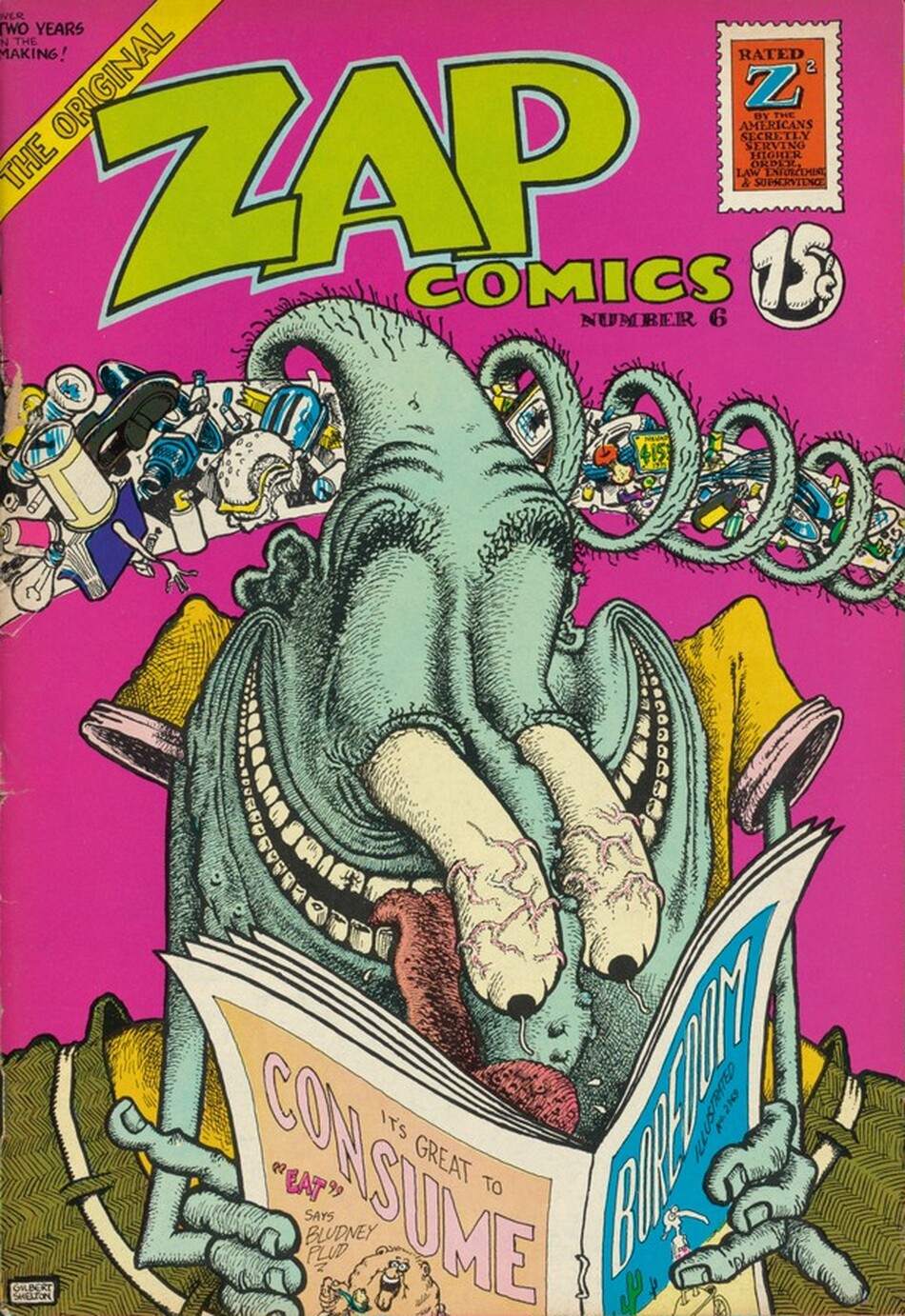
  • This is a drawing of a creature holding a comic book. The creature has exaggerated features, including a large nose, multiple eyes, tusks, and a broad grin. The comic book is titled "CONSUME" and "BOREDOM ILLUSTRATED," with outlandish lettering and graphics on the cover. The background is bright pink. The creature is surrounded by a spiral of objects, including household items and food. The artwork may be inspired by underground comix and satirical pop art, with a critique of consumer culture.
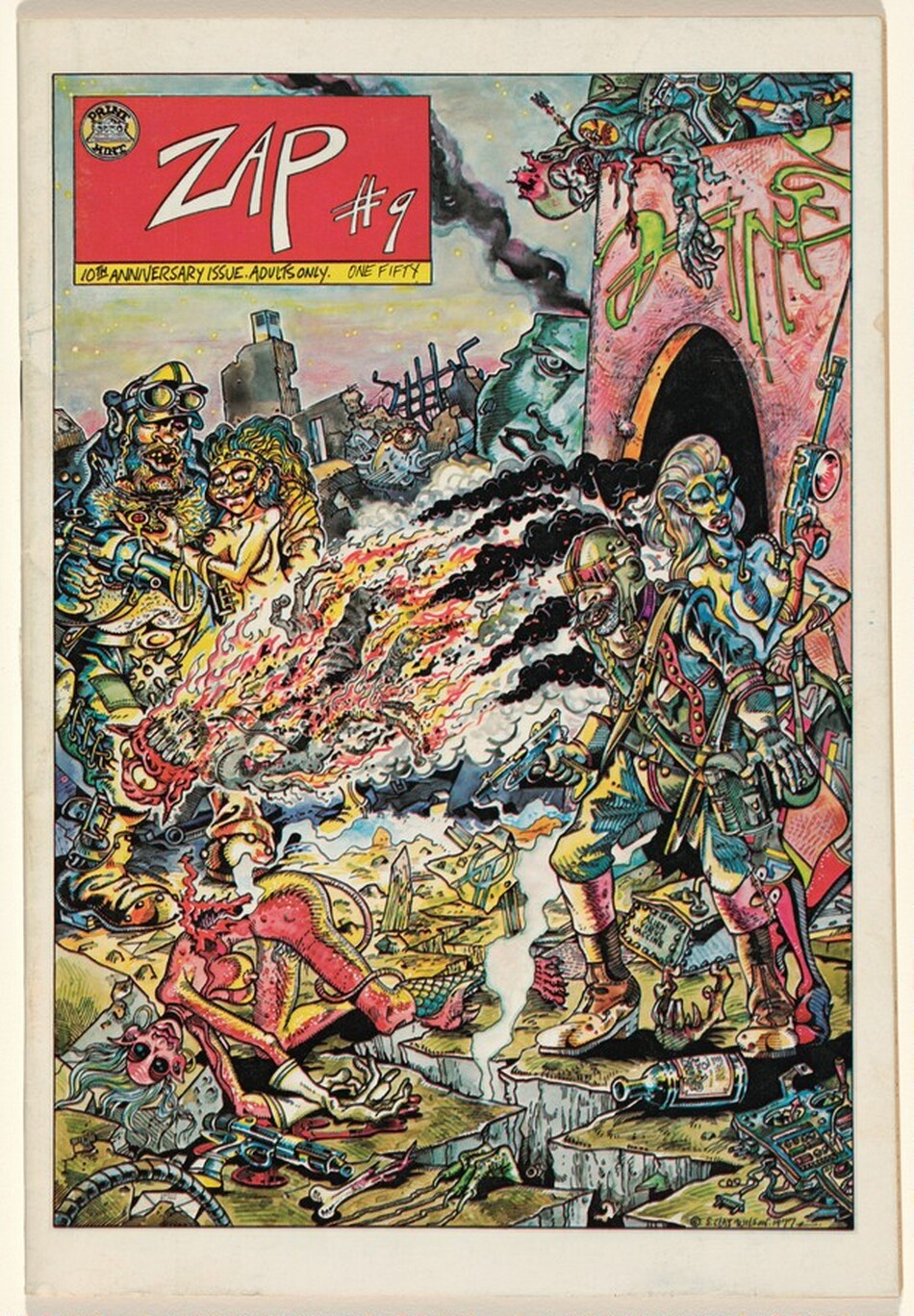
  • This is a painting of a post-apocalyptic scene with characters and debris. The artwork depicts a detailed and colorful dystopian landscape filled with surreal elements. There are characters wearing costumes, some carrying weapons, and flames erupting into the sky. The background is filled with ruins and abstract forms. The bottom part of the image shows debris, including mechanical and skeletal remnants. The style is reminiscent of underground comic artists like Robert Crumb, with intricate linework and a psychedelic flair.

Explore more

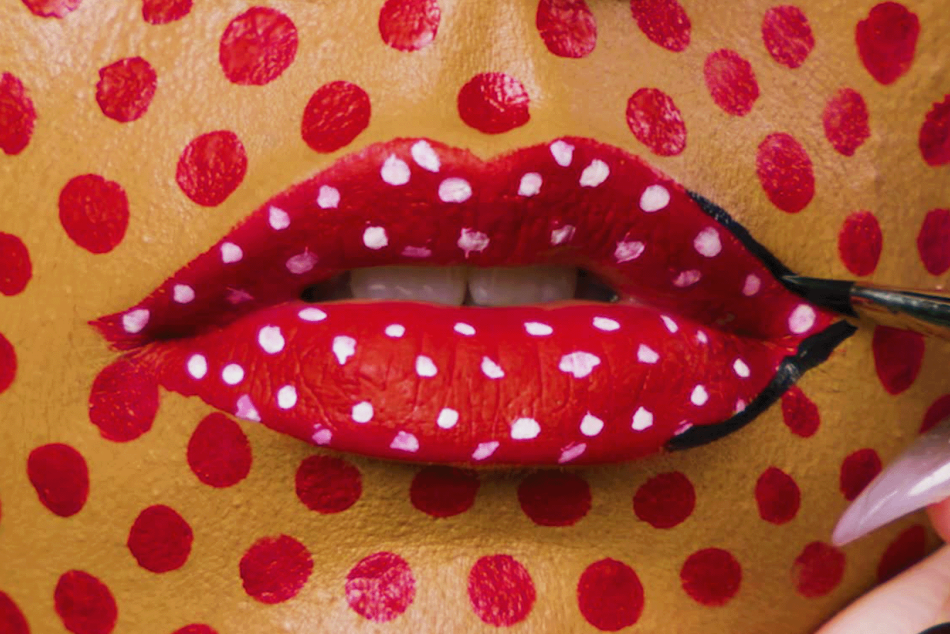
Video:  Oddly Satisfying: Pop Art Makeup Inspired by Roy Lichtenstein

Roy Lichtenstein’s 1965 Reverie acts as an inspiration for an incredible, Pop Art-style makeover. 
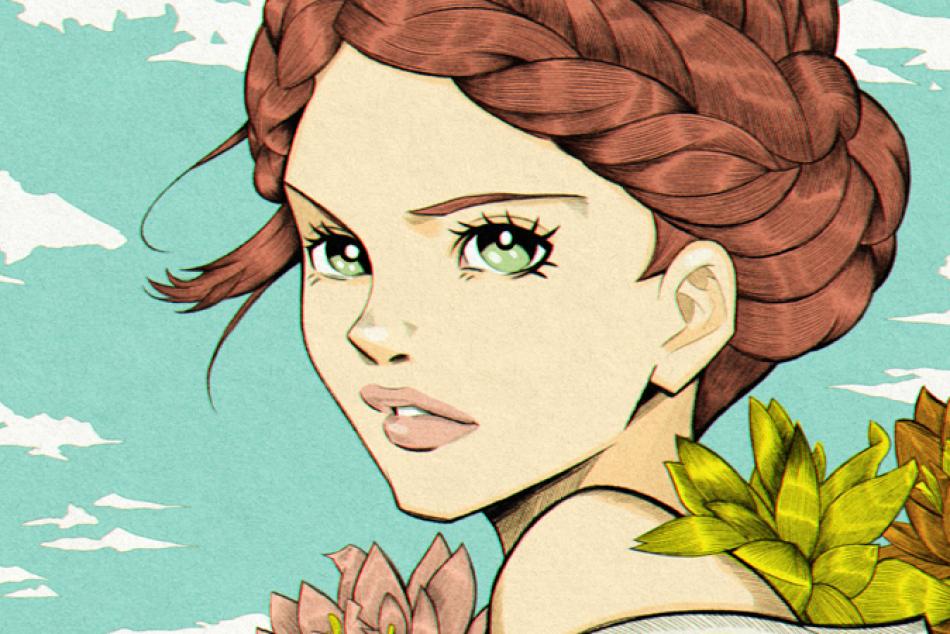
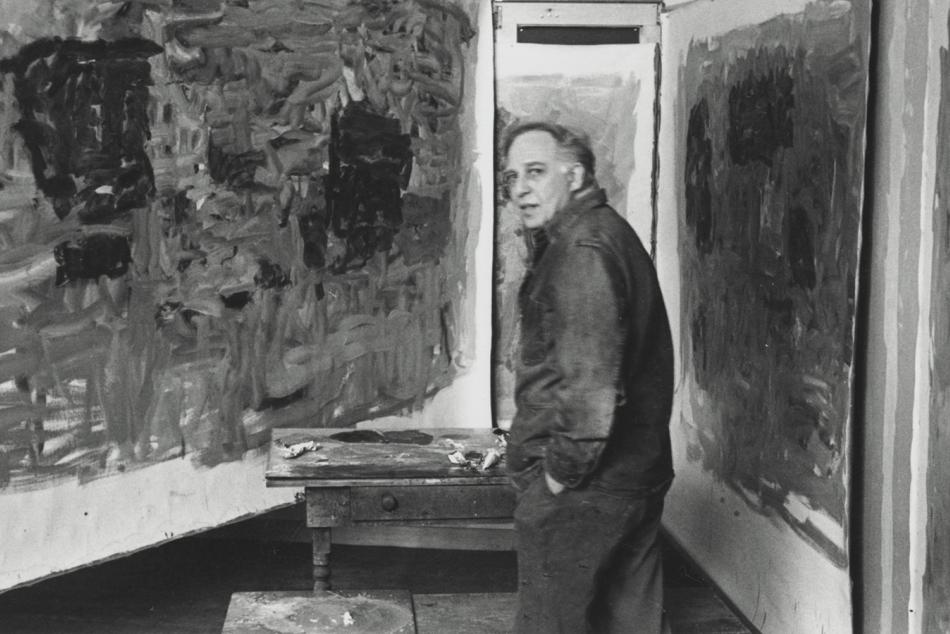
Article:  Who Is Philip Guston? 10 Things to Know

Get up to speed on one of the most influential American modern artists.
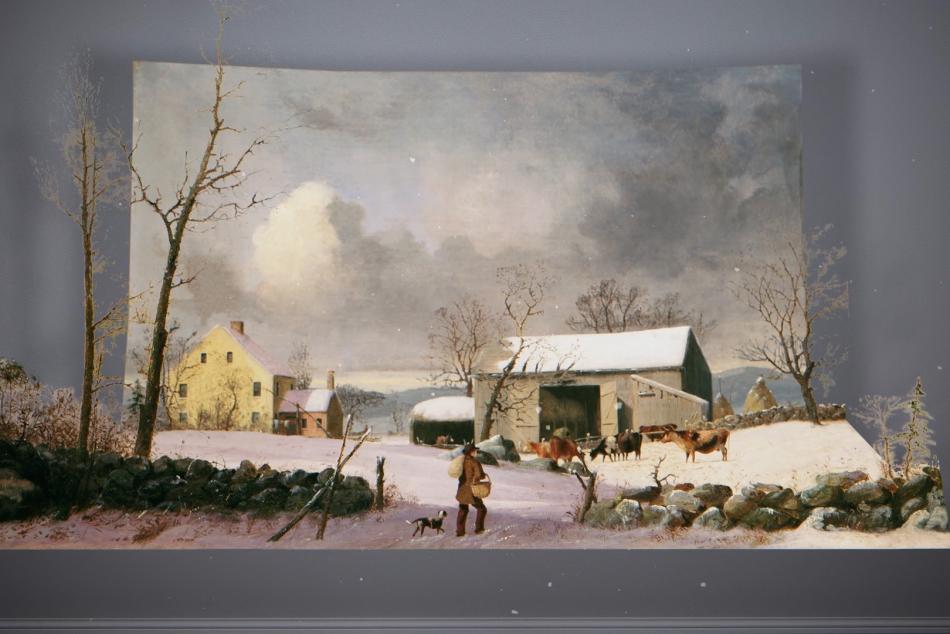
Video:  Take a Walk Through George Henry Durrie’s “Winter in the Country”

Watch the painting come to life as its lone figure walks through the snow with his trusty dog.

You may also like
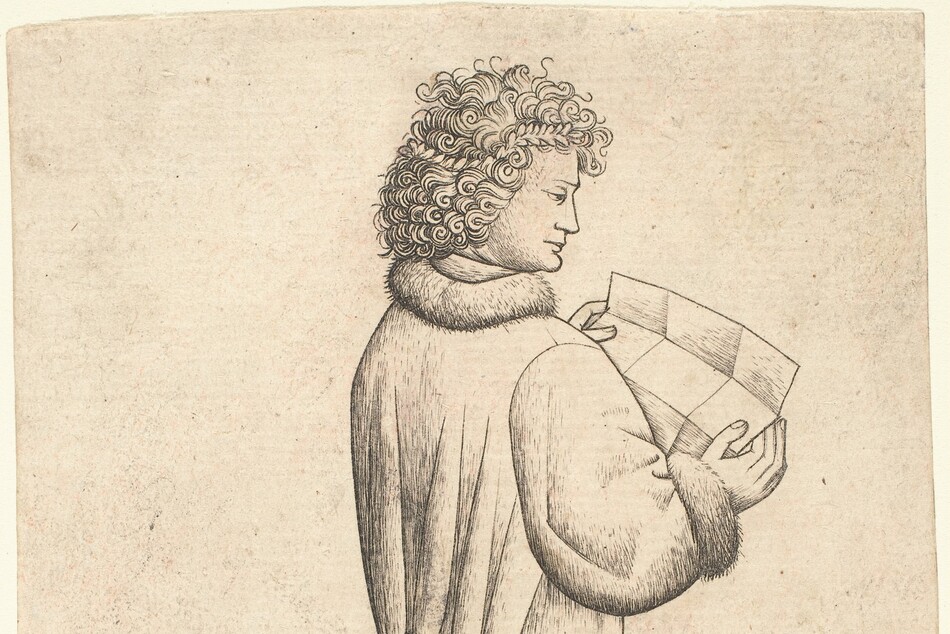
Printed with fine black lines on cream-white paper, a man wearing a knee-length tunic and reading from a piece of unfolded paper faces our right against a mostly blank background in this vertical engraving. The man's right shoulder, closer to us, is angled in a way that suggests his torso is turned slightly away from us even though his feet and face are shown in profile. A narrow wreath is almost lost in his dense curls, and he has a straight nose and prominent chin. His fur-lined tunic is belted low across his hips, and a dagger hangs from his belt. His pointed clog-like shoes seem to slip onto his feet like sandals, and he stands on a grassy field in an otherwise empty space. Creases in the paper he holds suggests it had been folded into nine sections.

Prints

Printmaking has played a key role in spreading artistic styles, scientific diagrams, and ideas around the world. A printmaker first creates a design on a matrix—a surface often made of metal, wood, or stone. They then apply ink and press paper or fabric to the matrix, transferring the design. This process can be repeated, creating multiple works.
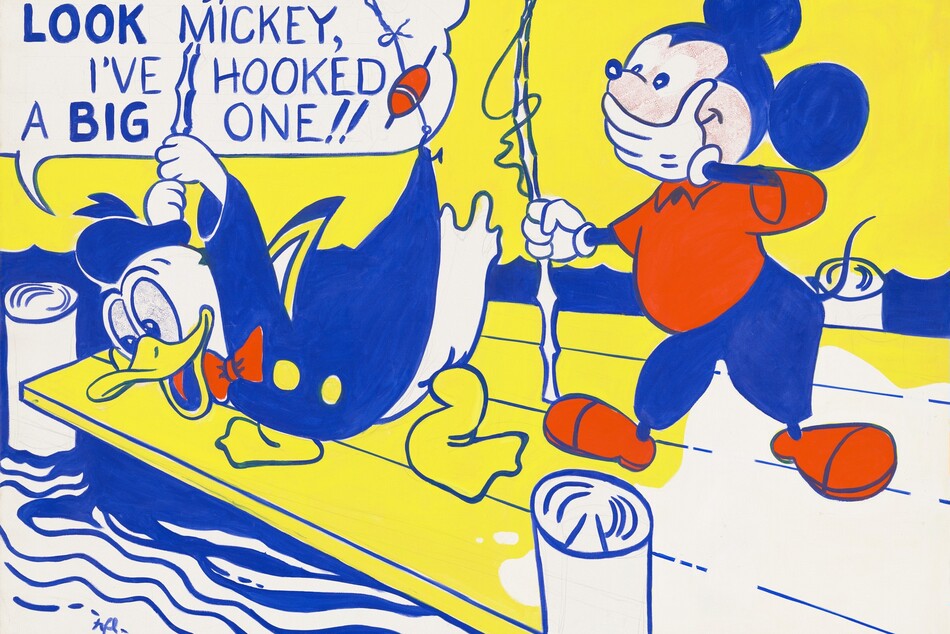
The Disney cartoon characters, Donald Duck and Mickey Mouse, fish off a dock in this horizontal painting. The scene and characters are painted entirely flat areas of canary yellow, cobalt blue, tomato red, and white. To our left, Donald leans over the edge of the dock with his feet spread and duckbill hanging open. He has a white body outlined in blue, big eyes filled with a pattern of tiny blue dots, and yellow feet and duckbill. He wears a blue sailor’s hat and jacket with a red bow tie and yellow circles indicating buttons. He holds a fishing pole with an oval, red bobber near the fishhook high over his head. The pole has bent back with the fishhook snagged on the back hem of Donald’s jacket. A white speech bubble over Donald’s head is outlined in blue, and blue text inside reads, “LOOK MICKEY, I’VE HOOKED A BIG ONE!!” Mickey stands to our right, covering his smiling mouth with his left hand, on our right, and holding an upright fishing pole with the other hand. His round face is filled with a pattern of tiny red dots, and his curving hairline and ears are blue. He wears blue pants, a red shirt and shoes, and white gloves. The dock is mostly yellow with a white area on the right. Its planks and three white, round posts supporting it are outlined in blue. Rippling water surrounding the dock is defined by wavy lines and undulating bands of blue against a yellow background. The artist signed his initials in the lower left, “rfl.”

Pop

Emerging in the 1960s, pop art drew from commercial formats like advertising, comic strips, newspapers, and movies. Artists such as Andy Warhol, Roy Lichtenstein, and Marjorie Strider made art that seemed to lack personal touch. They left it to the viewer to decide whether these works celebrated or criticized consumerist society.