


Past Exhibition
Niagara Falls

Details
-
Locations
 West Building
West Building Main Floor, Gallery M72
Explore the symbolism of Niagara Falls from the early 19th century to today.
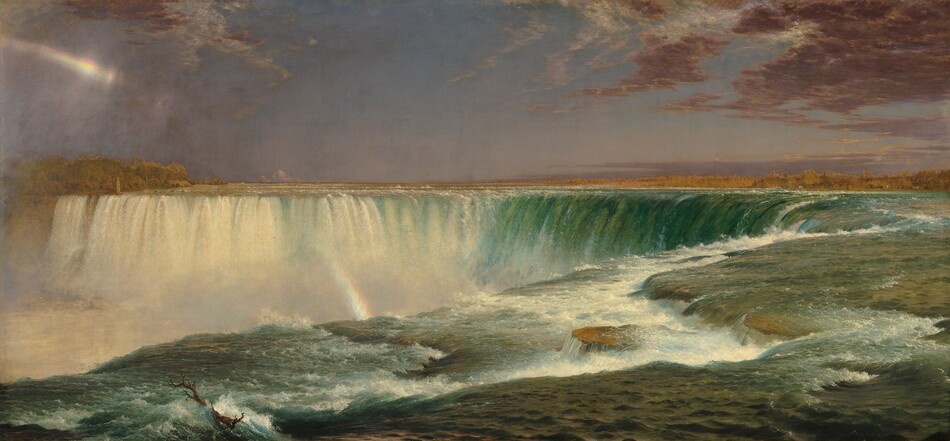
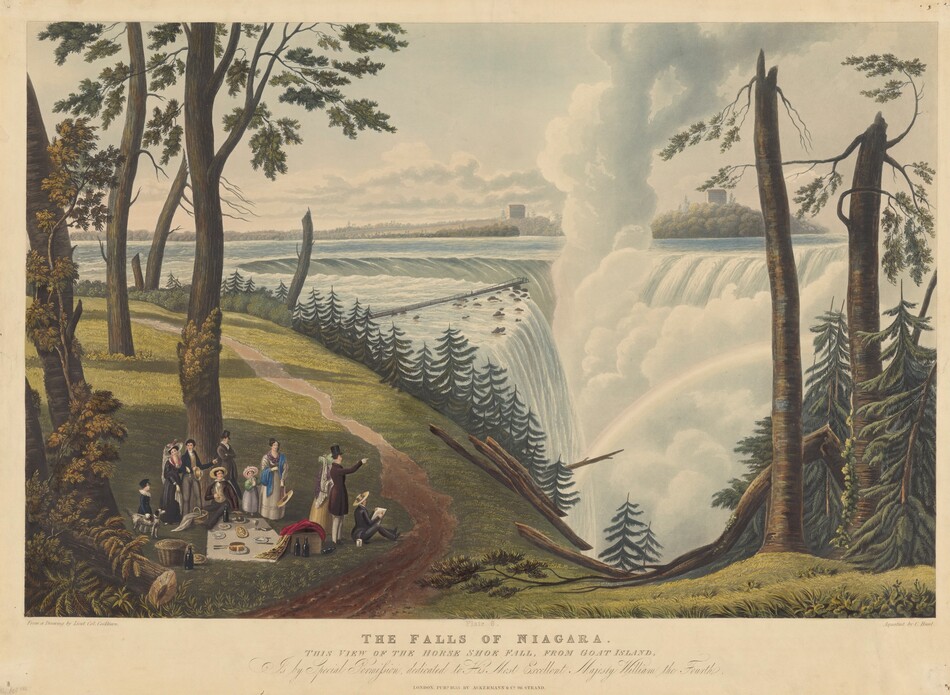
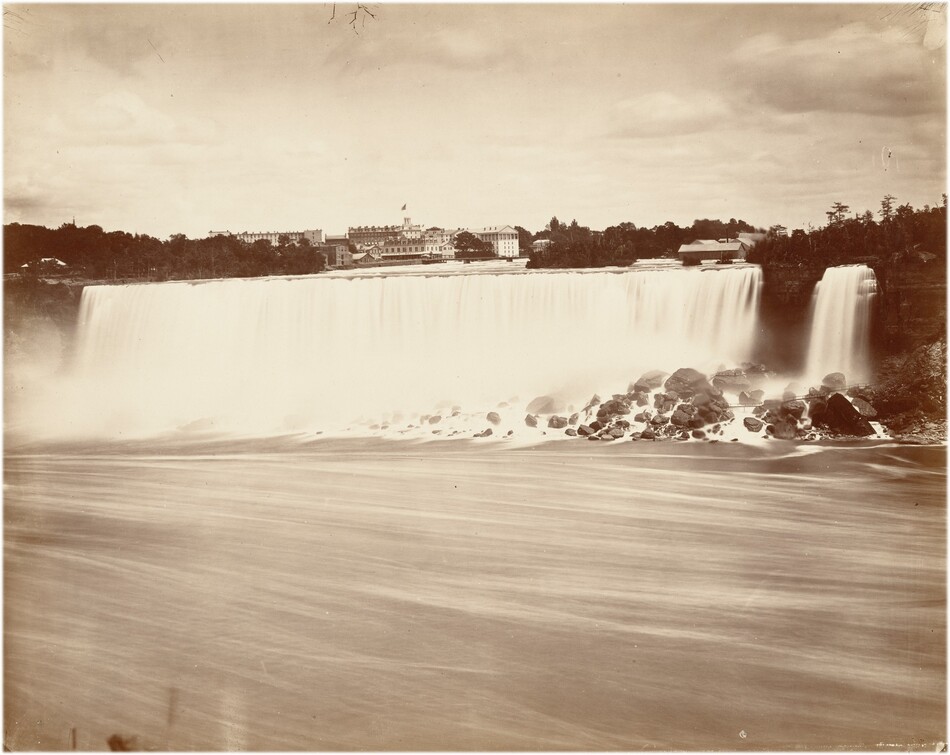
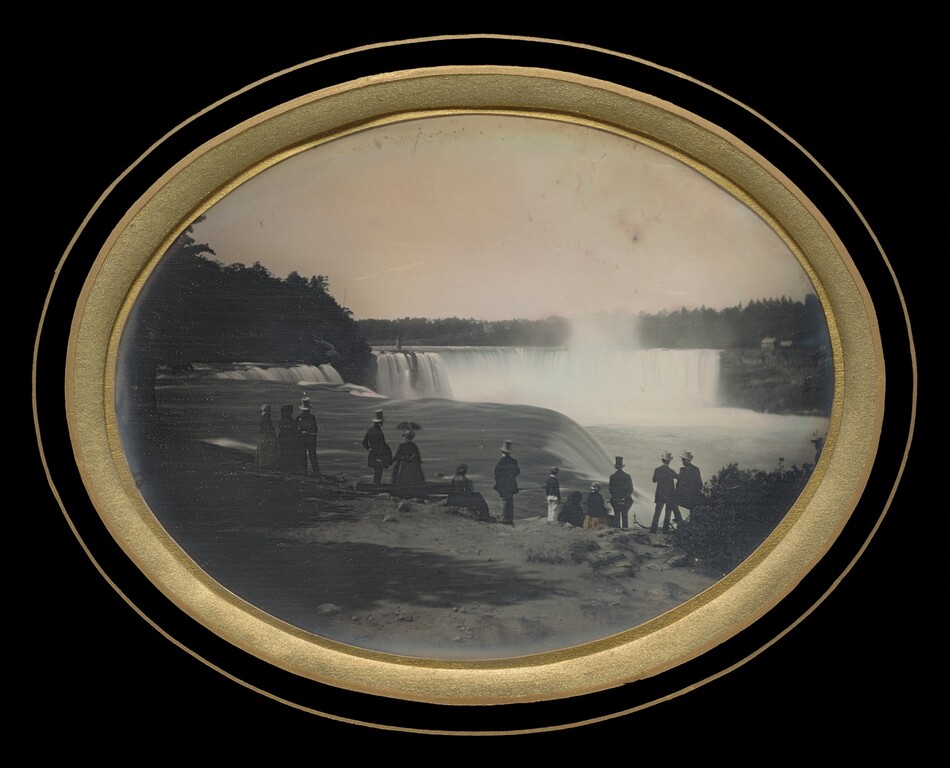
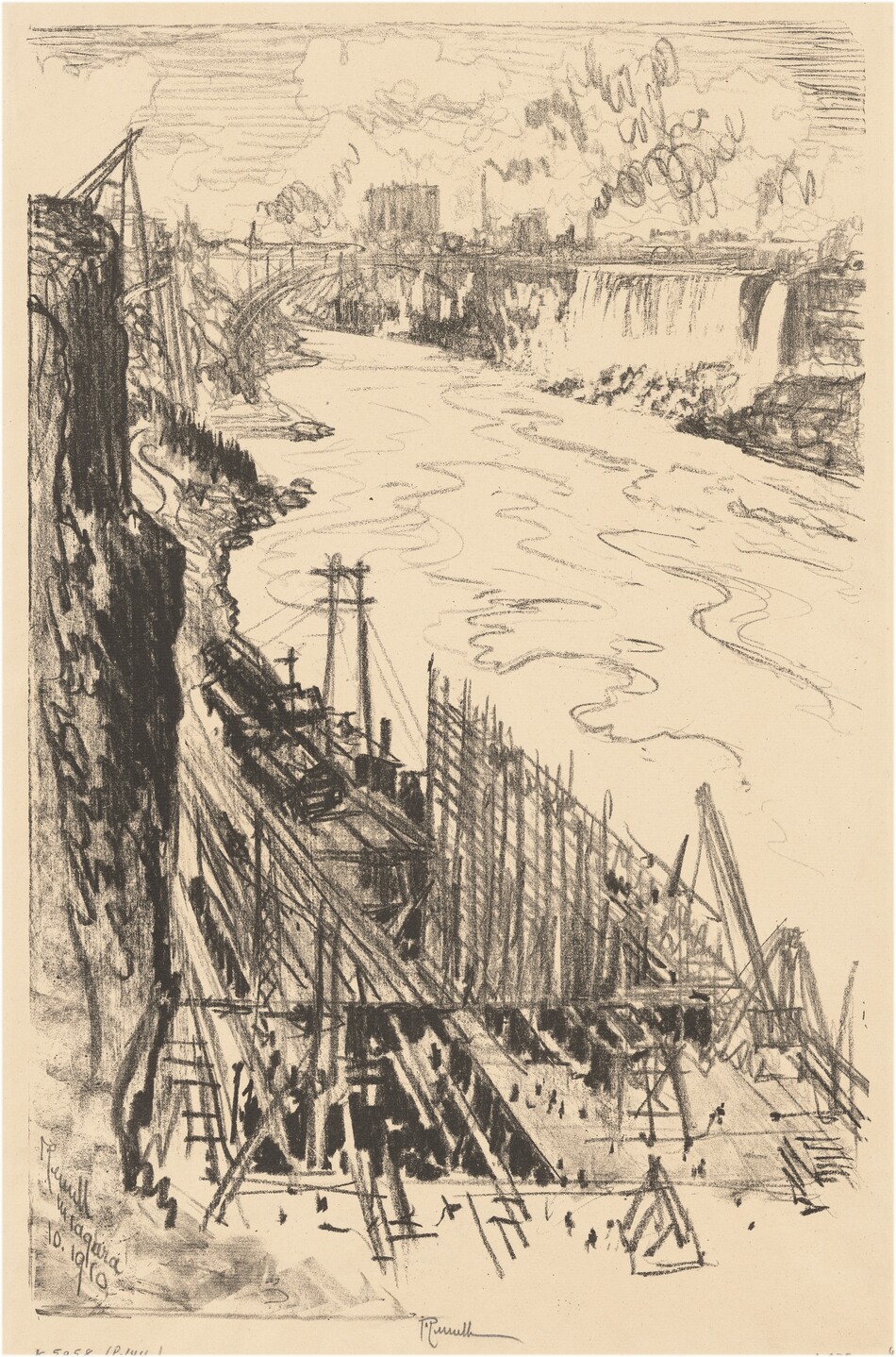
Niagara Falls is one of the greatest natural wonders of the world. Come explore over 20 works of art that show how the site’s histories and meanings have evolved over the last two centuries.
Selected works
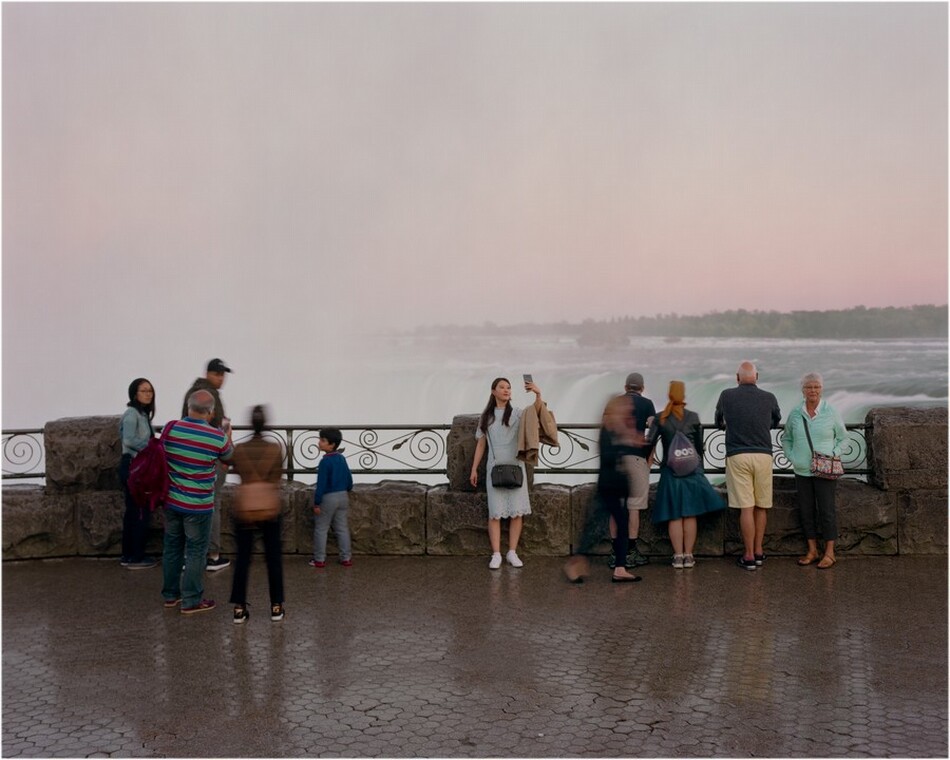
Alec Soth, Niagara Falls, Ontario, 2019, inkjet print, Diana and Mallory Walker Fund, 2022.115.2. © Alec Soth and Weinstein Hammons Gallery
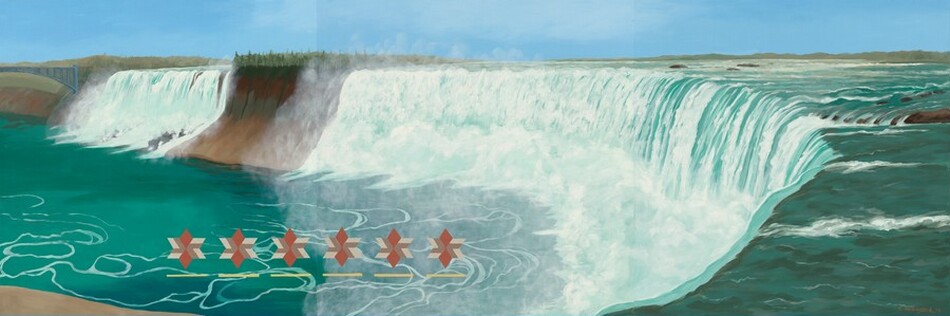

Sam Gilliam, Niagara on the Potomac, 1995, color screenprint on Rising wove paper, Corcoran Collection (Gift of the artist), 2015.19.3017. © Sam Gilliam

Tseng Kwong Chi, Niagara Falls, New York, 1984, printed 2022, gelatin silver print, Gift of Funds from the Kend Family Fund and Pepita Milmore Memorial Fund, 2023.12.2. © Muna Tseng Dance Projects Inc. Courtesy Yancey Richardson, New York
Stories
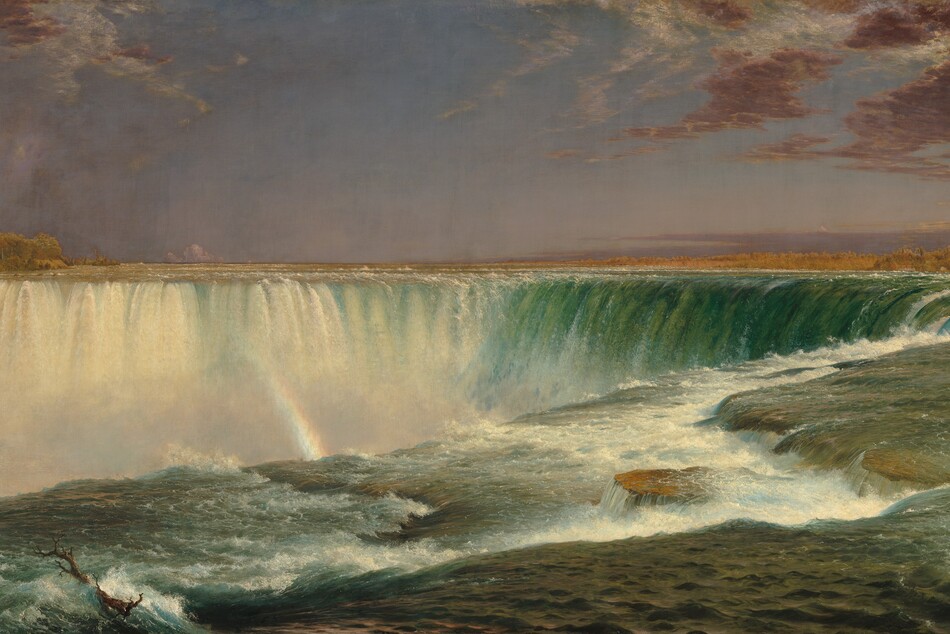
Article: The 19th-Century Blockbuster: Frederic Edwin Church’s “Niagara”
The American artist, skilled at both painting and publicity, created a sensation similar to the social media–famous exhibitions of today.
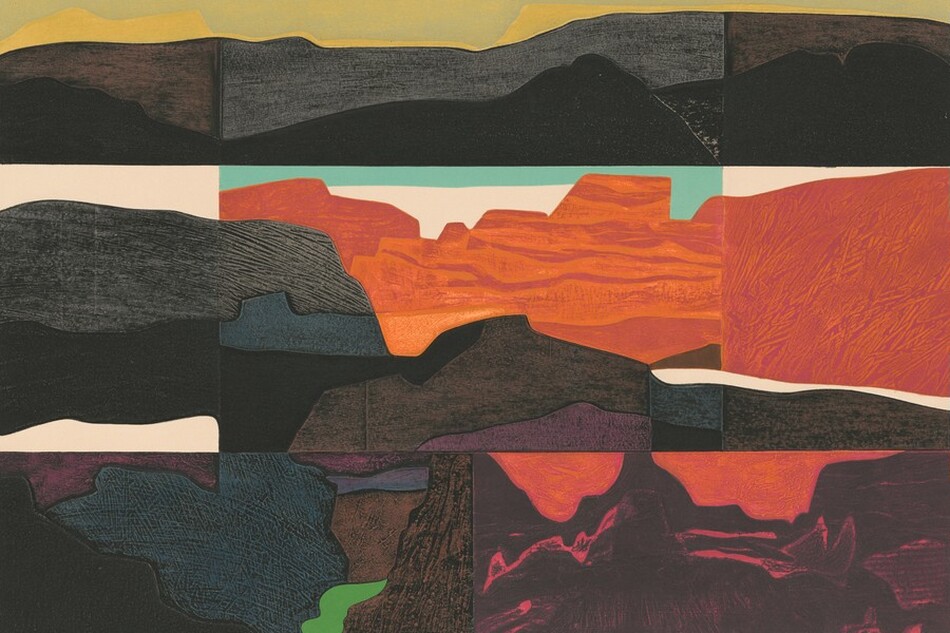
Article: Iconic American Landscapes, Through Artists’ Eyes
Take a road trip from Maine to Alaska through works of art made from the 19th century to today.
Organization
Organized by the National Gallery of Art, Washington
Curated by Sarah Cash, associate curator of American and British paintings; and Diane Waggoner, curator of photographs, both of the National Gallery of Art.

