


Upcoming Exhibition
Remember Me
Details
-
Locations
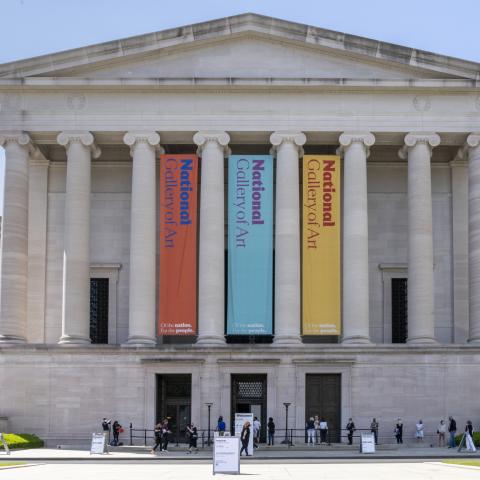 West Building
West Building Ground Floor, Gallery G30
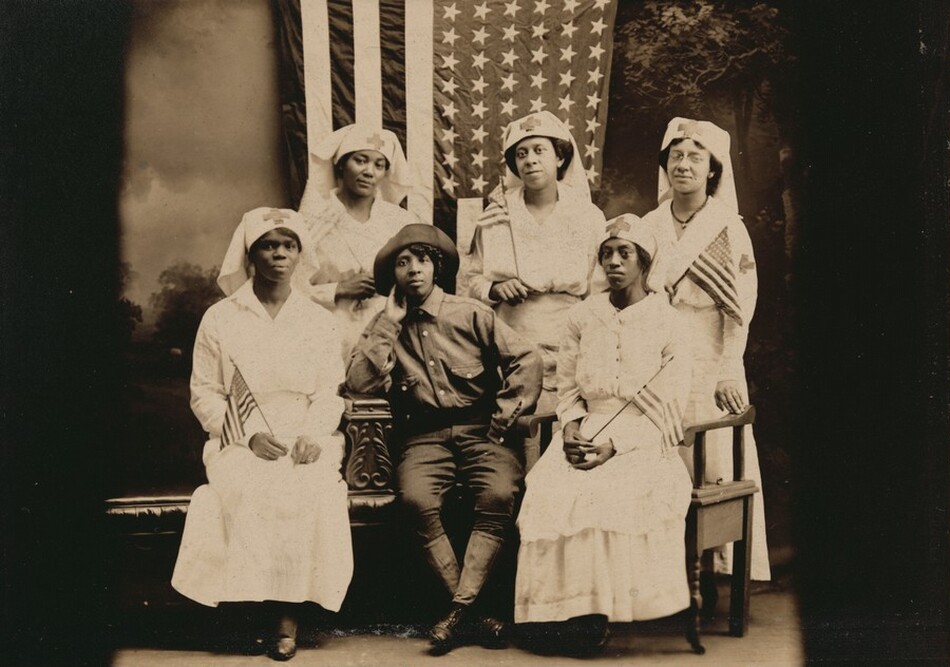
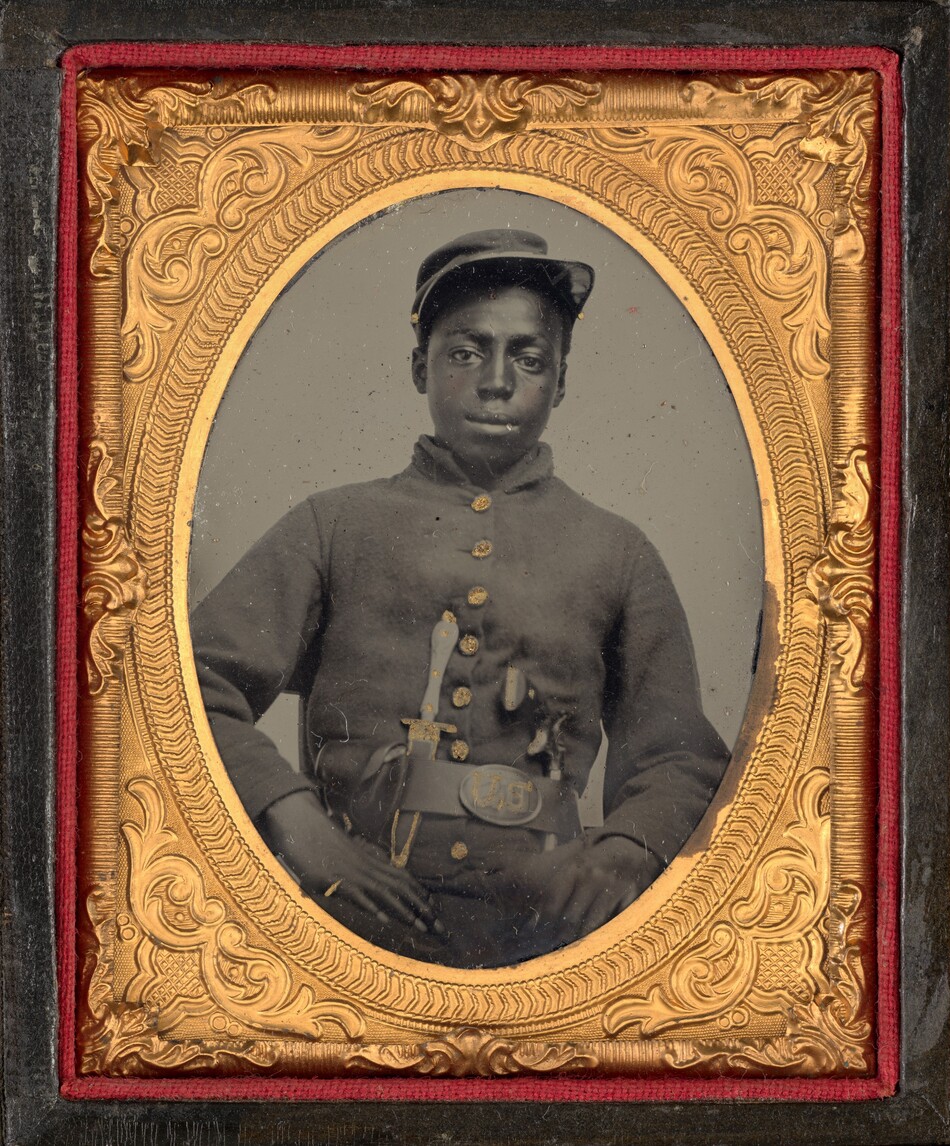
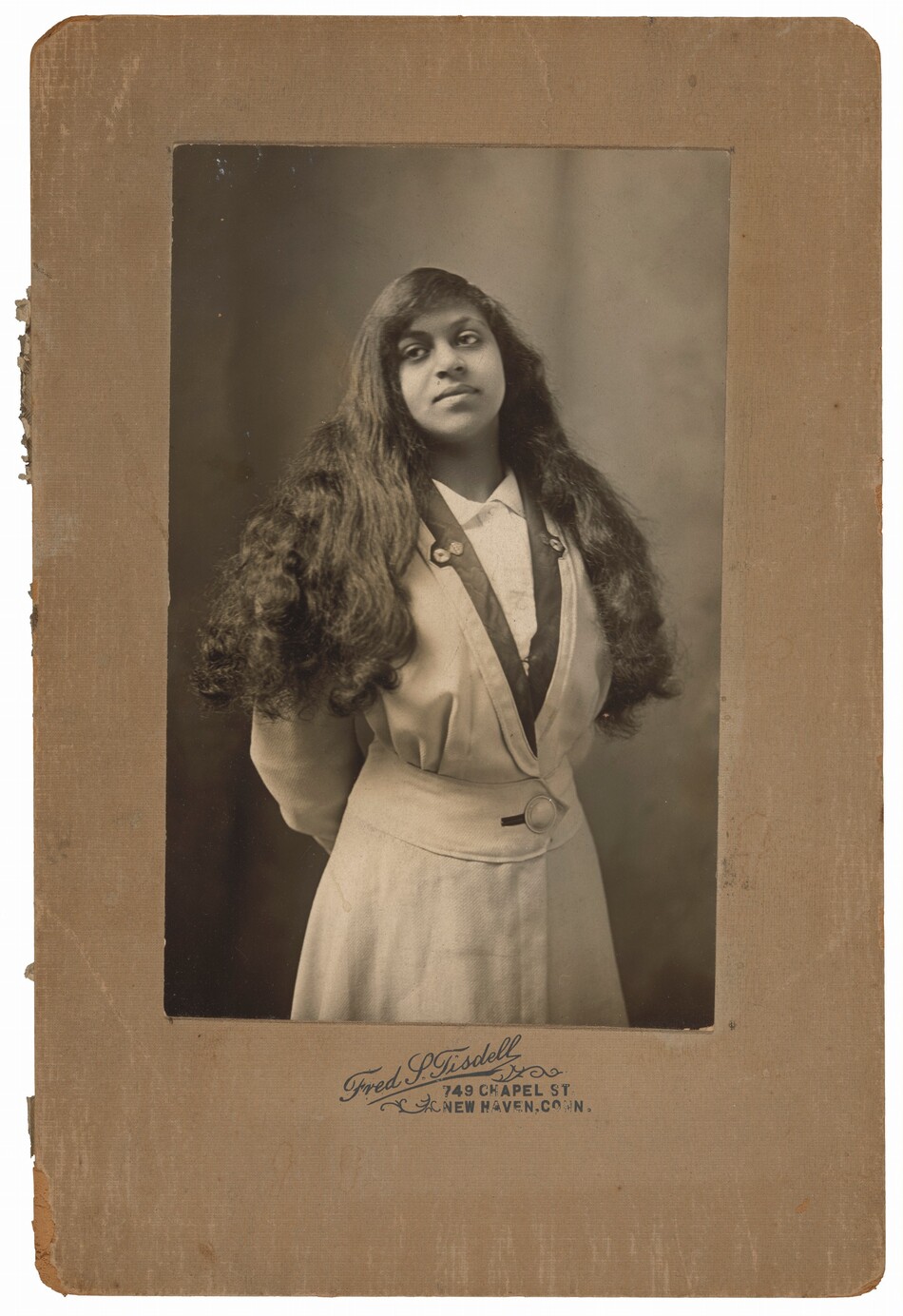
Discover remarkable early photographs of and by Black Americans that tell powerful stories of identity, resilience, and self-representation.
Featuring approximately 70 works from our collection—many on view for the first time—the exhibition reveals how Black Americans embraced photography to define themselves, celebrate their communities, and challenge stereotypes during the 19th and early 20th centuries. Pictures of African American men, women, and children illuminate the complexities of race, freedom, and agency before, during, and after the Civil War. Striking photographs by pioneering Black artists—from James Presley Ball to James Van Der Zee—also highlight Black entrepreneurship and the pursuit of equality.
Selected works



Stories
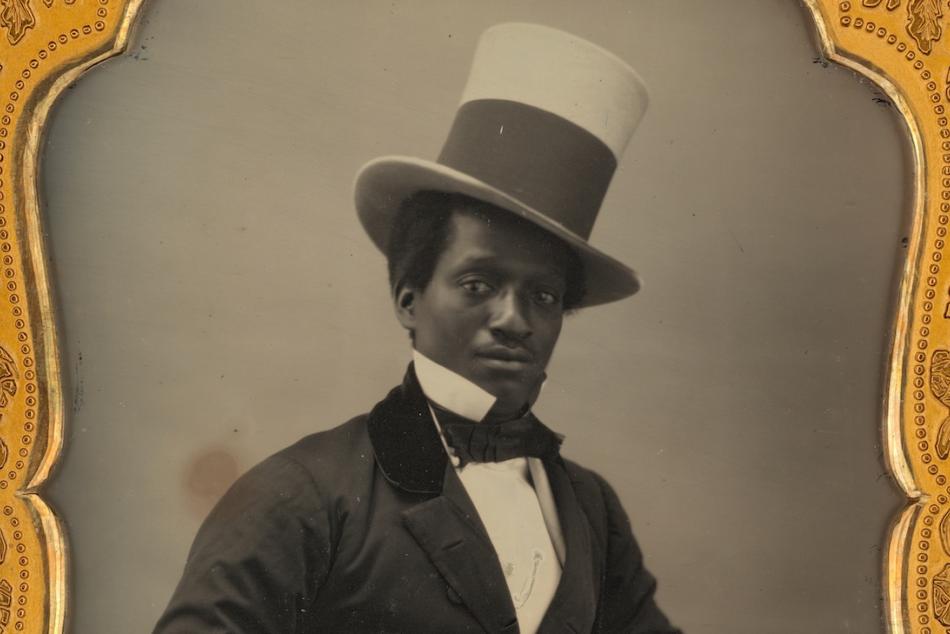
Article: Rare Early Photographs of African American Life
A large collection of personal photographs offers a glimpse of Black entrepreneurship and self-expression in the 19th and 20th centuries.
Organization
Organized by the National Gallery of Art, Washington
Curated by Diane Waggoner, acting head and curator of photographs, National Gallery of Art, with Katie Cornell, assistant collections manager and exhibition assistant, National Gallery of Art, and Sarah Greenough, former senior curator and head of the department of photography, National Gallery of Art.
Sponsors
The exhibition is made possible through the leadership support of the Trellis Charitable Fund.
Additional support for this exhibition was provided by Nion McEvoy and Leslie Berriman.

