Liza Lou, Closet, 1997 - 1998, glass beads, wood, and New York couple's empty bottles and unwanted household objects, Gift of Sherry and Joel Mallin, 2022.187.1

Ongoing

Room-Like

Contemporary Art from the Collection

Details

  • Dates

    Ongoing
  • Locations

    East Building

    East Building Upper Level, Gallery E404

  • Ticketing Information

    Admission is always free and passes are not required

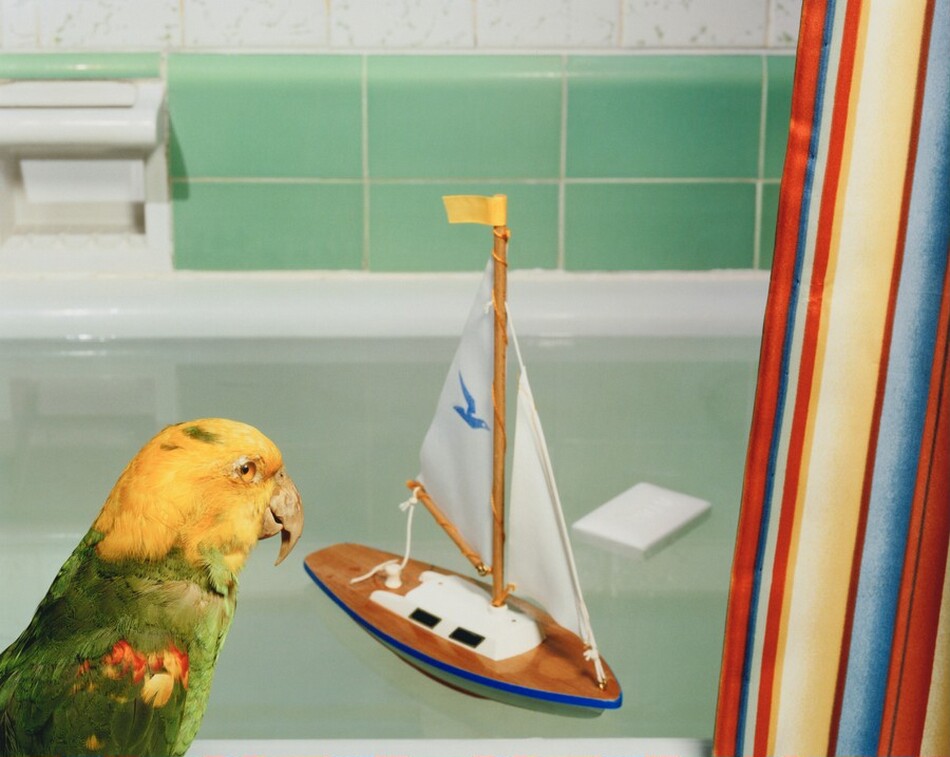
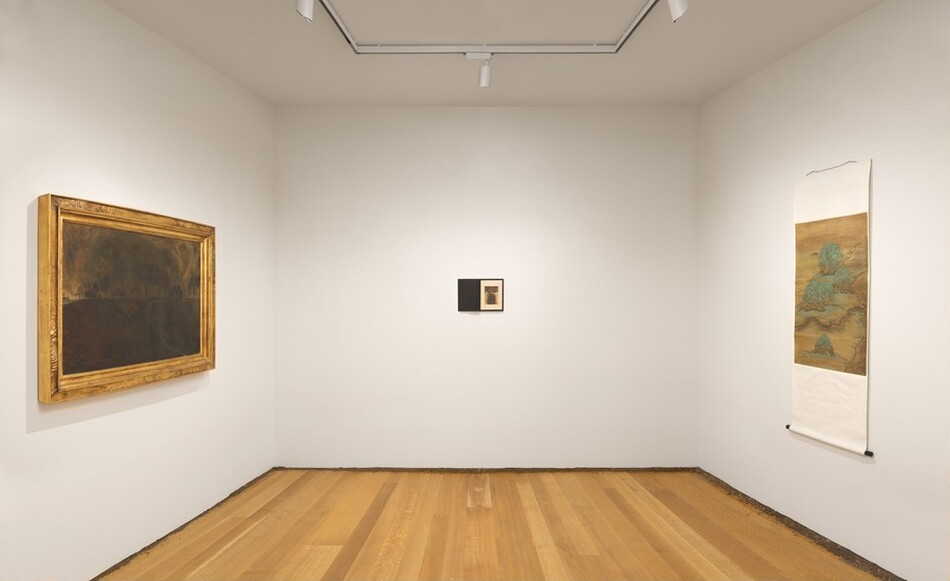
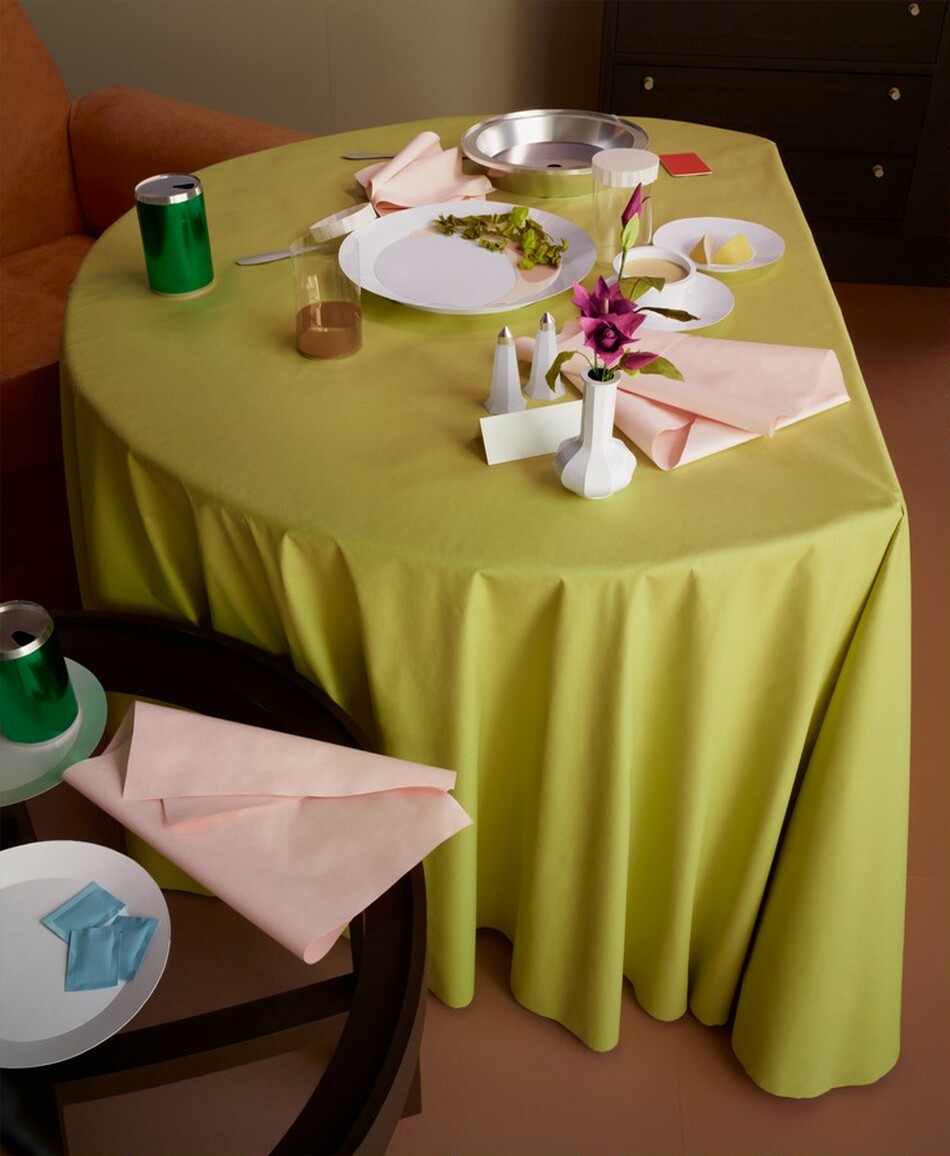
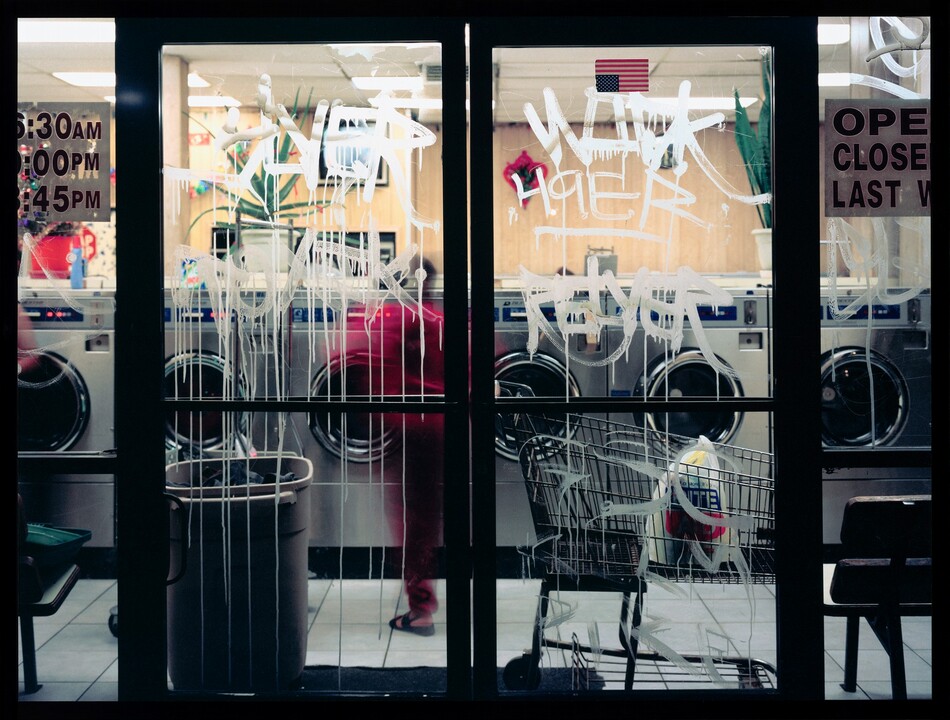
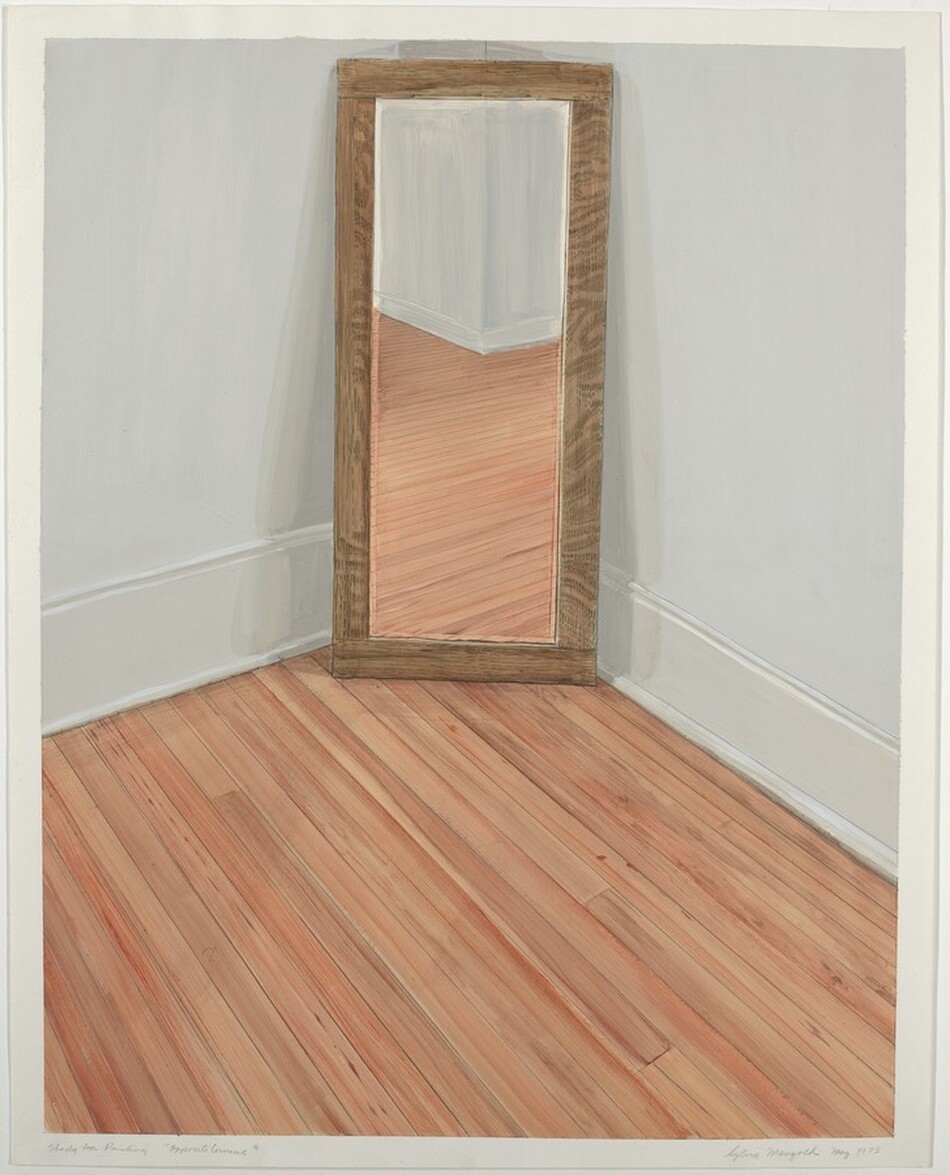
Immerse yourself in works that reimagine room-like spaces. This installation brings us to familiar places—a bathtub, a kitchen, a laundromat—and surprises us with unexpected viewpoints. 
 

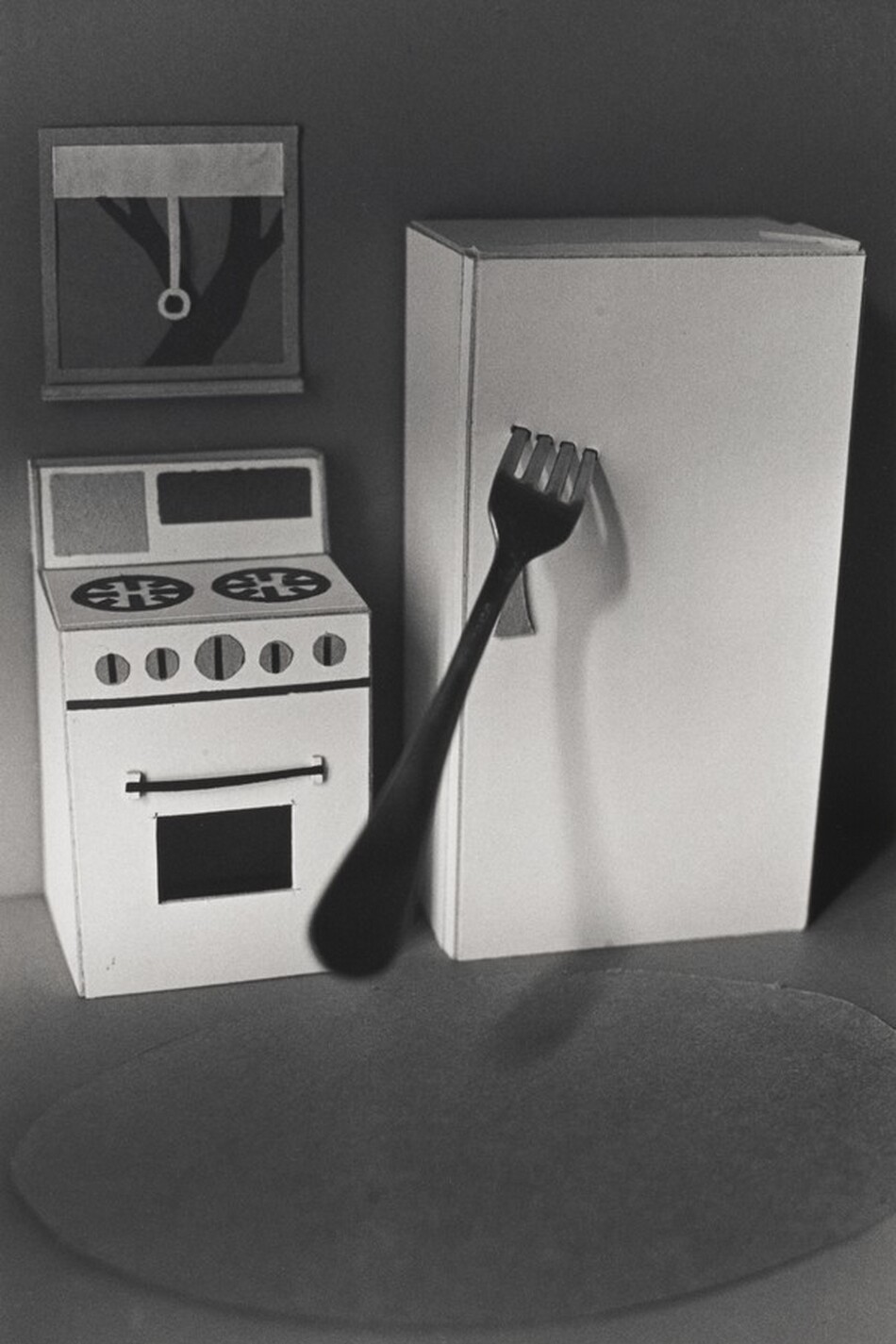
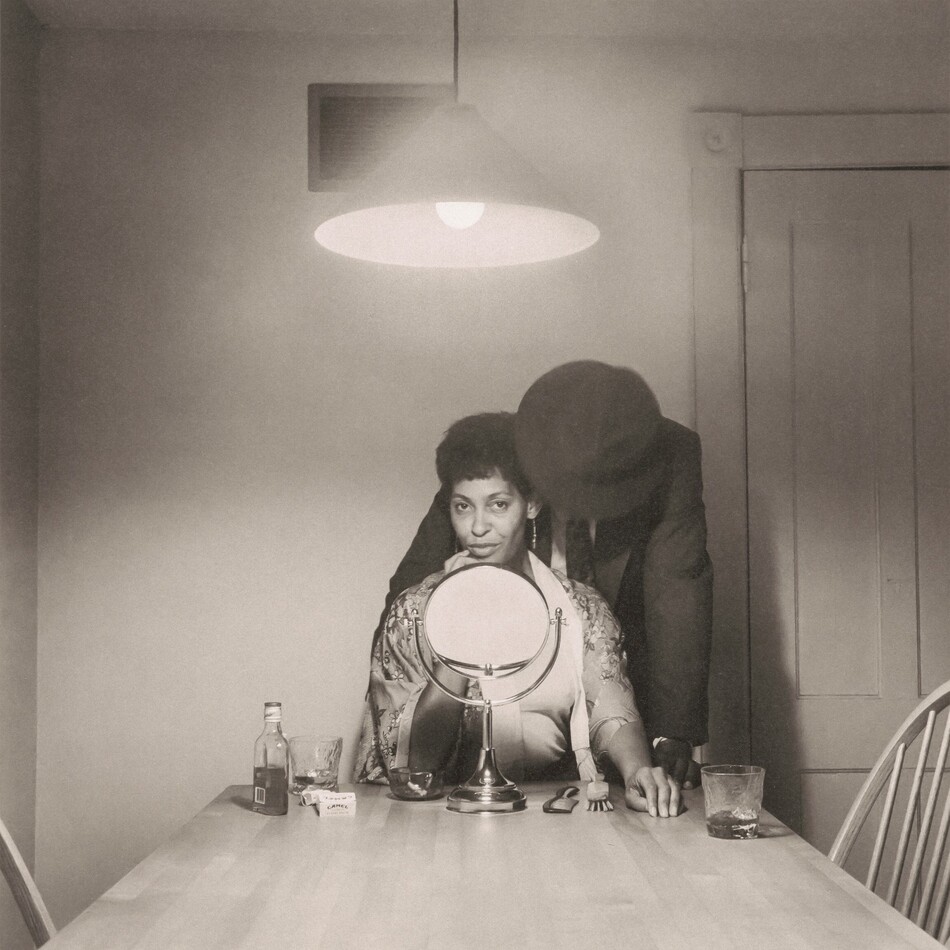
Liza Lou’s beaded closet transforms everyday household items into art. Mel Chin turns a museum gallery into a microcosm of the globe. Abelardo Morell and Carrie Mae Weems create intimate moments in their photographs that invite close looking.

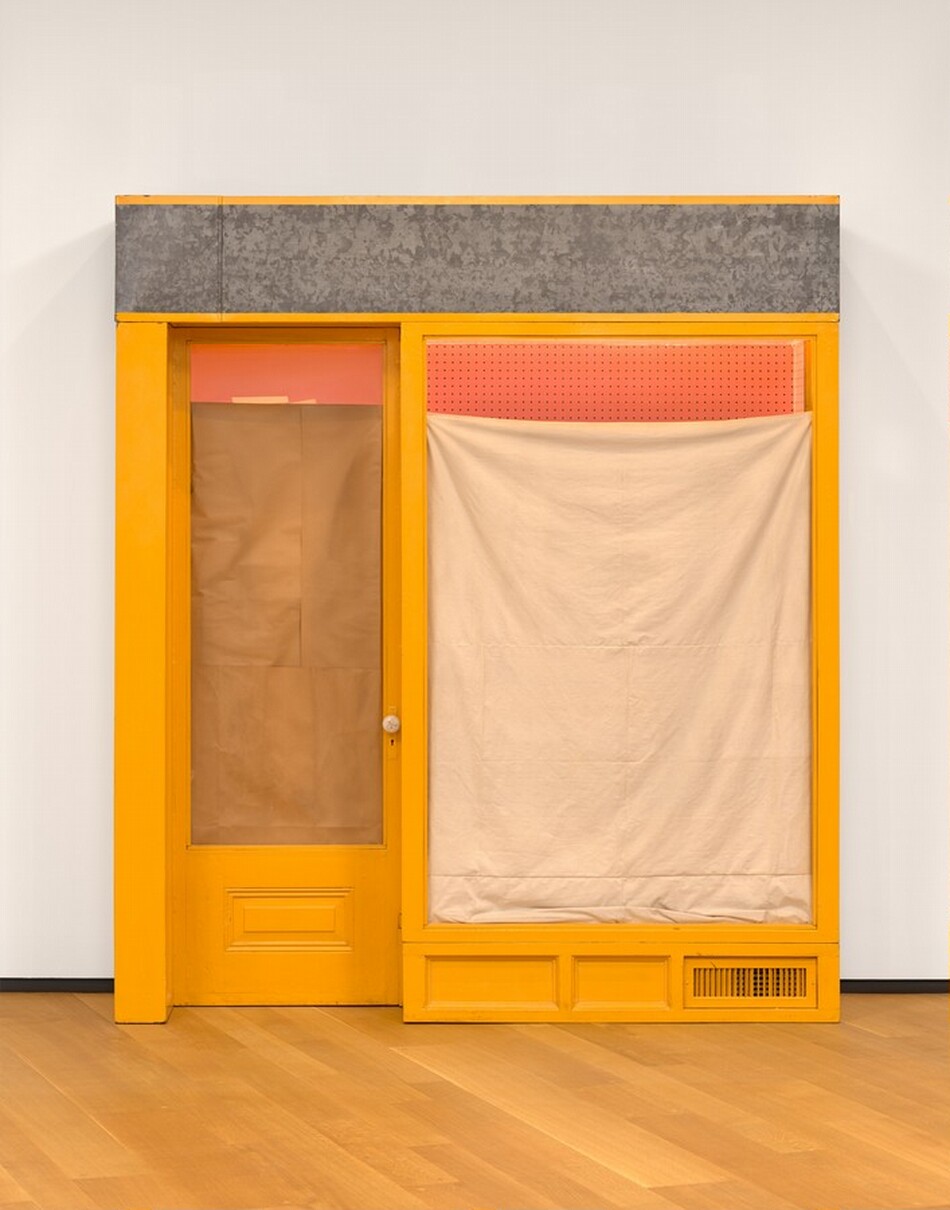
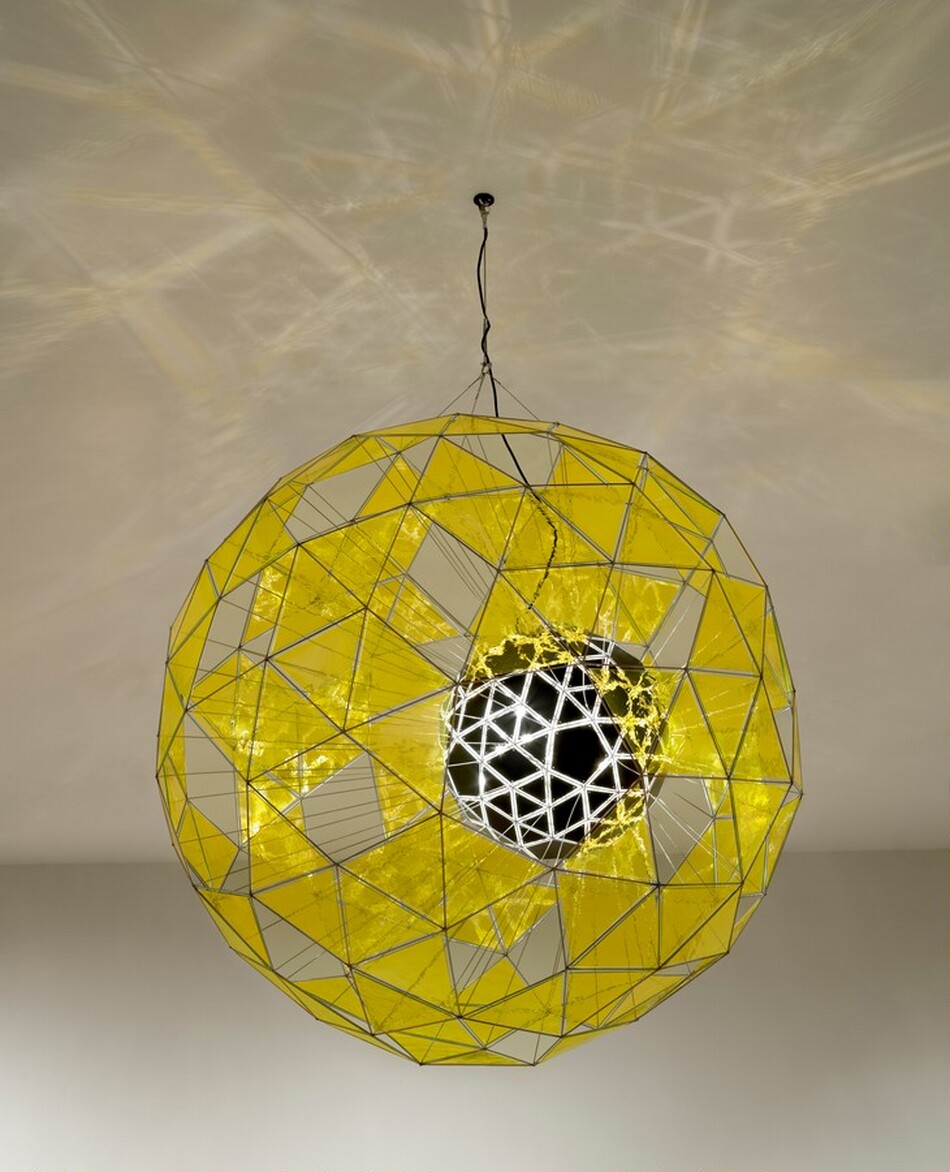
In the final gallery, find yourself surrounded by works that include the color yellow, a favorite among artists. A storefront by Christo, wallpaper by Lee Hager, a light fixture by Olafur Eliasson—these works and more allow us to explore the effect of yellow on our vision.

  • The sculpture depicts a storage closet with open doors revealing various household items inside. The doors are white, and a step stool hangs on the left one while a broom hangs on the right. The shelves are filled with typical household products: mostly cleaning supplies, painting supplies, and other various objects, like a saw, a plunger, a glue gun, and a flashlight. Upon closer inspection, it is revealed that everything in the closet, including the doors, has been decorated with tiny, colorful beads. The beaded closet is set against white walls and a wooden floor.
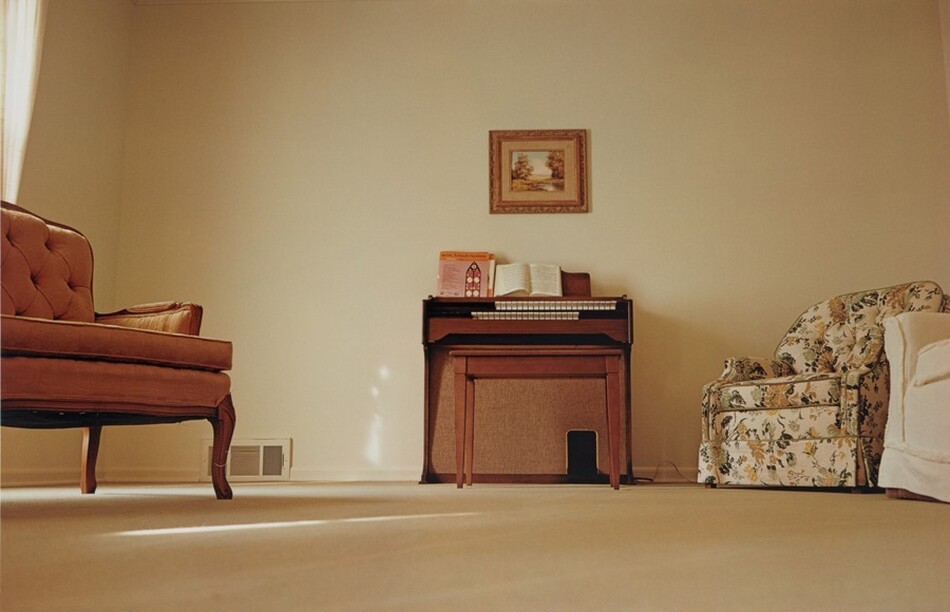
  • In the living room, there is a brown upholstered chair on the left, a floral-patterned armchair on the right, and a wooden piano in the center against the wall. The color palette includes warm browns and tans, with some floral colors from the armchair. The piano has an open music book and another red-covered book on its top surface. A framed picture hangs above the piano. The brown chair is partially visible on the left, while the floral chair and a white cushion frame the scene on the right.
  • The image depicts a kitchen scene with a white refrigerator and stove next to each other. A black fork is seen sticking out of the refrigerator. The colors used are black, white, and gray. The stove has four burners and a window with a drawn blind above the appliances.
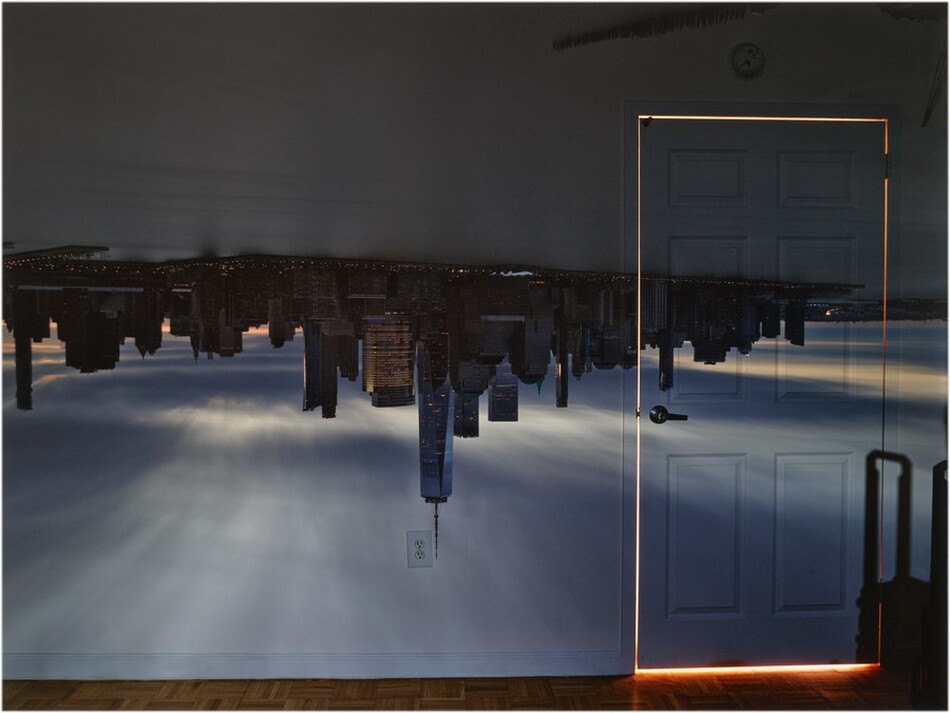
  • This photograph shows an upside-down city skyline stretching horizontally across the middle of the image. Buildings appear to hang from a blank gray expanse, while a blue sky is below them, full of streaky white clouds and yellow rays of light. This image of the city appears to be painted or projected onto a white wall. There is an outlet towards the bottom of the wall, and a smoke detector or similar alarm in the top right corner. A door is visible on the right side of the wall, and warm orange light leaks into the scene from the spaces between the door and the wall. Below the wall is a brown wooden floor.
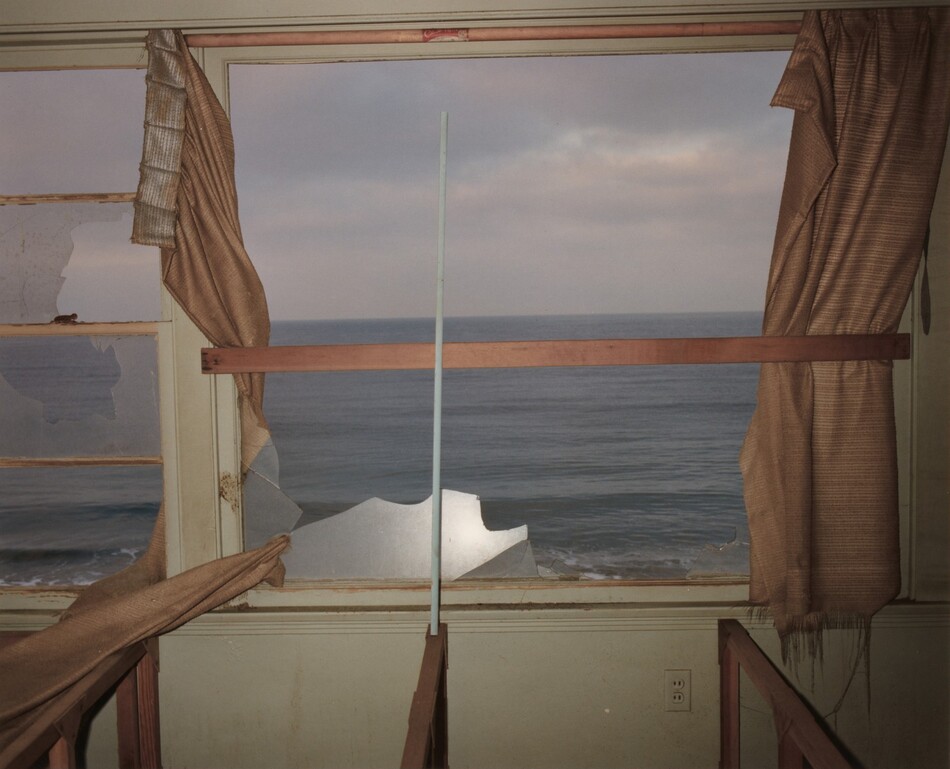
  • The image shows a room with a broken window overlooking the ocean. The horizon is visible through the upper part of the frame, separating the sky from the sea. The sky has soft shades of pink and gray. The ocean appears calm with gentle waves. Inside the room, frayed curtains are drawn to the sides, and broken glass is missing from the window. The room's color palette consists of muted tones like beige and brown, which blend with the natural tones outside. The broken window and worn curtains suggest abandonment or disrepair.
  • The sculpture is a geometric structure resembling a sphere made up of triangular facets. The triangles are crafted from a translucent yellow material that allows light to pass through, casting yellow patterns on the surface the sphere is hanging from. Some sections appear to be either colorless or have no material in them. In the center, there is a smaller sphere that appears darker, covered by illuminated triangular patterns.
  • Twelve lines of black text in all capital letters are printed on a square, beige-colored sheet of paper. The lines are centered down the page and divided into four groups set in progressively smaller type sizes. Near the top, the largest text reads, “THE KITCHEN TABLE SERIES.” In smaller text below, “CARRIE MAE WEEMS.” Immediately below that, again in smaller text, “A PORTFOLIO OF TWENTY PLATINUM PRINTS, FOURTEEN TEXT SHEETS, EDITION OF TEN, TWO ARTIST’S PROOFS, WINTER 2003.” The remaining text is printed in five lines at the bottom center of the sheet: “DESIGNED WITH PAMELA VANDERZWAN, PHOTOGRAPHS PRINTED BY JOHN MARCY OF NORTHAMPTON PHOTOGRAPHIC, TEXT PRINTED BY PETER KRUTY EDITIONS, FUNDED WITH GENEROUS SUPPORT, BY PETER NORTON.” Between the text at the center of the sheet and the five lines along the bottom, the artist signed the sheet in graphite: “Carrie M. Weems 9/10.”
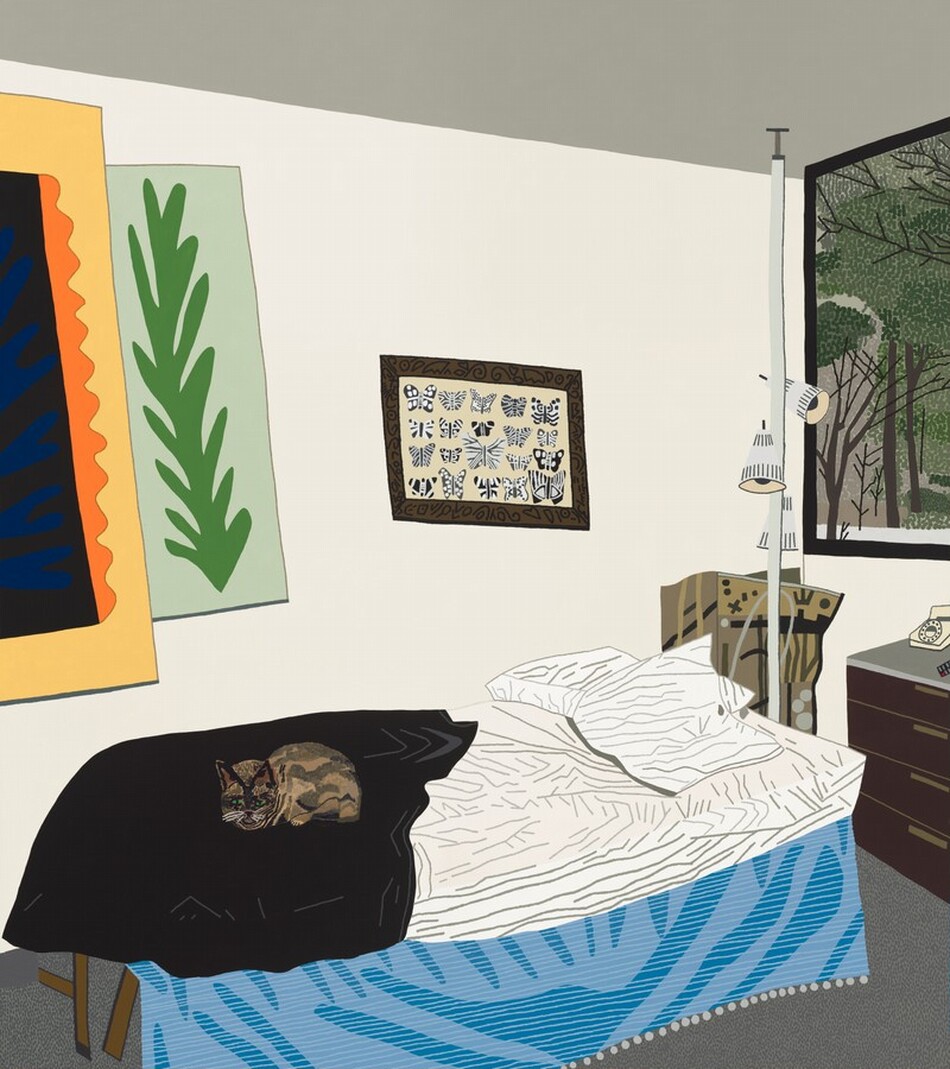
  • This painting depicts the corner of a bedroom with a large bed in the center. The foot of the bed is near the bottom left corner, while the top of the bed is near the center of the painting. The bed has white bedding with thin black lines on the pillows and mattress, and a black blanket is folded at the foot of the bed, with a brown, green-eyed cat sitting on it. The side of the bed is covered in light blue fabric with dark blue stripes in a pattern similar to zebra print, with circular white tassels hanging off the bottom. By the head of the bed, on the right side of the image, a tall silver floor lamp is next to a brown set of drawers that has a small white rotary phone on it, and the corner of what may be a TV remote. Behind the lamp is a large, folded piece of tan cardboard-like material, one side slightly damaged, which is covered with gray and black zig-zagging lines. Above the drawers is a large, framed artwork showing trees with green leaves against a gray background. On the other side of the wall, above the bed, is a framed picture showing several black and white butterflies. On the left, above the foot of the bed, are two colorful prints or posters layered on top of one another, showing abstract designs in green, yellow, orange, and blue. The walls behind these art pieces are white, and the floor is gray. The ceiling is partially visible and is a light gray color.
  • This is a photograph of the exterior of a laundromat, the interior visible through glass doors that are covered with white graffiti. Behind the glass, there is a row of industrial washing machines against the pale-yellow back wall. A shopping cart with a container of bleach or detergent inside is visible on the right, and on the left a person in a pink outfit stands with their back towards us. The interior reflects a warm, artificial light which contrasts with the cold, dark framing of the black windowpanes. There is an upside-down U.S. flag sticker near the top of the door, and signs on the far left and right indicating opening and closing times.
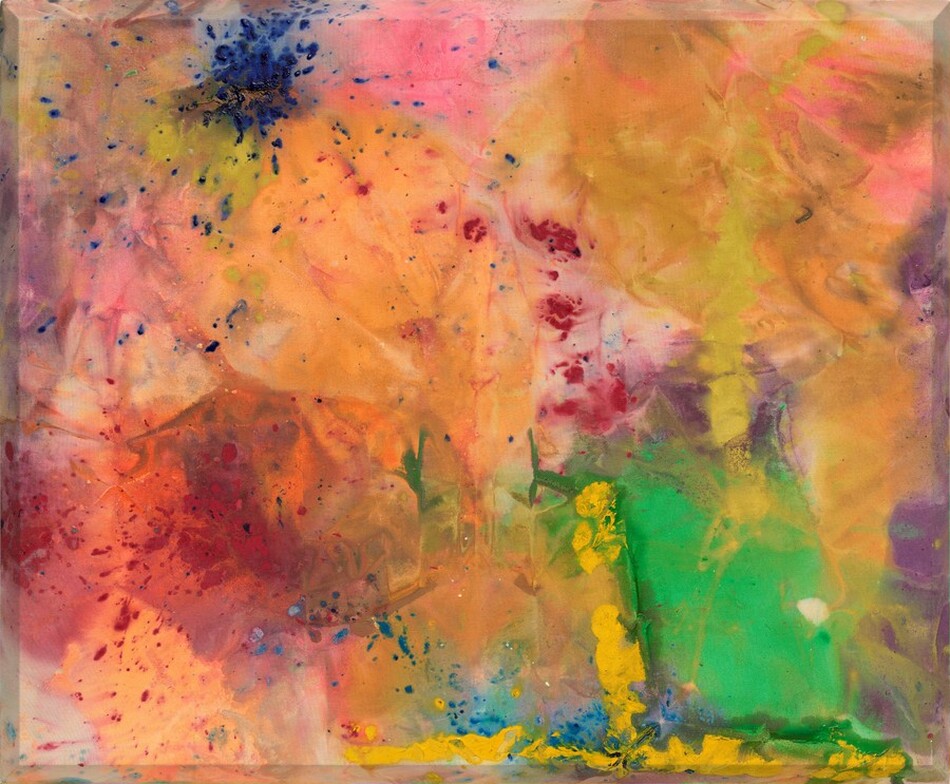
  • This painting is filled with textured splatters of vibrant colors. The orange and yellow hues which take up most of the image are interrupted by splashes of pink, green, blue, purple, and red. There is a splatter of deep blue near the upper-left corner, and towards the lower right there is a patch of bright green.
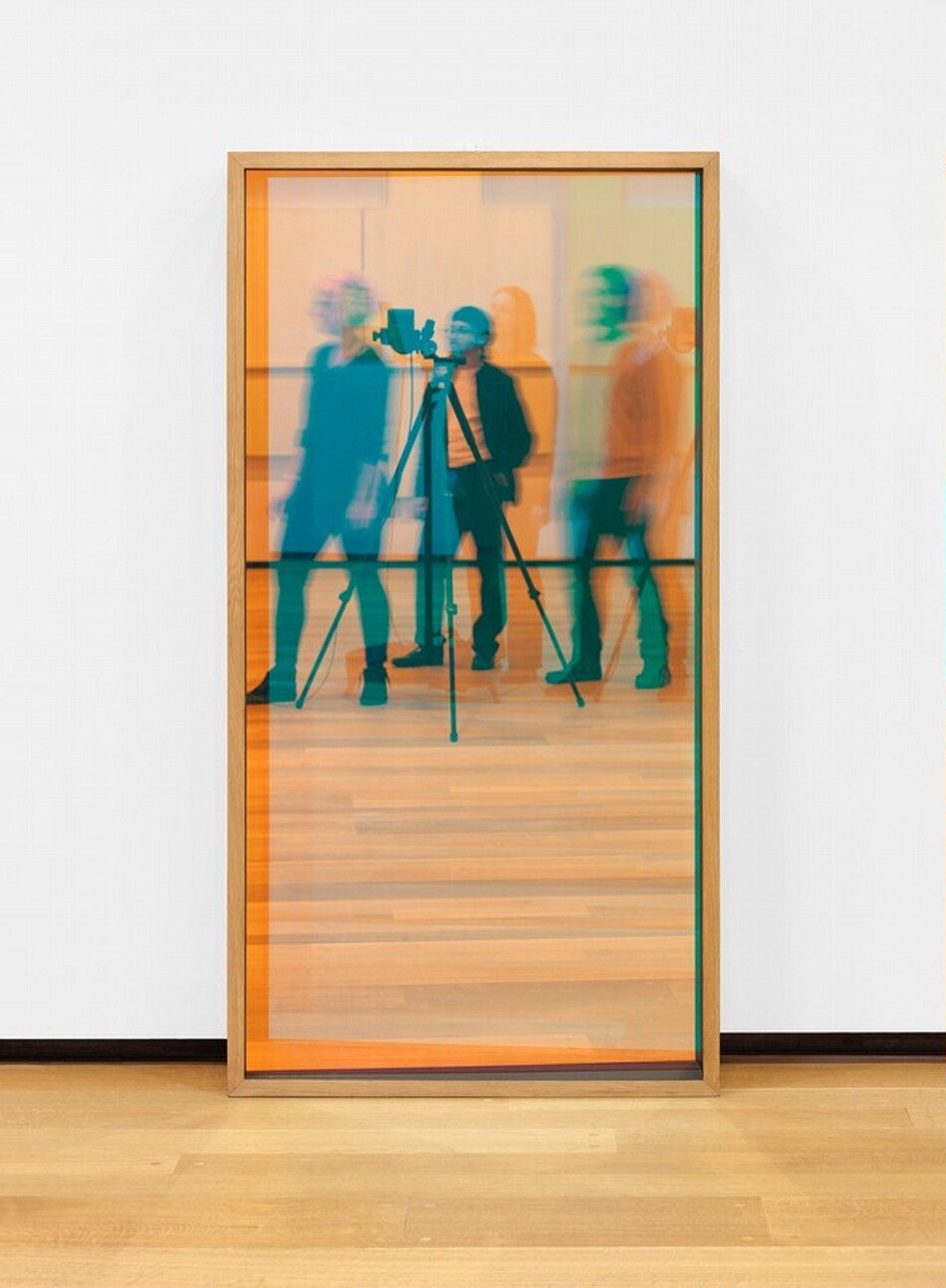
  • This appears to be a rectangular reflective artwork with a colorful overlay. The artwork is framed, like a large mirror, and it reflects the shapes of three people and a camera on a tripod, positioned on a wooden floor. The glass appears to be casting a vibrant spectrum of colors over the reflections, primarily orange and teal, creating a layered visual effect. Behind the work is a white wall, and it stands on a wooden floor.
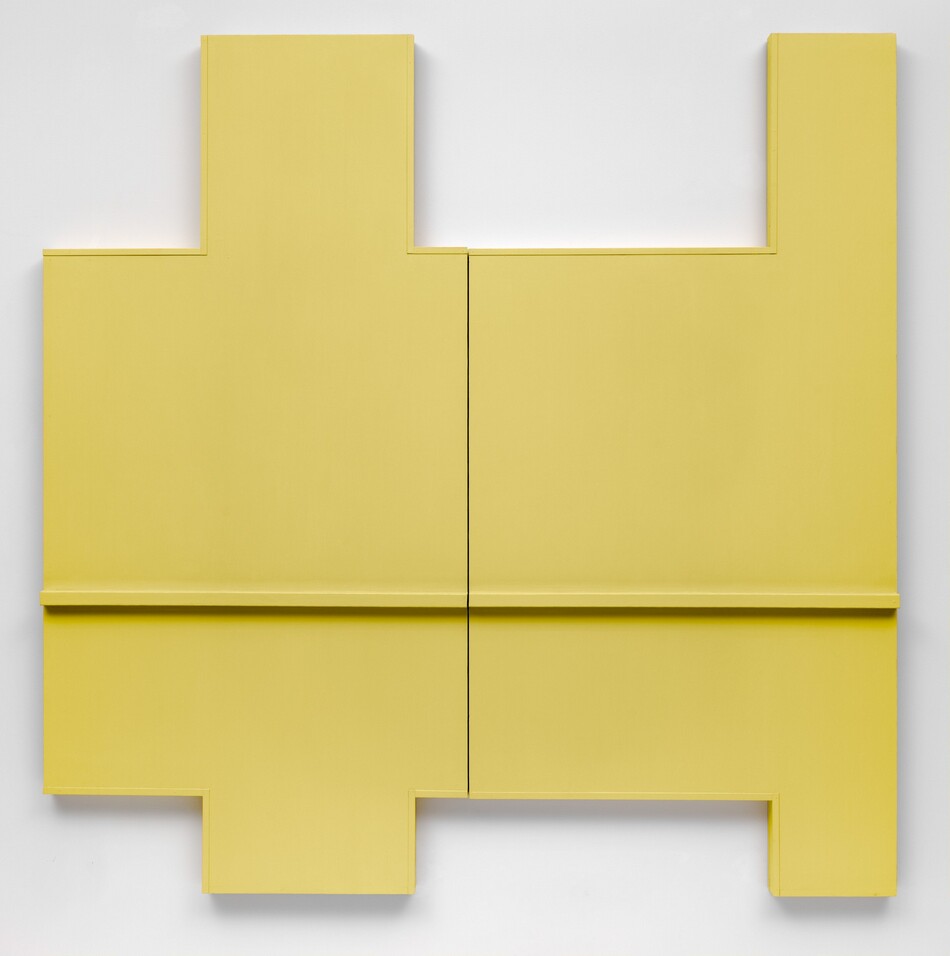
  • This sculpture is a flat, abstract yellow shape overlayed with straight lines. The overall shape is almost similar to a large yellow "H" shape, although what would be the horizontal line is very thick and stretches beyond the left vertical line. There appears to be a thin raised horizontal line slightly below center, creating two almost-symmetrical halves. The design resembles pieces of a puzzle or a simplified building structure.
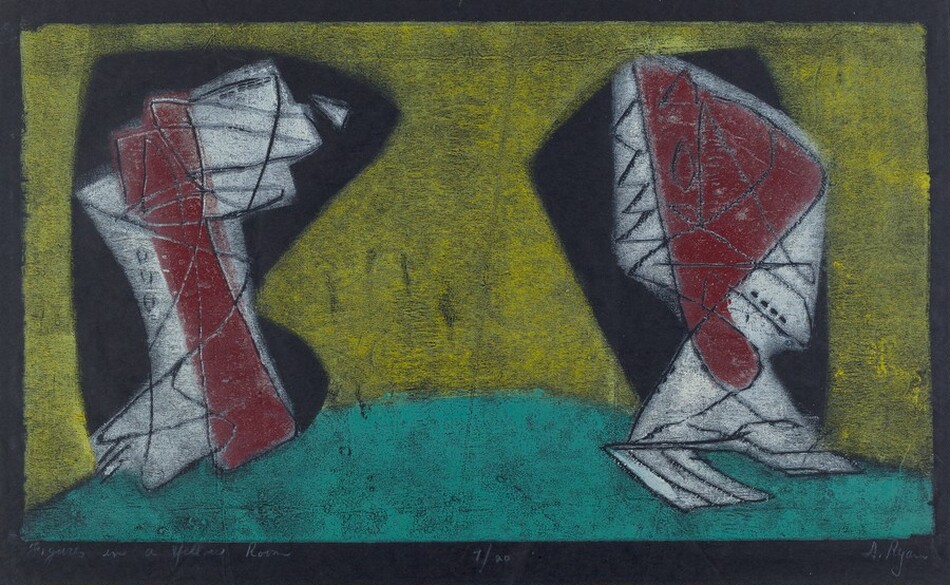
  • The image depicts a collection of geometric shapes and lines converging to form an abstract composition. Two abstract forms resembling profiles of heads facing each other appear on either side of the frame. The shapes are filled with textured red and white colors, intersected by fine black lines creating a network of angles and forms. The abstract figures are set against a backdrop of ochre and teal.

Banner detail: Liza Lou, Closet, 1997 - 1998, glass beads, wood, and New York couple's empty bottles and unwanted household objects, Gift of Sherry and Joel Mallin, 2022.187.1

You may also like