


10 Ways to Cultivate Everyday Awe

On this page:
When we experience awe, we feel better. Awe decreases our daily stress, improves our social lives, and boosts overall well-being. And the more we seek awe, the more we find it.
Rather than waiting to be awestruck, seek out that feeling. Practice slowing down, looking closely, wondering, making connections, expressing gratitude and appreciation, and finding awe in your everyday life.
Art is the perfect place to start. We’ve paired each of our ten tips with a work from our collection to get you going.
These practices were developed in collaboration with Dr. Rebecca Corona and Lindsey (Lou) Deringer, M.S., of the Social Interaction Lab at the University of California, Berkeley.
Walk in nature.
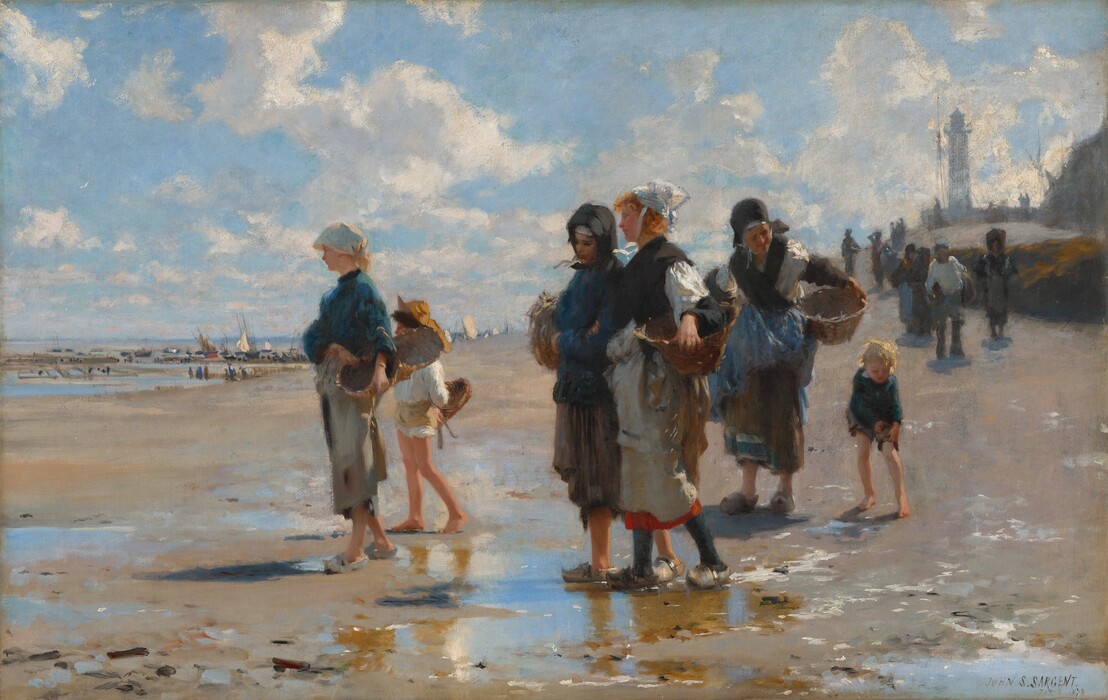
Prepare. You only need 15 minutes for impact. Go somewhere in nature—a yard, park, greenspace, or area with views of sky or water. Turn off your phone.
Feel. Move slowly and gently. Tap into your childlike sense of wonder. Activate all your senses, and try to see things with fresh eyes. Observe human connectedness. Consider vastness. Notice what thoughts and feelings enter your mind.
Engage. As you scan your surroundings, what captivates you?
Recall awe-inspiring architecture.

Remember. Recall a time when you were awestruck by a built environment—a building, bridge, street, or even a whole city. What about it caught your attention? Reflect on why the experience with this space resonated with you.
Imagine. Consider each person whose work went into building or making this space.
Discuss. Ask friends and family about architecture that spoke to them. What do these specific memories of awe help us learn about ourselves?
Discover patterns.
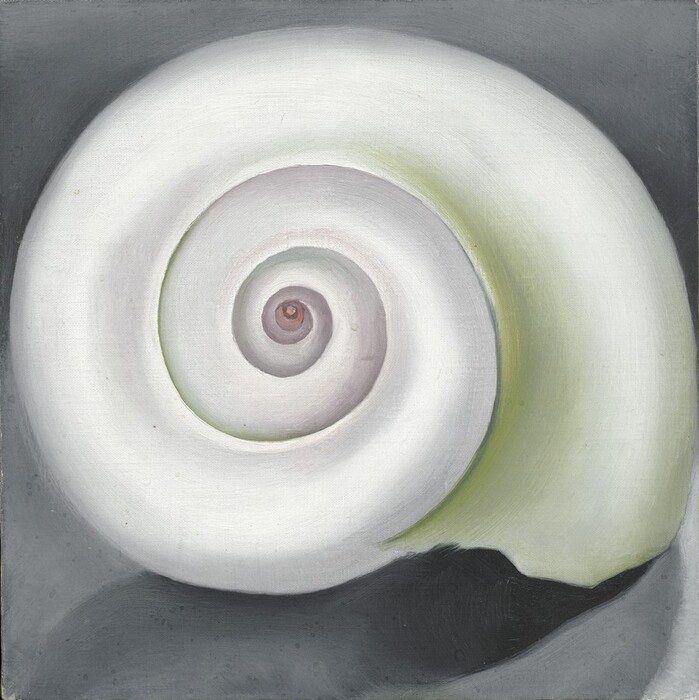
Pause. Find a spot where you can focus on something in nature—perhaps a flower, tree, mountain, or water. Take a few deep breaths.
Notice. Look closely at patterns, small and large. Examine lines, shapes, and textures. Notice changing light, repetition, and symmetry. Appreciate the complexity and intricate beauty of the natural world.
Capture. Make a small sketch or photograph to remind yourself of this moment.
Take in a tree.
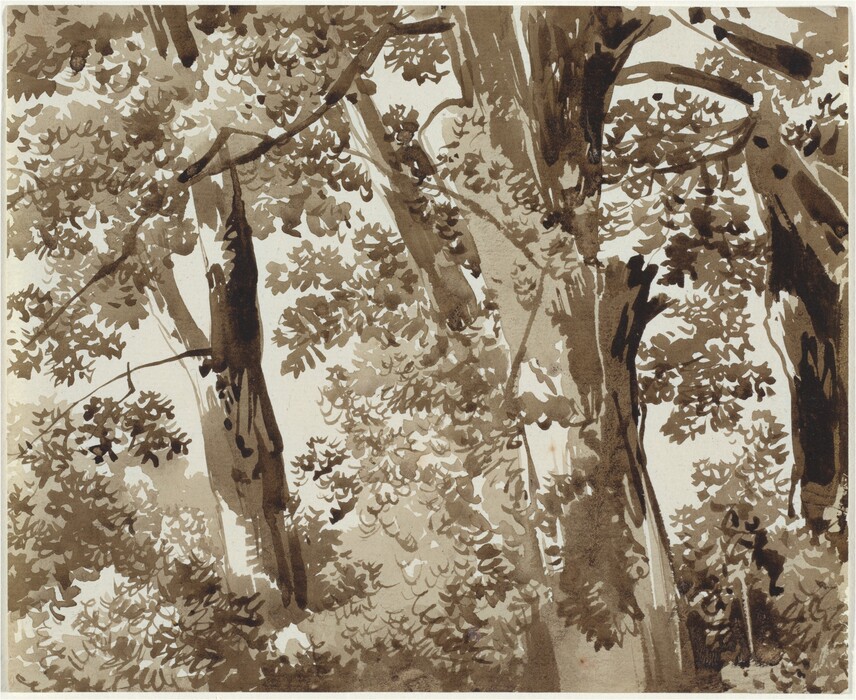
Go outside. Take a few deep breaths as you head outside. Find a tree that catches your attention. Stand with it.
Notice details. Take in the shape of its leaves, the lines of its trunk and branches, and the range of colors throughout its form. Notice what it sounds like in the breeze, how it feels, and how it smells.
Appreciate. Admire how the tree looks this season, compared to how it might look next season.
Watch the clouds.

Go outside. Look up at the clouds for a silent minute. Breathe.
Observe. Examine the sizes, shapes, and colors. Are they fluffy? Are they crisp? Are they wispy? Are they moving quickly, slowly, or seemingly not at all?
Behold. Contemplate their transient beauty.
Feel a wave of emotions.
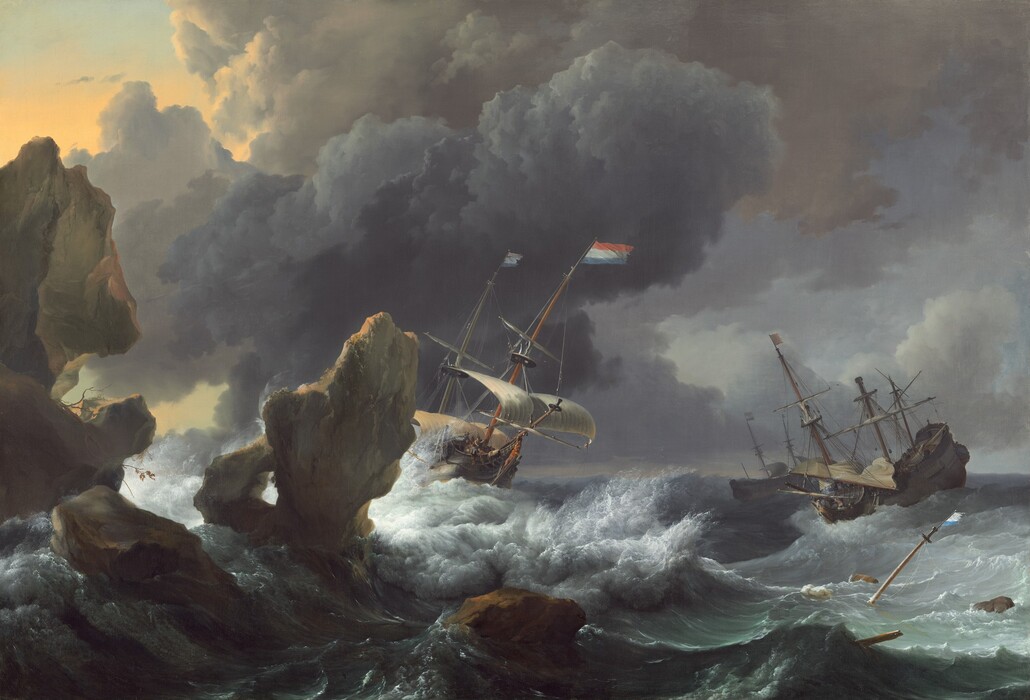
Pause. Think of something that is currently bringing you stress. Now imagine that thing as a turbulent wave—swirling, churning, frothing, undulating, billowing, surging, swelling, and crashing.
Breathe. Use your breath to calm this upsetting force of nature. Breathe gently, deepening the in-breath and slowing the out-breath. With each breath, visualize the water settling, the waves losing their energy, the storm passing, and a peaceful ebb and flow returning.
Remember. Emotions are as vast as the ocean and come in waves.
Meditate on the interconnectedness of all things.
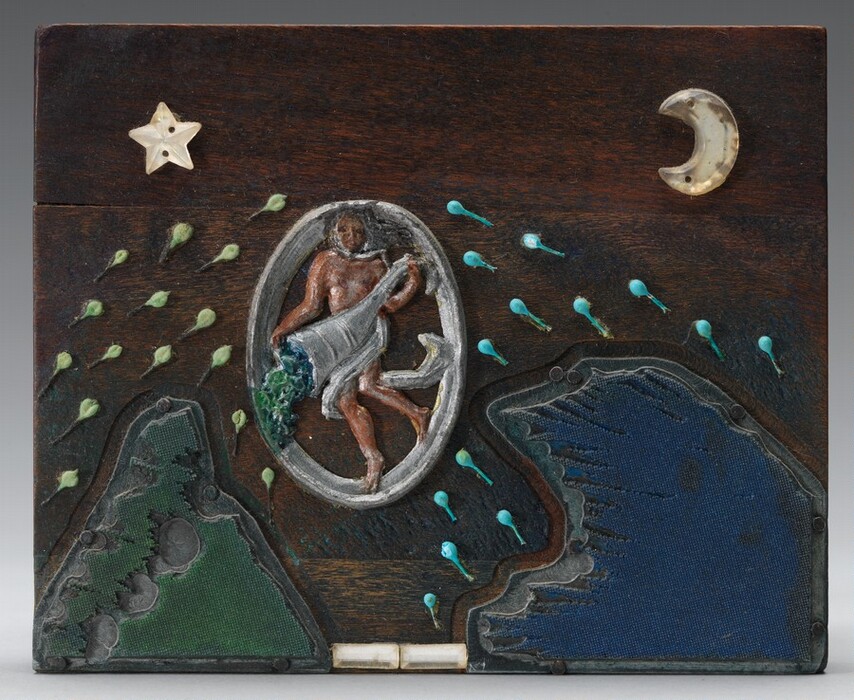
Pause. Notice a human-made object. Hold or touch it.
Imagine. Consider each person whose work went into making it.
Appreciate. Take a moment to express gratitude for each person’s work.
Match music to your mood.

Find. Select a piece of music that matches your current feeling. As you listen, notice the similarities between the music and your emotion.
Reflect. How does the music connect with or change your feeling? Does listening to it heighten or soften your current feeling?
Create. Make a playlist of music that brings you joy, a playlist that calms you, or a playlist that makes you feel confident.
Appreciate your hands.
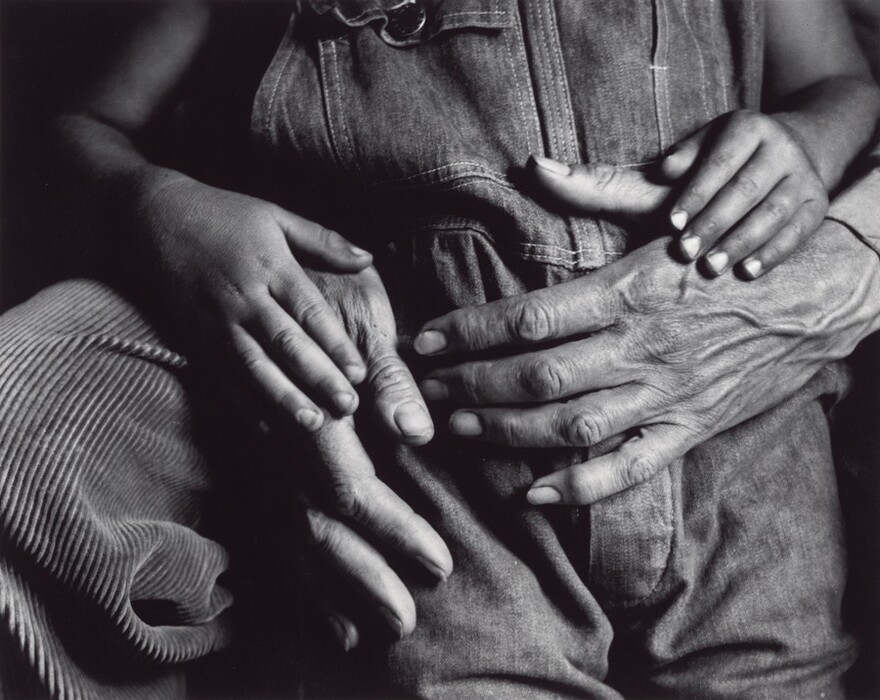
Pause. Take a moment to look at your hands. Breathe gently. With a pencil, slowly trace your hands on a piece of paper.
Reflect. Think about all that your hands do for you and others. Inside the contour line drawing of your hands, jot down all the things that your hands do. Take time to be grateful for the role your hands play in your life.
Connect. Make an intention to use your hands to help, comfort, or bring joy to someone else today.
Consider vastness.
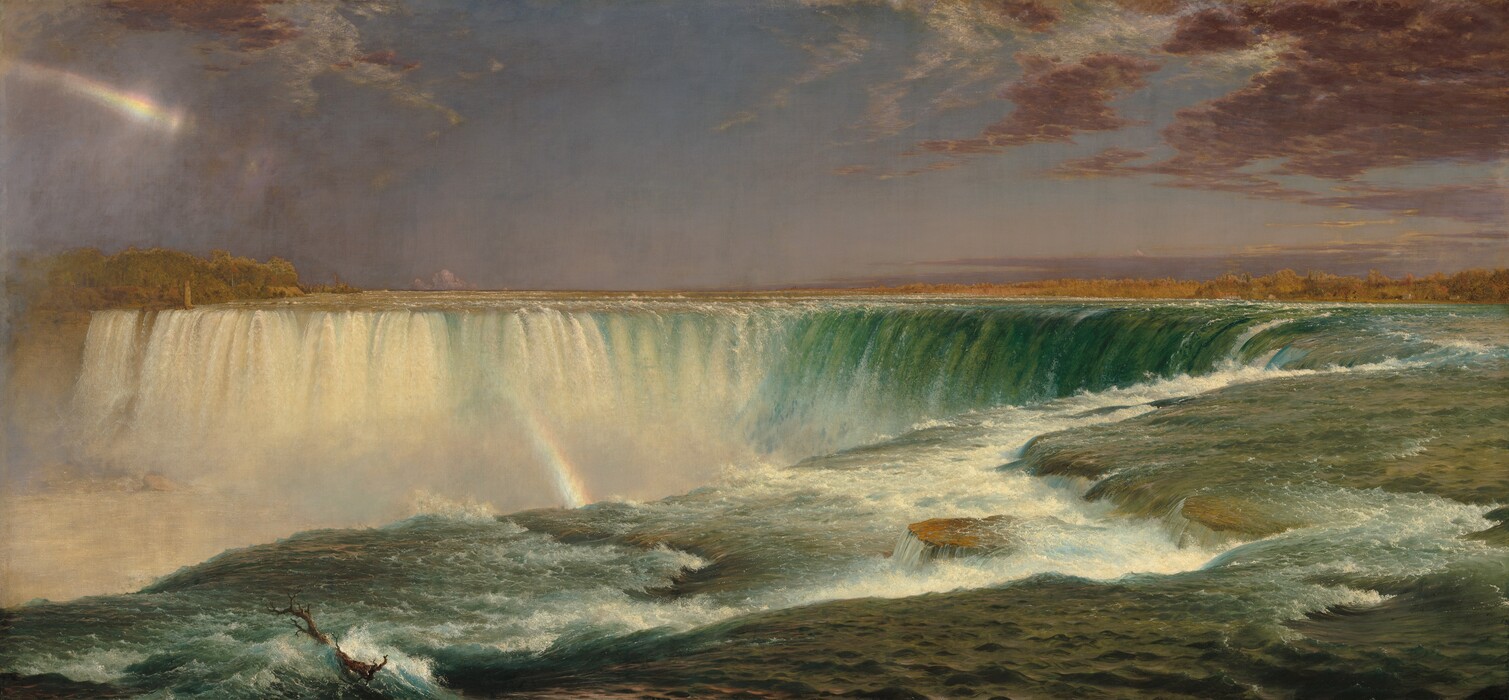
Pause. Find a photo, video, or work of art with a vast perspective.
Reflect. Consider for a moment your place in nature’s vastness. Consider the even greater scale of space and time.
Imagine. How might you move about your day with a heightened awareness of your interconnectedness to something larger than yourself?
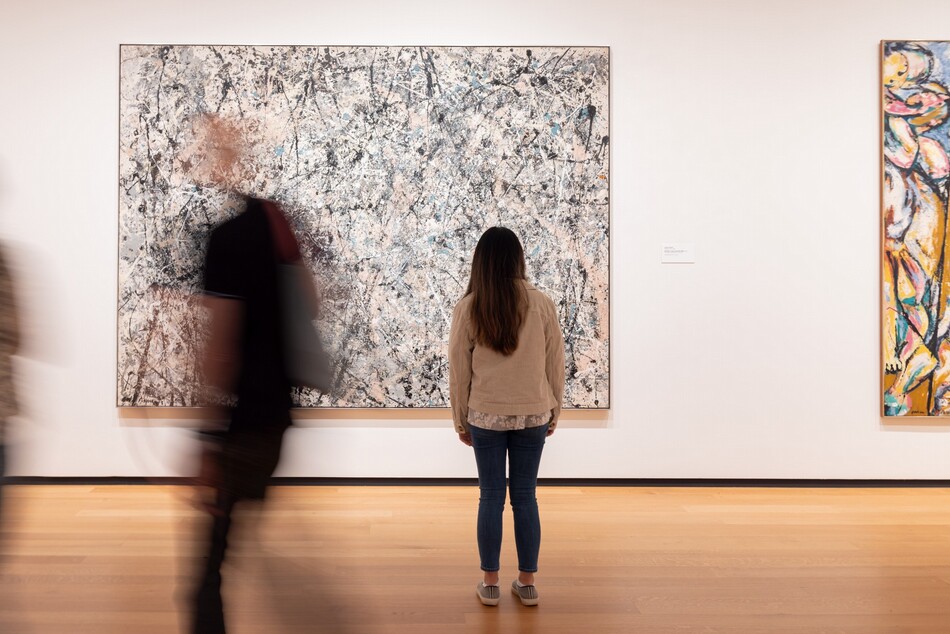
Awe at the National Gallery of Art
Come explore how to nurture an awe mindset.
You may also like
Article: Mindful Drawing: Activities that Embrace Experimentation
Drawing can clear your head and focus your attention on the here and now. Draw with us—no experience required.

Article: The Appalachian Artist Making His Own Opportunities
Robby Moore channels Appalachian resourcefulness to create found object assemblages and community art spaces, opening the doors for young artists in his region.