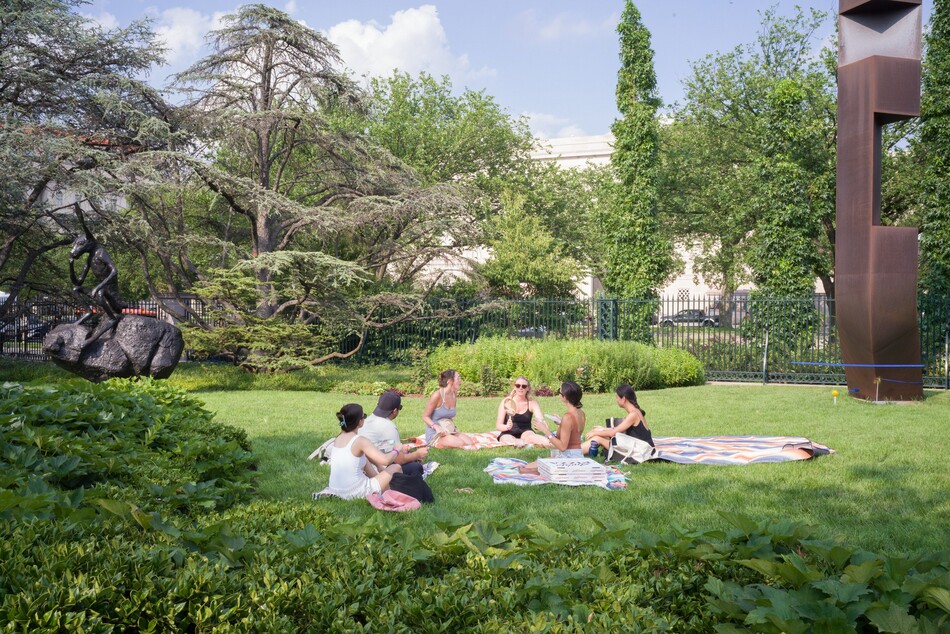


1874: The Birth of Impressionism
Discover how a landmark exhibition led to the birth of an influential movement.

In 2024, we celebrate the 150th anniversary of the exhibition considered the first impressionist show.
Artists like Claude Monet, Alfred Sisley, and Berthe Morisot had already been experimenting with the innovations that would define the style. But it was on April 15, 1874, that the Société Anonyme des Artistes Peintres, Sculpteurs, Graveurs, etc. opened its first exhibition. This diverse group of 30 artists sought to break free of an establishment that stifled experimentation and constrained their sales. How did impressionists arrive at this defining moment?
The Terrible Year
Three years before the Société Anonyme exhibition, France suffered a humiliating defeat in the Franco-Prussian War in 1871.
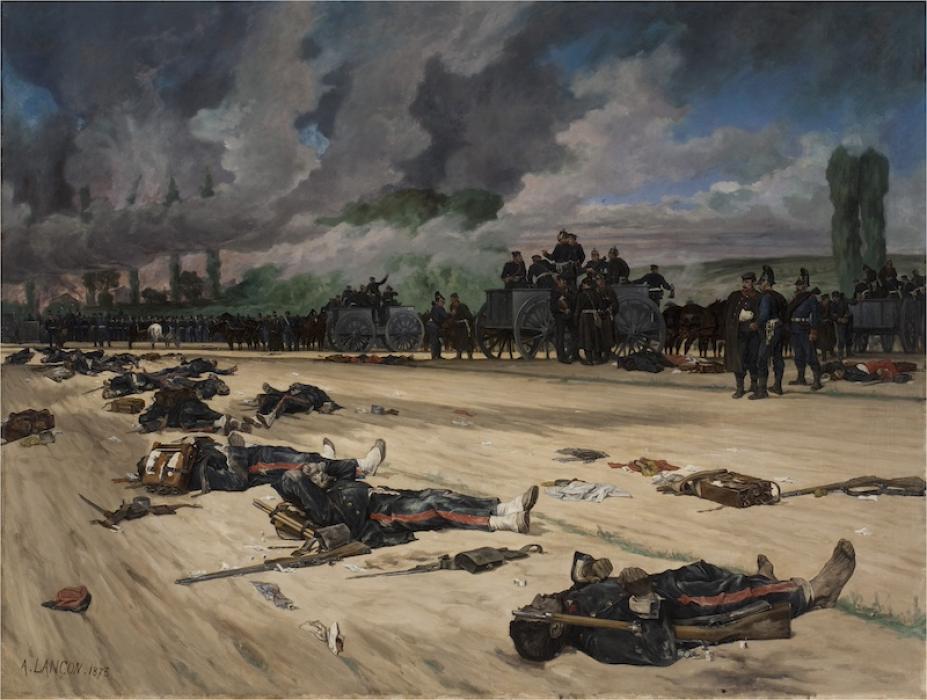
Auguste Lançon, Dead in Line!, 1873, oil on canvas, Musée de la Princerie de Verdun (81.1.401), on long-term loan to the Musée départemental de la Guerre de 1870 & de l’Annexion, Gravelotte (DG2009.1.1)
After France surrendered, the National Guard and working-class revolutionaries in Paris seized control of the city. They formed the short-lived Paris Commune, an independent socialist government. When the French army tried to regain control two months later, a brutal civil war erupted. It left some 15,000-20,000 members of the Commune slain and parts of the City of Light in ashes.
As they rebuilt, Parisians sought out cultural diversions to reinvigorate the city. Art was the answer.
The Paris Salon’s Defense of Tradition
The Paris Salon was central to this conversation. The most prominent cultural event in France, the Salon’s annual exhibition, drew half a million people from all walks of life.
Receiving praise from the jury at the Salon could make an artist’s career. It would help ensure handsomely paid commissions from wealthy patrons. But the jury leaned conservative, largely uninterested in stylistic innovation. It favored dramatic paintings depicting biblical, mythological, and historical stories on monumental canvases.
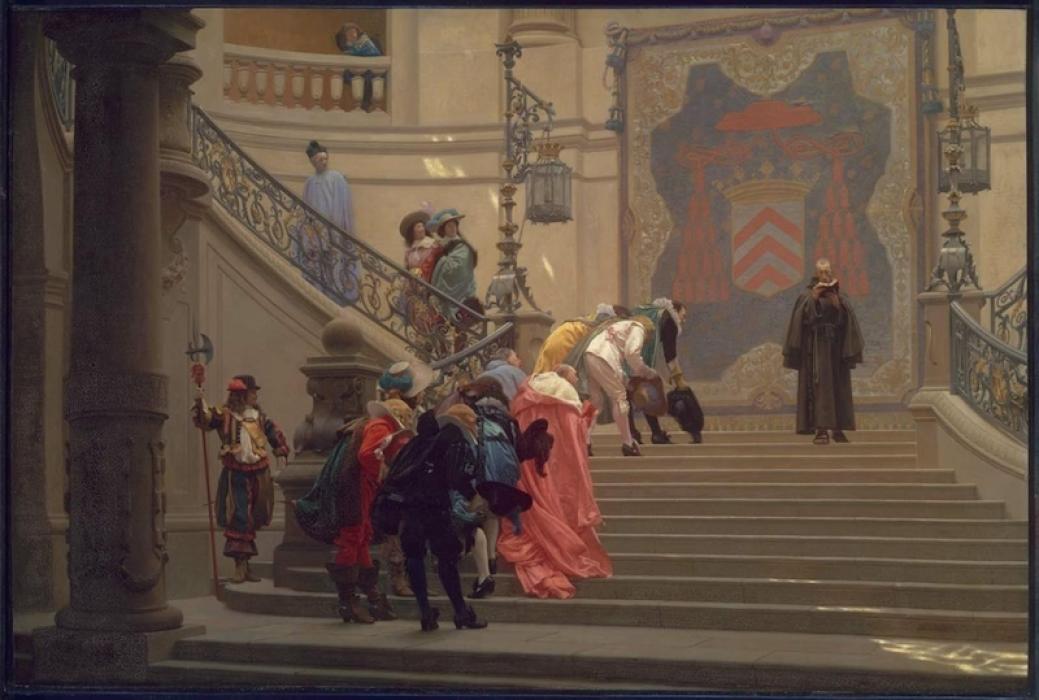
Jean-Léon Gérôme, L’Eminence Grise, 1873, oil on canvas, Museum of Fine Arts Boston, Bequest of Susan Cornelia Warren, 03.605
Indeed, the Medal of Honor of the 1874 Salon was awarded to Jean-Léon Gérôme’s L’eminence Grise. Gérôme plotted the composition carefully—from the architecture of the staircase to the arrangement of the figures and their gestures. With its historical narrative and meticulous description , this painting exemplified the type of art the Salon favored.
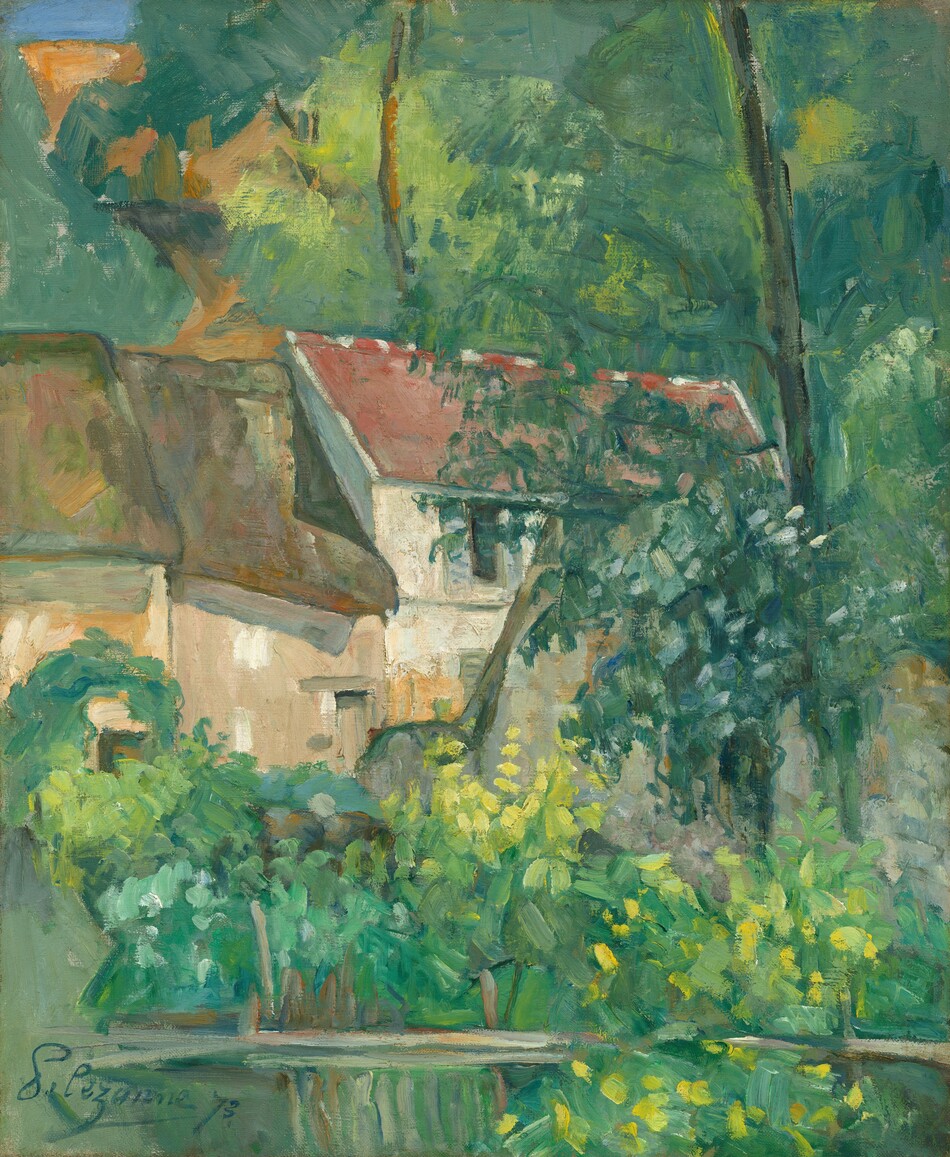
Meanwhile, the Salon refused to exhibit submissions from other artists. Monet, Paul Cezanne, Edouard Manet, and Pierre Auguste Renoir all felt the sting of rejection.
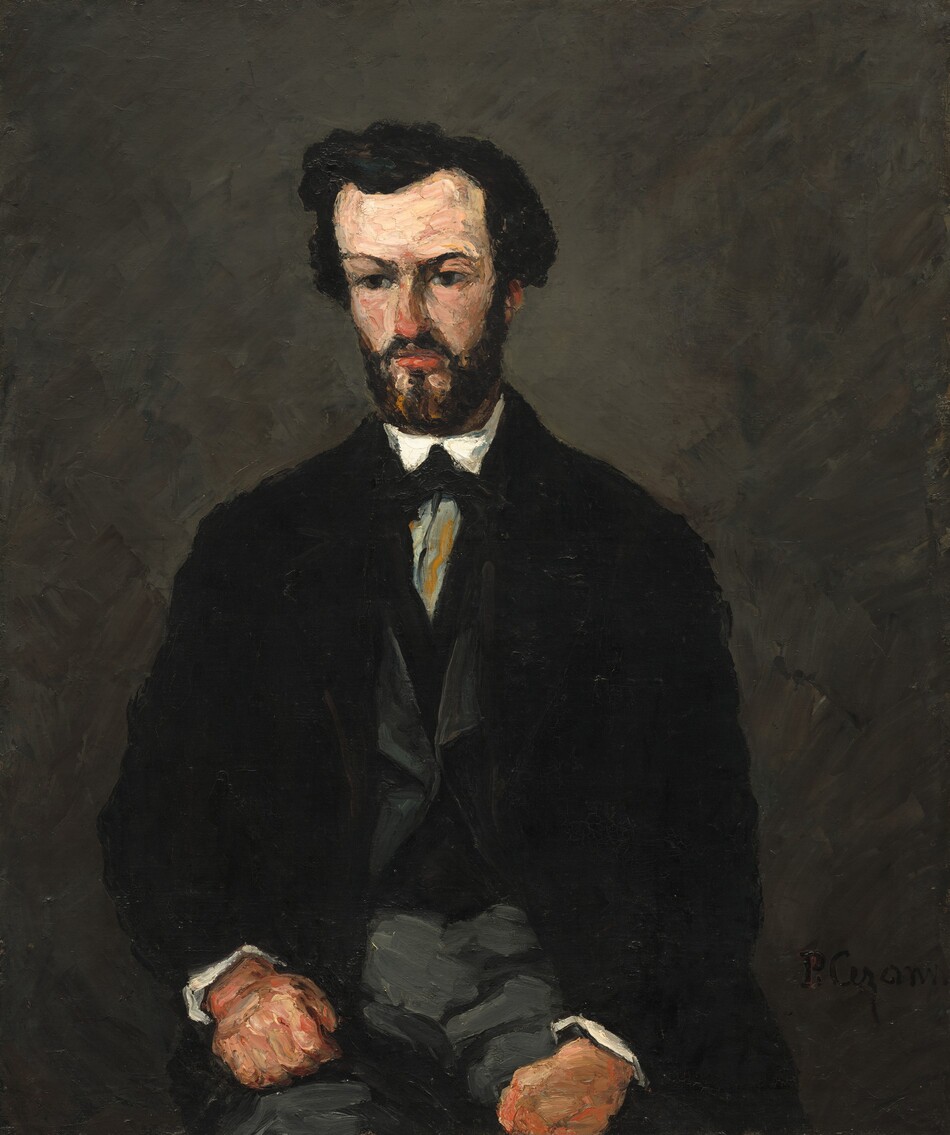
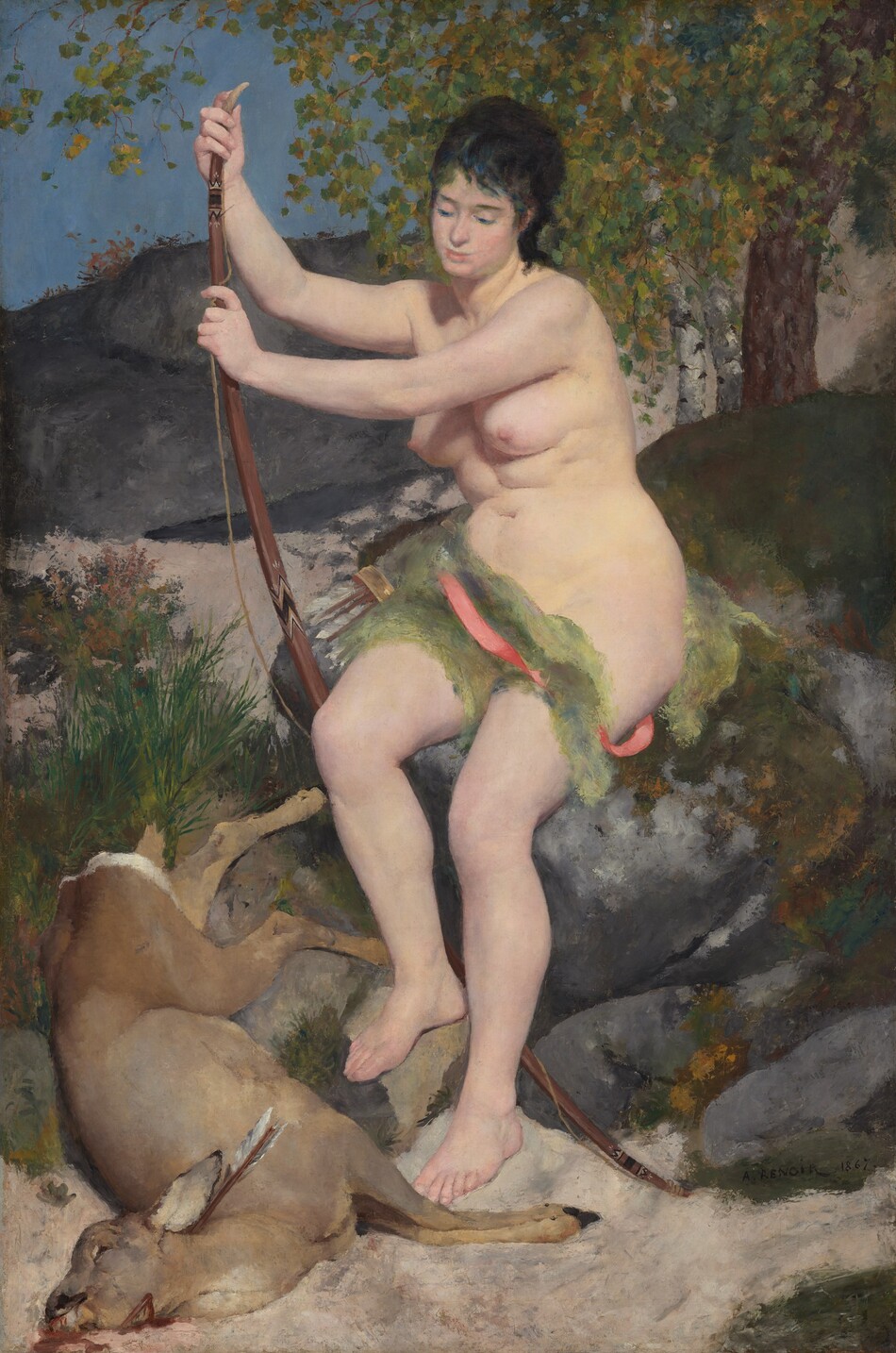
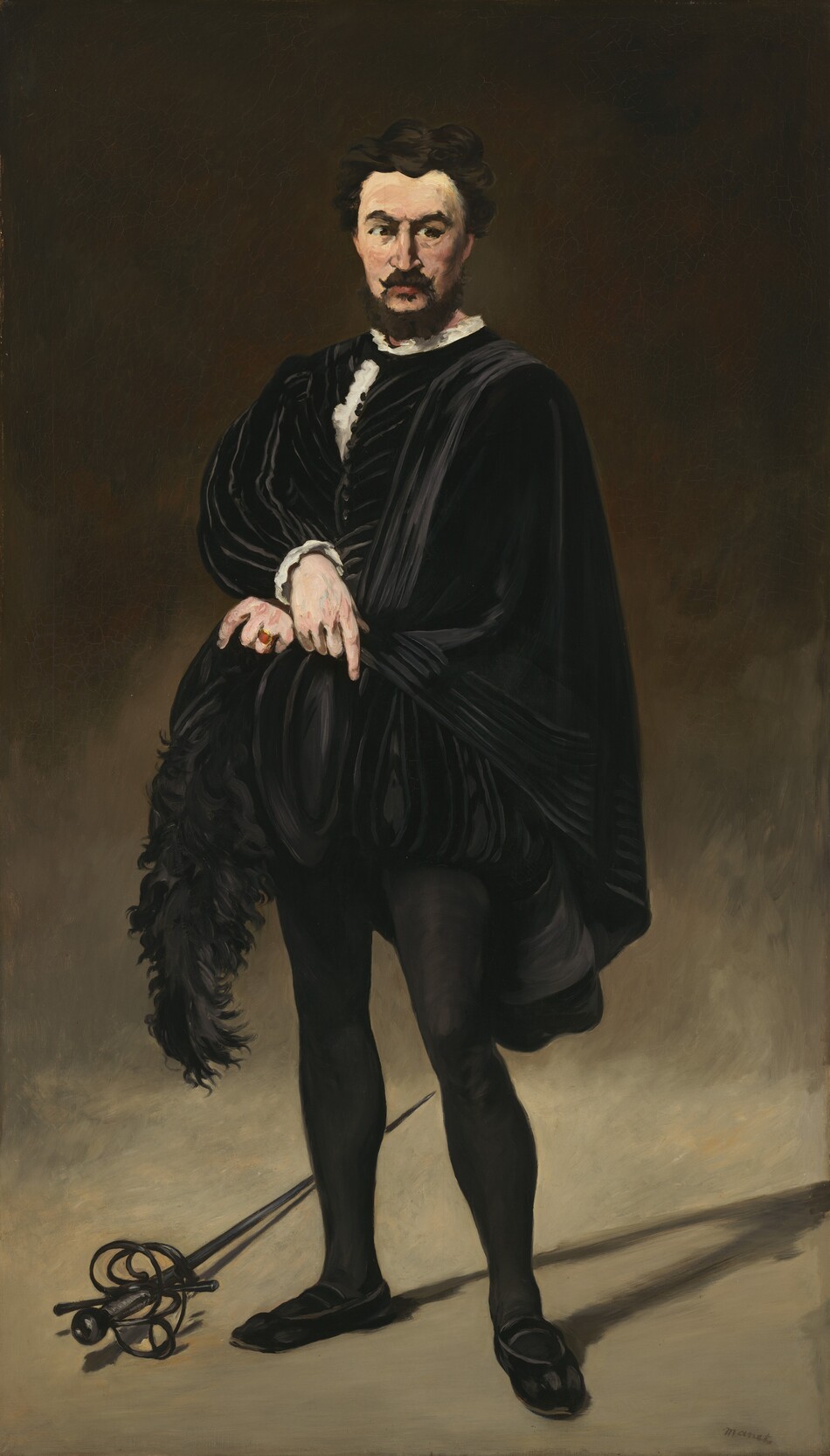
Frustrated with the Salon’s conservative tastes and near-monopoly on patronage, Edgar Degas wrote a harshly worded letter to the jury. “You better change your ways, and thereby do your duty,” he demanded.
A Breakaway Exhibition
After repeated rejections, these artists decided to consider a different strategy to have their works taken seriously. Thirty-one artists formed a société anonyme, or an incorporated business.
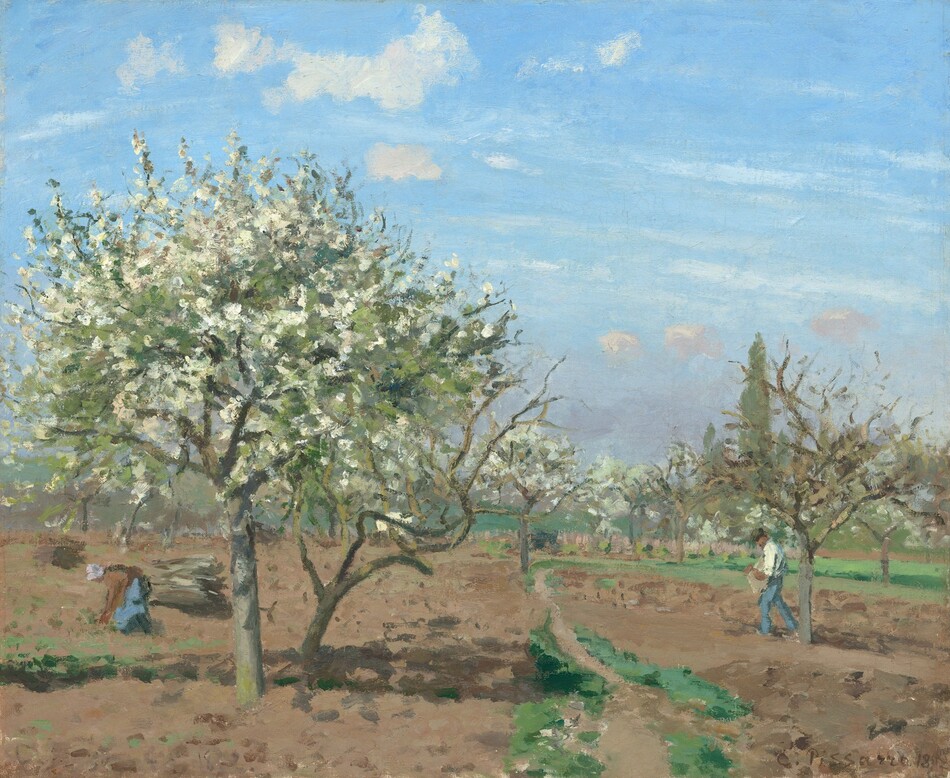
They were a diverse group. Some, like Sisley, Morisot, and Camille Pissarro, were already working in a recognizably “impressionistic” style. They painted with expressive, loose brushstrokes and a luminous pastel palette. Others, like Degas and Cezanne, painted in darker tones but committed themselves to depicting everyday life. What united them was their rejection of the status quo upheld by the Salon. They all saw themselves as independents.
On January 17, 1874, the Société Anonyme announced that an “open exhibition, without juries or prizes” would take place several months later on April 15. The photographer Nadar offered to host the exhibition in his studio at 35 Boulevard Capucines. Surrounded by grand cafés, this location was perfect for attracting a wealthy clientele.
In four short months, the organizers gathered together 200 works to display. Newspaper coverage built anticipation for the exhibition, leading Degas to remark, “This event is making more progress and is more welcoming, I swear, than I thought it would be.”
A Failed Exhibition but an Enduring Legacy
But the first impressionist exhibition failed by conventional metrics. Attendance was poor: in the month it was open, the exhibition only received 3,500 visitors—mostly friends, critics, and collectors. Meanwhile, the 1874 Salon welcomed half a million attendees.
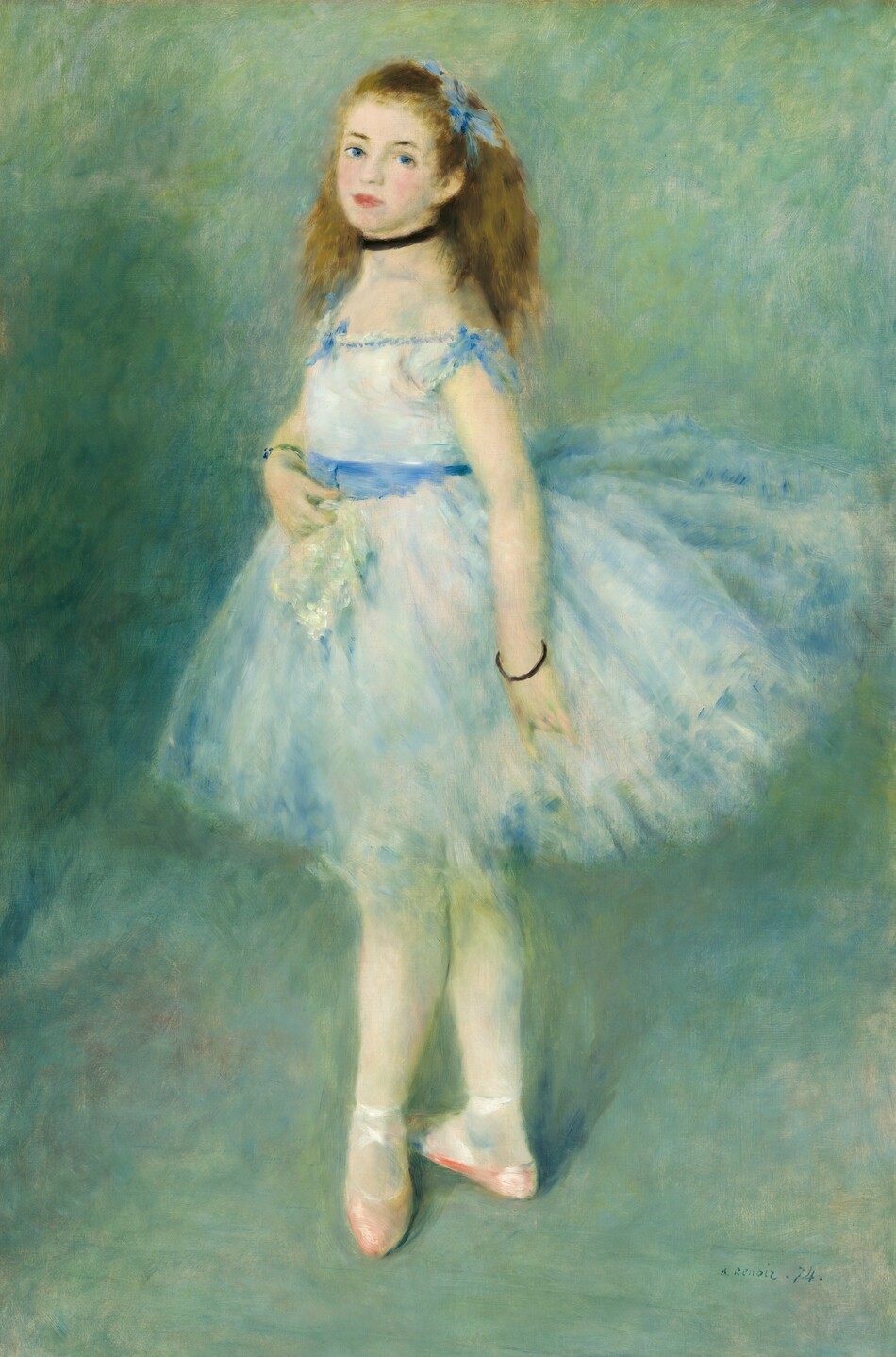
It was not a commercial success; few paintings were sold. Nor was it a critical success. An infamous review from critic Louis Leroy panned the works as unfinished. Of Renoir’s Dancer, he wrote, “What a pity . . . that the painter, who has a certain understanding of color, doesn’t draw better; his dancer’s legs are as cottony as the gauze of her skirts.” Leroy coined the term “impressions” as a disparaging descriptor of the style.
The Société Anonyme disbanded, but the circle of artists endured. Over the course of seven subsequent independent exhibitions, they became known as impressionists. Today, their paintings remain among the most recognized and beloved works of Western art.
You may also like
Article: Who Is Elizabeth Gilbert Jerome? 5 Things to Know
The Hudson River School painter created landscapes that captured America’s natural splendor.
Article: Who Is Joshua Johnson? 7 Things to Know
The Maryland-based artist is one of America’s earliest-documented professional Black portraitists.