


Sublime Light
J. M. W. Turner’s Keelmen Heaving in Coals by Moonlight

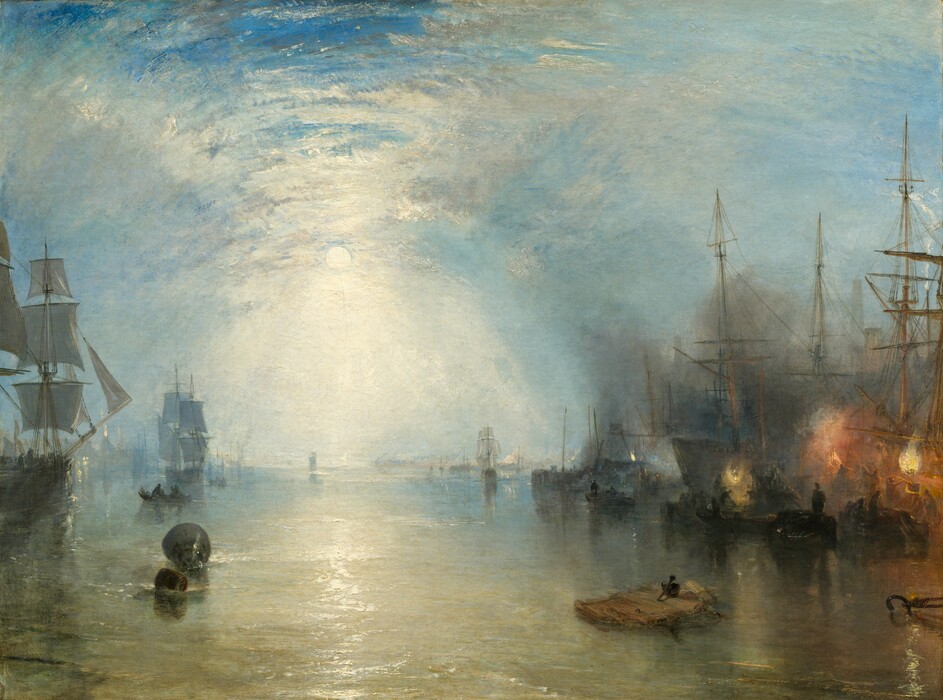
So much is happening in this painting that it’s hard to identify a single subject. Men shovel coal onto large ships. Boats glide to and fro across a shimmering river. Fires burn through the night, lighting the way for the workers. It’s a scene charged with the ceaseless activity of industry.
But notice where your eyes wander. Our gaze tends to follow the light. A white moon shines through an industrial haze, yellow and orange flames leap behind a veil of smoke, and water sparkles with the warm light of the fires and the cool gleam of the moon.
The creator of this work, British artist Joseph Mallord William Turner, was known for his striking and expressive depictions of light. Born in London in 1775, Turner became one of the most prominent Romantic painters in England. Romanticism was a European artistic movement that sought to convey the feelings of awe, terror, and admiration that nature can evoke in us. In Turner’s day, this combination of emotions was called the sublime, and many of his works aim to capture this sensation. Through his manipulation of light in Keelmen Heaving in Coals by Moonlight, Turner manages to transform a scene of labor and industry into a work of staggering wonder.
A hub of activity
When Turner made this work, the Industrial Revolution was well underway in England. Rapid construction created tension between the natural world and the expanding built environment. Turner’s choice of subject reflects this friction. Keelmen depicts the meeting of nature and industry in a dramatic composition.
Work and pleasure in a pair of paintings
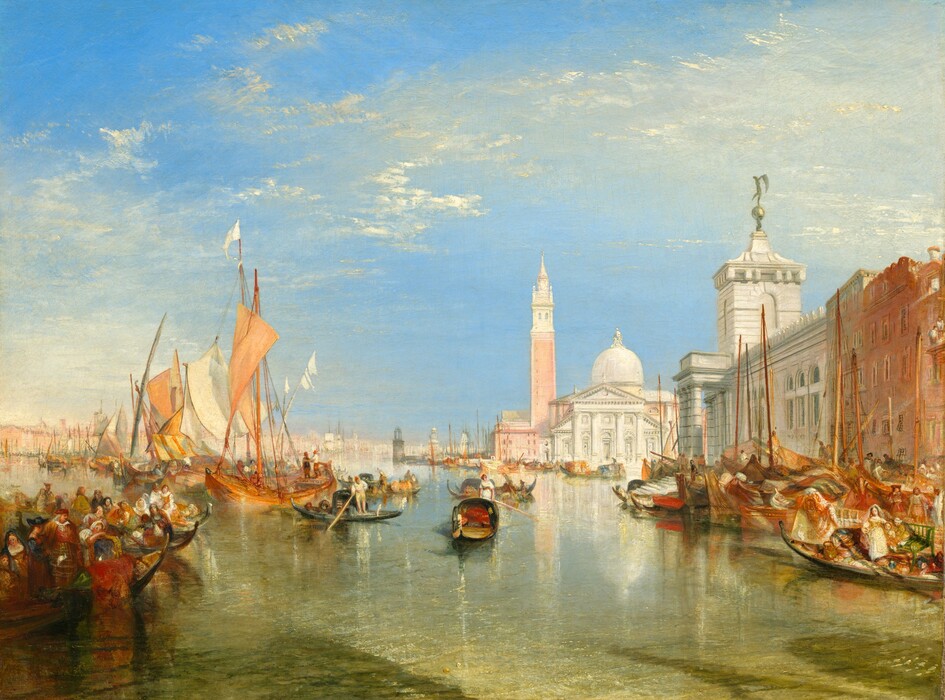
What meaning can we glean from this work? Its sister painting may hold some clues. Turner painted Keelmen Heaving in Coals by Moonlight in 1835 at the request of a textile manufacturer named Henry McConnel. The Manchester-based businessman commissioned the scene as a pendant, or companion painting, to another work by Turner in his collection. McConnel had purchased the other painting, Venice: The Dogana and San Giorgio Maggiore, in 1834.
In this pair of works, Turner contrasts two great maritime trading cities, pairing a bright afternoon in Venice, Italy, with a smoky English night. Both works are in the National Gallery’s collection and are often displayed side by side.
In terms of lighting effects, the two could hardly be more different.
We cannot be sure what Turner wished to communicate with these two works. But he may have wanted to showcase England’s rising power as a center for trade and manufacturing—the source of his patron’s wealth—and contrast it with Venice’s declining economic influence.
Turner’s Legacy
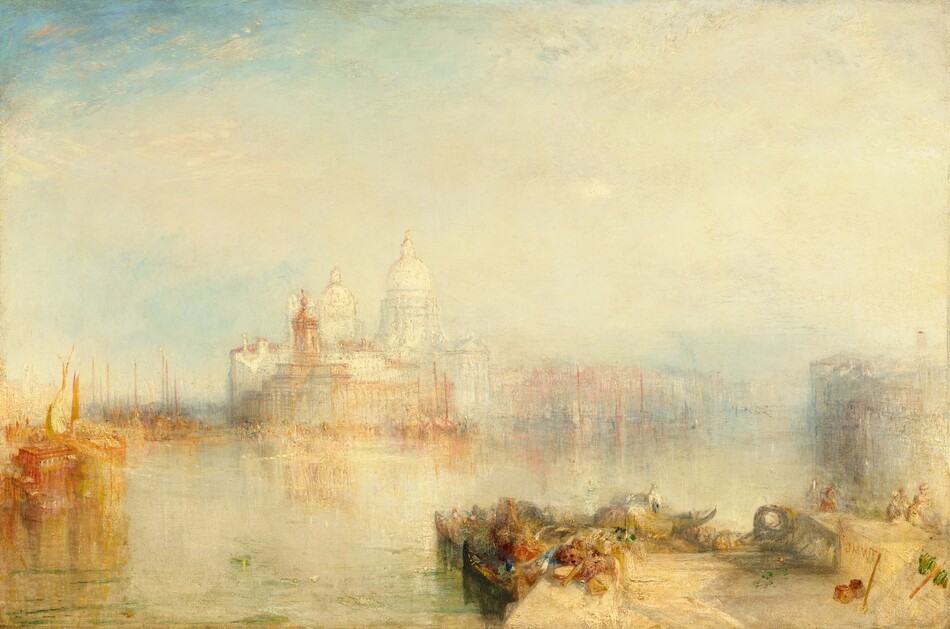
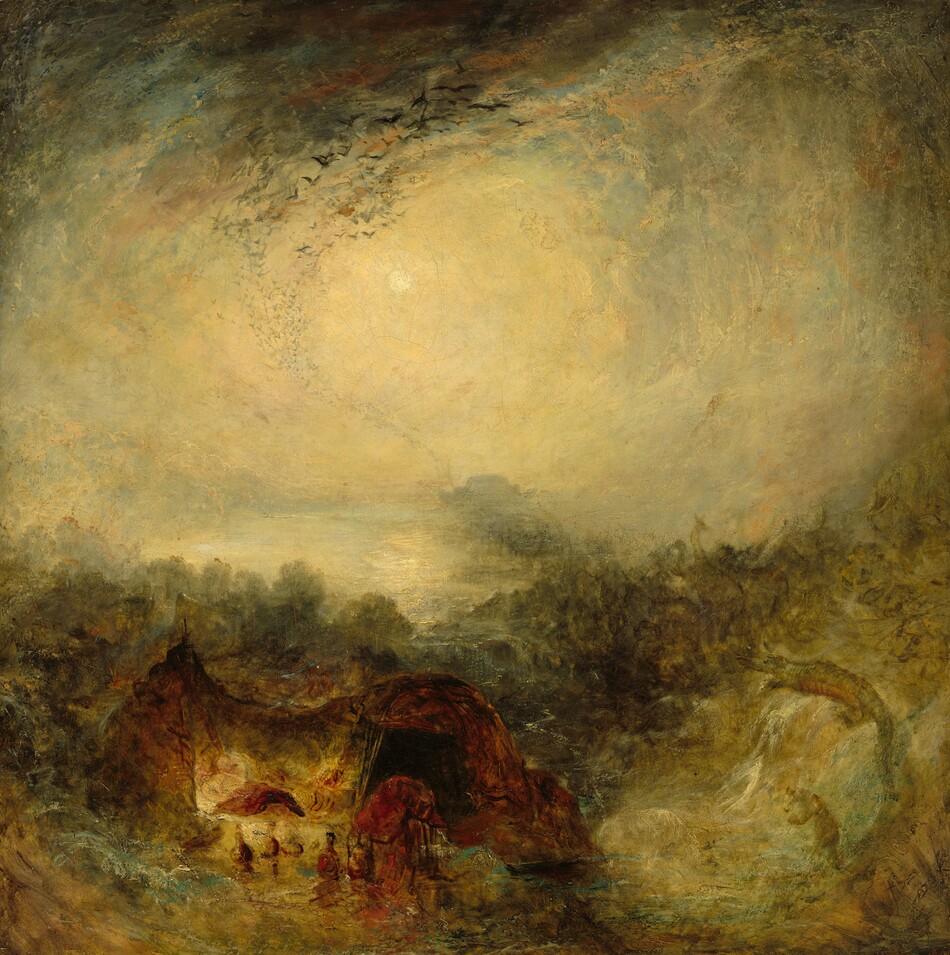
A critic in Turner’s day described the artist’s blurry, atmospheric paintings as “pictures of nothing.” Indeed, Turner’s later works moved closer to abstraction than almost any Western artist had before. They are pictures of light, emotion, and weather, capturing the sublime feeling of being dwarfed by powerful forces of nature.
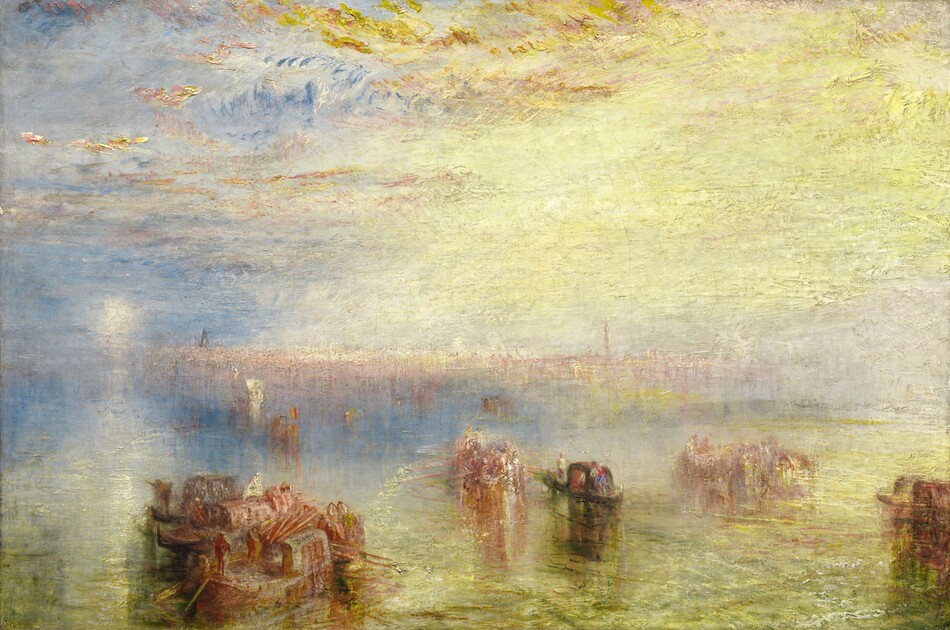
Turner’s thoroughly modern works still have much to teach us. His paintings have inspired countless artists—from Claude Monet to David Hockney—who explored the same themes. They will no doubt continue to do so for generations to come.
You may also like
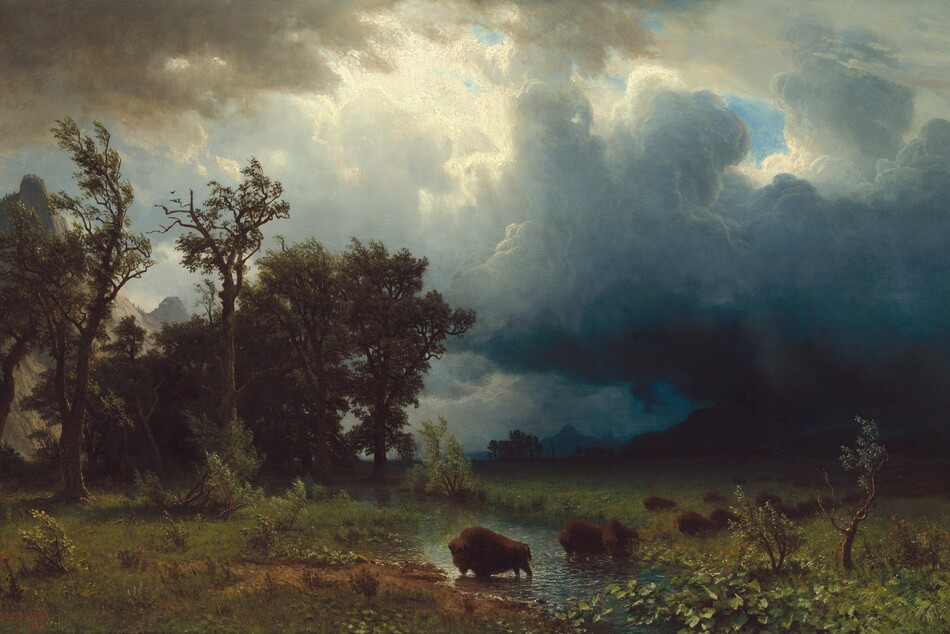
Article: Artistic Visions of Our Nation’s Nature
See how artists interpret our nation’s natural beauty—from a fluttering Baltimore oriole to a towering redwood tree.
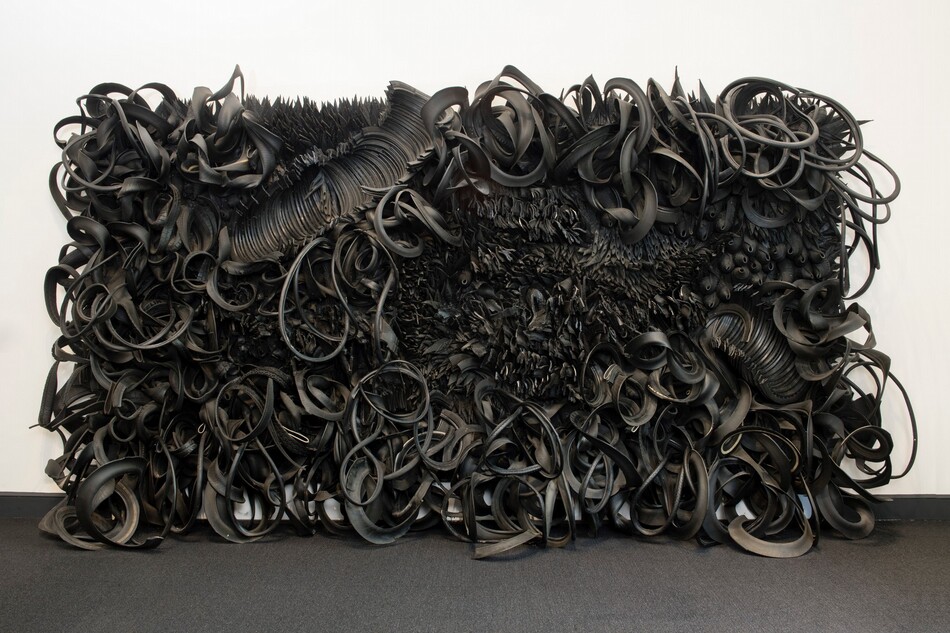
Article: From Old Car Tires, Chakaia Booker Reveals Beauty and Devastation
Transforming discarded tires into monumental sculptures, the artist reflects on the environmental impact of our daily commutes.