


Create with Us: How Drawing Can Teach You to See Your Belongings in a New Light

Nika Kozyrenko (Corcoran student), Sony Walkman, 2025, gouache on paper
In “Create with Us,” we put our own spin on works from the National Gallery of Art. Follow along for more inspiration and creative activities.
A backpack. Glasses. Underwear. These things are so commonplace, we might not give them a second thought—even as we pick them up, wear them, and use them.
But when artist and educator Kara Braciale asked her students to draw these everyday items, the ordinary revealed itself as extraordinary.
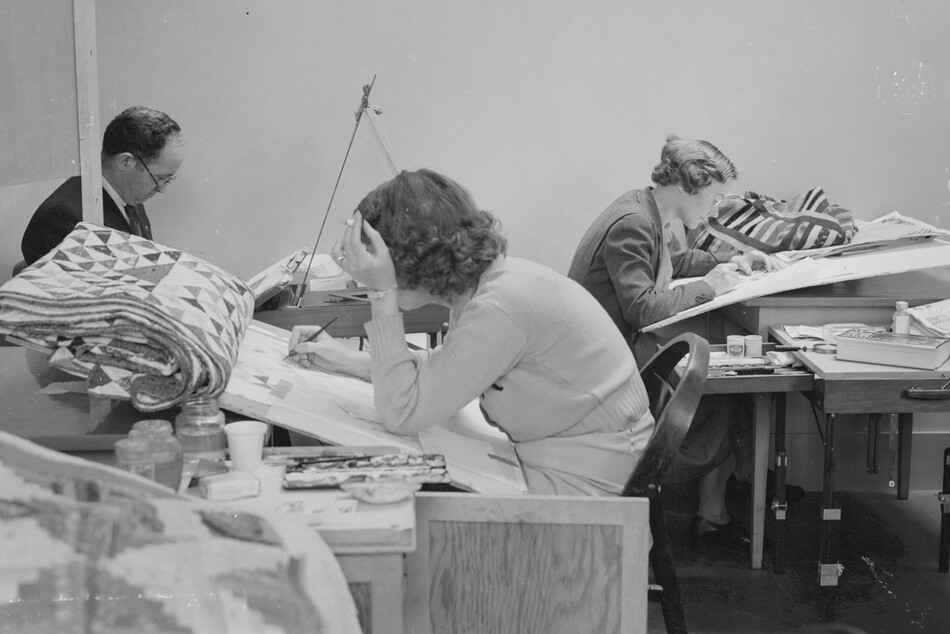
Braciale teaches observational drawing at the Corcoran School of the Arts & Design in Washington, DC. Her students take inspiration from the Index of American Design, a Depression-era project that hired artists across the country to draw and paint American objects—everything from a weather vane to a baby’s bonnet.
The IAD wrapped up in the 1940s, but Braciale and her students wonder: What if it kept going? Which of their own objects merit entry into the archive? By drawing an object of their own and arguing for its significance, the students consider how their belongings shape the way we live today. Discover what they chose, then make your own drawing worthy of the IAD.
Why should we care about everyday objects?
A lot of our household possessions may seem like, well, wallpaper. Rarely do we take the time to consider how something was made, let alone what it says about our culture. When we take the time to look with curious eyes, we might start to see new stories.
Status symbols
Some students chose objects based on what they signify about the owner: in this case, the status water bottle. Alex Newman noticed how different brands become popular and then quickly fall out of fashion. His drawing represents the bottle of the moment, the Owala FreeSip. By separating the lid from the cup, the straw casts a shadow across the curve of the bottle’s surface. It’s a clever artistic choice. Reflecting the same trend, Diana Chae drew a limited-edition Stanley cup emblazoned with pink bows.

Alex Newman (Corcoran student), Owala Water Bottle, 2023, graphite on paper, 2023

Diana Chae (Corcoran student), Stanley cup (LoveShackFancy edition), 2025, watercolor and colored pencil on paper
Changing cultural norms
Other students chose objects that documented a cultural sea change. For Nika Kozyrenko, the Sony Walkman marks the transition from a shared environment, where we experience music collectively, to a personal soundscape. He wrote, “[The Walkman] ushered in a new age of privacy and intimacy between one and music. The act of choosing a cassette, inserting it into the case, and clicking play was a private ritual…”

Nika Kozyrenko (Corcoran student), Sony Walkman, 2025, gouache and graphite on paper
The hyper-regional object
Some objects conjure a sense of place. During the 2024 election, Ella Udell canvassed door-to-door in Bucks County, Pennsylvania. She noticed a particular bee tile in nearly every home she entered. Ella discovered that the tiles were created by Henry Chapman Mercer, an artist and archaeologist born in 1856. Mercer was worried that industrialization would erase local artist traditions. This concern was shared by the IAD founders, who sought to document regional folkways.
Mercer devoted himself to preserving and re-creating the old Pennsylvania German style of tile and pottery. At his original Moravian Pottery and Tile Works factory, artists still use Mercer’s hand-made techniques and local clay to make tiles today. Ella’s colored pencil drawing is based on a 2024 reproduction of an original Mercer tile.

Ella Udell (Corcoran student), Bucks County tile, 2025, colored pencil on paper
Why draw when you can take a photo?
In an era when cameras can faithfully render an object (and even make 3D models), what’s the point of drawing? Is a 21st-century IAD better served by photographs?
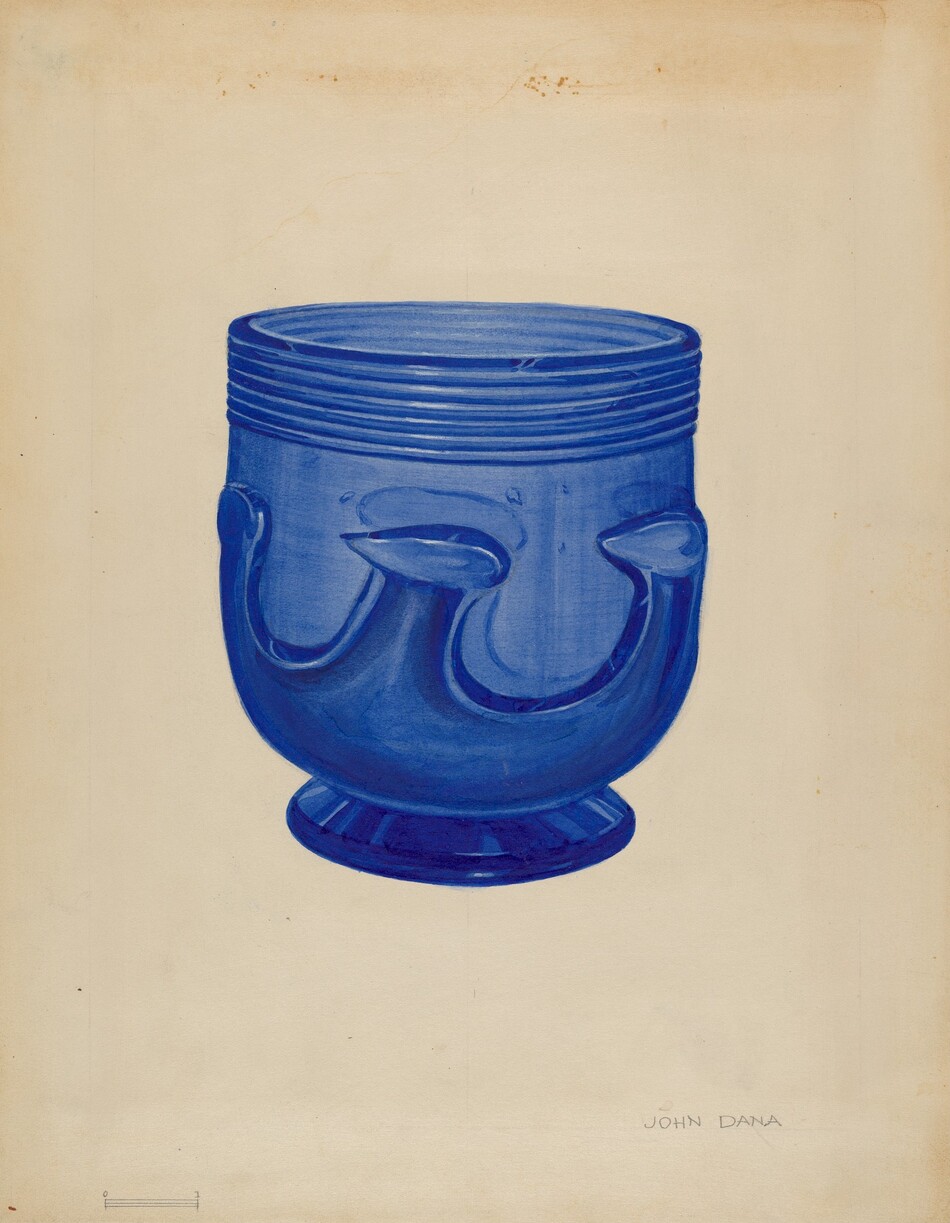
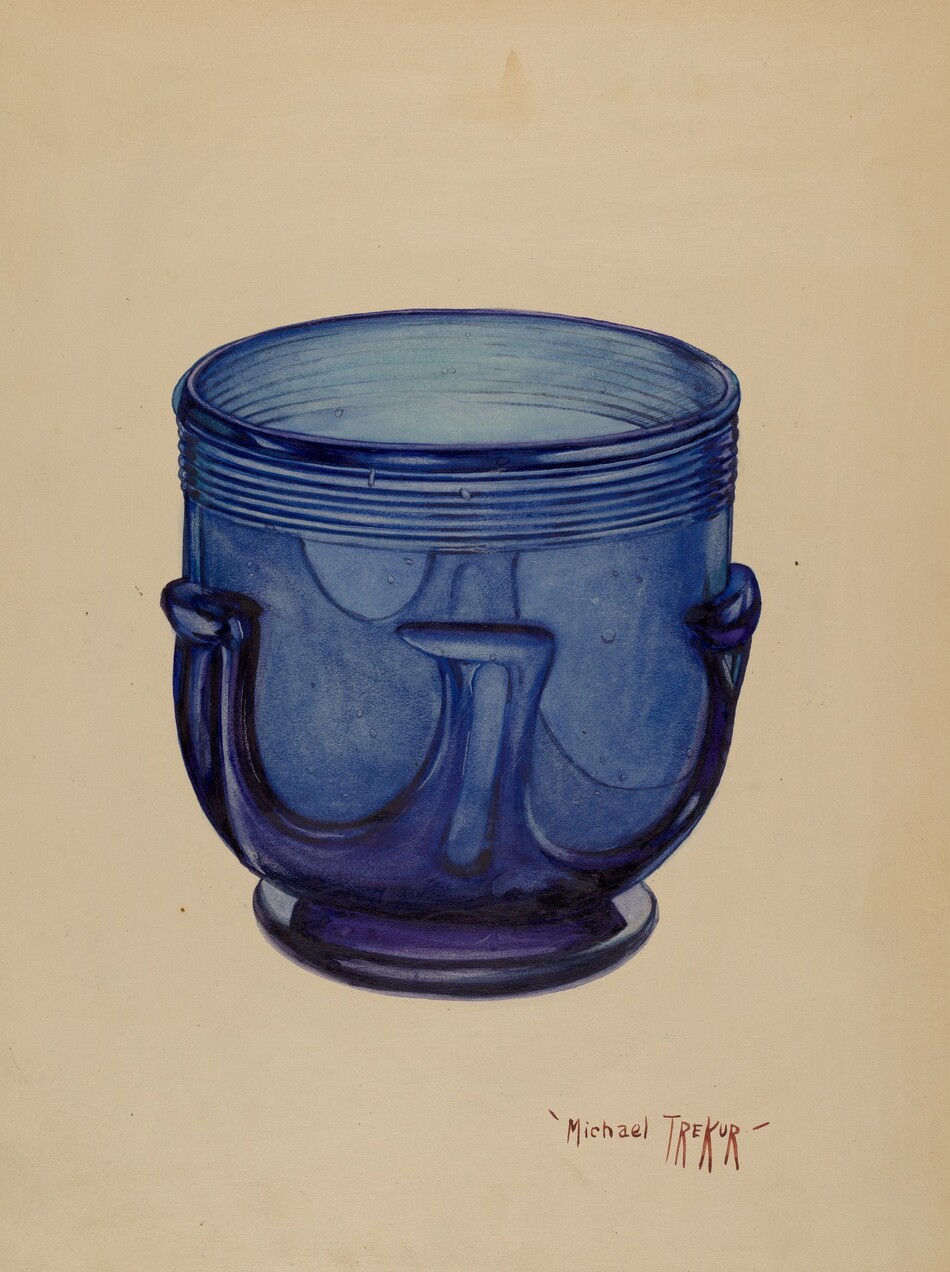
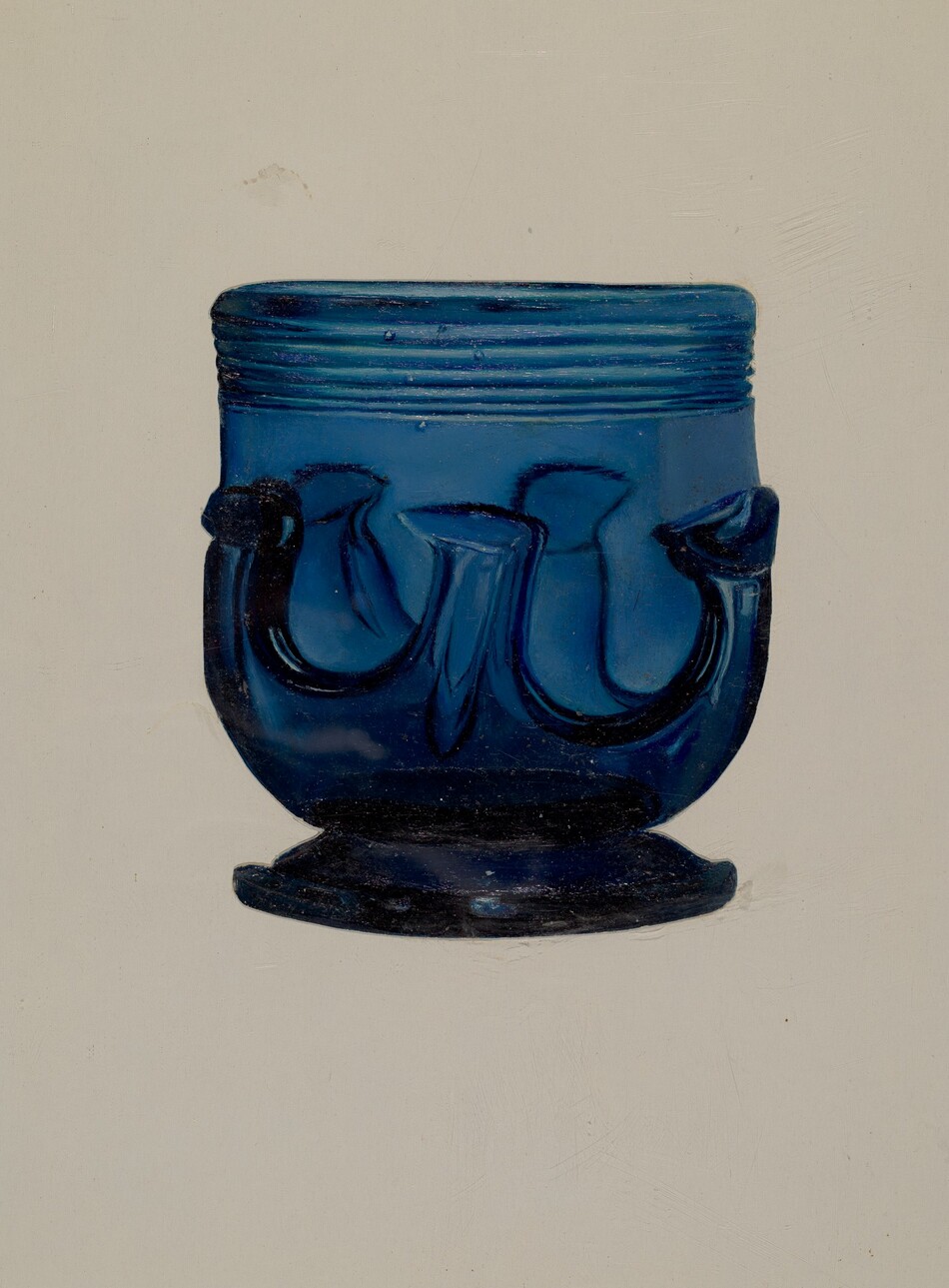
But drawings show, as Braciale puts it, “the incomparable subjectivity of the human hand and eye.” We can all look at the same object, but what we notice is different. You can see that in these series of the same object captured by different artists. When an artist translates a 3D object into a flat, 2D surface, they prioritize different levels of information.
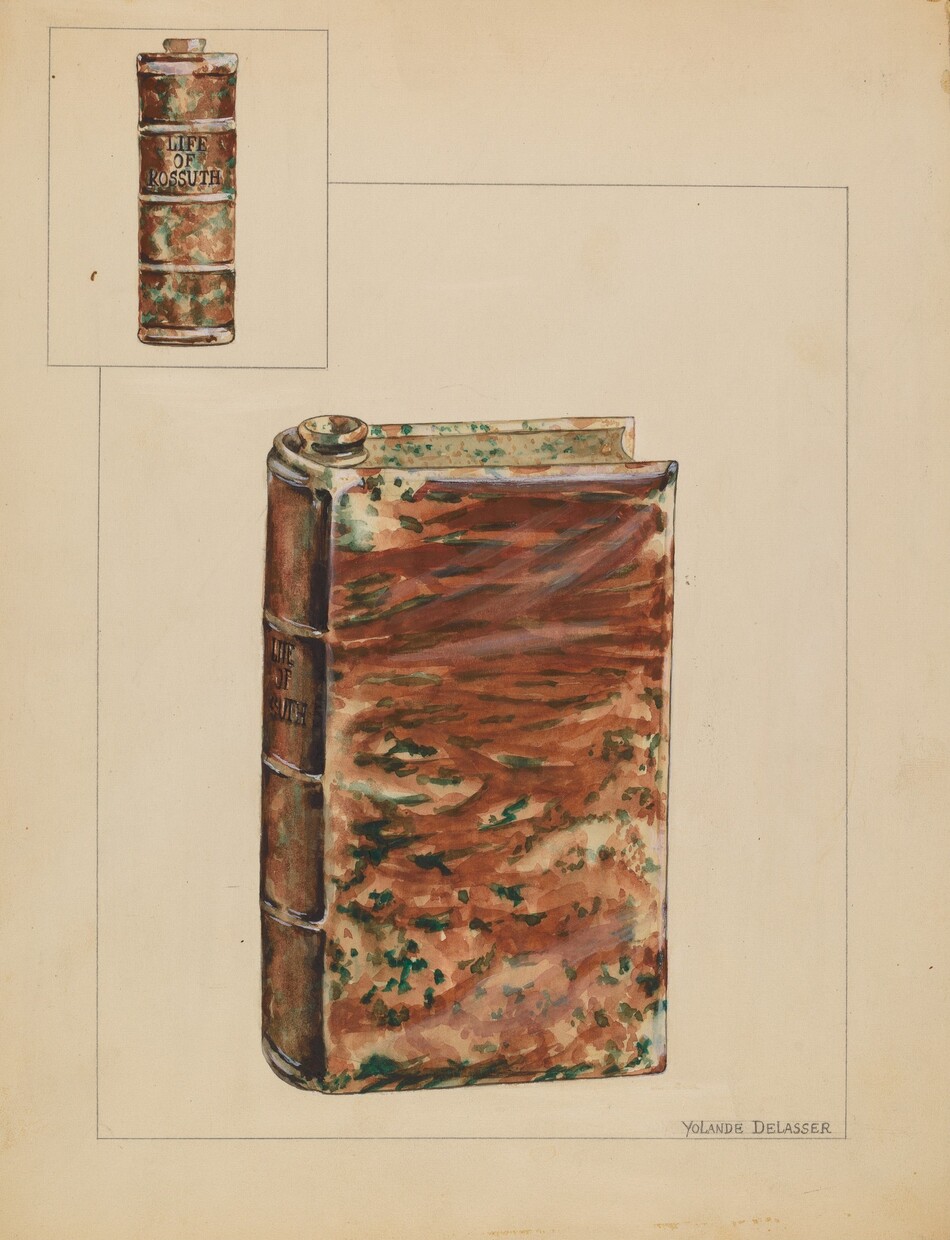
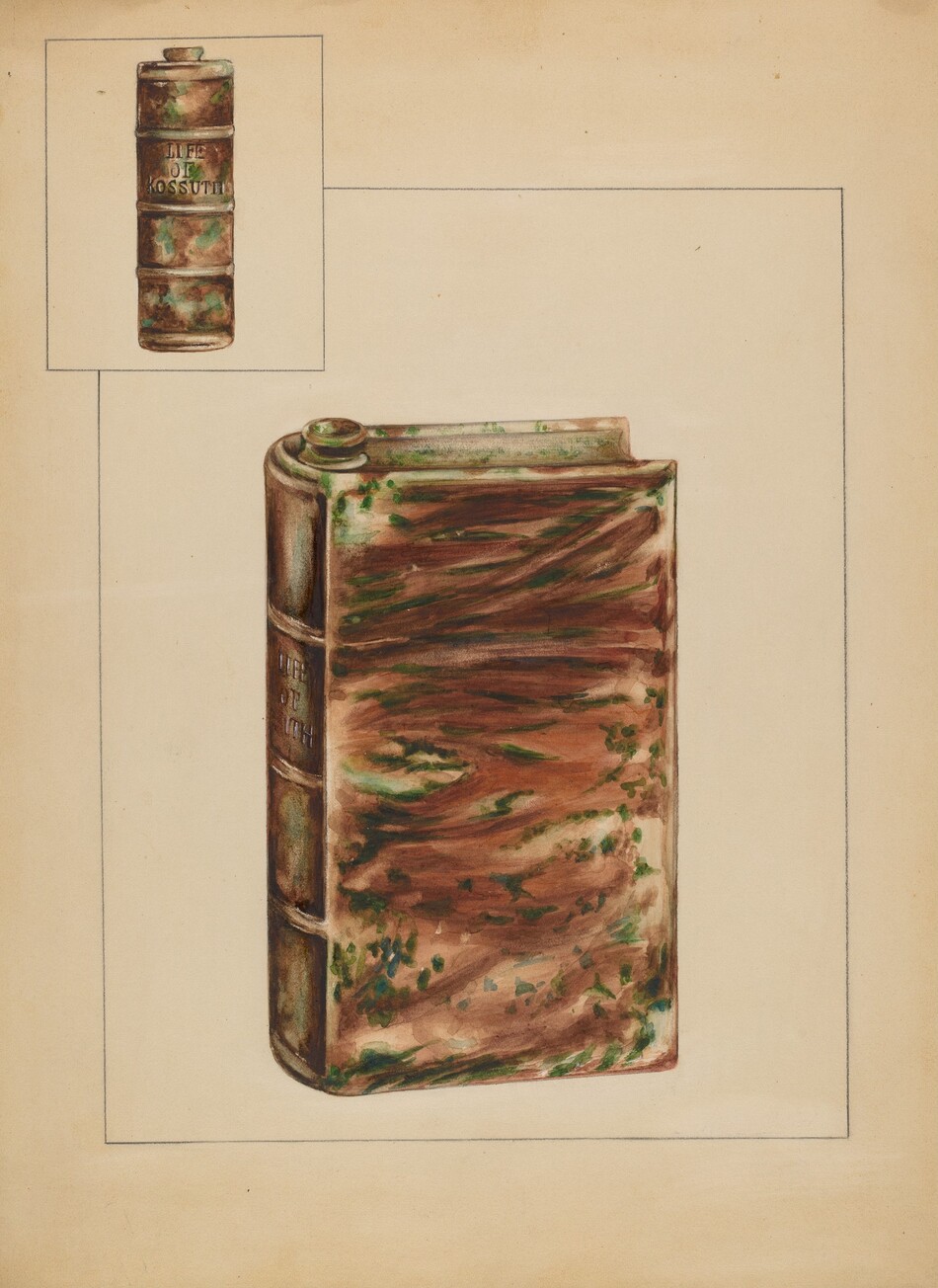
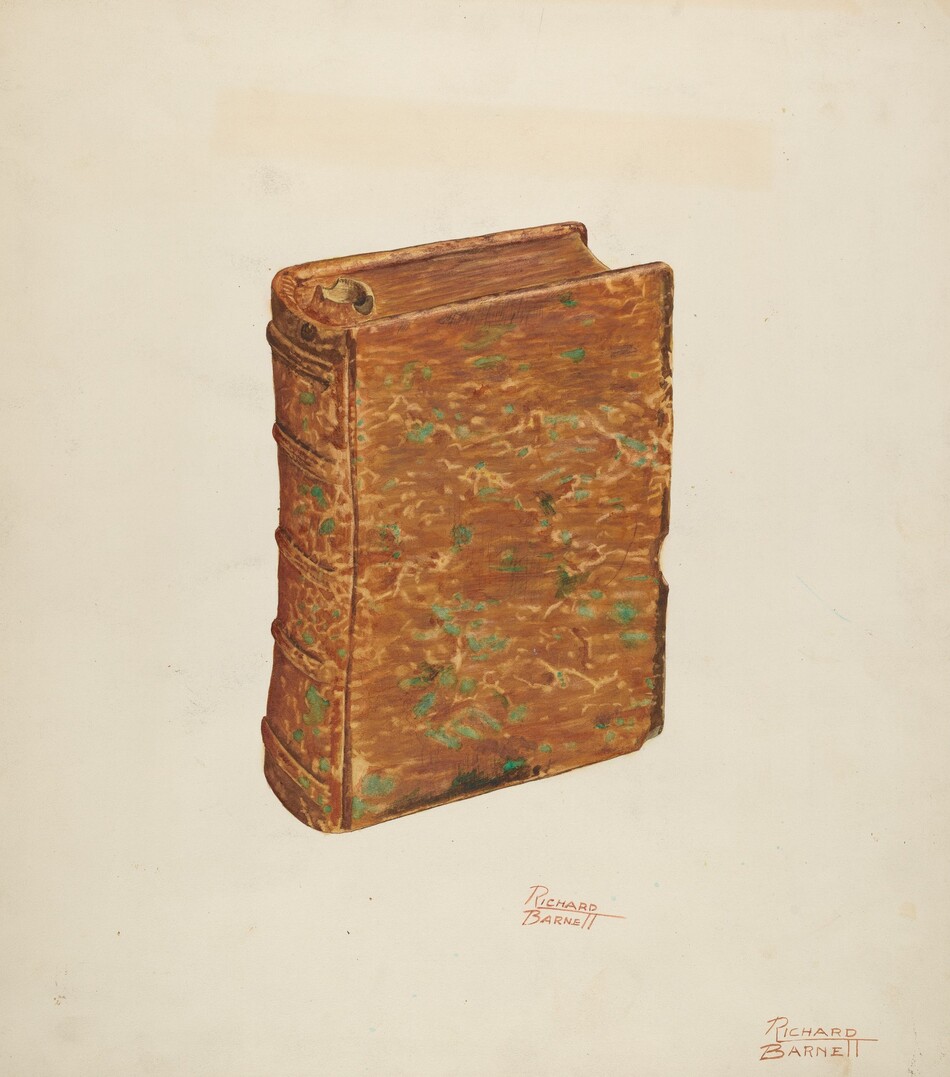
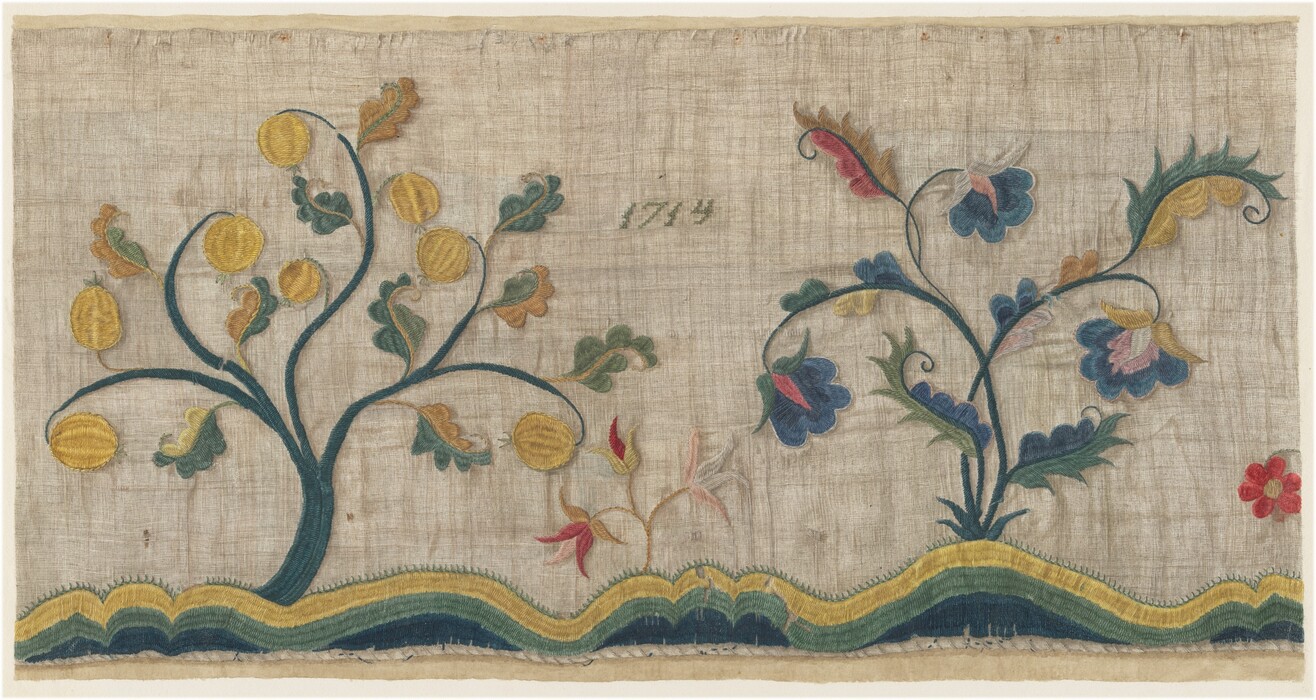
And some things just aren’t served well with photographs. How many times have you ordered clothes online only for the garment to show up on your doorstep and feel nothing like what you had imagined? Careful drawings and paintings can convey the surface texture and hand feel of fabrics.
Inspired by Suzanne Chapman’s exquisite textile illustrations, Braciale took a stab at depicting a lace handkerchief. By placing the handkerchief in front of different colored backgrounds, her delicate gouache and watercolor rendering showcases the fabric’s translucency and the fine, detailed lacework.

Kara Braciale, Lace Handkerchief (in progress), 2025, watercolor, gouache, and graphite on paper
Directions for Your Own IAD
- Pick an object you own. If you look around your home and you’re overwhelmed by the sheer number of possibilities, here are some considerations to help you narrow it down: Notice which objects tap into things that are important to you. Does it relate to your family? Bring up childhood nostalgia? Connect to a favorite hobby? Try noticing objects that you touch or use frequently.
- Take the time to look at it. Rotate the object so you can see it from different angles. What details appear to you the longer you observe?
- Practice a few sketches. Experiment with a few different techniques—lighten or darken, increase contrast, play with proportions, angle, cropping, and composition.
- Choose a view and draw it.
- Write down some notes next to your finished drawing. Why did you end up choosing this object? What did it remind you of?
We can’t wait to see what you come up with. Tag us at @ngadc on Instagram and add #ngadc #createwithus hashtags, or send your drawings to [email protected]. More than anything, we hope you enjoy the experience of making your drawing. As Braciale says, “Drawing is a practice that demands our presence. There’s always something more to see.”

The Index of American Design
From weather vanes and pie plates to roller skates and drums, there is no shortage of curious and beautiful examples of American design to discover.
You may also like
Article: Drawing with Scissors with Romare Bearden
Wendy MacNaughton takes us on a journey to meet the legendary Harlem artist known for his collages — and reflect on our own homes and families.
Article: Creating an Index of American Design
The US government once employed artists to draw pictures of designs from historical objects. The idea is reimagined by artists today.