


Watch Artists Reflect on the Power of Philip Guston’s Paintings

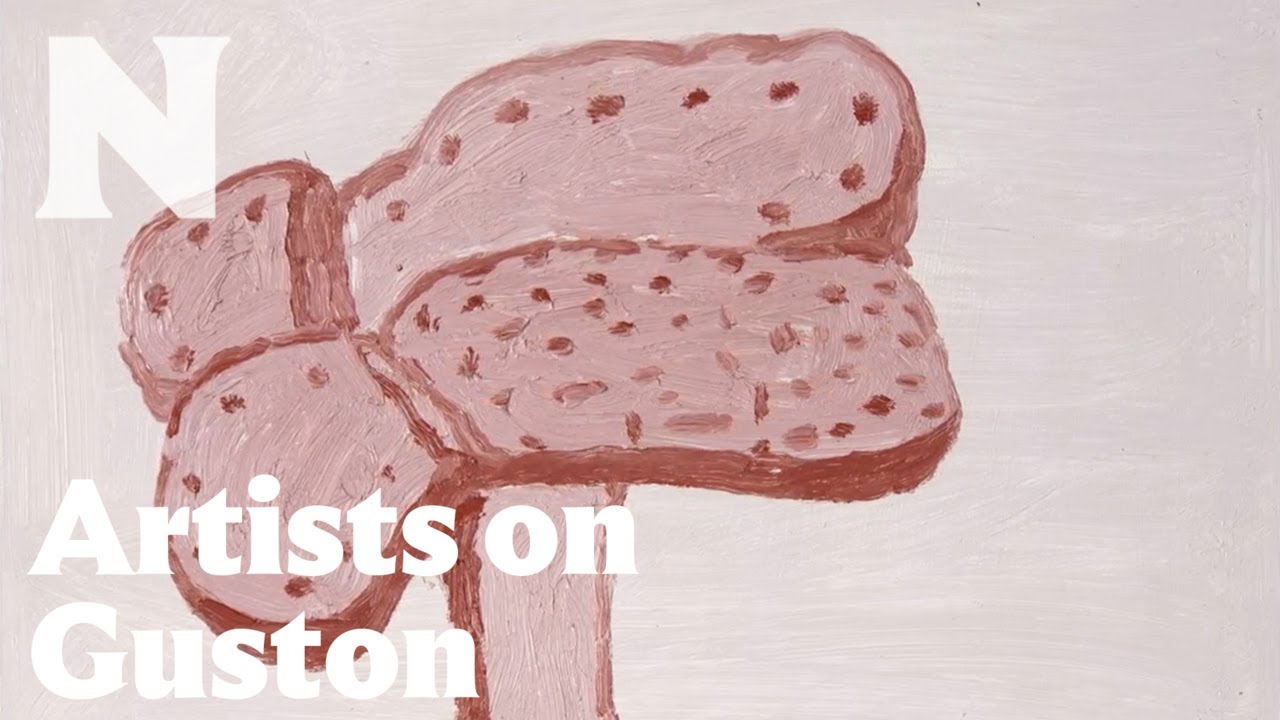
Why Philip Guston now? Cecily Brown, Glenn Ligon, and Musa Mayer, the painter’s daughter, weigh in on what makes Guston’s works compelling today.
Philip Guston is considered one of America’s greatest modern painters. The artist is the subject of our major exhibition charting his 50-year career, Philip Guston Now (March 2–August 27).
We spoke with Musa Mayer, the artist’s daughter and president of the Guston Foundation, as well as British painter Cecily Brown and American artist Glenn Ligon. Both Brown and Ligon are renowned creators who have found inspiration in Guston’s paintings and practice. Brown’s expressive paintings reference both art history and contemporary culture, like Guston’s. Ligon is known for creating works that address our nation’s history and culture.
Hear how Guston’s brave approach and innovative styles have influenced their own work—and why his paintings still resonate today.
You may also like

Article: The Once Great Salt Lake
Utah artists respond to the receding lake, mourning what is disappearing but also imagining a future in which it endures.

Article: The Japanese-American Artist Who Shaped Flowing Water
The multidisciplinary artist George Tsutakawa found inspiration in the Pacific Northwest’s natural environment and dedicated his life to art. His family follows in his footsteps.