Past Exhibition

Photography and the Black Arts Movement, 1955–1985

The image shows a young woman leaning against the rear of a classic car on a street. She rests her elbow on the car's trunk, supporting her chin with her hand. The woman's face is turned towards the camera, showing her dark eyes and short, voluminous black hair. She wears a long-sleeved dress with swirling green and pink colors, a white bracelet on her right wrist, and a circular pendant necklace. The background includes a tree-lined street with parked cars and blurred traffic.
James Barnor, Drum cover girl Erlin Ibreck, Kilburn, London, 1966, printed 2023, chromogenic print , Alfred H. Moses and Fern M. Schad Fund, 2025.26.3

Details

  • Dates

    -
  • Locations

    West Building, Main Floor, Gallery 74
The image shows a young woman leaning against the rear of a classic car on a street. She rests her elbow on the car's trunk, supporting her chin with her hand. The woman's face is turned towards the camera, showing her dark eyes and short, voluminous black hair. She wears a long-sleeved dress with swirling green and pink colors, a white bracelet on her right wrist, and a circular pendant necklace. The background includes a tree-lined street with parked cars and blurred traffic.
James Barnor, Drum cover girl Erlin Ibreck, Kilburn, London, 1966, printed 2023, chromogenic print , Alfred H. Moses and Fern M. Schad Fund, 2025.26.3

The first exhibition to consider photography’s impact on a cultural and aesthetic movement that celebrated Black history, identity, and beauty.

Uniting around civil rights and freedom movements of the 1960s and 1970s, many visual artists, poets, playwrights, musicians, photographers, and filmmakers expressed hope and dignity through their art. These creative efforts became known as the Black Arts Movement.  

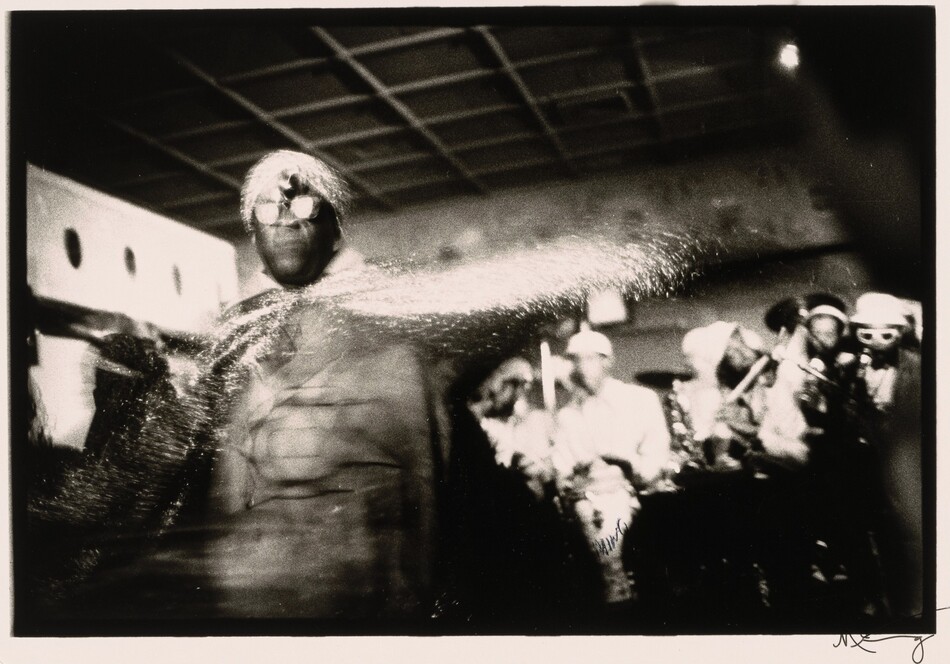
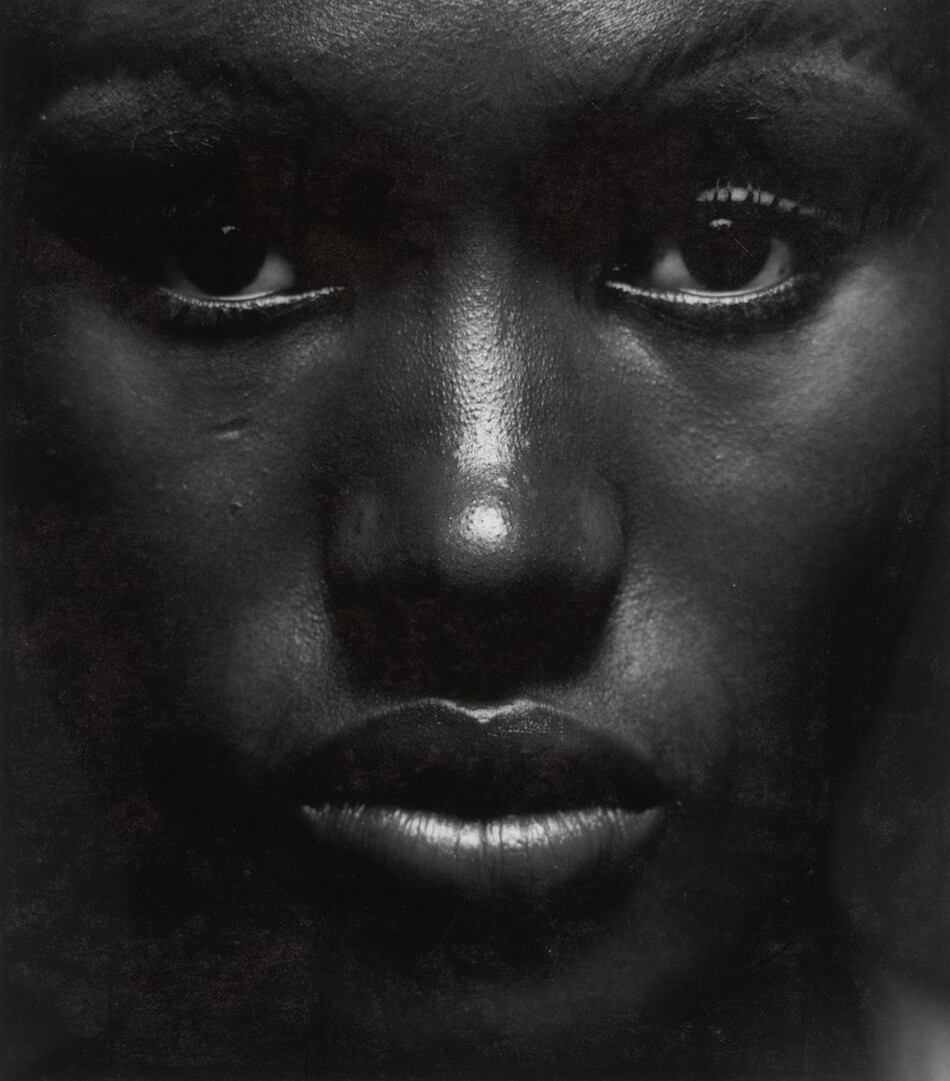
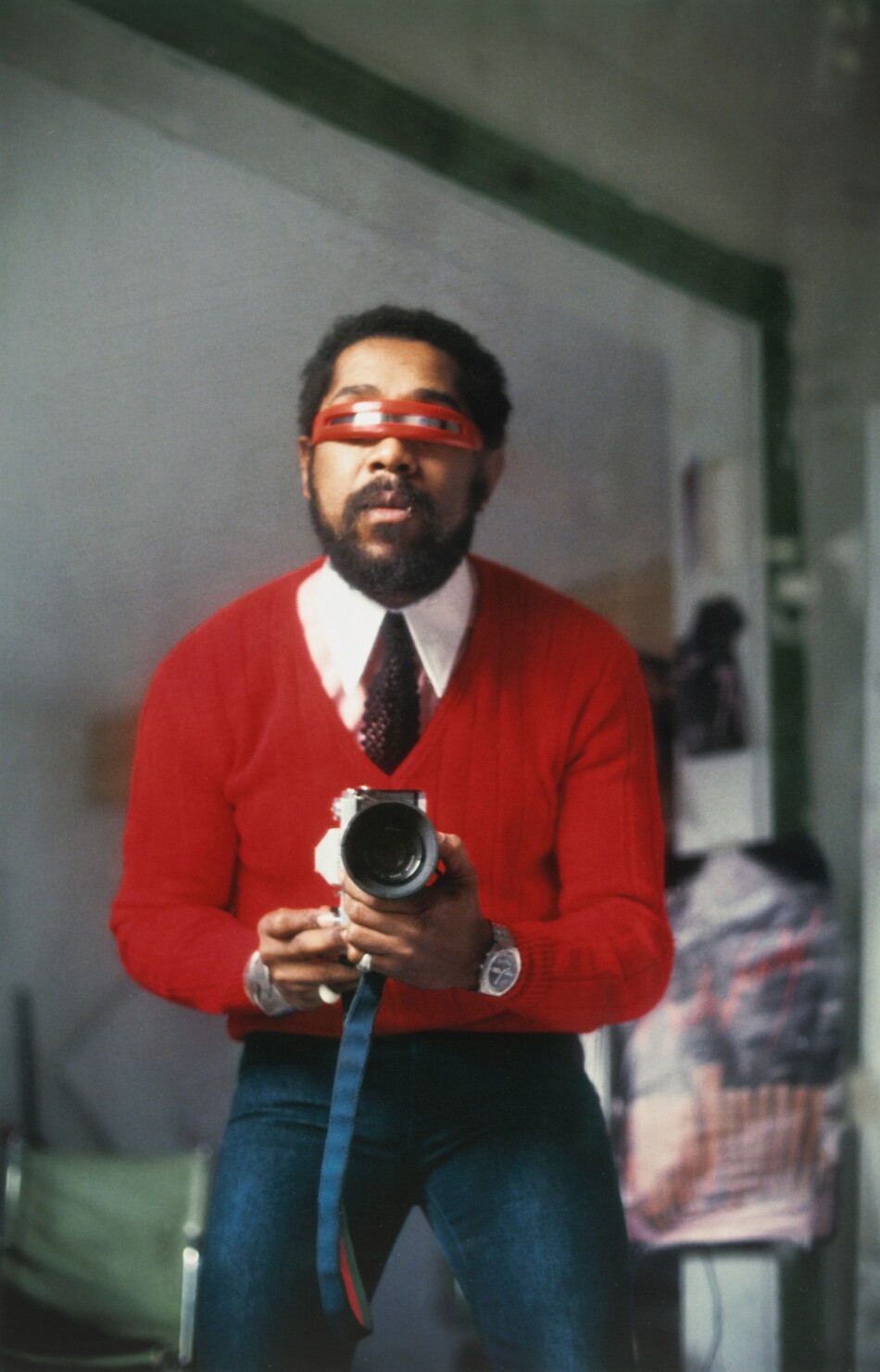
Photography was central to the movement, attracting all kinds of artists—from street photographers and photojournalists to painters and graphic designers. This expansive exhibition presents 150 examples tracing the Black Arts Movement from its roots to its lingering impacts, from 1955 to 1985. Explore the bold vision shaped by generations of artists including Billy Abernathy, Romare Bearden, Kwame Brathwaite, Roy DeCarava, Doris Derby, Emory Douglas, Barkley Hendricks, Barbara McCullough, Betye Saar, and Ming Smith.  

Explore selected works
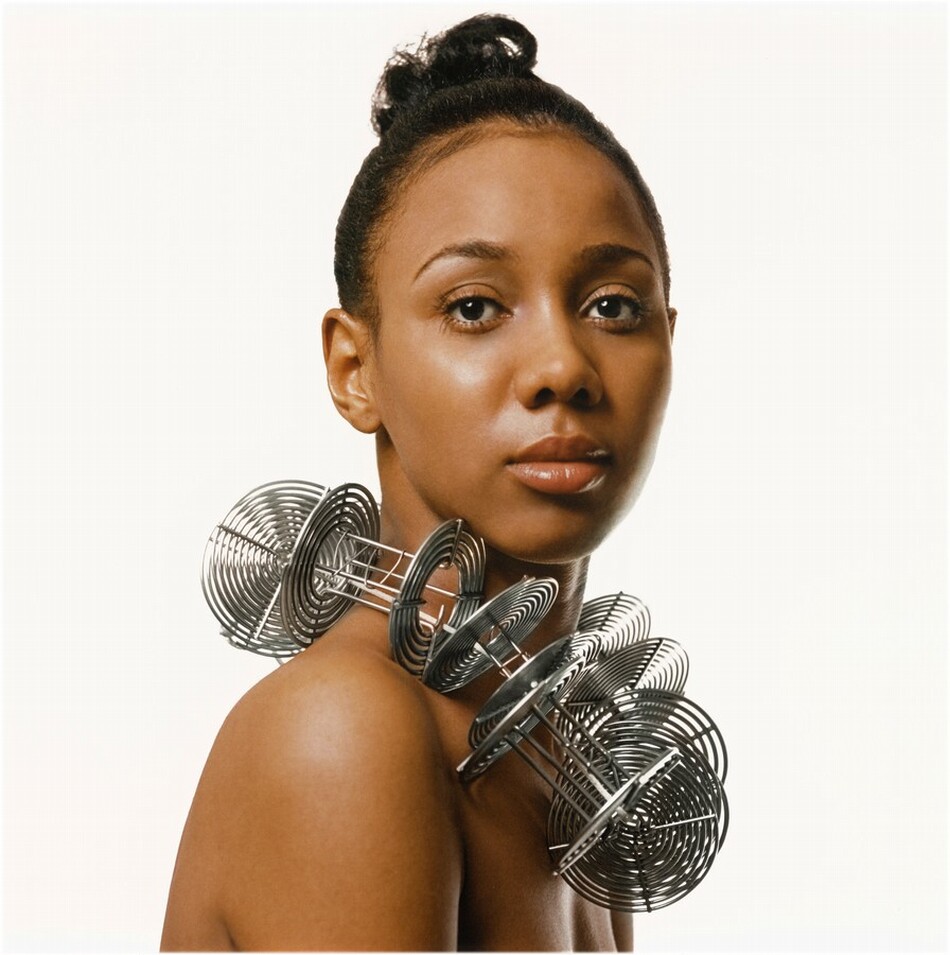
  • The image shows a woman's upper body, focusing on her shoulders and head. She has a direct and neutral facial expression. Her facial features include wide eyes, a straight nose, and full lips. Her hair is pulled back into a high bun. She is wearing a metallic, sculptural collar made of intertwined circular wire designs. The background is plain and white.
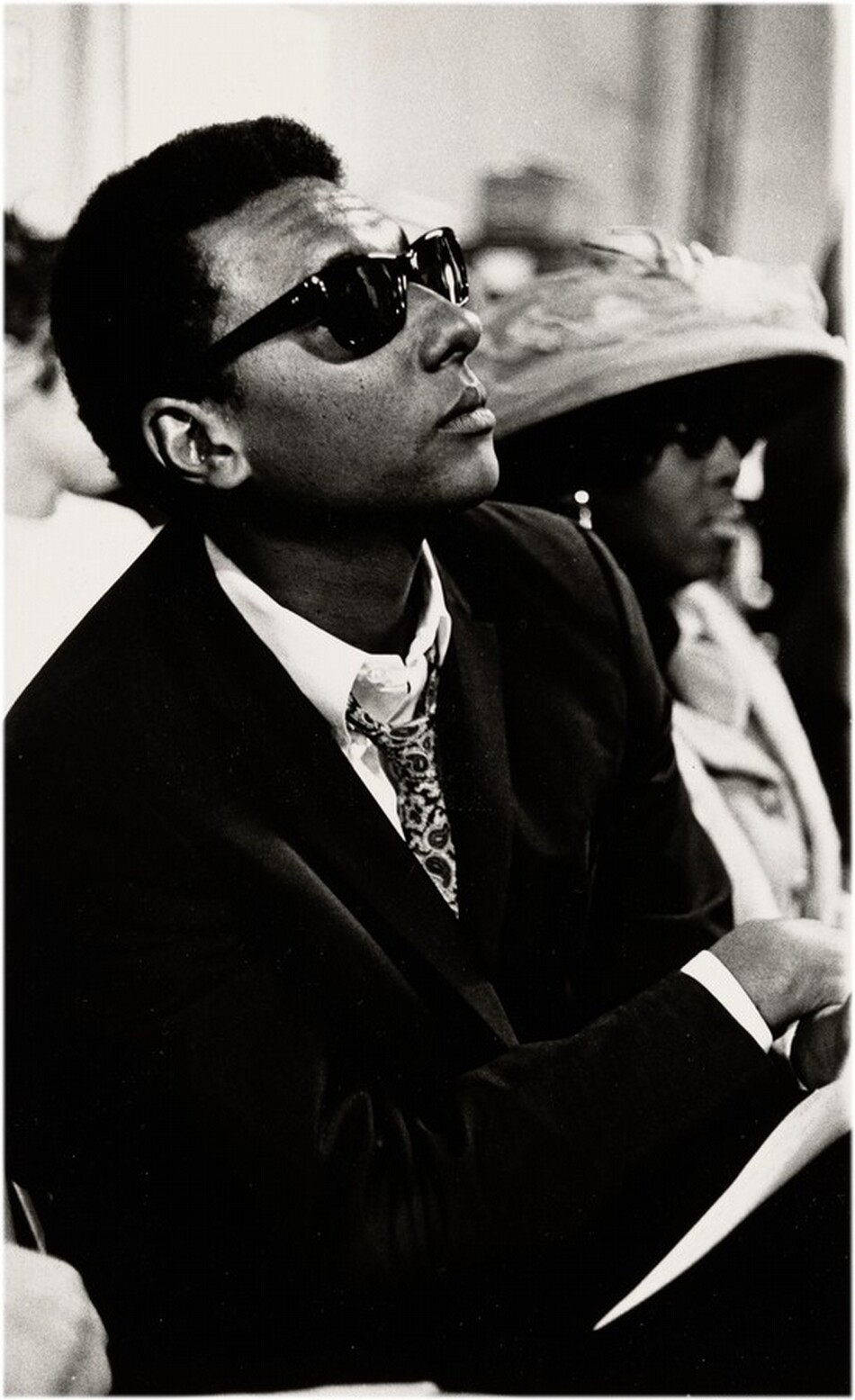
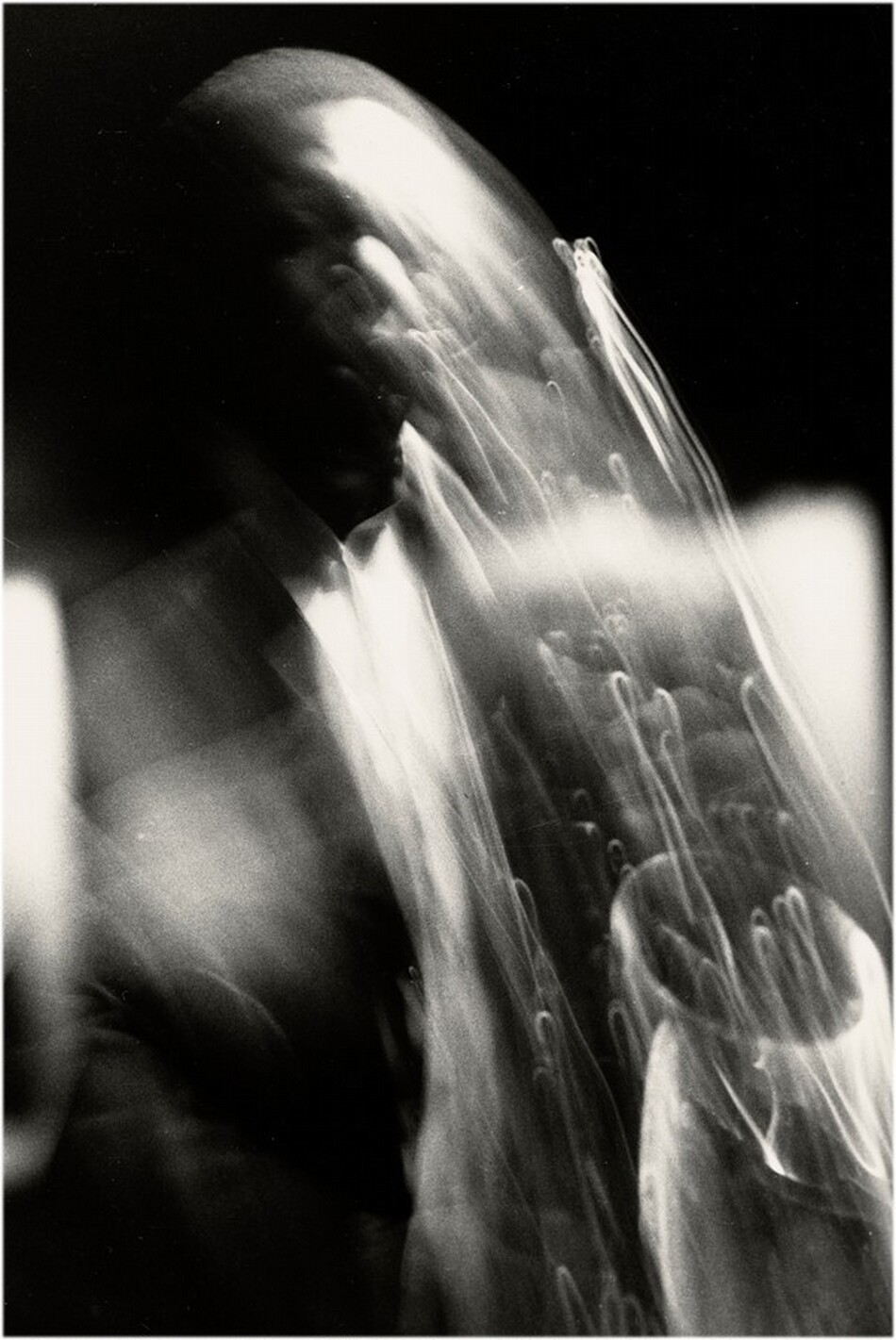
  • The image shows a man seated in profile facing to the left. He has short, well-groomed hair and is wearing dark sunglasses, a dark suit, white collared shirt, and a patterned tie. He holds sheets of paper. Another person wearing a hat and sunglasses is slightly blurred behind him. The setting appears to be indoors with other people seated closely together.
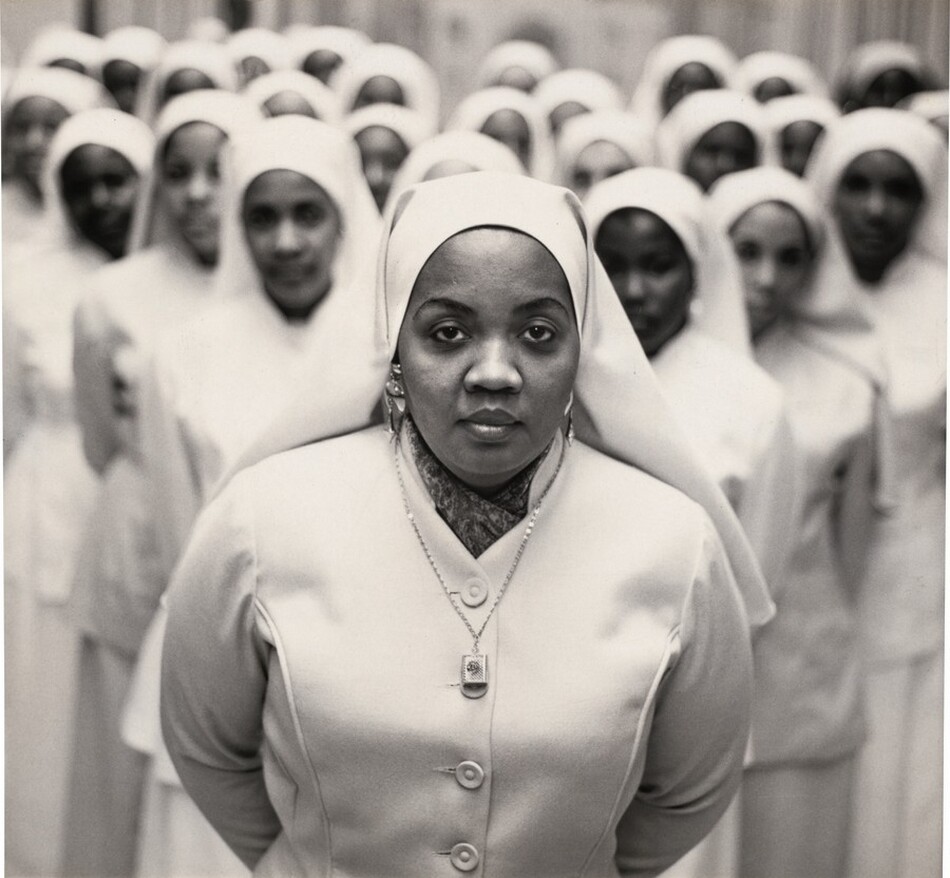
  • Shown from the waist up, a Black woman, Ethel Shariff, wears a nun’s habit and light-colored clothing as she stands in front of about two dozen more Black nuns in this square black and white photograph. Ethel is in sharp focus at the center of the picture. She looks steadily at us with wide-set eyes, a rounded nose, and full lips in her oval face. The habit covers her head and falls beyond her shoulders. A scarf is tucked into the high neck of her white garment, which buttons up the front. She wears chunky earrings and a glimmering gold necklace with a small box-shaped pendant. She and the other women stand with their hands clasped behind their backs. Those behind Ethel stand in formation, creating a loose V. They are out of focus, their faces a variety of tones.
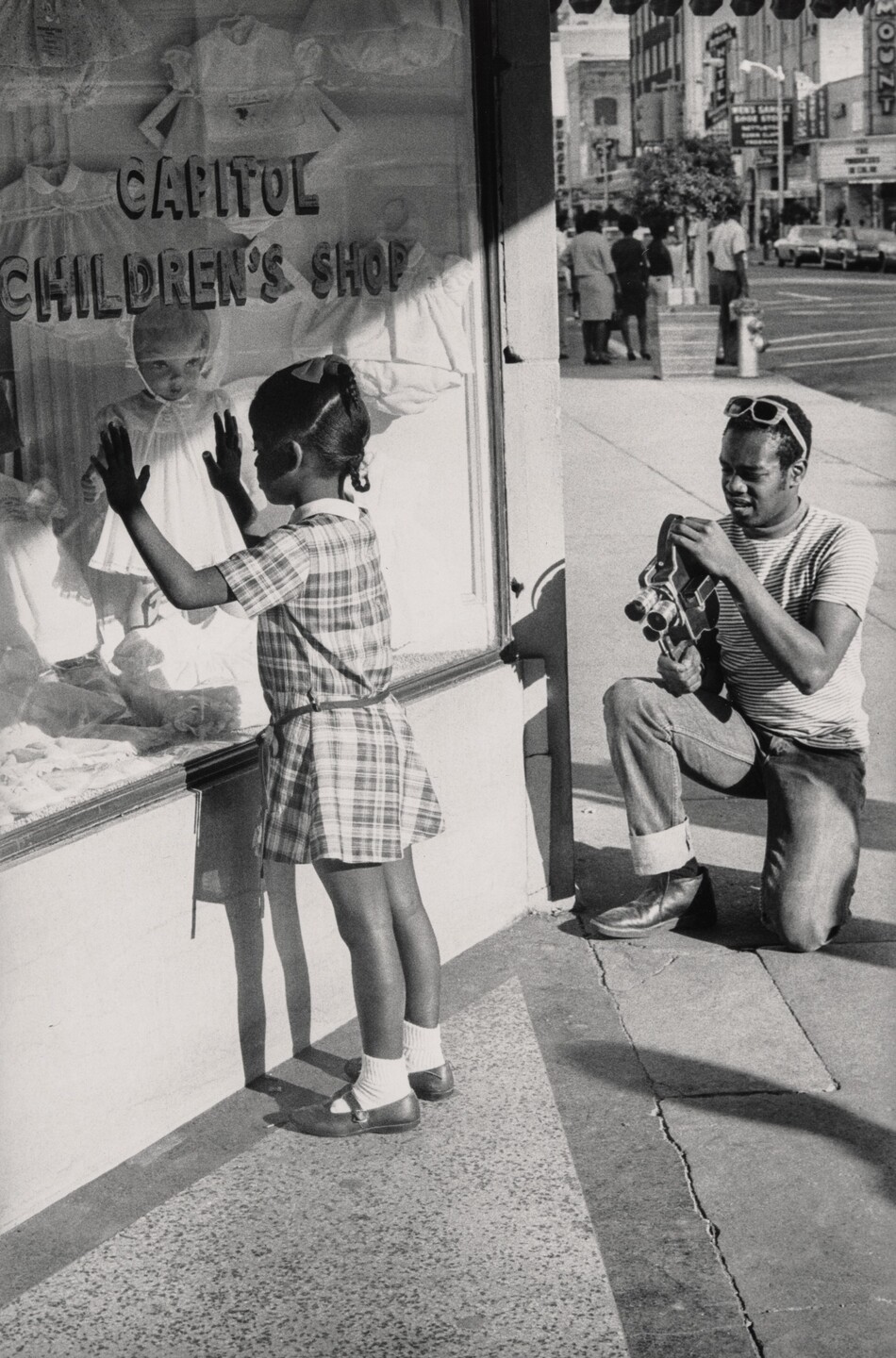
  • This is a photograph of a young person standing in front of a store window display, holding a camera. The image depicts a candid moment on a city street. The window display shows children's clothing with a large text sign indicating the name of the shop. The scene includes a camera in the foreground as well as surrounding architecture and pedestrians in the background, suggesting a lively urban environment. The tones of the photograph are in black and white with strong contrasts, capturing the texture and light of the scene effectively.
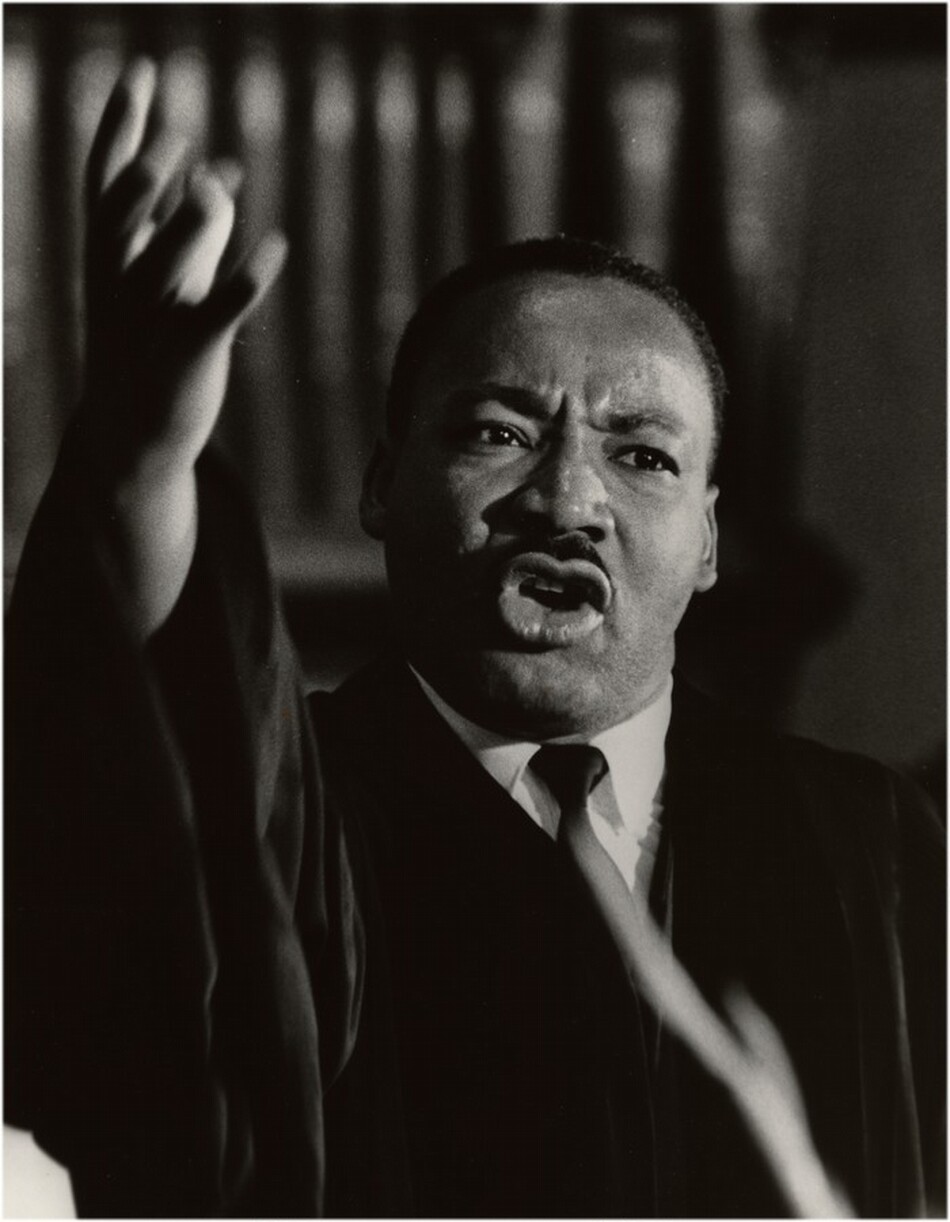
  • This image shows a man in a close-up, focusing on his face and part of his upper body with one raised arm. His mouth is open, as if speaking. The man has a prominent nose, expressive eyes, and short dark hair. He wears a dark robe over a white shirt and a tie. In the background, there are blurred shapes that seem to be books or an interior setting. The lighting highlights his face and raised hand.
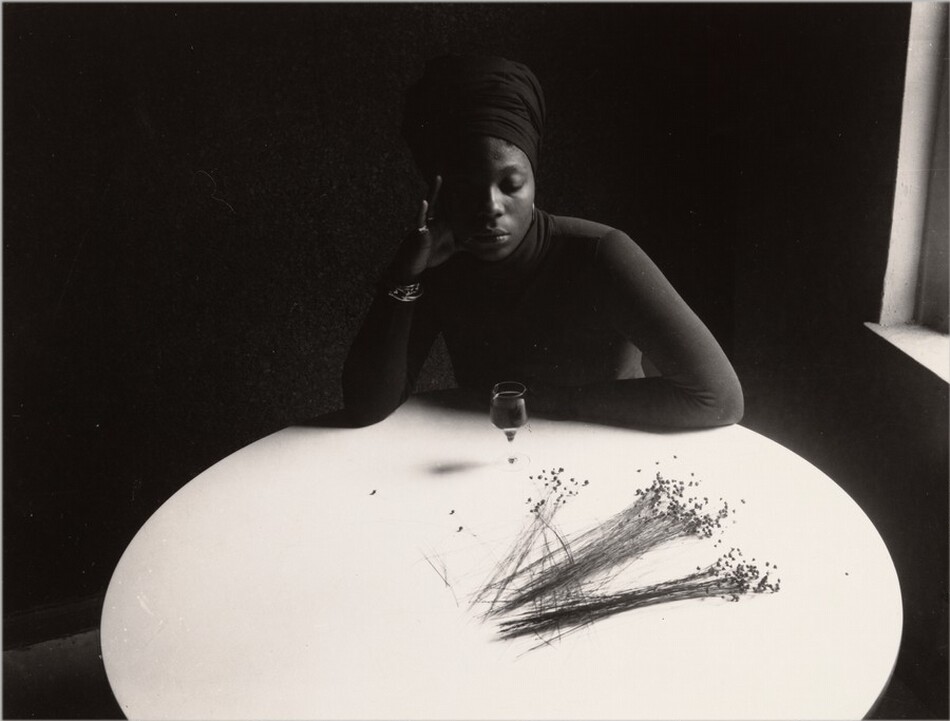
  • The image shows a person seated at a round table. The person has one arm resting on the table and their head slightly tilted, supported by their hand. They have closed eyes, a headwrap, and are wearing a long-sleeved top and bracelets. On the table in front of them is a glass containing liquid and plant-like objects with round elements. The background includes a wall and a window letting in light.
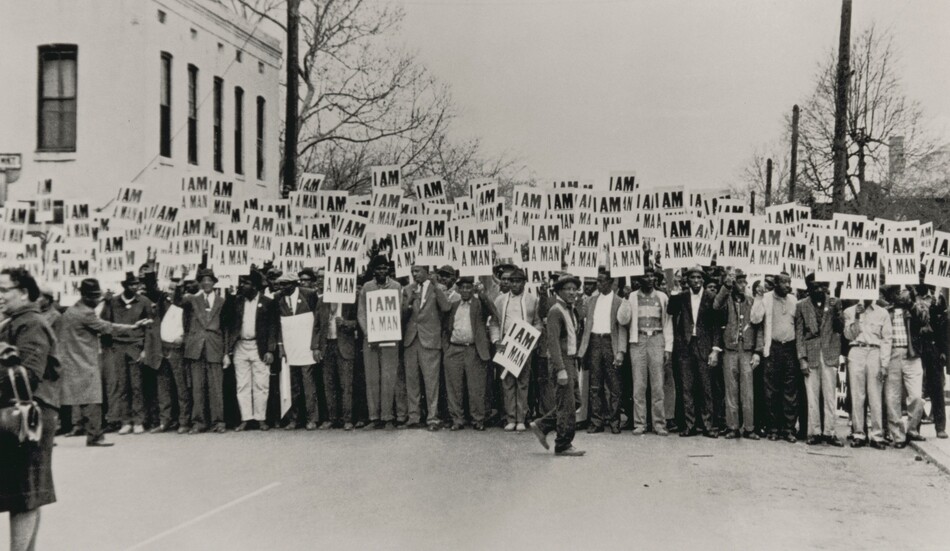
  • This is a photograph of a large group holding signs that read "I Am A Man." Numerous individuals are gathered closely together in an organized line along a street. Each person in the group is holding a sign that displays the phrase "I Am A Man." The signs are held aloft, creating a wall of text that stretches across the scene. The background features a large building and several bare trees. The photograph conveys a message through the repetition of the phrase on the signs, focusing on themes of identity and dignity.

Stories

Article:  What Is the Black Arts Movement? Seven Things to Know

Learn how the "cultural revolution in art and ideas" celebrated Black history, identity, and beauty.

Two Black men stand in a subway car facing the camera. Both are shown from the hips up. The man on the left wears a black leather jacket and brown fur hat, and wraps his arms around the body. He has a neutral expression but direct gaze. The man on the right wears a black leather jacket over a brown sweater. He points a finger on each hand at his head, which is topped by a brown newsboy cap.

Video:   How The Legend Jamel Shabazz Shaped Street Photography 

Street photographer Jamel Shabazz documented fashion, life, and culture in his New York City community for over 40 years.


Publication

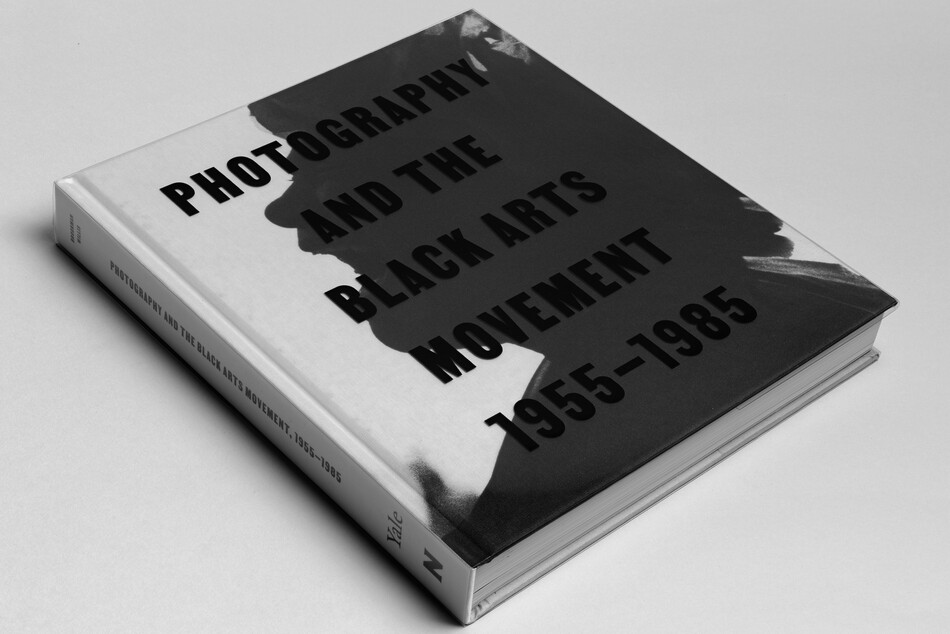
Photography and the Black Arts Movement, 1955–1985

Examine photography’s many roles in art, journalism, fashion, portraiture, and more during the dynamic evolution of the Black Arts Movement. 

Organization
The exhibition is organized by the National Gallery of Art, Washington.

The exhibition is curated by Philip Brookman, consulting curator of photographs at the National Gallery of Art, and Deborah Willis, university professor and chair of the department of photography and imaging at the Tisch School of the Arts and director of the Center for Black Visual Culture at New York University.

Other venues
The J. Paul Getty Museum, Los Angeles, February 24–June 14, 2026
Mississippi Museum of Art, Jackson, July 25–November 8, 2026

Sponsors
Major support is provided by the Trellis Charitable Fund.

The exhibition is made possible by The Shared Earth Foundation.

Additional support is provided by Andrea Kirstein and The Robert Mapplethorpe Foundation, Inc., New York.

The accompanying publication is supported through a generous grant from Nion McEvoy and Leslie Berriman.

Banner detail: James Barnor, Drum cover girl Erlin Ibreck, Kilburn, London, 1966, printed 2023, chromogenic print, Alfred H. Moses and Fern M. Schad Fund, 2025.26.3 © James Barnor / Courtesy Galerie Clementine de la Feronnière
 

You may also like